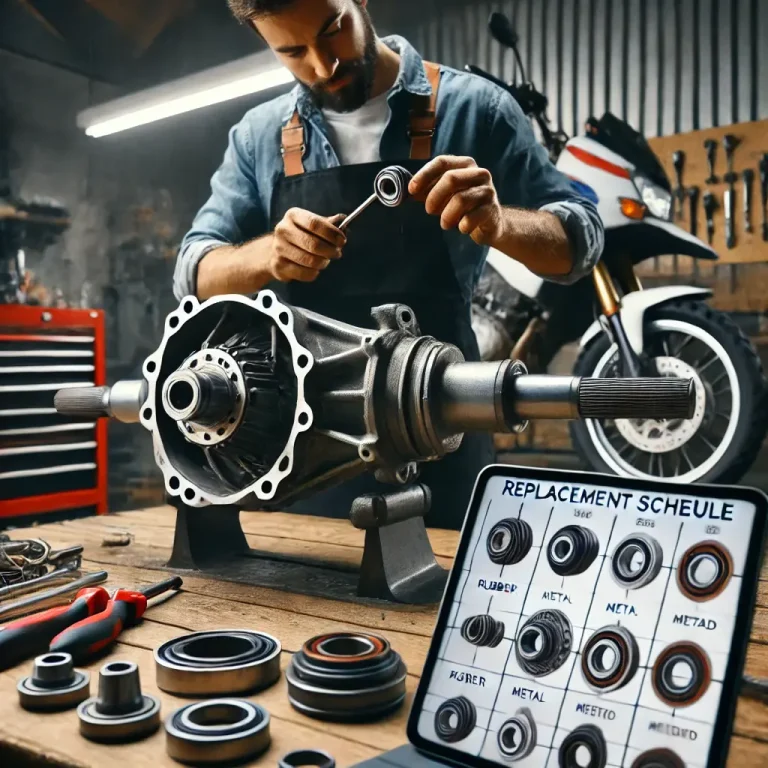
How To Install An Axle Shaft Seal: A Comprehensive Guide
My car started making a concerning whining noise, and after some research, I suspected a failing axle shaft seal. Replacing it seemed daunting, but with the right information, I managed to fix it myself and saved a significant amount of money on mechanic fees. This guide will show you how to install an axle shaft seal, saving you time and money. You’ll learn the process step-by-step, understand the necessary tools, and avoid common mistakes. Let’s get started!
Preparing for Axle Shaft Seal Installation
This section outlines the crucial preparatory steps before you begin the axle shaft seal replacement. Proper preparation ensures a smooth and efficient repair process, minimizing the risk of damage to components and ensuring accurate installation.
Gathering Necessary Tools and Parts
- New axle shaft seal: Always use a high-quality replacement seal to ensure longevity. Choosing the wrong seal can lead to premature failure and necessitate another repair.
- Socket set and wrenches: You’ll need a variety of sizes to remove and install the axle components. Make sure you have the correct size for your vehicle’s specific axle nuts and bolts.
- Pry bar: A pry bar is helpful for removing old seals and other stubborn components. Choose a pry bar with appropriately sized heads and enough length for effective leverage.
- Hammer and punch: These are necessary for carefully seating the new seal. A soft-faced hammer is preferred to avoid damaging the new seal.
- Penetrating oil: Applying penetrating oil to bolts and nuts before attempting to loosen them helps prevent stripping or breakage.
Safety Precautions
Safety should always be your top priority. Working on a vehicle involves potential hazards, so it’s essential to take precautions before starting any repair. This could help prevent injuries.
- Always use jack stands: Never rely solely on a jack to support your vehicle. Jack stands provide crucial stability and prevent the vehicle from unexpectedly falling.
- Wear safety glasses: Flying debris is a common occurrence during mechanical work, and safety glasses protect your eyes from potential harm.
- Work in a well-ventilated area: Working on a vehicle may involve exposure to fluids and fumes. Ensuring adequate ventilation helps maintain a safe and comfortable work environment.
- Disconnect the battery: Disconnecting the battery terminal is an important safety precaution that prevents accidental shorts or electrical shocks.
- Use gloves: Working with grease and other automotive fluids can be messy and potentially harmful. Wearing gloves protects your hands and reduces the risk of chemical exposure.
Removing the Old Axle Shaft Seal
This section details the process of removing the old, damaged axle shaft seal. A proper removal is essential for a successful installation of the new seal and to prevent further damage to the axle housing.
Accessing the Axle Shaft Seal
The access method to the axle shaft seal varies depending on the vehicle model, but generally requires removing the wheel, brake caliper and rotor (or hub). Check your vehicle’s repair manual for specific instructions.
- Securely jack up and support the vehicle with jack stands. Always prioritize safety.
- Remove the wheel and tire assembly. Use a lug wrench to remove the lug nuts before detaching the wheel.
- Disconnect and remove the brake caliper assembly. Usually, this involves removing caliper mounting bolts and carefully separating the caliper from the rotor.
- Remove the brake rotor or hub assembly. This may involve removing additional components, such as axle nuts and cotter pins, depending on your vehicle model.
Removing the Seal
- Use a suitable tool to carefully remove the old seal. A small pry bar is usually effective. Avoid damaging the axle housing during this process.
- Inspect the axle shaft for any damage. If the axle shaft is scored or damaged, it will need to be replaced. Ignoring damage can cause further issues with the new seal.
- Clean the axle housing thoroughly. Removing all traces of the old seal and any debris is crucial for a proper seal installation.
- Use a suitable solvent to remove any remaining grease or sealant. This ensures the new seal can achieve a proper, leak-free seal. A parts cleaner or brake cleaner is suitable.
- Inspect the axle housing for damage: If there’s any significant wear or damage to the housing, it will need repair before installing a new seal.
Installing the New Axle Shaft Seal
This section guides you through the precise installation of the new axle shaft seal. Careful installation is essential to ensure a leak-free and long-lasting repair. Follow these steps carefully.
Preparing the New Seal
Before installation, the new seal needs preparation to ensure a smooth and secure fit. Improper preparation can lead to seal damage or failure.
- Inspect the new seal for any damage or imperfections. A damaged seal should never be installed.
- Lightly lubricate the seal’s outer lip with a compatible grease. This will help ease installation and ensure a good seal.
- Do not use excessive grease; this can cause problems and lead to seal failure.
Seating the New Seal
Proper seating is crucial to prevent leaks. Using the correct technique ensures a proper seal without damaging the new part.
- Use a seal installer if available; it provides even pressure and prevents damage. Alternatively, carefully tap the seal into place using a socket that matches the seal’s inner diameter and a hammer.
- Ensure the seal is fully seated. A flush seal ensures a proper fit and prevents leaks.
- Inspect the seal to ensure it’s correctly aligned and fully seated. Misalignment could cause premature seal failure.
Reassembling the Axle and Testing
This final section covers the reassembly of the axle and the crucial post-installation checks to ensure the repair’s success.
Reassembly Process
Carefully reverse the disassembly steps, ensuring all components are correctly reinstalled. Proper torque specifications for nuts and bolts are critical to prevent issues.
- Install the brake rotor or hub, followed by the brake caliper assembly. This process is the exact reverse of the disassembly process, ensuring all components are correctly secured.
- Install the wheel and tire assembly, ensuring that the lug nuts are tightened to the manufacturer’s specified torque.
- Lower the vehicle and test the axle for leaks.
Testing for Leaks
After reassembly, it’s crucial to thoroughly check the repair’s effectiveness. This ensures a successful installation and helps prevent further issues.
- Inspect for any leaks around the axle shaft seal. Use a paper towel to wipe around the seal. Leaks can indicate improper installation or a damaged seal.
- Road test the vehicle. Pay attention to any unusual noises. Persistent whining indicates a problem that requires further investigation.
- Check the fluid level regularly and look for any signs of fluid leakage. This helps ensure the repair’s success and prevents further damage to the axle.
FAQ
What type of grease should I use for the axle shaft seal?
Use a high-quality, molybdenum disulfide-based grease specifically designed for axle seals. Check your vehicle’s owner’s manual for recommended grease specifications.
How often should I replace my axle shaft seals?
There’s no set mileage or time interval. Replacement is needed when they leak or show signs of wear, typically due to age, deterioration, or damage.
Can I install an axle shaft seal without removing the axle shaft?
In some cases, it might be possible, depending on vehicle design. However, it’s generally recommended to remove the axle shaft for easier and more thorough seal replacement.
What happens if I don’t replace a leaking axle shaft seal?
Ignoring a leaking seal leads to axle lubricant loss, potentially damaging the axle and causing serious issues, including axle failure and even catastrophic damage to your vehicle’s transmission.
What are the signs of a bad axle shaft seal?
Signs include fluid leaks, whining noises, and difficulty steering. If any of these are present, it’s crucial to inspect the axle seals for damage.
Can I use a sealant in addition to the new seal?
Generally, no additional sealant is required. A properly installed quality axle shaft seal should provide an adequate seal.
What if I damage the axle housing during seal removal?
Damage to the housing necessitates repair or replacement before installing a new seal. It would be impossible to get a proper seal on the new axle seal with an improperly sealed housing.
Final Thoughts
Replacing an axle shaft seal might seem intimidating, but with careful preparation, the right tools, and a step-by-step approach, you can successfully complete this repair. Remember safety is paramount; always use jack stands and wear appropriate protective gear. By following this guide, you’ll save money and gain valuable mechanical knowledge. If you encounter any difficulties, consult a professional mechanic. Now, go get that repair done!