
7 Top Intake Camshaft Position Sensor Picks for Optimal Engine Performance
Ever had your “Check Engine Light” pop on, leaving you scratching your head? Or perhaps your car just doesn’t feel quite right – maybe it’s running a little rough, struggling to start, or not accelerating as smoothly as it used to. While many things can cause these issues, a common culprit often flies under the radar: your intake camshaft position sensor.
This unsung hero plays a vital role in your engine’s precise operation. It’s like a tiny watchman, constantly monitoring the camshaft’s position and sending crucial data to your car’s computer. This information helps regulate everything from spark timing to fuel injection, ensuring your engine runs efficiently and powerfully. When this sensor goes bad, your vehicle’s performance can take a serious hit.
But don’t fret! Replacing a faulty intake camshaft position sensor is a common fix that can bring your car back to life. To help you navigate the sea of options, we’ve rounded up 7 top picks, focusing on quality, compatibility, and user satisfaction. Let’s dive in!
What Does an Intake Camshaft Position Sensor Do?
Think of your engine’s camshafts as conductors guiding the orchestra of valves, opening and closing them at just the right moment. The intake camshaft position sensor precisely monitors the rotational position and speed of the intake camshaft. It then relays this real-time data to the Engine Control Unit (ECU).
The ECU uses this information, along with data from the crankshaft position sensor, to calculate the exact timing for fuel delivery and spark plug firing. This intricate dance ensures optimal engine performance, fuel efficiency, and reduced emissions. In vehicles equipped with Variable Valve Timing (VVT) systems, this sensor is even more critical, as it allows the ECU to adjust valve timing on the fly for various driving conditions.
Signs You Might Need a New One
A failing intake camshaft position sensor can manifest in several ways:
- Illuminated Check Engine Light (CEL): This is often the most obvious sign, typically accompanied by specific diagnostic trouble codes (DTCs) like P0010, P0011, P0013, or P0014.
- Difficulty Starting: The ECU might not know when to fire the spark plugs or inject fuel, leading to extended cranking or no-start conditions.
- Rough Idling or Stalling: Inaccurate timing can cause the engine to run unevenly or even cut out.
- Reduced Fuel Economy: When the engine timing is off, it burns more fuel to produce the same power.
- Engine Misfires or Vibrations: Improper spark or fuel timing can lead to misfires, causing the engine to shake or vibrate.
- Poor Acceleration or Power Loss: The engine might feel sluggish or lack its usual pep, especially during acceleration.
If you’re experiencing any of these symptoms, inspecting or replacing your intake camshaft position sensor (or related VVT components) is a smart step.
Our Top 7 Picks for Intake Camshaft Position Sensors
Ready to restore your ride’s performance? Here are our carefully selected options:
1. A-Premium VVT Intake & Exhaust Camshaft Position Actuator

This A-Premium set isn’t just a sensor; it’s a comprehensive solution featuring both intake and exhaust VVT solenoids (also known as actuators). While your main keyword is “sensor,” these VVT components are often the actual cause of P0010, P0011, P0013, and P0014 codes, which are frequently mistaken for sensor issues or are interconnected with sensor functionality. Replacing these solenoids can directly resolve variable valve timing problems, restoring lost engine performance and clearing those pesky check engine lights that relate to camshaft timing. It’s a fantastic kit for tackling common GM engine timing problems.
-
Key Features:
- Includes both Intake and Exhaust VVT Solenoids/Actuators
- Addresses common diagnostic codes (P0010, P0011, P0013, P0014)
- Wide compatibility with various Chevrolet, GMC, Buick, Pontiac, Saab, and Saturn models (2.0L, 2.2L, 2.4L engines)
- Direct replacement for OEM part numbers like 12655420, 12628347, 917215 (Intake) and 12655421, 12628348, 917216 (Exhaust)
- Backed by a one-year unlimited-mileage guarantee
-
Pros:
- Comprehensive solution for VVT-related engine issues
- Often fixes common “Check Engine Light” codes
- Good vehicle fitment for popular GM models
- Easy plug-and-play installation
- Strong manufacturer warranty for peace of mind
-
Cons:
- May not be needed if only a sensor is faulty, as this is an actuator kit
- Specific to GM models listed
-
User Impressions: Customers frequently report that this kit effectively clears their P0010/P0011 codes, restoring smooth engine operation and fixing performance issues. Many appreciate the dual solenoid replacement for thoroughness, finding the installation straightforward and the parts a good value.
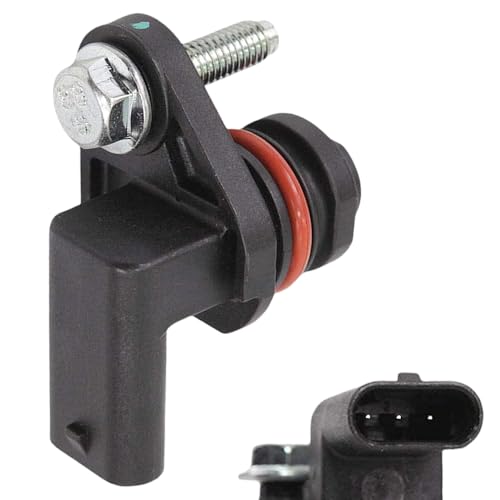
2. ApplianPar Intake and Exhaust Engine Camshaft Position

For those needing a direct sensor replacement, the ApplianPar set offers both the intake and exhaust camshaft position sensors. This is a crucial two-piece set, often meaning if one goes bad, the other might not be far behind, or it’s simply good practice to replace them both for consistent timing readings. It’s specifically designed for several popular Chevrolet and Pontiac models, ensuring precise fitment and helping restore your engine’s timing accuracy.
-
Key Features:
- Includes both Intake and Exhaust Engine Camshaft Position Sensors
- Replaces common part numbers like 55565708, 55565709, 25195555
- Compatible with Chevrolet Aveo, Aveo5, Cruze, Sonic, Trax; and Pontiac G3
- Designed for 1.6L and 1.8L engines
-
Pros:
- Replaces both crucial camshaft position sensors
- Cost-effective solution
- Good compatibility for listed compact GM vehicles
- Direct fit for easy installation
-
Cons:
- Limited to specific vehicle models
- No mention of a warranty period
-
User Impressions: Users often find this set to be a budget-friendly way to address multiple sensor-related issues. Many appreciate the convenience of getting both sensors in one package, reporting that they successfully fixed their engine performance issues after installation.
3. Intake & Exhaust Camshaft Position Actuator with Crankshaft

This comprehensive kit takes “fixing it right” to another level. Not only does it include the intake and exhaust camshaft position actuators (VVT solenoids), but it also throws in both the camshaft position sensor AND the crankshaft position sensor. This makes it an ideal choice if you’re experiencing multiple, interconnected timing-related issues, or if you simply want to replace all key components that work in tandem to ensure your engine’s precise operation. It’s a true all-in-one solution for common GM engine timing woes.
-
Key Features:
- All-inclusive kit: Intake Actuator, Exhaust Actuator, Camshaft Position Sensor, Crankshaft Position Sensor
- Extensive compatibility with Buick, Chevy, GMC, Pontiac, and Saturn models (2.0L, 2.2L, 2.4L engines)
- Replaces numerous OEM part numbers for all included components
- Addresses issues related to the entire engine timing system
-
Pros:
- Provides a complete solution for various timing and VVT issues
- Excellent value for replacing multiple critical sensors and actuators
- Broad vehicle fitment for popular GM vehicles
- Comes with a 1-year manufacturer warranty
-
Cons:
- May contain more parts than strictly necessary if only one sensor/actuator is bad
- Specific to the listed GM engine types
-
User Impressions: Reviewers love the convenience and value of this multi-component kit. Many users, facing various check engine codes, found that replacing all these interconnected parts simultaneously provided a definitive fix and restored their vehicle’s performance completely.
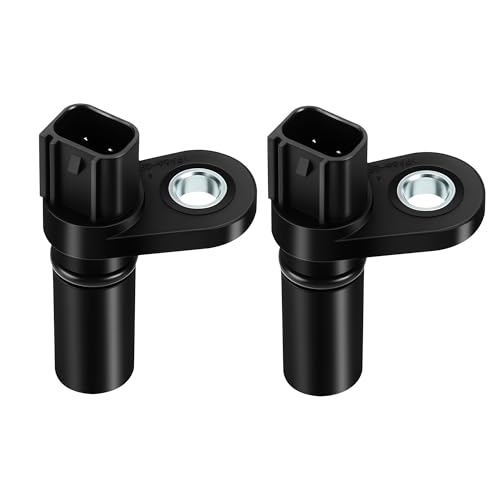
4. Set of 2 Camshaft Position Sensor Compatible with BMW

BMW owners, rejoice! This specific set of two camshaft position sensors is tailored for a wide range of BMW models. If your luxurious ride is experiencing rough idling, reduced power, or that dreaded check engine light, these sensors could be your solution. Designed to directly replace your original equipment, they help restore the precise timing crucial for BMW’s renowned engine performance. Getting two means you’re covered for both intake and exhaust, or have a spare if needed.
-
Key Features:
- Includes 2 Camshaft Position Sensors (often one for intake, one for exhaust)
- Extensive compatibility with numerous BMW 1, 3, 5, 7 series, X3, X5, X6, and Z4 models
- Direct replacement for OEM part numbers like 13627525014, 13627546660
- Helps resolve issues like intermittent stalling, hard starting, CEL, and engine misfires
- Plug-and-play installation method
-
Pros:
- Specifically designed for a broad range of BMW applications
- High-quality direct replacement parts
- Comes with an 18-month warranty
- Addresses multiple common BMW engine symptoms
-
Cons:
- Only for BMW vehicles; not universal
- Requires precise fitment verification due to BMW’s specific designs
-
User Impressions: BMW enthusiasts appreciate the exact fit and function of these sensors, often reporting that they effectively clear specific BMW-related diagnostic codes and restore smooth engine operation. The included warranty adds a layer of confidence for buyers.
5. HYNYHT Intake+Exhaust Engine Camshaft Position Sensor
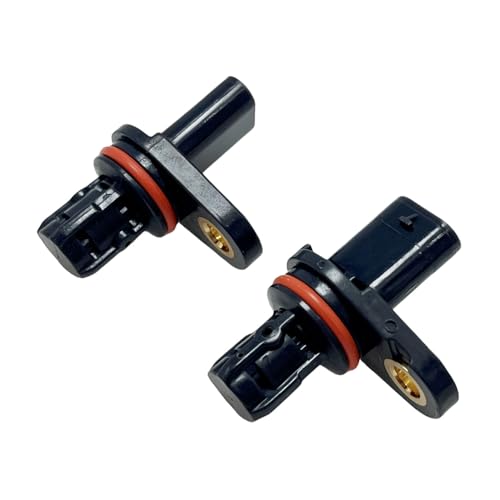
Similar to the ApplianPar, the HYNYHT set provides both the intake and exhaust camshaft position sensors in one convenient package. This makes it a great choice for a straightforward replacement if you’ve diagnosed issues with either or both of these critical components. With solid compatibility for popular Chevrolet and Pontiac models, it offers a reliable and cost-effective way to get your engine’s timing back on track.
-
Key Features:
- Includes both Intake and Exhaust Engine Camshaft Position Sensors
- Compatible with Chevrolet Aveo, Aveo5, Cruze, Cruze Limited, Sonic, Trax; and Pontiac G3
- Replaces part numbers like 55565708, 55565709, 25195555
- Non-OEM product, designed for accessory use
-
Pros:
- Convenient two-sensor pack
- Direct fit for compatible vehicles
- Budget-friendly option for sensor replacement
- Easy to install for DIY mechanics
-
Cons:
- No explicit warranty information provided
- Limited vehicle compatibility compared to some other options
-
User Impressions: Customers often choose this set for its affordability and effectiveness in solving common “Check Engine Light” issues related to camshaft position sensors on the listed GM vehicles. They typically find the parts fit well and perform as expected.
6. A-NAFTULY Set of 2 Camshaft Position Sensor 12577245

The A-NAFTULY set offers a pair of camshaft position sensors specifically designed for a wide array of General Motors vehicles, including popular Chevrolet, GMC, Buick, and Pontiac models. This means you’re getting a solution for both the intake and exhaust camshaft readings, crucial for accurate engine timing and optimal performance. If you’re tackling common issues like rough running or a stubborn check engine light on your GM vehicle, this set is a strong contender.
-
Key Features:
- Includes 2 Camshaft Position Sensors
- Broad compatibility with Chevrolet Cobalt, HHR, Captiva Sport, Equinox, Malibu; GMC Terrain; Buick Regal, LaCrosse, Verano; Pontiac G5, G6, Solstice; Saturn Aura, Ion, Sky, Vue
- Replaces numerous OEM and aftermarket cross-reference part numbers like 12577245, 2131690, 917-720
- Functions to determine camshaft rotating position for spark and fuel timing
- Designed for direct, plug-in replacement
-
Pros:
- Wide range of GM vehicle compatibility
- Addresses common engine performance issues
- Easy installation as a direct replacement
- Comes with an 18-month worry-free warranty
- Provides both intake and exhaust sensor coverage
-
Cons:
- Might be overkill if only one sensor is confirmed bad
- Fitment must be double-checked for specific models
-
User Impressions: Many users praise this A-NAFTULY set for its broad compatibility and effectiveness. They frequently mention that these sensors resolve their P0010/P0011-type codes and restore smooth engine operation, making it a reliable choice for various GM models.
7. Hitachi CPS0028 Engine Camshaft Position Sensor
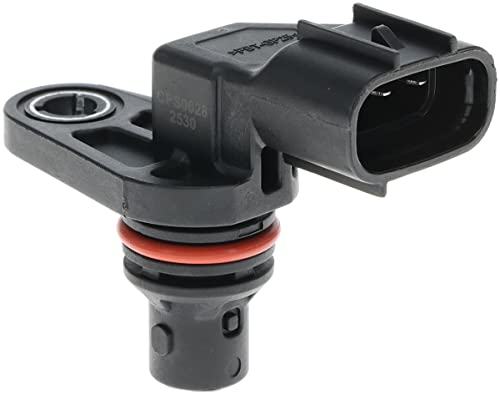
When it comes to engine components, few names inspire as much confidence as Hitachi Astemo. This particular Hitachi camshaft position sensor stands out because it comes from a Tier 1 OE (Original Equipment) supplier, meaning it’s designed and manufactured to the same rigorous standards as the parts that originally came in your car. Choosing Hitachi gives you superior quality, reliability, and precision, ensuring your engine gets accurate data for perfect timing, right out of the box.
-
Key Features:
- From a Tier 1 OE supplier (Hitachi Astemo)
- Designed to meet OE output signals and error tolerances
- Uses premium components and materials for extended service life
- Rigorously tested in extreme conditions for accuracy and reliability
- 100% New, never remanufactured
-
Pros:
- OE quality and performance for ultimate reliability
- Ensures accurate RPM signals and timing adjustments
- Durable construction for long-term use
- Peace of mind from a trusted automotive brand
-
Cons:
- Often higher priced than generic aftermarket options
- Compatibility needs to be verified using Amazon’s fitment tool, as it’s a single sensor for specific applications.
-
User Impressions: Customers consistently highlight the exceptional quality and reliability of Hitachi parts. They often state that while it might cost a bit more, the performance and durability are well worth the investment, especially for critical sensors where precision is paramount.
How to Choose the Right Intake Camshaft Position Sensor
Picking the best intake camshaft position sensor for your vehicle can feel daunting, but it doesn’t have to be. Here are a few key factors to consider:
- Vehicle Compatibility: This is paramount! Always double-check that the sensor is specifically designed for your car’s make, model, year, and engine size. Using online fitment tools or cross-referencing OEM part numbers is highly recommended.
- Sensor vs. Actuator/Solenoid: As you saw, some products are sensors, others are VVT actuators/solenoids, and some are kits with both. Understand your specific diagnostic code (e.g., P0010 for VVT intake solenoid vs. a general camshaft sensor code) to buy the right part. If in doubt, a comprehensive kit can be a good, albeit sometimes pricier, solution.
- Brand Reputation: Stick with reputable brands. OE suppliers like Hitachi offer top-tier quality, while established aftermarket brands often provide reliable performance at a more accessible price point.
- Warranty: A good warranty can save you headaches and money down the line. Look for at least a 1-year warranty, as offered by several products on our list.
- Reviews and User Impressions: See what other customers are saying. Real-world feedback can provide valuable insights into a product’s fitment, ease of installation, and long-term reliability.
- Budget: While cost is a factor, remember that a cheap sensor that fails quickly can end up costing you more in the long run. Balance price with quality and reliability.
By keeping these points in mind, you’ll be well on your way to making an informed decision and getting your car running smoothly again!
Frequently Asked Questions (FAQ)
Q1: What exactly does an intake camshaft position sensor do?
A1: The intake camshaft position sensor monitors the rotational speed and position of your engine’s intake camshaft. It sends this crucial data to the engine control unit (ECU), which then uses it to precisely time fuel injection and spark plug firing, ensuring optimal engine performance, fuel efficiency, and emissions control.
Q2: What are the common symptoms of a failing intake camshaft position sensor?
A2: Common signs include the “Check Engine Light” illuminating (often with codes like P0010, P0011), difficulty starting the engine, rough idling, stalling, reduced fuel economy, engine misfires, poor acceleration, and overall loss of power.
Q3: Can I replace the intake camshaft position sensor myself?
A3: For many vehicles, replacing this sensor is a relatively straightforward DIY task, often requiring basic hand tools. However, its location can vary greatly by vehicle model and engine type, sometimes requiring removal of other components. Always consult your vehicle’s service manual or reliable online resources for specific instructions. If you’re unsure, it’s best to consult a professional mechanic.
Q4: Are aftermarket intake camshaft position sensors as good as OEM parts?
A4: It varies. Many high-quality aftermarket sensors from reputable brands perform just as well as OEM parts, offering a cost-effective alternative. Some, like Hitachi, are even OEM suppliers. However, beware of very cheap, no-name brands that might offer inconsistent performance or shorter lifespans. It’s often a balance of price, brand reputation, and warranty.
Q5: Will replacing the intake camshaft position sensor fix my Check Engine Light?
A5: If the illuminated Check Engine Light (CEL) is directly caused by a fault with the intake camshaft position sensor (confirmed by diagnostic codes specific to that sensor, such as P0010 or P0011), then yes, replacing it should clear the light and resolve the underlying issue. However, always ensure you’ve diagnosed the correct problem, as other issues can trigger similar symptoms.
Q6: What diagnostic trouble codes (DTCs) are commonly associated with this sensor?
A6: Common DTCs related to the intake camshaft position sensor and its circuit include:
* P0010: “A” Camshaft Position Actuator Circuit / Open (Bank 1) – often points to the VVT solenoid/actuator.
* P0011: “A” Camshaft Position – Timing Over-Advanced or System Performance (Bank 1) – can be sensor or VVT related.
* P0012: “A” Camshaft Position – Timing Over-Retarded (Bank 1) – can be sensor or VVT related.
* P0340: Camshaft Position Sensor Circuit Malfunction (Bank 1 or Single Sensor) – a more generic sensor circuit fault.
* P0341: Camshaft Position Sensor Circuit Range/Performance (Bank 1 or Single Sensor).
Q7: How important is vehicle fitment when buying this sensor?
A7: Vehicle fitment is critically important! Even a slight difference in connector type, mounting points, or electrical resistance can render a sensor incompatible. Always verify the sensor’s compatibility with your specific vehicle’s make, model, year, and engine size. Using OEM part numbers for cross-referencing is an excellent way to ensure a precise match.