Diagnosing 6.0 Powerstroke High Crankcase Pressure: Troubleshooting Guide
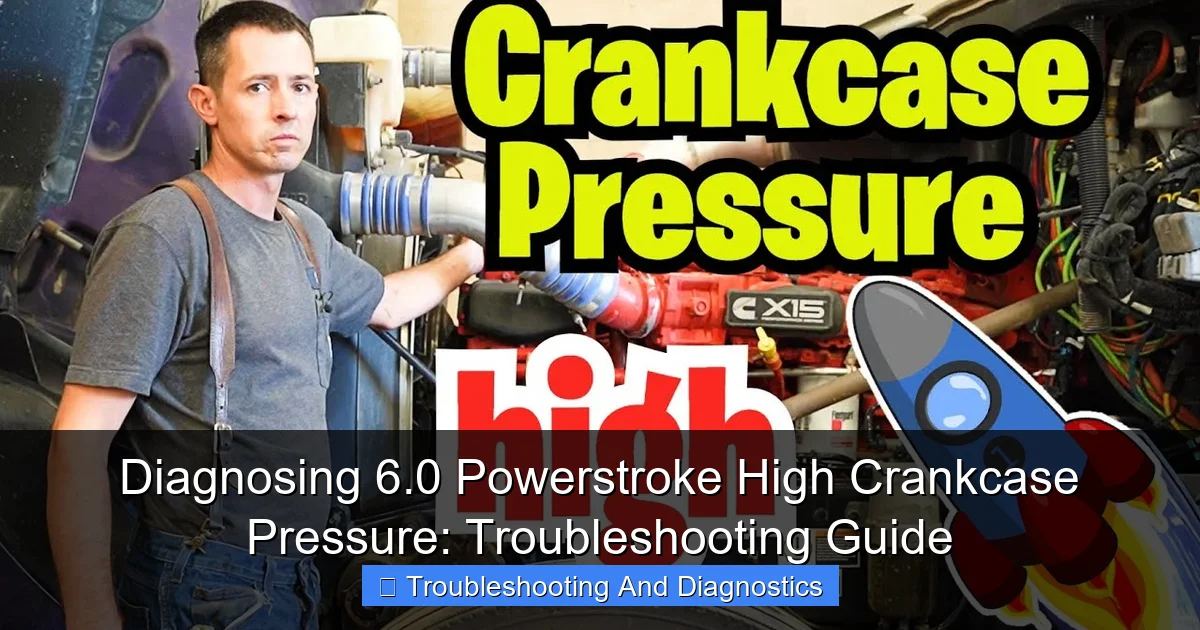
Featured image for this comprehensive guide about Diagnosing 6.0 Powerstroke high crankcase pressure
Image source: i.ytimg.com
The roar of a 6.0 Powerstroke engine is music to many truck owners’ ears, a symphony of raw power and capability. But when that robust sound is accompanied by troubling symptoms like excessive smoke, oil leaks, or a general lack of enthusiasm under acceleration, it might be signaling a hidden problem: high crankcase pressure. This isn’t just a minor annoyance; it’s a critical indicator that something is amiss within your engine’s very core, potentially leading to significant damage if left unchecked.
For those who rely on their Ford Super Duty trucks for work or play, understanding and addressing issues like 6.0 Powerstroke high crankcase pressure is paramount. It’s a common, yet often misunderstood, ailment that can plague these otherwise legendary engines. Whether you’re a seasoned diesel mechanic or a DIY enthusiast, recognizing the signs and knowing how to accurately diagnose the root cause can save you time, money, and a lot of headaches. This comprehensive guide will walk you through everything you need to know about diagnosing 6.0 Powerstroke high crankcase pressure, from understanding its origins to pinpointing the precise component failure.
Get ready to dive deep into the world of engine breathers, blow-by, and the critical systems that keep your 6.0 Powerstroke crankcase pressure in check. We’ll equip you with actionable tips, diagnostic procedures, and a clear understanding of the common culprits behind this problematic condition. By the end, you’ll be well-prepared to tackle this issue head-on and keep your beloved Powerstroke running strong for years to come.
Quick Answers to Common Questions
What are the tell-tale signs of high crankcase pressure on my 6.0 Powerstroke?
You might notice oil leaks from unexpected places, a dipstick that’s pushed out, or even a whistling sound from the engine. These are strong indicators that your 6.0 Powerstroke high crankcase pressure needs attention.
Is high crankcase pressure a serious problem for a 6.0 Powerstroke?
Absolutely! Ignoring high crankcase pressure can lead to severe engine damage, including blown seals, oil leaks, and premature turbocharger failure. It’s a problem you definitely want to address quickly to prevent more costly repairs.
How can I quickly check if my 6.0 Powerstroke has high crankcase pressure?
A simple “glove test” is a great start: with the engine running, place a latex glove over the oil fill cap. If it inflates dramatically, you likely have high crankcase pressure on your 6.0 Powerstroke.
What’s the most common cause of 6.0 Powerstroke high crankcase pressure?
The most frequent culprit is often a failing or clogged CCV (Crankcase Ventilation) system, including the oil separator and its associated hoses. Addressing this is usually the first step when diagnosing 6.0 Powerstroke high crankcase pressure.
What should I do first if I suspect my 6.0 Powerstroke has high crankcase pressure?
Start by visually inspecting your CCV system for clogs, cracks, or disconnected hoses, as this is a very common and relatively easy fix. Then, consider a more definitive test like checking engine blow-by with a specialized tool.
📋 Table of Contents
Understanding Crankcase Pressure in Your 6.0 Powerstroke
Before we delve into diagnostics, it’s crucial to understand what crankcase pressure is and why it matters for your Ford 6.0 Powerstroke. Inside your engine, as pistons move up and down, a small amount of combustion gases inevitably slips past the piston rings and into the crankcase. This phenomenon is known as “blow-by.” A certain amount of blow-by is normal and expected, even in a healthy engine. However, excessive blow-by leads to high crankcase pressure, which can become detrimental to engine performance and longevity.
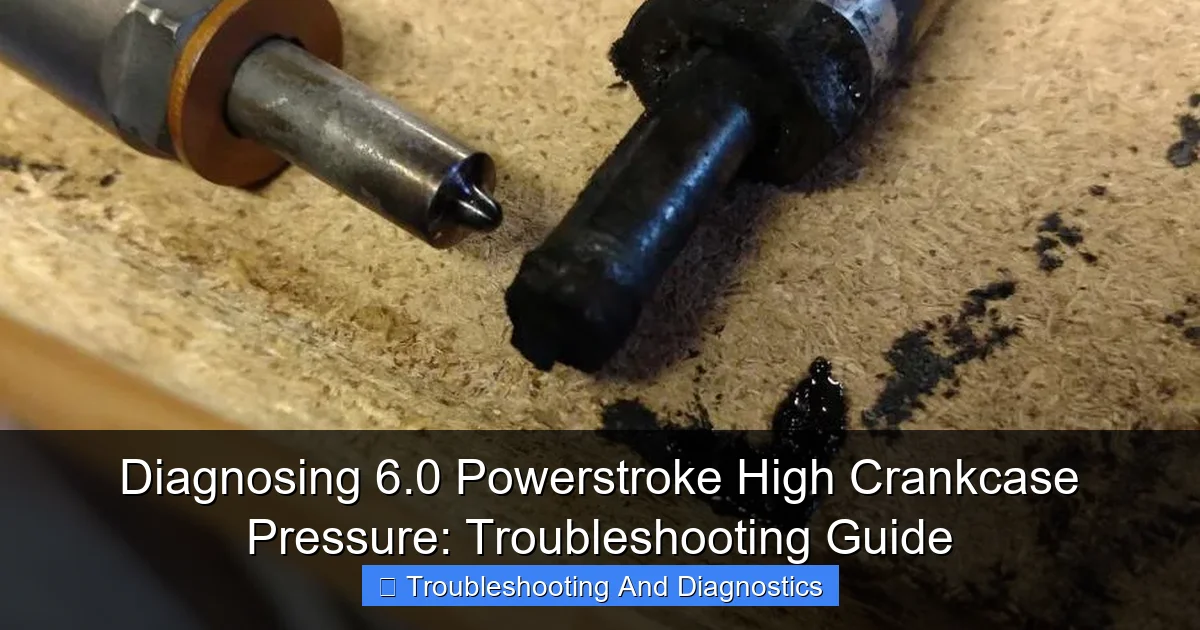
Learn more about Diagnosing 6.0 Powerstroke high crankcase pressure – Diagnosing 6.0 Powerstroke High Crankcase Pressure: Troubleshooting Guide
Image source: aaronsautos.co.uk
The Role of the CCV System
To manage this blow-by, your 6.0 Powerstroke is equipped with a Crankcase Ventilation (CCV) system. This system is designed to vent these gases, along with oil vapors, out of the crankcase and typically route them back into the engine’s air intake to be re-combusted. This not only prevents pressure buildup but also helps reduce emissions. The CCV system on the 6.0 Powerstroke uses a ‘dog house’ style filter housing on top of the valve cover, which contains an oil separator and a pressure regulator valve. When this system becomes clogged or malfunctions, it can no longer effectively relieve pressure, leading to the accumulation of gases and thus, Powerstroke high crankcase pressure.
| Diagnostic Step/Observation | Normal Expectation (6.0L Powerstroke) | Indication of High Crankcase Pressure | Primary Potential Cause(s) |
|---|---|---|---|
| **Crankcase Pressure Test (Gauge)** (Using a manometer/gauge at oil fill or dipstick tube) |
1-3 inches H2O (water) at idle, stable | >3-5 inches H2O, increasing significantly with RPM | Worn piston rings, cylinder wall damage (excessive blow-by) |
| **Oil Fill Cap Observation** (Engine running, cap removed) |
Gentle puffing, cap sits loosely without being blown off | Strong, continuous blast; cap bounces or is forcibly blown off | Significant combustion gas bypass (blow-by) past piston rings |
| **Dipstick Tube Observation** (Engine running, dipstick removed) |
Minimal vapor/smoke, no oil expelled | Significant smoke/vapor, oil forced out of tube, potential oil leaks | Severe blow-by, restricted CCV (Crankcase Ventilation) system |
| **Engine Performance & Other Symptoms** | Consistent power, no excessive smoke, stable idle | Reduced power, excessive oil consumption, blue/grey exhaust smoke, new oil leaks (seals, turbo), rough idle | General engine wear, turbocharger oil seal failure, internal engine damage |
| **CCV System Integrity** (Visual inspection and function) |
Hoses clear, no obstructions, proper flow of gasses to intake | Clogged breather hose, restricted CCV filter/system components, collapsed hoses | Blockage preventing crankcase gasses from escaping, leading to pressure build-up |
Normal vs. High Crankcase Pressure
A healthy 6.0 Powerstroke crankcase pressure should be minimal. While there isn’t a universally exact “normal” value measurable by simple means without specialized tools, the visual “oil cap test” (which we’ll discuss shortly) is a good initial indicator. In a healthy engine, the oil cap might gently ‘dance’ or have a very slight puff of air when removed at idle. Any forceful expulsion of air, significant smoke, or the cap being visibly blown off indicates excessive blow-by 6.0 Powerstroke and warrants further investigation.
Common Symptoms of High Crankcase Pressure
Recognizing the symptoms of high crankcase pressure is the first step in effective diagnosis. Your 6.0 Powerstroke will often communicate its distress through several tell-tale signs, some subtle, others glaringly obvious. Being attentive to these indicators can prevent minor issues from escalating into major repairs.
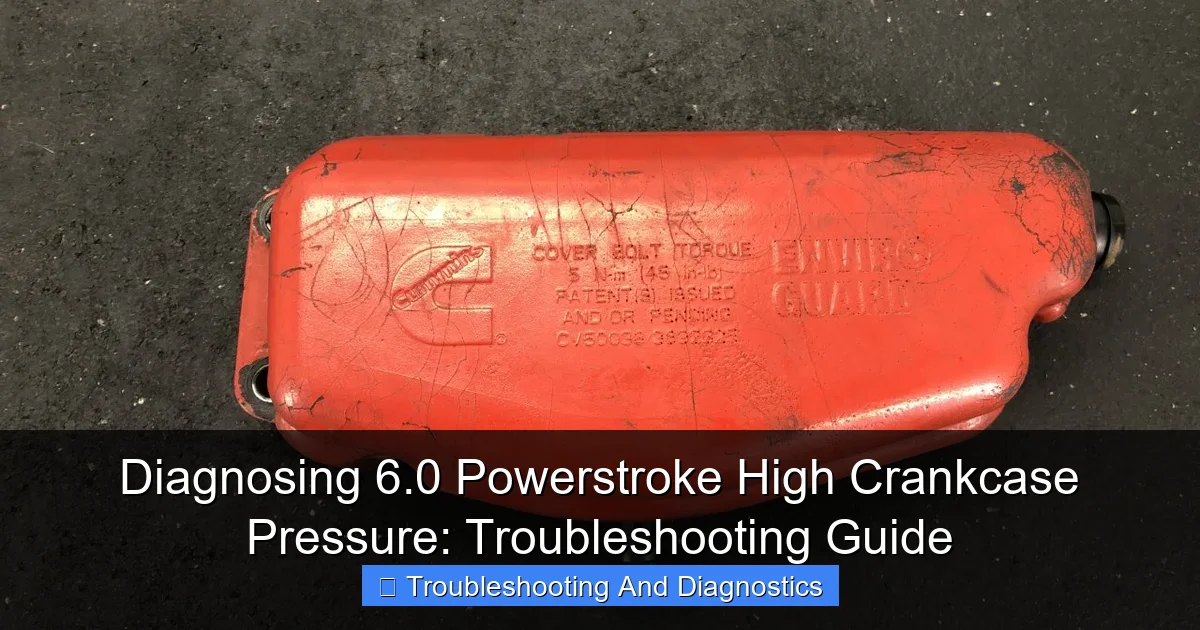
Learn more about Diagnosing 6.0 Powerstroke high crankcase pressure – Diagnosing 6.0 Powerstroke High Crankcase Pressure: Troubleshooting Guide
Image source: pix.vanderhaags.com
Visible Smoke and Oil Leaks
One of the most common and alarming symptoms is excessive smoke, particularly from the oil fill tube when the cap is removed. While a small amount of vapor is normal, thick, persistent smoke suggests significant blow-by 6.0 Powerstroke. Additionally, the increased internal pressure can force oil past seals and gaskets that would otherwise hold, leading to mysterious oil leaks. You might notice oil seeping from the valve covers, turbocharger pedestals, or even the front and rear main seals. These aren’t just cosmetic issues; they indicate pressure buildup that needs addressing.
The Oil Cap Test (“The Blow-By Test”)
Perhaps the most famous, and simplest, diagnostic for 6.0 Powerstroke high crankcase pressure is the “oil cap test.” While not a precise measurement, it provides an excellent qualitative assessment of engine health. Here’s how it works:
- Start your 6.0 Powerstroke and let it reach normal operating temperature.
- With the engine idling, carefully remove the oil fill cap from the valve cover.
- In a healthy engine, the cap might lightly bounce or exhibit a very gentle puff of air, and you might see minor vapor.
- If the cap is forcefully pushed off, flies off, or if a significant amount of white/blue smoke billows out, you likely have excessive blow-by 6.0 Powerstroke, indicating high crankcase pressure.
This test is a foundational step in diagnosing 6.0 Powerstroke crankcase pressure issues.
Reduced Performance and Fuel Economy
Excessive 6.0 Powerstroke high crankcase pressure can also lead to a noticeable drop in engine performance. The blow-by gases can dilute the engine oil, reducing its lubricating properties and increasing wear. Moreover, the increased pressure can interfere with the turbocharger’s operation and overall engine efficiency. You might experience:
- Decreased horsepower and torque.
- Slower acceleration.
- Rougher idle.
- A noticeable decline in fuel economy.
These symptoms, especially when combined with the oil cap test results, strongly point towards an issue needing immediate attention.
Step-by-Step Diagnostic Procedures
While the oil cap test provides a good initial indicator, a more systematic approach is required for accurate diagnosing 6.0 Powerstroke high crankcase pressure. This involves using specialized tools and understanding what the measurements mean.
Performing the Oil Cap Test Properly (Revisited)
As mentioned, the oil cap test is a critical preliminary step. To reiterate for accuracy:
- Ensure the engine is at full operating temperature. Cold engines might show false positives due to condensation.
- Remove the cap slowly. Observe the force.
- Place the cap loosely back over the fill hole (don’t screw it on). A healthy engine should allow it to rest without being forcefully ejected. A cap that dances or is pushed off strongly indicates significant blow-by 6.0 Powerstroke.
- Note the color of any smoke. White smoke can be condensation or coolant, blue smoke points to burning oil, and black smoke suggests rich fuel conditions.
Using a Manometer for Accurate Measurement
For a precise and quantitative measurement of 6.0 Powerstroke crankcase pressure, a manometer is indispensable. This tool measures pressure in inches of water (in. H2O). Here’s how to use it:
- Connect the manometer hose to the oil fill tube. You might need an adapter to ensure a snug fit.
- Ensure all other crankcase vents are unrestricted (e.g., CCV system is functioning).
- Start the engine and let it idle at operating temperature.
- Observe the manometer reading.
What are normal readings? A healthy 6.0 Powerstroke should show readings in the range of 1-3 inches of water (in. H2O) at idle. Some sources suggest up to 5 in. H2O at higher RPMs (e.g., 2000 RPM) might be acceptable, but anything consistently above 4-5 in. H2O at idle is cause for concern. Readings consistently above 6-8 in. H2O are strong indicators of significant engine wear or a clogged CCV system. This quantitative data is crucial for diagnosing 6.0 Powerstroke high crankcase pressure accurately.
Inspecting the CCV System
Before diving into internal engine problems, always check the easier fixes first. The CCV system 6.0 Powerstroke is a common culprit for elevated crankcase pressure. Inspect the following:
- CCV Filter: The filter inside the ‘dog house’ can get clogged with oil sludge and carbon. Remove and inspect it. A severely restricted filter will cause pressure buildup.
- Hoses and Vents: Check all hoses connected to the CCV system for cracks, blockages, or disconnections. Ensure the entire pathway is clear.
- Oil Separator: The internal oil separator mechanism can also become clogged, preventing proper gas and oil separation.
A faulty or clogged CCV system 6.0 Powerstroke is often the simplest fix for high crankcase pressure and should always be your initial point of investigation.
Pinpointing the Root Causes of High Crankcase Pressure
Once you’ve confirmed 6.0 Powerstroke high crankcase pressure and ruled out simple CCV issues, it’s time to investigate the more serious underlying causes. These often involve internal engine components and require more in-depth diagnostic work.
Worn Piston Rings or Cylinders
This is arguably the most common and serious cause of excessive blow-by 6.0 Powerstroke. Over time, piston rings can wear down, lose their tension, or become stuck in their grooves due to carbon buildup. Similarly, cylinder walls can become scored or ovaled. When the rings can no longer create an effective seal against the cylinder walls, combustion gases escape into the crankcase in large volumes, leading to significant Powerstroke high crankcase pressure. This will typically result in very high manometer readings and substantial smoke from the oil fill tube.
Failed Head Gaskets
The 6.0 Powerstroke is notorious for head gasket issues. While often associated with coolant consumption and overheating, a blown head gasket can also contribute to high crankcase pressure. If a breach occurs between a combustion chamber and an oil galley or the crankcase itself, combustion pressure can directly enter the crankcase. This can be harder to diagnose with just blow-by, but if combined with coolant loss, white smoke from the exhaust, or coolant in the oil, it becomes a strong suspect. A compromised head gasket 6.0 Powerstroke often leads to a combination of symptoms.
Issues with the EGR Cooler
While not a direct cause of blow-by, a failed EGR cooler 6.0 Powerstroke can introduce coolant into the intake, which then burns in the cylinders, potentially leading to excessive moisture in the blow-by gases. More directly, a leaking EGR cooler can cause the engine to build pressure in the cooling system, which can then exacerbate or mask other symptoms. It’s often intertwined with other failures on the 6.0, so it’s worth considering as part of a comprehensive diagnostic approach.
Turbocharger Seals
A failing turbocharger, particularly its oil seals, can contribute to both oil consumption and, in some cases, symptoms that mimic high crankcase pressure. If the compressor or turbine seals fail, engine oil can be pushed into the intake or exhaust. While this doesn’t directly increase crankcase pressure, the resulting blue smoke and oil consumption can sometimes be confused with piston ring issues. A thorough inspection of the turbo for oil contamination and shaft play is crucial, especially if you also observe a decrease in boost or unusual turbo noises.
Injector Problems
Failing fuel injectors 6.0 Powerstroke can cause poor combustion, leading to excessive carbon buildup on piston rings and cylinder walls. This carbon buildup can eventually cause the rings to stick, reducing their sealing effectiveness and increasing blow-by. Sticking rings due to faulty injectors create a secondary problem that manifests as high crankcase pressure. A diagnostic check of injector contribution and balance rates with a scan tool can help identify faulty injectors.
Repair and Maintenance Strategies
Once the root cause of 6.0 Powerstroke high crankcase pressure has been identified, it’s time for repair. The approach will vary significantly depending on whether the issue is a simple CCV clog or something more complex like worn piston rings or a blown head gasket.
Addressing Specific Component Failures
- Clogged CCV System: This is often the easiest and least expensive fix. Replace the CCV filter and inspect/clean all hoses. Ensure proper ventilation.
- Worn Piston Rings/Cylinders: This is a major engine overhaul, often requiring disassembly of the engine, cylinder honing, and replacement of pistons and rings. This is a significant repair that often leads to a complete engine rebuild or replacement.
- Failed Head Gaskets: Replacement of the head gaskets is necessary. This is a labor-intensive job that often involves pulling the cab or the engine. It’s also an opportune time to consider upgrading to ARP head studs to prevent future failures.
- EGR Cooler Issues: If the EGR cooler 6.0 Powerstroke is leaking, it needs to be replaced or, in some cases, deleted (check local regulations regarding emissions).
- Turbocharger Seals: The turbocharger will need to be rebuilt or replaced. This can be a costly component, but critical for engine performance.
- Injector Problems: Replace faulty injectors 6.0 Powerstroke. This requires specialized tools and careful installation to prevent further issues.
Regular Maintenance for Prevention
Preventative maintenance is your best defense against high crankcase pressure and other common 6.0 Powerstroke ailments:
- Regular Oil Changes: Use high-quality synthetic diesel engine oil and change it at recommended intervals. Clean oil prevents sludge buildup that can foul piston rings and the CCV system.
- Fuel System Maintenance: Use quality fuel filters and consider using a fuel additive to keep injectors clean and functioning optimally.
- CCV System Inspection: Periodically inspect and clean or replace the CCV filter and hoses. This is a simple step that can prevent significant pressure buildup.
- Monitor Coolant Levels: Keep an eye on your coolant reservoir. Unexplained coolant loss can be an early sign of a head gasket or EGR cooler issue.
- Listen to Your Engine: Pay attention to changes in engine noise, performance, and exhaust smoke. Early detection is key.
Professional Diagnosis vs. DIY
For simple checks like the oil cap test and CCV system inspection, DIY is often feasible. However, for precise manometer readings, compression tests, or deep dives into internal engine components, professional diagnosis is highly recommended. Mechanics with specialized 6.0 Powerstroke experience have the tools, knowledge, and diagnostic software (like Ford’s IDS) to accurately pinpoint the issue without unnecessary disassembly. Attempting complex repairs without proper tools and expertise can lead to more damage and higher costs in the long run.
Advanced Diagnostics and Preventative Measures
For stubborn cases of diagnosing 6.0 Powerstroke high crankcase pressure or when initial tests are inconclusive, advanced diagnostic methods are often employed by professionals. Furthermore, incorporating specific preventative measures can significantly extend the life of your engine and help avoid future recurrence of high crankcase pressure.
Compression and Leak-Down Testing
When severe blow-by is suspected to originate from the cylinders, a compression test and a leak-down test are invaluable. These tests directly assess the integrity of the piston rings, valves, and cylinder head sealing surfaces:
- Compression Test: This measures the maximum pressure each cylinder can build during the compression stroke. Low readings in one or more cylinders can indicate worn rings, damaged valves, or a blown head gasket. While it doesn’t directly measure crankcase pressure, it identifies the source of gas escaping into the crankcase.
- Leak-Down Test: This test is more precise. It involves introducing compressed air into each cylinder at Top Dead Center (TDC) and measuring how much pressure is lost and where it’s escaping from. If you hear air hissing from the oil fill tube, it confirms worn piston rings 6.0 Powerstroke. Air from the exhaust indicates exhaust valve issues, and from the intake suggests intake valve problems. Bubbles in the coolant reservoir point to a faulty head gasket 6.0 Powerstroke. This test is crucial for pinpointing the exact failure point causing blow-by 6.0 Powerstroke.
Oil Analysis and its Insights
A professional oil analysis can provide a wealth of information about the internal health of your 6.0 Powerstroke. Samples are sent to a lab to detect:
- Fuel Dilution: High levels of fuel in the oil can indicate faulty injectors 6.0 Powerstroke or excessive blow-by pushing unburnt fuel past the rings.
- Coolant Contamination: Presence of coolant suggests a leaking head gasket 6.0 Powerstroke or EGR cooler 6.0 Powerstroke.
- Wear Metals: Elevated levels of iron, copper, chromium, or aluminum can indicate excessive wear on bearings, piston rings, or cylinder liners, which are direct contributors to increased 6.0 Powerstroke high crankcase pressure over time.
- Soot Levels: High soot can indicate poor combustion and potential issues with the turbocharger or injectors, leading to carbon buildup.
Regular oil analysis can act as an early warning system, allowing you to catch issues before they manifest as severe Powerstroke high crankcase pressure symptoms.
Long-Term Maintenance for a Healthy 6.0
Beyond the basics, consider these long-term strategies for maintaining a robust 6.0 Powerstroke:
- EGR System Monitoring: Keep an eye on your EGR valve’s function. A sticking or clogged valve can contribute to poor combustion and pressure issues. Regular cleaning or replacement is wise.
- Cooling System Integrity: The 6.0 is sensitive to its cooling system. Ensure your coolant is always fresh, and consider a coolant filter. A well-maintained cooling system reduces the risk of head gasket failure, a major contributor to high crankcase pressure.
- Boost Monitoring: Install a boost gauge to monitor your turbocharger 6.0 Powerstroke‘s performance. Inconsistent boost can sometimes be related to exhaust back pressure issues that can affect crankcase dynamics.
By integrating these advanced diagnostics and preventative measures, you empower yourself to not only resolve existing problems but also proactively safeguard your 6.0 Powerstroke against future bouts of high crankcase pressure.
Diagnosing 6.0 Powerstroke high crankcase pressure can seem daunting, but with a systematic approach and the right tools, it’s a manageable challenge. From simple visual checks like the oil cap test to advanced manometer readings and leak-down tests, each step brings you closer to understanding your engine’s health. Remember, early detection is key to preventing minor issues from escalating into catastrophic failures.
Whether the culprit is a clogged CCV system 6.0 Powerstroke, worn piston rings, or a failed head gasket 6.0 Powerstroke, addressing the issue promptly is vital for the longevity and performance of your truck. By following the actionable tips and insights provided in this guide, you’re not just fixing a problem; you’re investing in the future reliability of your robust 6.0 Powerstroke. Stay proactive, stay informed, and keep that Powerstroke running strong!
🎥 Related Video: 6.0 Ford Power Stroke Injector Diagnostic Trick
📺 Dave’s Auto Center
Frequently Asked Questions
What are the common symptoms of high crankcase pressure in a 6.0 Powerstroke?
High crankcase pressure in a 6.0 Powerstroke often manifests as the oil fill cap “dancing” or blowing off, oil leaks from various gaskets and seals (especially the turbo drain), and excessive smoke or fumes from the oil fill tube. You might also notice reduced engine performance and increased oil consumption.
What are the most frequent causes of high crankcase pressure in a 6.0 Powerstroke engine?
The primary causes of high crankcase pressure in a 6.0 Powerstroke typically include worn piston rings allowing combustion gases to blow past into the crankcase, and failing turbocharger seals. A clogged or faulty Crankcase Ventilation (CCV) system can also prevent proper pressure relief, leading to significant pressure buildup.
How can I accurately test for high crankcase pressure in my 6.0 Powerstroke?
The simplest diagnostic test for high crankcase pressure in a 6.0 Powerstroke is the “glove test,” where a latex glove is placed over the oil fill tube opening while the engine is running. For a more precise measurement, a manometer can be connected to the dipstick tube to quantify the pressure in inches of water (inH2O).
Is it safe to drive my 6.0 Powerstroke if it has high crankcase pressure?
No, it is not advisable to continue driving your 6.0 Powerstroke with high crankcase pressure for an extended period. This condition can lead to premature oil seal and gasket failures, further oil leaks, and potentially damage the turbocharger due to oil backing up. Addressing the issue promptly is crucial to prevent more severe engine problems.
How does the CCV system relate to managing 6.0 Powerstroke crankcase pressure?
The Crankcase Ventilation (CCV) system is designed to vent blow-by gases from the crankcase of your 6.0 Powerstroke, preventing pressure buildup. If the CCV filter or lines become clogged, these gases cannot escape efficiently, directly contributing to high crankcase pressure. Proper functioning of the CCV system is vital for engine health.
What are the potential fixes once I’ve diagnosed high crankcase pressure in my 6.0 Powerstroke?
Once high crankcase pressure is diagnosed in your 6.0 Powerstroke, the fix depends on the root cause. Solutions can range from replacing a clogged CCV filter or addressing turbocharger seal issues, to more extensive repairs like replacing piston rings or performing an engine rebuild if significant blow-by is present. Always accurately identify the source before attempting repairs.