7.3 Powerstroke Engine Fuel Leak Solutions

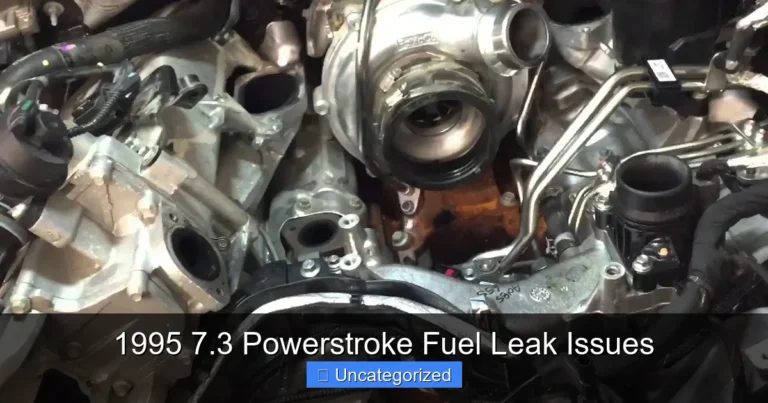
Featured image for this comprehensive guide about 7.3 powerstroke engine fuel leak
Image source: blogger.googleusercontent.com
7.3 Powerstroke Engine Fuel Leak Solutions
The 7.3 Powerstroke engine is legendary – a workhorse renowned for its reliability and durability. For countless Ford truck owners, it’s more than just an engine; it’s a way of life, powering everything from daily commutes to heavy-duty towing. However, even legends have their quirks, and as these magnificent machines gracefully age, certain issues can arise. One of the most frustrating and potentially problematic is a 7.3 Powerstroke engine fuel leak. It’s not just about the mess; a fuel leak can impact performance, fuel efficiency, and even pose a safety hazard.
If you’ve noticed that tell-tale smell of diesel, a new puddle under your truck, or unexplained drops in fuel pressure, you’re likely grappling with a Powerstroke fuel leak. Don’t despair! This comprehensive guide is designed to equip you with the knowledge and actionable steps needed to identify, diagnose, and resolve a fuel leak 7.3. We’ll delve into the most common sources of these leaks, walk you through diagnostic procedures, and offer practical solutions to get your beloved 7.3 Powerstroke back to peak condition, leak-free and roaring down the road.
Quick Answers to Common Questions
Where are the most common spots for a 7.3 Powerstroke engine fuel leak?
You’ll often find a 7.3 Powerstroke engine fuel leak around the fuel filter housing, the fuel lines leading to the injectors, or the O-rings within the fuel bowl and return lines. These are prime suspects for sure!
Is it safe to drive my truck with a 7.3 Powerstroke engine fuel leak?
Absolutely not! A 7.3 Powerstroke engine fuel leak is a significant fire hazard and can also lead to engine performance issues or stalling. Get it checked out immediately for your safety.
How can I tell if I have a 7.3 Powerstroke engine fuel leak?
Look for the distinct smell of diesel, visible puddles or wet spots under the engine compartment, and sometimes even a noticeable drop in your fuel economy. These are all common indicators of a 7.3 Powerstroke engine fuel leak.
What’s usually involved in fixing a 7.3 Powerstroke engine fuel leak?
Often, fixing a 7.3 Powerstroke engine fuel leak involves replacing worn-out O-rings, cracked fuel lines, or addressing issues with the fuel filter housing’s seals. It’s typically about identifying and swapping out the faulty component.
Can a DIYer fix a 7.3 Powerstroke engine fuel leak, or is it a job for a pro?
Many common 7.3 Powerstroke engine fuel leak issues, like replacing fuel bowl O-rings, can be tackled by a skilled DIYer. However, if you’re unsure or the leak source isn’t obvious, consulting a professional mechanic is always your safest bet.
📋 Table of Contents
- Understanding the 7.3 Powerstroke Fuel System Architecture
- Common Culprits: Where Your 7.3 Powerstroke Fuel Leak is Hiding
- Symptoms and Diagnostic Steps for a 7.3 Powerstroke Fuel Leak
- Fixing the Fuel Leak: DIY vs. Professional Repair
- Preventative Maintenance to Avoid Future Fuel Leaks
- Cost and Complexity: A Quick Reference for 7.3 Powerstroke Fuel Leaks
- Conclusion: Keep Your 7.3 Powerstroke Running Strong
Understanding the 7.3 Powerstroke Fuel System Architecture
Before we dive into troubleshooting, it’s helpful to have a basic understanding of how your 7.3 Powerstroke engine’s fuel system operates. This knowledge will empower you to pinpoint potential leak sources more effectively. The 7.3 Powerstroke utilizes a HEUI (Hydraulically Actuated Electronically Controlled Unit Injector) system, meaning high-pressure engine oil is used to actuate the fuel injectors, which then deliver fuel directly into the cylinders.

Learn more about 7.3 powerstroke engine fuel leak – 7.3 Powerstroke Engine Fuel Leak Solutions
Image source: freepnglogos.com
The fuel journey begins in the fuel tank, where the electric fuel pump (usually frame-mounted or in-tank on later models) draws diesel. This fuel is then pushed through a series of lines to the fuel filter housing (often referred to as the “fuel bowl”) located on top of the engine. Here, it’s filtered to protect the precision components of the injection system. From the fuel bowl, fuel is directed to the cylinder heads, supplying the injectors. A fuel pressure regulator (FPR) ensures the correct fuel pressure is maintained within the heads. Any excess fuel is returned to the tank. Understanding this flow helps in tracing the path of a 7.3 Powerstroke fuel leak.
| Leak Component | Primary Symptoms | Typical Repair | Estimated Parts Cost |
|---|---|---|---|
| Fuel Bowl Drain Valve | Drips under engine, strong diesel smell, wet fuel bowl | Replace valve or drain stem O-rings | $15 – $60 |
| Injector O-rings (Internal) | Fuel in oil, rough idle, hard starting, exhaust smoke | Remove valve covers, replace injector O-rings | $40 – $100 (per set) |
| Fuel Filter Housing Gasket | Visible fuel leak around filter housing, air intrusion | Replace housing gasket or entire housing | $10 – $40 |
| Fuel Supply/Return Lines | Visible wetness on lines, strong fuel smell, air in fuel | Replace affected fuel line segment or fitting | $30 – $150 (per line) |
| Lift Pump (Mechanical) | Fuel drip/puddle under pump, loss of fuel prime | Replace mechanical lift pump or its gasket/seals | $60 – $200 |
Common Culprits: Where Your 7.3 Powerstroke Fuel Leak is Hiding
When tackling a 7.3 Powerstroke engine fuel leak, knowing the usual suspects is half the battle. These engines, despite their robustness, have a few well-known weak points where fuel can escape. Let’s explore the most common areas:

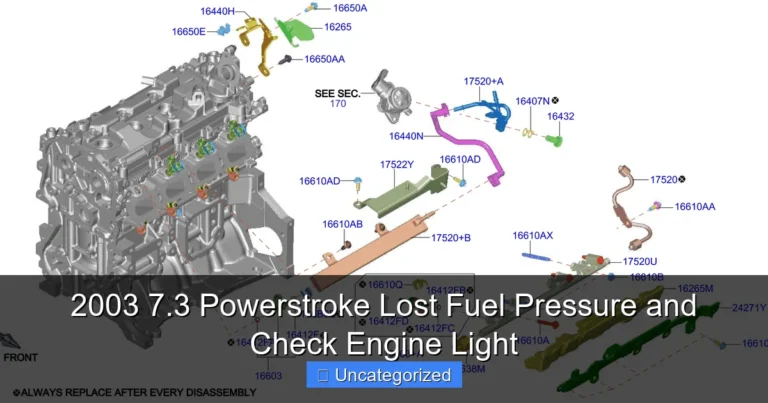
Learn more about 7.3 powerstroke engine fuel leak – 7.3 Powerstroke Engine Fuel Leak Solutions
Image source: nli-research.co.jp
Injector O-rings and Copper Washers
This is arguably the most common source of a 7.3 Powerstroke fuel leak, particularly if you’re experiencing hard starting, rough idle, or a milky oil appearance in addition to the fuel smell. Each injector has a set of O-rings (typically two per injector: an upper and a lower) and a copper washer at the tip. These seals are critical for preventing fuel and oil from mixing or leaking externally.
- Symptoms: External fuel leaks around the valve covers, fuel in the oil (leading to oil dilution and a higher oil level), rough running, white smoke on startup, and sometimes difficulty starting hot.
- Why they leak: Over time, the heat and pressure cycles, combined with the chemical attack from diesel and oil, cause these O-rings to harden, shrink, and lose their sealing ability. Copper washers can also deform or pit.
- Repair: Replacing 7.3 Powerstroke injector O-rings and copper washers involves removing the valve covers and potentially the injectors themselves. It’s a labor-intensive but often necessary repair for internal and external fuel leaks.
Fuel Filter Housing (Fuel Bowl)
The fuel filter housing, commonly called the “fuel bowl,” is a notorious leak point for many 7.3 Powerstroke owners. It sits prominently on top of the engine, making any fuel bowl leak 7.3 relatively easy to spot if you know where to look.
- Symptoms: Visible fuel puddling on top of the engine, dripping down the back or sides, a strong diesel smell, and potentially air entering the fuel system leading to hard starts or stalling.
- Common Leak Points within the Fuel Bowl:
- Drain Valve: The yellow drain valve at the bottom of the fuel bowl is a plastic component that can become brittle, crack, or have its O-rings fail.
- Heater Element O-rings: The electrical heater element, designed to warm fuel in cold weather, uses O-rings that can degrade.
- Fuel Lines: The banjo bolts and quick-disconnect fittings where fuel lines attach to the bowl can develop leaks.
- Housing Cracks: Less common, but the plastic housing itself can crack due to age or overtightening.
- Repair: Often involves replacing the entire drain valve assembly, the heater element O-rings, or specific seals. Many aftermarket kits exist to address a fuel filter housing leak 7.3.
Fuel Pressure Regulator (FPR)
The fuel pressure regulator (FPR) is located on the back of the fuel filter housing on most 7.3 Powerstroke models. Its job is to maintain consistent fuel pressure for the injectors. If the seals within the FPR fail, it can lead to a fuel pressure regulator leak 7.3.
- Symptoms: Fuel leak near the rear of the fuel bowl, often dripping onto the bellhousing or transmission, strong diesel smell. Sometimes, if the leak is severe, it can cause low fuel pressure, leading to poor performance.
- Repair: Typically involves replacing the O-rings within the FPR or, if the body is damaged, replacing the entire FPR assembly.
Fuel Lines and Hoses
The entire network of fuel lines 7.3 Powerstroke, both hard lines and rubber hoses, is susceptible to leaks over time. These include lines running from the tank, to the fuel pump, to the fuel bowl, and finally to the cylinder heads.
- Symptoms: Visible fuel drips or streams along the frame, under the truck, or anywhere the fuel lines run. The severity can range from a slow weep to a significant gush, depending on the damage.
- Why they leak: Abrasion from rubbing against other components, corrosion (especially hard lines exposed to road salt), hardening and cracking of rubber hoses due to heat and age, or loose/damaged fittings (like banjo bolts or quick-disconnects).
- Repair: Replacing the damaged section of line or hose. Ensure you use diesel-rated fuel hose and proper fittings for a durable repair.
Fuel Pump
The electric fuel pump, whether frame-mounted or in-tank, can also be a source of a 7.3 Powerstroke engine fuel leak. Leaks can occur from the pump housing itself or its connections.
- Symptoms: Fuel dripping from the underside of the truck near the fuel pump’s location, typically along the frame rail or directly beneath the tank.
- Why it leaks: Gasket failure, cracks in the pump housing (less common), or loose/damaged fittings where lines connect.
- Repair: Replacing the fuel pump or its associated gaskets/fittings.
Tank Sending Unit
While less common, the fuel tank sending unit, located within the fuel tank, can develop leaks around its gasket or connections at the top of the tank.
- Symptoms: Fuel smell and visible wetness on top of the fuel tank, often difficult to see without dropping the tank or lowering it partially.
- Why it leaks: Degraded rubber gasket, loose locking ring, or cracked plastic components.
- Repair: Replacing the sending unit gasket or the entire sending unit.
Symptoms and Diagnostic Steps for a 7.3 Powerstroke Fuel Leak
Identifying that you have a Powerstroke fuel leak is often the easy part; the smell of diesel is unmistakable. Pinpointing the exact source, however, requires a systematic approach. Here’s how to diagnose a 7.3 Powerstroke engine fuel leak:
Visual Inspection: The First Line of Defense
A thorough visual inspection is your best initial diagnostic tool. Work methodically from top to bottom, front to back.
- Engine Compartment:
- Start by looking at the top of the engine, particularly around the fuel filter housing (fuel bowl) and the fuel pressure regulator. Look for wet spots, puddles, or residue.
- Inspect around the valve covers for signs of fuel, which could indicate leaking injector O-rings 7.3.
- Check all visible fuel lines and connections for dampness or drips.
- Under the Truck:
- Raise the truck safely on jack stands or a lift.
- Follow the fuel lines from the engine all the way back to the fuel tank.
- Inspect the fuel pump and its connections.
- Check the top of the fuel tank around the sending unit.
- Look for any signs of wetness or staining on the frame rails, transmission bellhousing, or exhaust components.
Pro Tip: Clean the engine and affected areas thoroughly before inspection. This makes fresh leaks much easier to spot. A can of brake cleaner or a good degreaser can be invaluable here.
Pressure Testing (Optional but Recommended)
For elusive leaks, pressure testing the fuel system can be very effective. This involves applying a controlled amount of pressure to the fuel system and observing for drops in pressure or visible leaks.
- How it works: A specialized gauge and pump can be connected to the fuel system (often at the fuel bowl test port). The system is pressurized, and then you monitor the gauge for a pressure drop and visually inspect for leaks.
- Safety Note: Fuel pressure can be high. Exercise extreme caution or have a professional perform this test. Diesel fuel is flammable and under pressure can cause serious injury.
UV Dye Test: For Stubborn Leaks
If a visual inspection isn’t yielding results, a UV dye test can be a game-changer. This involves adding a fluorescent dye to your diesel fuel.
- Add Dye: Pour the specified amount of UV dye into your fuel tank.
- Drive: Drive the truck for a day or two to allow the dye to circulate throughout the fuel system and reach the leak point.
- Inspect with UV Light: Using a UV (blacklight) flashlight and yellow-tinted safety glasses, inspect all potential leak areas. The dye will glow brightly under UV light, making even tiny leaks evident.
This method is highly effective for pinpointing small, slow leaks that might not leave a visible puddle initially.
Fixing the Fuel Leak: DIY vs. Professional Repair
Once you’ve identified the source of your 7.3 Powerstroke fuel leak, the next step is to fix it. The decision to DIY or seek professional help often comes down to your mechanical skill, available tools, and the complexity of the leak.
DIY Considerations:
- Ease of Access: Leaks from the fuel bowl drain valve, heater element O-rings, or easily accessible fuel lines are often good candidates for DIY repair.
- Tools Required: Basic hand tools, sockets, wrenches, and potentially specialized O-ring picks are usually sufficient for minor repairs.
- Time Commitment: Even “simple” repairs can take several hours, especially if it’s your first time.
- Cost Savings: DIY repairs can save significantly on labor costs. For example, replacing O-rings on the fuel filter housing leak 7.3 is much cheaper than having a shop do it.
When to Call a Professional:
- Injector O-rings: While technically a DIY job for experienced mechanics, replacing 7.3 Powerstroke injector O-rings requires removing valve covers, rocker arms, and potentially the injectors themselves. This is a more involved process and often requires specialized tools and torque specifications, making it a common job for professional shops.
- Internal Leaks: If you suspect fuel in the oil or other internal engine leaks, professional diagnosis is highly recommended to prevent further engine damage.
- Complex Fuel Line Issues: If a hard fuel line is corroded and needs replacement, or if the leak is in a hard-to-reach spot like the top of the fuel tank, a professional may be better equipped.
- Lack of Confidence/Time: If you’re not comfortable working with fuel systems or lack the time, a certified diesel mechanic will ensure the job is done correctly and safely.
Repair Tips for Common Leaks:
Regardless of who does the work, here are some actionable tips for common 7.3 Powerstroke fuel leak repairs:
- Always Use Diesel-Rated Components: When replacing hoses or seals, ensure they are specifically designed for diesel fuel, which has different chemical properties than gasoline.
- Lubricate O-rings: Always lubricate new O-rings with a thin film of clean diesel or appropriate O-ring lubricant before installation to prevent tearing and aid in seating.
- Torque Specs: If working on injectors or fuel line fittings, always adhere to factory torque specifications. Overtightening can cause damage, and undertightening will result in leaks.
- Cleanliness is Key: When working on any part of the fuel system, especially around injectors, maintain scrupulous cleanliness to prevent dirt or debris from entering the system.
- Inspect Adjacent Components: If you’re fixing one leak, take the opportunity to inspect nearby hoses, clamps, and seals for signs of wear. Proactive replacement can save you headaches later.
Preventative Maintenance to Avoid Future Fuel Leaks
An ounce of prevention is worth a pound of cure, especially with a 7.3 Powerstroke engine fuel leak. Regular maintenance and proactive checks can significantly reduce your chances of experiencing these issues. Here’s how to keep your fuel system healthy:
- Regular Fuel Filter Changes: Follow your manufacturer’s recommended intervals for changing your fuel filter. A clean filter ensures proper fuel flow and reduces strain on other fuel system components.
- Inspect Fuel Lines Periodically: During oil changes or other routine maintenance, take a few extra minutes to visually inspect all accessible fuel lines and hoses for cracks, chafing, or corrosion. Pay special attention to bends and connection points.
- Check O-rings and Seals: Whenever you access components like the fuel bowl or valve covers, visually inspect the surrounding O-rings and seals. If they look brittle, flat, or cracked, consider replacing them proactively.
- Use Quality Fuel: High-quality, clean diesel fuel reduces contaminants that can accelerate wear on fuel system components and seals.
- Avoid “Band-Aid” Fixes: While temporary patches might get you home, always perform a proper, lasting repair. Don’t rely on sealants or tapes for fuel lines, as they are rarely effective long-term and can be dangerous.
Cost and Complexity: A Quick Reference for 7.3 Powerstroke Fuel Leaks
Understanding the potential cost and complexity can help you budget and plan for repairs. Note that these are generalized estimates and can vary widely based on parts cost, labor rates, and your location.
| Leak Source | Common Symptoms | Estimated DIY Parts Cost (USD) | Estimated Professional Repair Cost (USD) | DIY Difficulty |
|---|---|---|---|---|
| Injector O-rings | Fuel in oil, external leak near valve covers, rough idle, white smoke | $100 – $300 (full set) | $800 – $2000+ | Medium to High |
| Fuel Bowl Drain Valve / Heater O-rings | Fuel on top of engine, strong diesel smell, drips | $20 – $100 | $150 – $400 | Low to Medium |
| Fuel Pressure Regulator (FPR) O-rings | Fuel leak at rear of fuel bowl, drips on transmission | $15 – $50 (O-ring kit) | $100 – $350 | Low to Medium |
| Rubber Fuel Lines/Hoses | Visible leaks along frame, strong diesel smell | $10 – $50 (per section) | $100 – $500+ (depending on location/length) | Low to Medium |
| Electric Fuel Pump | Fuel dripping under truck near pump location | $150 – $400 | $300 – $700 | Medium |
| Tank Sending Unit Gasket | Fuel smell/wetness on top of fuel tank | $10 – $30 | $200 – $600 (due to tank dropping labor) | Medium to High |
*Costs are estimates and do not include potential diagnostic fees. Always get a detailed quote from your mechanic.
Conclusion: Keep Your 7.3 Powerstroke Running Strong
A 7.3 Powerstroke engine fuel leak, while certainly a nuisance, is a common and usually repairable issue. By understanding your fuel system, knowing the common leak points, and approaching diagnosis systematically, you can effectively identify the problem. Whether you choose to tackle the repair yourself or enlist the help of a trusted professional, addressing a Powerstroke fuel leak promptly is crucial for maintaining your truck’s performance, safety, and longevity.
Don’t let a little drip turn into a major problem. Embrace the journey of maintaining your classic workhorse. With a bit of patience and the right information, you can ensure your 7.3 Powerstroke continues to be the reliable, diesel-powered legend you depend on for many more miles and years to come. Happy wrenching!
Frequently Asked Questions
Where are the most common places a 7.3 Powerstroke engine fuel leak occurs?
The most frequent culprits for a 7.3 Powerstroke engine fuel leak include the fuel lines, fuel filter housing, injector O-rings, and the fuel pressure regulator. You might also find leaks around the fuel bowl drain valve or the quick-connect fittings.
How can I tell if my 7.3 Powerstroke has a fuel leak?
Common signs of a 7.3 Powerstroke engine fuel leak include a strong smell of diesel, visible fuel puddles under the truck, or a drop in fuel economy. You might also notice rough idling, extended cranking, or a decrease in engine performance due to air entering the fuel system.
Is a 7.3 Powerstroke engine fuel leak dangerous, and should I stop driving immediately?
A 7.3 Powerstroke engine fuel leak can be dangerous due to the risk of fire, especially if fuel drips onto hot exhaust components. It’s highly recommended to address any fuel leak promptly to prevent potential hazards and avoid further damage to your engine or its components.
Can I fix a 7.3 Powerstroke fuel leak myself, or should I take it to a mechanic?
Many common 7.3 Powerstroke fuel leaks, such as those from the fuel filter housing or quick-connect fittings, can be fixed by an experienced DIYer with the right tools and a service manual. However, leaks involving injectors or the fuel pressure regulator might be best handled by a professional mechanic, especially if you’re uncomfortable working with high-pressure fuel systems.
What tools and parts are typically needed to repair a 7.3 Powerstroke fuel leak?
Depending on the location of the fuel leak, you might need basic hand tools like wrenches, sockets, and screwdrivers, along with specific seals, O-rings, or replacement fuel lines. For injector-related leaks, a specialized injector puller and new injector O-rings and copper washers would be essential.
What maintenance can I perform to prevent a 7.3 Powerstroke engine fuel leak?
Regular inspection of fuel lines, fittings, and the fuel filter housing for cracks or wear is crucial for preventing a 7.3 Powerstroke engine fuel leak. Replacing fuel filter O-rings and checking the condition of injector O-rings during other maintenance can also help extend their lifespan and prevent future leaks.