6.0 Powerstroke Intake Manifold Specifications: Enhancing Engine Efficiency

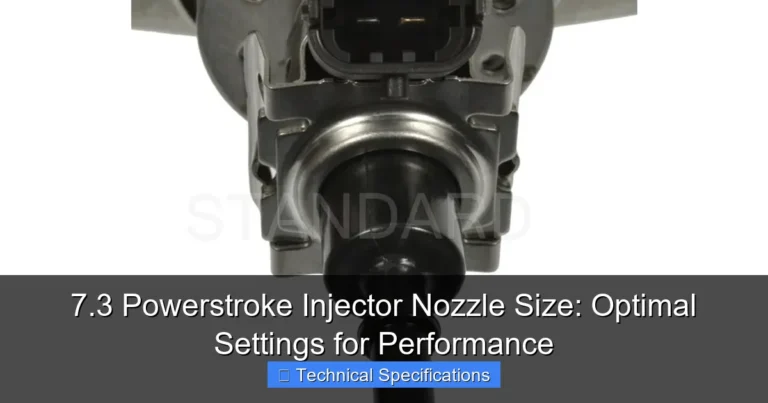
Featured image for this comprehensive guide about 6.0 Powerstroke intake manifold specifications
The venerable 6.0 Powerstroke engine, a powerhouse known for its impressive torque and capability, has a reputation that often precedes it. While celebrated by many for its raw strength, it also comes with its share of intricacies, making understanding each component crucial for optimal performance and longevity. One such vital, yet often overlooked, component is the intake manifold. Far more than just a metal pipe, it’s a sophisticated piece of engineering that profoundly impacts your engine’s breathing and, by extension, its overall efficiency and power output.
For any 6.0 Powerstroke owner, whether you’re a seasoned diesel mechanic, a performance enthusiast, or simply someone looking to keep their truck running smoothly, delving into the 6.0 Powerstroke intake manifold specifications is an essential journey. This component is the gateway for air entering your engine’s combustion chambers, directly influencing everything from throttle response to fuel economy. A well-designed and properly functioning intake manifold ensures that each cylinder receives the right amount of cool, dense air, leading to a more complete and powerful combustion cycle.
In this comprehensive guide, we’ll peel back the layers to reveal the critical role of the 6.0 Powerstroke intake manifold. We’ll explore its factory specifications, delve into common issues that can plague this component, and most importantly, discuss how understanding and potentially upgrading your intake manifold can unlock significant improvements in your engine’s efficiency, reliability, and horsepower. Prepare to gain insights that will empower you to make informed decisions for your beloved Powerstroke.
Quick Answers to Common Questions
Why should I consider upgrading my 6.0 Powerstroke intake manifold?
Upgrading your 6.0 Powerstroke intake manifold is a fantastic way to boost your engine’s performance, as it significantly improves airflow to the cylinders. This leads to better throttle response, increased horsepower, and enhanced efficiency.
What are some common limitations of the stock 6.0 Powerstroke intake manifold?
The factory 6.0 Powerstroke intake manifold can sometimes be quite restrictive, limiting air velocity and distribution to your engine’s cylinders. This often hinders optimal combustion and overall performance, especially in modified trucks.
How does an aftermarket 6.0 Powerstroke intake manifold improve performance?
Aftermarket 6.0 Powerstroke intake manifold designs typically feature larger, smoother runners and an optimized plenum volume, ensuring a more consistent and higher volume of air reaches each cylinder. This translates directly to more power and torque.
What key specifications should I look for in a new 6.0 Powerstroke intake manifold?
When shopping for a 6.0 Powerstroke intake manifold, look for specifications like high-flow runner design, durable construction (often cast aluminum), and compatibility with other performance components. Ensure it provides even air distribution across all cylinders for balanced performance.
Is replacing the 6.0 Powerstroke intake manifold a difficult DIY task?
While some mechanically inclined individuals might tackle it, replacing the 6.0 Powerstroke intake manifold can be complex, involving numerous components and specific torque settings. For optimal results and to avoid potential issues, professional installation is often recommended.
📋 Table of Contents
- Understanding the 6.0 Powerstroke Intake Manifold’s Crucial Role
- Key Specifications of the Stock 6.0 Powerstroke Intake Manifold
- Common Issues and Failure Points with the Stock Manifold
- The Benefits of Upgrading Your 6.0 Powerstroke Intake Manifold
- Aftermarket 6.0 Powerstroke Intake Manifold Specifications and Considerations
- Installation Tips and Maintenance for Optimal Performance
- Conclusion: Unlocking Your 6.0 Powerstroke’s Full Potential
Understanding the 6.0 Powerstroke Intake Manifold’s Crucial Role
At its core, an intake manifold’s primary function is to distribute air evenly from the throttle body to each of the engine’s cylinders. In a turbocharged diesel like the 6.0 Powerstroke, this air is highly pressurized and often heated by the turbocharger. The manifold must efficiently channel this air, ensuring that each cylinder receives a consistent charge to promote balanced combustion. This uniformity is paramount for smooth engine operation, optimal power delivery, and reduced emissions.
For the 6.0 Powerstroke, the intake manifold is also intimately linked with the Engine Gas Recirculation (EGR) system. Exhaust gases are routed back into the intake manifold to reduce NOx emissions, and the design of the manifold plays a significant role in how effectively this process occurs without causing detrimental effects like soot buildup. Moreover, the manifold’s design influences air velocity and pressure within the runners, which directly impacts cylinder filling and, consequently, engine torque across different RPM ranges. Any restriction or inefficiency in the intake manifold directly translates to a loss in horsepower and a decrease in fuel efficiency, making the study of 6.0 Powerstroke intake manifold specifications highly relevant.
| Specification | OEM (Stock) Characteristics | Aftermarket Performance Considerations |
|---|---|---|
| Material | Cast Aluminum | Billet Aluminum, improved cast designs for increased strength and heat dissipation. |
| Gasket Type | Integrated rubber/silicone seals (O-rings) | High-temperature, reusable gaskets, or improved O-ring designs for better sealing. |
| Port Design & Flow | Adequate but often restrictive; prone to carbon buildup from EGR. | Optimized runner geometry, larger plenum volume, improved airflow, less prone to coking. |
| EGR Cooler Integration | Internally routed; common point of failure (cracking, clogging) due to heat and pressure. | Often designed for EGR delete, or with improved, standalone EGR cooler compatibility. |
| Typical Torque Specification | ~18 ft-lbs (24 Nm) for mounting bolts. | Generally similar to OEM, but always refer to the specific aftermarket manufacturer’s specifications. |
Consider the intake manifold as the lungs of your engine. Just as healthy lungs are vital for a person’s well-being, an unhindered and efficient intake manifold is crucial for the optimal health and performance of your 6.0 Powerstroke. Its internal geometry, material composition, and sealing capabilities all contribute to the engine’s ability to breathe freely and perform at its best.
Key Specifications of the Stock 6.0 Powerstroke Intake Manifold
The factory 6.0 Powerstroke intake manifold is a complex, two-piece cast aluminum design. This split-design allows for easier integration with the EGR cooler and provides access for internal cleaning, though it also introduces more potential leak points. Let’s break down some of its key specifications and design characteristics:
- Material: Typically cast aluminum, chosen for its lightweight properties and reasonable heat dissipation capabilities.
- Design: The stock manifold features a two-piece design, often referred to as the “upper” and “lower” intake manifolds. The upper manifold integrates the intake air heater and connects to the intercooler piping, while the lower manifold connects directly to the cylinder heads. This design facilitates the routing of exhaust gases from the EGR cooler into the intake stream.
- EGR Integration: The manifold is designed to work in conjunction with the EGR cooler, which sits atop the engine and connects directly to the intake manifold, channeling cooled exhaust gases into the intake air stream.
- Internal Passages: Features internal runners or plenums that distribute air to the individual cylinder ports. The design aims for even distribution but can sometimes be a source of restriction or uneven flow, particularly in highly modified engines.
- Gasketing: Utilizes specific gaskets, often made of a composite material, to seal the two manifold halves and to seal the manifold to the cylinder heads. The integrity of these gaskets is crucial for preventing vacuum leaks and maintaining boost pressure.
- Sensor Integration: Houses ports for various sensors, including the Manifold Absolute Pressure (MAP) sensor, which monitors boost pressure, and potentially temperature sensors.
While the stock 6.0 Powerstroke intake manifold specifications were adequate for meeting factory performance and emissions standards, its design has certain inherent limitations, especially when subjected to the demands of higher mileage, elevated boost pressures, or the notorious failures of related components. Understanding these factory specifics is the first step towards identifying potential weaknesses and considering necessary upgrades for enhancing your engine’s efficiency.
The Two-Piece Design: Pros and Cons
- Pros:
- Facilitates easier assembly and disassembly during engine manufacturing and servicing.
- Allows for internal inspection and cleaning of the manifold passages, although often still a challenging task.
- Accommodates the intricate routing required for the EGR system.
- Cons:
- More potential leak points due to additional gaskets between the two halves.
- Internal flow can be less optimized than a single-piece design, potentially causing turbulence and uneven air distribution.
- Can be more prone to issues related to thermal expansion and contraction over time, leading to gasket wear or warpage.
Common Issues and Failure Points with the Stock Manifold
Despite its initial design intent, the stock 6.0 Powerstroke intake manifold is not immune to problems. Several common issues can arise, significantly impacting engine performance and reliability. Understanding these failure points is critical for proactive maintenance and recognizing when an upgrade might be necessary.
- EGR Cooler Failure and Soot Buildup: This is arguably the most notorious problem. When the EGR cooler fails (often cracking internally), coolant can leak into the exhaust gas stream and then enter the intake manifold. This mixes with soot and oil vapor, creating a thick, sticky sludge that clogs the manifold passages and the intake ports on the cylinder heads. This restriction severely chokes the engine, leading to reduced power, poor fuel economy, and increased exhaust gas temperatures.
- Oil Contamination: The Crankcase Ventilation (CCV) system on the 6.0 Powerstroke routes oil vapor back into the intake for emissions control. Over time, this oil vapor condenses and mixes with soot (especially if the EGR system is active), contributing to the same problematic sludge that restricts airflow within the manifold and EGR valve.
- Intake Gasket Leaks: The multiple sealing surfaces (between the two manifold halves, and between the manifold and cylinder heads) are points of potential failure. Over time, heat cycles, vibrations, and general wear can cause these gaskets to degrade, leading to boost leaks or vacuum leaks. A boost leak will result in reduced power, increased turbo lag, and higher EGTs, while a vacuum leak can cause erratic idle and poor engine performance.
- Casting Flaws/Cracking: Although less common, the cast aluminum manifold can, under extreme stress or poor casting conditions, develop cracks. These cracks can lead to boost leaks or, in severe cases, allow external contaminants to enter the intake system.
- Internal Airflow Restrictions: The factory design, while adequate, may not provide optimal airflow distribution, especially for engines running increased boost or those that have been modified for higher horsepower. Internal bends and changes in cross-section can create turbulence and limit the amount of air that can efficiently reach the cylinders, hindering performance.
These issues highlight why many 6.0 Powerstroke owners eventually look beyond the factory 6.0 Powerstroke intake manifold specifications for aftermarket solutions. Addressing these common problems is crucial for anyone striving to maintain or improve their engine’s long-term health and performance.
The Benefits of Upgrading Your 6.0 Powerstroke Intake Manifold
Given the challenges associated with the stock unit, upgrading your 6.0 Powerstroke intake manifold can yield significant benefits. An aftermarket manifold isn’t just a shiny part; it’s a performance-enhancing component designed to overcome the inherent limitations of the factory setup. Here are some of the key advantages:
- Improved Airflow and Distribution: Aftermarket manifolds are often designed with smoother, larger, and more direct internal passages. This reduces turbulence and ensures a more even distribution of air to all cylinders. The result is better cylinder filling, leading to more consistent combustion, increased horsepower, and improved torque across the RPM range.
- Enhanced Durability and Reliability: Many aftermarket manifolds are constructed from stronger materials, such as thicker cast aluminum or even billet aluminum, and often feature a more robust, single-piece design. This eliminates potential leak points present in the two-piece factory manifold, reducing the risk of boost leaks and improving overall longevity.
- Reduced Soot and Oil Buildup: Performance manifolds often integrate design features that minimize areas where soot and oil vapor can accumulate. Some are designed specifically for use with EGR delete kits, which, by removing exhaust gases from the intake, dramatically reduces soot buildup. Even without an EGR delete, a smoother internal surface helps to reduce carbon deposits.
- Lower Intake Air Temperatures: While not all aftermarket manifolds significantly impact temperature, some designs optimize heat dissipation or feature improved insulation, contributing to cooler, denser air reaching the cylinders. Denser air translates directly to more power.
- Aesthetic Appeal: Let’s be honest, a well-designed aftermarket intake manifold can significantly improve the under-hood appearance of your 6.0 Powerstroke. Many are available in various finishes, adding a custom, high-performance look.
- Ease of Maintenance and Cleaning: Certain aftermarket designs simplify access for cleaning or maintenance, making it less of a chore to keep your intake system pristine, particularly if you’ve opted for an EGR delete.
Investing in an aftermarket intake manifold is not merely about gaining a few extra horsepower; it’s about addressing fundamental design limitations of the stock component, enhancing the overall reliability, and future-proofing your 6.0 Powerstroke engine. It’s a key step in optimizing your engine’s breathing for sustained high performance and efficiency.
Aftermarket 6.0 Powerstroke Intake Manifold Specifications and Considerations
When considering an upgrade, the world of aftermarket 6.0 Powerstroke intake manifold specifications offers a variety of choices, each with its own design philosophy and performance characteristics. Understanding these differences is crucial for selecting the right manifold for your specific needs and budget.
Key Aftermarket Manifold Specifications and Features:
- Material:
- Cast Aluminum: Similar to stock but often with thicker walls and improved internal geometry. Good balance of strength, weight, and cost.
- Billet Aluminum: Machined from a solid block of aluminum. Extremely strong, precise, and offers superior airflow characteristics due to perfectly smooth and consistent runners. Generally more expensive.
- Design Philosophy:
- Single-Piece Design: Many aftermarket manifolds are a single, solid unit, eliminating the leak points inherent in the factory two-piece design. This provides greater structural integrity and ensures a leak-free seal.
- Ported/Flow-Optimized: Internal runners are often larger, smoother, and designed to minimize turbulence and maximize air velocity and volume. This ensures more even air distribution to all cylinders.
- EGR Delete Compatibility: A significant number of aftermarket manifolds are designed specifically to be used with an EGR delete kit, simplifying the installation of the delete and providing a cleaner, more direct airflow path. Some even eliminate the provisions for the EGR valve entirely.
- Sensor Ports: Ensure the aftermarket manifold has all the necessary ports for your existing sensors (MAP, temperature, etc.) or comes with adapters.
- Internal Volume (Plenum Size): A larger plenum can sometimes help distribute air more evenly, especially at higher RPMs, though too large can hurt throttle response at lower RPMs. Manufacturers often balance plenum volume with runner length and diameter.
- Finish: Aesthetics play a role, with options ranging from raw aluminum to polished, powder-coated, or anodized finishes.
Considerations When Choosing an Aftermarket Manifold:
- Your Performance Goals: Are you looking for mild improvements, or building a high-horsepower monster? Different manifolds cater to different power levels.
- Budget: Aftermarket manifolds range significantly in price, from a few hundred dollars to well over a thousand for premium billet options.
- EGR Status: If you plan to delete your EGR, choose a manifold designed to integrate seamlessly with an EGR delete. If you must retain your EGR, ensure the manifold is compatible.
- Installation Complexity: Some manifolds are direct bolt-ons, while others may require minor modifications or specific tools for installation.
- Brand Reputation and Reviews: Research reputable manufacturers known for quality and performance in the 6.0 Powerstroke community.
Comparing Stock vs. Upgraded Intake Manifold Specifications (Illustrative Data)
While exact numbers vary by specific aftermarket product, this table provides a general comparison to highlight the improvements offered by an upgraded intake manifold for the 6.0 Powerstroke.
| Specification | Stock 6.0 Powerstroke Intake Manifold | Aftermarket Performance 6.0 Powerstroke Intake Manifold (Typical) |
|---|---|---|
| Material | Cast Aluminum | Thicker Cast Aluminum, Billet Aluminum |
| Design | Two-piece, EGR integrated | Single-piece, often EGR delete compatible, optimized runners |
| Internal Surface Finish | Rougher casting, potential for turbulence | Smoother, ported for laminar flow |
| Weight | Moderate | Similar to slightly heavier (depending on material/thickness) |
| Boost Leak Potential | Higher (due to multiple gaskets) | Significantly Lower (single-piece, fewer gaskets) |
| Soot/Oil Buildup | High (especially with active EGR) | Reduced (smoother passages, often EGR delete friendly) |
| Airflow Improvement | Baseline (factory standard) | 15-30%+ increase (varies by design and application) |
| Estimated HP Gain | N/A (base reference) | 10-30 HP (when paired with other mods & tuning) |
| Durability | Standard | Enhanced, more robust construction |
This comparison underscores the value of an aftermarket upgrade. By optimizing airflow and enhancing durability, a quality aftermarket 6.0 Powerstroke intake manifold is a key component in a well-rounded performance or reliability build.
Installation Tips and Maintenance for Optimal Performance
Once you’ve invested in understanding the 6.0 Powerstroke intake manifold specifications and potentially upgrading, proper installation and ongoing maintenance are crucial to maximizing its benefits and ensuring your engine’s longevity. Even the best manifold won’t perform optimally if installed incorrectly or neglected.
Installation Tips:
- Thorough Cleaning: Before installing any new manifold, ensure the cylinder head intake ports are meticulously clean. Use specialized carbon-removing cleaners to eliminate any stubborn soot and oil buildup. This is also an excellent time to inspect valve stems and seals.
- New Gaskets are Non-Negotiable: Always use brand new, high-quality intake manifold gaskets. Never reuse old gaskets. Ensure the correct gasket material and type are used for your specific manifold (stock or aftermarket).
- Proper Torque Sequence and Specifications: Follow the manufacturer’s specified torque sequence and values precisely. Overtightening can warp the manifold or cylinder head, while undertightening can lead to leaks. Use a calibrated torque wrench.
- Inspect for Leaks: After installation, perform a boost leak test to confirm all connections are sealed. This typically involves pressurizing the intake system and listening for leaks or using a smoke machine.
- EGR Cooler Inspection/Replacement: If retaining your EGR cooler, this is the ideal time to inspect it for leaks or replace it with a new or upgraded unit, preventing future contamination of your pristine new manifold. If performing an EGR delete, ensure all block-off plates are correctly installed and sealed.
- Sensor Relocation/Installation: Ensure all sensors (MAP, etc.) are correctly reinstalled or relocated according to the manifold manufacturer’s instructions.
Maintenance for Optimal Performance:
- Regular Intake System Inspections: Periodically check your intake manifold and associated piping for signs of leaks (oily residue, whistling sounds). Inspect hoses and clamps for degradation.
- EGR System Monitoring (if applicable): If you still have an active EGR system, keep an eye on your coolant levels and exhaust gas temperatures. Any unusual changes could indicate an impending EGR cooler failure that could affect your manifold.
- Catch Can Installation: Consider installing an oil catch can in your CCV system. This can significantly reduce the amount of oil vapor entering the intake, thus minimizing soot and oil buildup within the manifold, especially if you’ve done an EGR delete.
- Occasional Cleaning (if accessible): Depending on the design, some aftermarket manifolds allow for easier access for periodic cleaning of internal passages. If possible, a routine cleaning can extend the life and maintain the efficiency of your manifold.
- Monitor Engine Parameters: Utilize a diagnostic tool or monitoring system (like an Edge Insight CTS3 or similar) to keep an eye on key engine parameters such as boost pressure, EGTs, and manifold absolute pressure. Sudden changes can indicate a problem with the intake system.
By diligently following these installation and maintenance guidelines, you ensure that your 6.0 Powerstroke intake manifold, whether stock or upgraded, performs at its peak, contributing to a reliable and powerful engine for years to come.
Conclusion: Unlocking Your 6.0 Powerstroke’s Full Potential
The 6.0 Powerstroke intake manifold specifications are far more than just dry technical details; they represent the very breath of your engine. From its original two-piece design to the various aftermarket innovations, this critical component dictates how efficiently your engine inhales, directly impacting its power, fuel economy, and overall longevity. We’ve journeyed through the intricacies of the stock manifold, dissected its common failure points, and illuminated the profound benefits of an upgrade, all while providing actionable insights into selection, installation, and maintenance.
Whether your goal is to mitigate common reliability issues, enhance performance for towing or off-road adventures, or simply ensure your engine operates at peak efficiency for years to come, understanding and optimizing your 6.0 Powerstroke intake manifold is a worthwhile endeavor. By making informed decisions, selecting the right components, and adhering to diligent maintenance practices, you’re not just replacing a part—you’re investing in the very heart of your diesel powerhouse.
Ultimately, a well-chosen and properly maintained intake manifold can transform your 6.0 Powerstroke, allowing it to breathe freely, operate cooler, and deliver the robust performance it was always meant to provide. Embrace the knowledge, empower your decisions, and unlock the true potential lurking within your engine. Your Powerstroke will thank you for it with every powerful mile.
Frequently Asked Questions
What is the primary function of the 6.0 Powerstroke intake manifold?
The intake manifold’s main role is to distribute compressed air evenly to each cylinder, ensuring optimal combustion for your 6.0 Powerstroke engine. It’s crucial for the engine’s performance, directing the charged air from the turbocharger to the cylinder heads efficiently.
Are there any common issues or design flaws with the stock 6.0 Powerstroke intake manifold?
The factory 6.0 Powerstroke intake manifold generally performs well, but some owners report potential for carbon buildup, especially around the EGR valve port, which can restrict airflow over time. While not a widespread failure point, optimizing airflow is always a goal for performance enthusiasts.
What are the benefits of upgrading my 6.0 Powerstroke intake manifold?
Upgrading your 6.0 Powerstroke intake manifold can lead to improved throttle response, increased horsepower and torque, and potentially better fuel efficiency. Aftermarket designs often feature smoother, less restrictive pathways and optimized runners to enhance airflow delivery to the cylinders.
What specifications should I consider when choosing an aftermarket 6.0 Powerstroke intake manifold?
When selecting an aftermarket 6.0 Powerstroke intake manifold, look for features like larger plenum volume, smoother internal runners, and durable materials such as cast or billet aluminum. Ensuring it’s compatible with your existing EGR setup (if retained) and other engine modifications is also crucial for optimal performance.
What materials are typically used for 6.0 Powerstroke intake manifolds, both stock and aftermarket?
The factory 6.0 Powerstroke intake manifold is generally made from cast aluminum, offering a good balance of strength and cost. Aftermarket options often utilize higher-grade cast aluminum or precision-machined billet aluminum for enhanced strength, durability, and better heat dissipation, which can contribute to a cooler, denser air charge.
How much horsepower and torque can I gain from an upgraded 6.0 Powerstroke intake manifold?
The performance gains from an upgraded 6.0 Powerstroke intake manifold can vary significantly, often ranging from 10-30 horsepower and a comparable increase in torque. These gains are typically realized more prominently when combined with other performance modifications like custom tuning or turbocharger upgrades, as the improved airflow allows other components to work more efficiently.