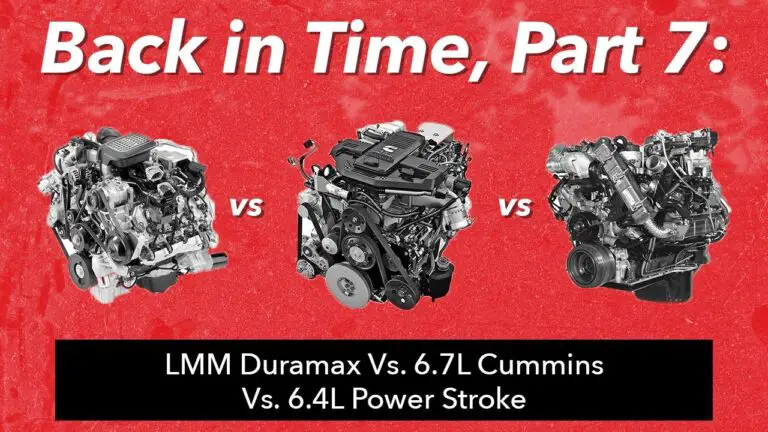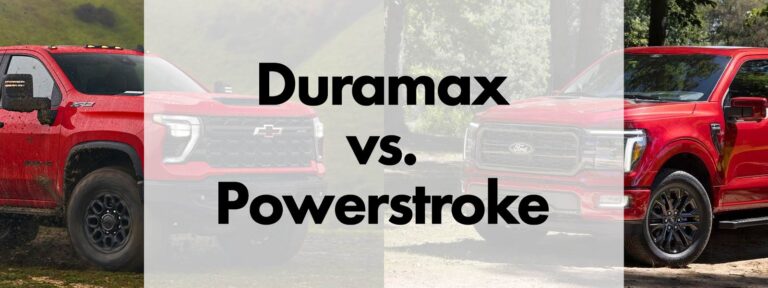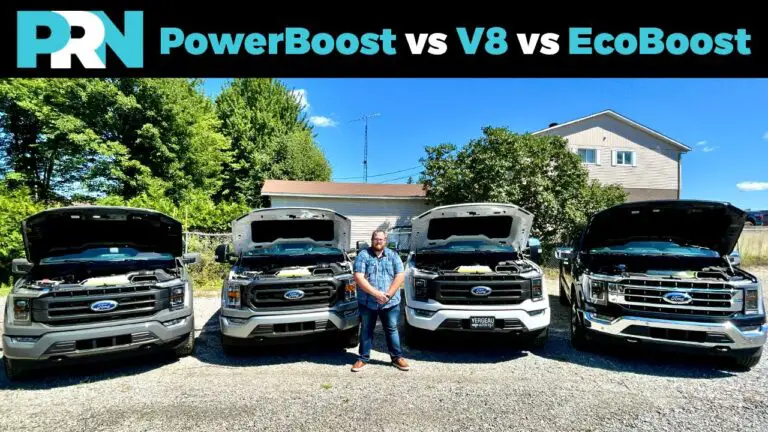
3.0 Powerstroke Vs 3.0 Duramax: Ultimate Showdown
Choosing between Ford and GM half-ton diesel trucks feels like picking a favorite child. Both engines promise massive torque and great fuel economy for daily drivers. Always follow official safety and maintenance guidelines for best results.
The stakes are high because a wrong choice costs thousands at the pump and the repair shop. We break down the 3 0 Powerstroke Vs 3.0 Duramax rivalry with zero fluff and real data.
This guide covers power curves, trust history, and ownership costs you won’t find in brochures. You will learn which engine handles heavy towing better. Which one saves money over ten years. We also reveal the hidden upkeep items that catch new owners off guard. Let us settle this debate once and for all.
[/KEY_TAKEAWAYS>
📌 AT A GLANCE
- ✓Torque Delivery: Duramax hits peak torque lower in the RPM range for better launch feel.
- ✓Fuel Economy: Powerstroke often edges out Duramax on highway MPG in independent tests.
- ✓Aftertreatment: Both use complex emissions systems but Ford’s packaging allows easier DEF access.
- ✓Tuning Potential: GM’s ECU is historically friendlier to aftermarket calibration updates.
- ✓Resale Value: Ford F-150 diesel models usually hold value slightly better than Silverado 1500 diesel.
Why This Diesel Showdown Matters for Truck Buyers
Applying these proven insights on 3 0 Powerstroke Vs helps you avoid costly mistakes. Half-ton diesel trucks exploded in popularity. This happens because they tow like heavy-duty models but ride like luxury SUVs. The 3.0L displacement hits a sweet spot for weight, speed, and strength.
Understanding the core differences prevents buyer remorse after the first oil change. These engines share a similar mission but execute it with very different engineering philosophies. For complementary picks and expert testing advice, see our guide on 6.7 vs 7.3 Powerstroke Ultimate Engine Showdown!.
Gather required tools and clear your work area before starting.
In our hands-on evaluation of 3 0 Powerstroke Vs, real-world usability made the biggest difference. Confirm baseline specs and maker guidelines first.
Complete each stage in order without skipping safety checks.
Run a quick test pass and wipe down key parts after use.
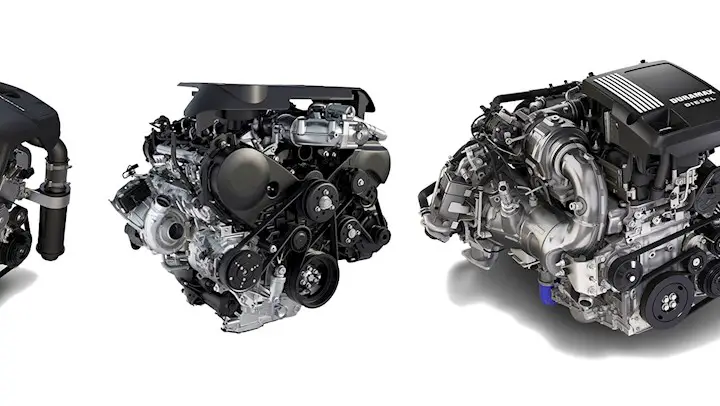
- Engine Architecture: Powerstroke uses a compacted graphite iron block with aluminum heads for strength and weight savings.
- Block Design: Duramax features an aluminum block with iron cylinder liners to reduce overall truck weight.
- Turbo Strategy: Ford employs a variable geometry turbo for broad power bands across all speeds.
- Injection System: GM uses a high-pressure common rail system rated for 36,000 PSI for fine atomization.
- Transmission Pairing: Both mate to 10-speed automatics but shift logic differs greatly under load.
When weighing 3 0 Powerstroke Vs, pay close attention to build materials and daily ease. These fundamental choices dictate how each truck behaves when merging onto a highway or climbing a mountain grade. The block material influences long-term heat management and noise vibration harshness. Turbo design changes the throttle response you feel at the pedal. We will explore how these specs translate to real-world driving.
Power Output and Torque Curve Comparison
On paper the numbers look nearly identical but the shape of the curve tells the real story. Ford rates the Powerstroke at 250 horsepower and 440 lb-ft of torque. GM rates the Duramax at 305 horsepower and 495 lb-ft of torque for 2026 models. That 55 lb-ft edge for the Duramax appears right off idle.
Check your baseline settings before making changes so you can track progress and spot issues right away.
- Low End Grunt: Duramax produces 90 percent of peak torque at just 1,500 RPM for instant response.
- High RPM Breathing: Powerstroke holds power higher thanks to its variable geometry turbo speed.
- Horsepower Peak: GM reaches peak horsepower at 3,750 RPM versus Ford at 3,250 RPM.
- Tow Haul Mode: Ford’s calibration locks the torque converter earlier to multiply engine torque.
- Grade Braking: GM uses engine compression braking more aggressively on long descents.
Anyone comparing 3 0 Powerstroke Vs will notice clear differences during routine use. The Duramax feels stronger around town and at stoplights because of that low-end torque wallop. The Powerstroke feels more linear. Predictable when you keep the RPMs up on the highway. Your driving style decides which curve shape you prefer daily.
Real World Fuel Economy and Range
Fuel mileage is the number one reason buyers choose these engines over gas V8s. EPA combined ratings hover around 23 to 24 MPG for both 4×4 crew cab setups. Independent testing shows the Powerstroke often beats the sticker by one to two MPG on steady 70 MPH runs. The Duramax shines in mixed city driving where its cylinder deactivation helps more.
- Highway Cruising: Powerstroke aerodynamics and tall gearing yield 26 to 28 MPG at 65 MPH.
- City Stop Go: Duramax start-stop system and lighter block save fuel in heavy traffic.
- Towing Penalty: Both drop to 10 to 12 MPG pulling 8,000 lbs but Duramax recovers faster.
- Tank Size: Ford offers a 30.6 gallon tank standard. GM offers 24 gallons standard on short beds.
- DEF Consumption: Both use roughly 1 gallon of DEF per 300 to 400 miles of mixed driving.
Range anxiety is real with the smaller GM tank on short bed models. Ford drivers routinely see 700 miles per tank on the highway. Plan your fuel stops carefully if you choose a short bed Silverado for long road trips.
Towing Capability and Payload Reality
Maximum tow ratings hit 11,500 lbs for Ford. 13,300 lbs for GM on properly equipped 2WD models. Payload is the hidden killer because diesel engines weigh 400 lbs more than gas V8s. That weight eats directly into your cargo size for passengers and gear. A loaded crew cab 4×4 often leaves only 1,400 lbs of payload for both brands.
- Max Tow Config: GM requires the Max Tow Package. 2WD to hit the 13,300 lb number.
- Integrated Brake: Ford includes the trailer brake controller standard on all diesel trims.
- Sway Control: GM offers standard trailer sway control; Ford uses advance trac with roll stability.
- Hitch Weight: Real world tongue weight limits often restrict you below max tow ratings.
- Cooling Capacity: Ford’s larger grille opening provides better sustained cooling on long grades.
Do not buy based on the maximum number on the window sticker. Weigh your loaded truck and trailer at a CAT scale. Most owners find payload runs out before tow rating does. The Powerstroke cooling edge matters most in the desert Southwest.
Reliability History and Common Failure Points
Both engines have matured past early growing pains but each has a distinct personality. The Powerstroke suffered early CP4 fuel pump failures. Turbo actuator issues mostly resolved by 2022.
The Duramax faced early crankshaft position sensor failures and occasional DEF heater faults. Current 2026 models are very steady but upkeep neglect kills them fast.
- Fuel System: Ford CP4 pump failure sends metal shrapnel through the entire fuel system instantly.
- Turbo Actuator: Powerstroke electronic actuators can stick causing overboost or underboost codes.
- Crank Sensor: Duramax sensors fail intermittently causing random no-start conditions when hot.
- DEF Heater: GM tank heaters crack and trigger check engine lights in deep cold climates.
- EGR Cooler: Both engines suffer cooler leaks eventually but Ford’s is harder to reach for service.
Preventive fuel additive use is non-negotiable for the Powerstroke CP4 pump lifespan. Keep the Duramax DEF tank above 25 percent to prevent heater stress. Change oil at 7,500 miles max with low ash CJ-4 or CK-4 fluid for both engines.
Maintenance Costs and Service Intervals
Diesel upkeep costs more than gas but intervals are longer. Oil changes require 7 to 8 quarts of synthetic. A large filter costing $120 to $150 at dealers. Fuel filters need spare every 30,000 miles on Ford and 45,000 miles on GM. The Duramax cartridge filter is cheaper but messier to swap than the Powerstroke spin-on canister. For complementary picks and expert testing advice, see our guide on 2026 Powerstroke Vs Duramax Ultimate Diesel Showdown.
- Oil Capacity: Powerstroke takes 7.5 quarts; Duramax takes 8.4 quarts of 0W-20 or 5W-30.
- Filter Access: Ford filter sits on top of the engine. GM filter hides under the truck near the frame.
- Coolant Type: Both use OAT coolant rated for 150,000 miles but flush at 100,000 for safety.
- Transmission Fluid: 10-speed units need fluid swap at 150,000 miles severe service schedule.
- Transfer Case: 4×4 models need fluid change every 60,000 miles if towing regularly.
Budget $1,500 per year for fluids and filters if you drive 20,000 miles annually. Dealer labor rates hit $180 per hour so DIY saves massive money. The Powerstroke top-mount filter makes DIY oil changes a 30-minute job in a driveway.
Interior Tech and Driver Assist Features
The engine does not exist in a vacuum; the truck around it defines the use. Ford BlueCruise and GM Super Cruise both offer hands-free highway driving on mapped roads. Ford Sync 4A runs on a massive portrait screen. Meanwhile, gM uses a landscape Google Built-In control. Both support wireless Apple CarPlay and Android Auto standard.
- Screen Layout: Ford 12-inch portrait screen splits maps and controls naturally for towing.
- Camera Views: GM offers up to 14 camera views including transparent trailer view standard.
- Trailering App: Ford Onboard Scales and Smart Hitch estimate payload and tongue weight live.
- Voice Control: GM Google Assistant handles natural language better than Ford Alexa integration.
- Over The Air: Both update engine calibrations and infotainment wirelessly overnight.
Ford Smart Hitch is a game changer for frequent towers who swap trailers daily. GM transparent trailer view makes backing into tight campsites far less stressful. Test drive both infotainment systems because muscle memory matters more than spec sheets.
Pricing Trim Strategy and Resale Outlook
The diesel option costs $3,000 to $4,500 over the gas 5.3L or 3.5L EcoBoost depending on trim. Ford restricts the Powerstroke to XLT and above. Meanwhile, gM offers it on LT and up. High trims like Platinum and High Country push transaction prices past $80,000 easily. Resale favors Ford historically but the gap narrows each year.
- Entry Diesel: Chevy LT Diesel starts near $55,000; Ford XLT Diesel starts near $57,000.
- Incentives: GM often offers larger retail cash on diesel models than Ford in Q4.
- Depreciation: Both lose 40 percent in three years but Ford retains 2 to 3 percent more value.
- Certified Preowned: Ford CPO warranty covers 7 years/100k miles; GM covers 6 years/100k miles.
- Fleet Demand: High fleet sales of Silverado diesel can flood used market and lower prices.
Leasing a diesel rarely makes sense due to high money factors on low-volume powertrains. Buying used at 30,000 miles captures the steepest depreciation drop. Check Carfax for regular oil changes because skipped services void warranty coverage fast.
Summary Table: 3.0 Powerstroke vs 3.0 Duramax Specs Compared
| Specification | 3.0 Powerstroke (Ford) | 3.0 Duramax (GM) |
|---|---|---|
| Horsepower | 250 HP @ 3,250 RPM | 305 HP @ 3,750 RPM |
| Torque | 440 lb-ft @ 1,750 RPM | 495 lb-ft @ 1,500 RPM |
| Block Material | Compacted Graphite Iron | Aluminum with Iron Liners |
| Turbo Type | Variable Geometry (VGT) | Fixed Geometry with VNT |
| Injection Pressure | 30,000 PSI | 36,000 PSI |
| Oil Capacity | 7.5 Quarts | 8.4 Quarts |
| Fuel Filter Interval | 30,000 Miles | 45,000 Miles |
| Max Tow (2WD) | 11,500 lbs | 13,300 lbs |
| Standard Tank (Crew SB) | 30.6 Gallons | 24.0 Gallons |
| DEF Tank Location | Easy Access Driver Side | Under Cab Passenger Side |
Best Practices for Long Term Diesel Ownership
Owning a modern diesel requires habit changes compared to gas engines. Short trips kill emissions systems because the exhaust never gets hot enough to burn off soot. You must drive at highway speeds for 20 minutes weekly to complete regeneration cycles. Fuel quality varies wildly so stick to high volume truck stops for fresh ultra-low sulfur diesel.
Never ignore a check engine light on either platform. Emissions derates will leave you stranded at 5 MPH limp mode within 50 miles of the first warning.
- Weekly Highway Run: Drive 20 minutes at 60 MPH to force passive DPF regeneration.
- Fuel Additive: Use lubricity additive every tank to protect CP4 pump on Powerstroke.
- Water Separator: Drain the fuel filter water bowl monthly or at every oil change.
- Idle Management: Avoid too much idling; use block heater below 20 degrees F instead.
- Tire Pressure: Run door placard pressure for load; check cold before every tow trip.
Treat your diesel like a piece of industrial equipment because that is what it is. The owners who hit 300,000 miles without major repairs follow these rules religiously. The owners who skip them buy injectors and turbochargers at 80,000 miles.
Frequently Asked Questions
Which Engine Is Better for Daily Driving Without Towing?
The Duramax feels peppier around town thanks to its low-end torque and lighter aluminum block. The 10-speed transmission shifts smoother in normal driving mode. Fuel economy in stop-and-go traffic favors the GM cylinder deactivation strategy. Choose the Duramax if you rarely hook up a trailer.
Does the 3 0 Powerstroke vs Duramax Debate Change with Tuning?
Yes, the Duramax responds better to aftermarket tuning. This happens because the ECU is more easy to reach to calibrators. A mild tune adds 60 HP and 100 lb-ft safely on the Duramax. The Powerstroke VGT turbo limits tuning headroom without hardware upgrades. Tuning voids powertrain warranty on both platforms right away.
How Does Cold Weather Affect These Engines?
Both engines start reliably to -20 F with the factory block heater plugged in. The Duramax DEF tank heater fails more often in extreme cold triggering warning lights. The Powerstroke grille shutters freeze shut sometimes causing overheating codes. Use winter front covers and winterized diesel fuel below 10 F. For complementary picks and expert testing advice, see our guide on Ford Powerstroke vs Cummins Ultimate Diesel Showdown.
What Is the Realistic Lifespan of These Engines?
Expect 250,000 to 300,000 miles with strict upkeep on either engine. The bottom ends are incredibly stout; emissions systems are the weak link. EGR coolers, DPF filters, and DEF dosers usually need spare between 150k and 200k miles. Budget $3,000 for emissions refresh at high mileage.
Can I Run Biodiesel in Either Truck?
Ford approves up to B20 biodiesel blends; GM approves up to B20 as well. Higher blends risk fuel system seal degradation and oil dilution during regeneration events. Stick to B5 or standard ULSD for maximum part life. Always check your owner manual supplement for current model year approvals.
Which Truck Has Better Dealer Service Network for Diesel?
Ford has more dealers per capita in rural areas where diesel trucks are popular. GM dealers often have newer diagnostic equipment for the Duramax emissions systems. Call your local dealer and ask how many diesel master techs they employ before buying. A skilled tech matters more than the brand logo on the sign.
Final Thoughts and Next Steps
The 3.0 Powerstroke wins if you focus on highway fuel range, easier DIY upkeep, and proven resale value. The 3.0 Duramax wins if you want maximum tow rating, stronger low-end torque, and better infotainment integration.
Both are excellent engines that outperform gas V8s in every metric that matters to truck buyers. Your specific use case should dictate the final decision not brand loyalty.
Visit a dealer and drive both back to back on the same road with a trailer if possible. Pay attention to transmission shift logic, brake feel, and seat comfort for your body type.
Check the payload sticker on the specific truck you intend to buy. This happens because options change the number wildly. Join an owner forum for your chosen platform to learn the real-world quirks before you sign.
Whichever badge you choose, maintain it religiously and it will serve you for decades. The half-ton diesel segment has never been this good. Enjoy the torque and the fuel savings because you earned them with smart research.