2026 Duramax Vs Powerstroke: Ultimate Diesel Duel
Picking a heavy duty truck feels like a high stakes gamble for most drivers. You want raw power, long life, and low repair bills all at once. The wrong engine choice can cost you thousands in fuel and downtime. Always follow official safety and maintenance guidelines for best results.
That is why the 2026 Duramax Vs Powerstroke debate matters so much right now. Both engines claim the top spot for towing and work duty. This guide breaks down the real differences so you can buy with confidence.
[
[EZ_UI_BLOCK_0]
]
📌 AT A GLANCE
- ✓Engine Output: Both brands offer strong horsepower and torque numbers for heavy loads.
- ✓Fuel Economy: Real world MPG varies by load, terrain, and driving habits.
- ✓Towing Capacity: Maximum ratings depend on cab, bed, and axle choices.
- ✓Maintenance Cost: Service intervals and parts prices differ between GM and Ford.
- ✓Resale Value: Truck reputation and local demand affect long term worth.
Why the 2026 Duramax vs Powerstroke Duel Matters
Diesel trucks do more than haul cargo. They move families, tools, and entire businesses across tough terrain. Choosing between these two giants shapes your daily driving use for years to come.
[
[EZ_UI_BLOCK_1]
]
Buyers often focus only on peak horsepower. Yet torque curves, transmission tuning, and emissions systems matter just as much. A truck that looks strong on paper can feel weak on a steep grade. For our complete category overview. Core buyer criteria, explore our cornerstone guide to Upgrading 6.0 Powerstroke Engine Components for Performance: Boost Power and Efficiency.
- Torque Delivery: Low end pulling power determines how easily you start heavy trailers.
- Transmission Match: Gear ratios work with the engine to keep RPMs in the sweet spot.
- Emissions Hardware: DEF systems and filters add upkeep steps and costs.
- Cooling Capacity: Bigger radiators and oil coolers protect engines during long hauls.
- Warranty Terms: Factory coverage can save you thousands on major repairs.
Smart buyers look past marketing hype. They examine real world data, owner forums. Long term trust reports before signing any paperwork.
Think about your daily route. Do you climb mountain passes or drive flat plains? A steep grade tests cooling and torque in ways city streets never will. Your terrain should guide your engine pick.
Consider your load type. A horse trailer needs sway control. A flatbed needs payload size. A camper needs steady highway cruising. Each job asks something different from your diesel.
Talk to local fleet owners. Ask what breaks first on their trucks. Ask how long they wait for parts. Their answers often reveal more than a spec sheet ever could.
Duramax Engine Specs and Strengths
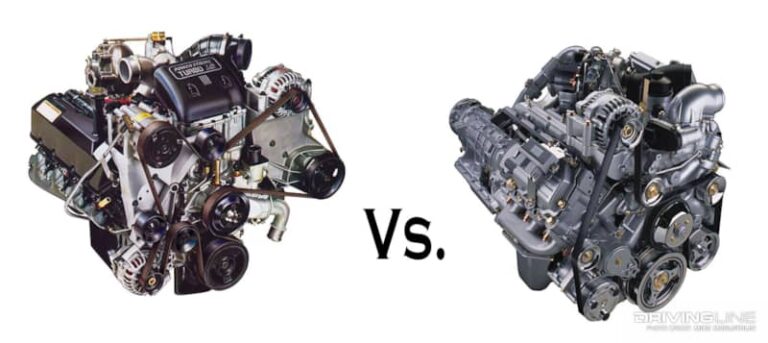
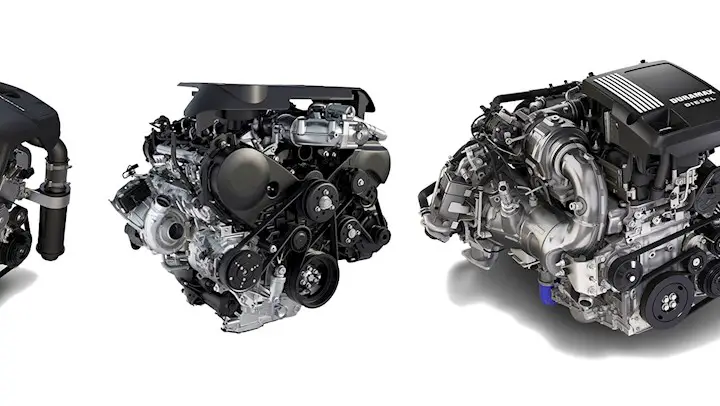
General Motors equips its heavy duty pickups with the Duramax diesel for 2026. This inline six cylinder design focuses on smooth power delivery and durable internals. Many owners praise its quiet idle and strong mid range punch.
Check your baseline settings before making changes so you can track progress and spot issues right away.
[
[EZ_UI_BLOCK_3]
]
The engine uses advanced fuel injection and variable geometry turbocharging. These features help it maintain speed whether you are commuting or towing a fifth wheel. GM also integrates the transmission and engine control modules for tighter shifts.
- Horsepower Rating: Peak output suits most towing and hauling tasks with ease.
- Torque Curve: Broad power band helps the truck move heavy loads from a stop.
- Fuel System: High pressure common rail injection improves atomization and burn.
- Block Design: Compacted graphite iron adds strength without excess weight.
- Cooling System: Dual zone cooling manages engine and transmission heat separately.
Duramax fans often cite strong resale value in rural markets. Dealers in farming regions often stock these trucks because local buyers trust the nameplate.
Look at the bore and stroke numbers. A long stroke helps low end torque. That matters when you start a loaded trailer from a dead stop. The Duramax design leans into this strength.
Check the turbo setup. Variable geometry vanes adjust boost across the RPM range. This reduces lag when you press the pedal. You get power sooner, not later.
Review the cooling package. Dual zone systems separate engine heat from transmission heat. This matters on long grades where both systems work hard. Cooler parts last longer.
Ask about the block material. Compacted graphite iron resists cracking under pressure. It handles high cylinder loads better than cast iron. That means a longer life under stress.
Find a Duramax specialist near you. Ask about common issues with the 2026 model. Learn which parts fail first and how much they cost to fix.
Powerstroke Engine Specs and Strengths
Ford answers with the Powerstroke V8 diesel in its Super Duty lineup. This engine emphasizes brute force and deep towing confidence. Many commercial fleets rely on Powerstroke trucks for daily work sites.
Ford tunes the Powerstroke for maximum low end torque. That makes it easier to pull heavy trailers up boat ramps or build entrances. The company also offers multiple axle ratios to match different job needs.
- V8 Layout: Eight cylinders give smooth power pulses and strong acceleration.
- Towing Tech: Integrated trailer brake controllers and tow haul modes ease driving.
- Exhaust Brake: Helps control speed on long downhill grades without wearing brakes.
- Frame Integration: Engine mounts and frame rails are built for heavy duty flex.
- Dealer Network: Ford dealers are widespread, making service easier in many areas.
Powerstroke owners often highlight the brand’s strong dealer support. When you need parts fast, a large network can mean less downtime for your business.
Study the firing order. A V8 fires in a way that smooths out power delivery. That helps when you tow heavy loads at low speeds. The truck feels steady, not jerky.
Test the exhaust brake on a hill. It uses back pressure to slow the truck. This saves your service brakes for emergencies. It also reduces heat buildup on long descents.
Compare axle ratios. A lower number gives better highway MPG. A higher number gives more pulling power. Match the ratio to your most common load.
Visit a Ford dealer with a service bay. Watch how fast they can get a truck in and out. Fast service means less lost work time for your crew.
Ask about upfitter switches. These let you add lights, pumps, or winches without messy wiring. Commercial users love this feature for job site work.
Towing and Hauling Comparison
Towing size is the top reason most buyers choose a diesel truck. Both GM and Ford publish great numbers. But real world limits depend on your specific setup. Cab style, bed length, and rear axle gearing all change the final rating.
Duramax trucks often shine in stability control and trailer sway management. Powerstroke models often lead in maximum conventional towing figures. The best choice depends on what you actually haul and how often you do it.
- Conventional Towing: Bumper pull trailers work well with proper hitch setup.
- Fifth Wheel Towing: Bed mounted hitches allow heavier fifth wheel campers.
- Gooseneck Towing: Agricultural and horse trailers often use gooseneck connections.
- Payload Rating: Bed and cabin weight limits matter as much as towing limits.
- Trailer Sway Control: Electronic systems detect and correct trailer movement on its own.
Always check the door jamb sticker for your exact truck’s limits. Never exceed gross combined weight ratings, even if the engine feels strong enough to handle more.
Weigh your trailer before you hook up. Use a certified scale at a truck stop. Know the tongue weight and gross weight. This keeps you safe and legal.
Match your hitch to the load. A weight distributing hitch spreads tongue weight across the axles. This improves steering and braking. It also reduces sway at highway speeds.
Practice backing up in an empty lot. Use small steering inputs. Watch the trailer in your mirrors. This skill saves time and stress on job sites.
Check your mirrors before every trip. Towing mirrors extend your view past the trailer. Blind spots kill. Good mirrors save lives. For complementary picks and expert testing advice, see our guide on 2011 Powerstroke vs Duramax: Ultimate Diesel Showdown.
Fuel Economy and Operating Costs
Diesel fuel costs more per gallon than regular gas in most regions. However, diesel engines often give better mileage under load. The real savings show up when you tow heavy loads for long distances.
Duramax trucks tend to post competitive highway numbers when unloaded. Powerstroke models sometimes use more fuel at idle but recover speed under heavy throttle. Upkeep costs include oil changes, fuel filters, and diesel exhaust fluid refills.
- Highway MPG: Empty truck cruising shows the best fuel economy numbers.
- Towing MPG: Heavy loads drop mileage greatly for both brands.
- DEF Usage: Diesel exhaust fluid tanks need refills every few thousand miles.
- Oil Capacity: Larger sumps mean more oil per change but longer intervals.
- Parts Pricing: Filters, belts, and sensors vary in cost by brand and region.
Track your fuel receipts for three months to learn your true cost per mile. That data helps you decide if the diesel premium pays off for your driving pattern.
Calculate your break even point. Compare the diesel truck price to a gas truck price. Divide the difference by fuel savings per mile. This tells you how many miles you must drive to save money.
Find cheap DEF sources. Truck stops often sell DEF at lower prices than auto parts stores. Buy in bulk if you have storage space. This cuts running costs over time.
Watch idle time. Idling burns fuel without moving the truck. Shut off the engine during long waits. This simple habit saves gallons each month.
Keep tires at proper pressure. Low pressure increases rolling resistance. That drops your MPG. Check pressure once a month with a good gauge.
Maintenance and Reliability Outlook
Regular service keeps any diesel engine running strong for hundreds of thousands of miles. Skipping oil changes or ignoring warning lights leads to expensive repairs. Both engines have proven track records, but each has unique service needs.
Duramax owners often report fewer emissions related headaches in early ownership. Powerstroke trucks benefit from Ford’s extensive dealer network and parts availability. Finding a good independent diesel mechanic can save money on both platforms.
- Oil Change Interval: Most makers suggest service every 10,000 miles under normal use.
- Fuel Filter Changes: Clean filters protect injectors and high pressure pumps.
- Coolant Flush: Fresh coolant prevents corrosion in the engine block and radiator.
- Transmission Service: Fresh fluid keeps shifts crisp and prevents overheating.
- Battery Health: Diesel engines need strong batteries for cold weather starts.
Keep a service log for every repair and fluid change. Detailed records boost resale value and help diagnose future problems faster.
Use the right oil spec. Diesel engines need oil with high detergent levels. Using the wrong oil can clog the DPF. Check your owner manual for the exact rating.
Drain the water separator. Diesel fuel holds water that harms injectors. Most trucks have a dash light that tells you when to drain it. Do not ignore this warning.
Watch the DPF light. The diesel particulate filter traps soot. It cleans itself during highway driving. Short trips prevent this cycle. Take a long drive now and then to clear it.
Test your battery before winter. Cold weather saps battery strength. A weak battery leaves you stranded on a cold morning. Replace it before it fails.
Summary Table: 2026 Duramax vs Powerstroke
[
[EZ_UI_BLOCK_2]
]
Real World Owner Stories
Meet Mike, a Montana rancher. He tows a horse trailer across mountain passes. His Duramax handles the grades with ease. He likes the quiet cabin on long drives.
- Meet Sarah: Meet Sarah, a Texas builder.
- She Pulls: She pulls a gooseneck trailer daily.
- Her Powerstroke: Her Powerstroke gives her the torque she needs.
- She Values: She values the wide dealer network in her state.
Meet Tom, a Florida boat owner. He launches his boat at steep ramps. The Powerstroke exhaust brake helps him control the descent. He never worries about brake fade.
Meet Lisa, a long haul driver. She runs empty half the time. Her Duramax gets better highway MPG when unloaded. She saves money on every empty leg.
These stories show that fit matters more than brand. Match the truck to your job, not to a badge.
Cold Weather and Climate Factors
Diesel fuel can gel in freezing weather. This blocks fuel lines and stops the engine. Winter blends help prevent this problem. Ask your fuel station about treated diesel in cold months.
- Block Heaters: Block heaters keep the engine warm overnight.
- Plug It: Plug it in when heat drop below zero.
- This Makes Cold: This makes cold starts easier on the battery and starter.
Glow plugs heat the cylinders before start. Wait for the light to go out before cranking. This improves combustion and reduces wear on cold mornings. For complementary picks and expert testing advice, see our guide on 6.0 Powerstroke Vs 6.6 Duramax: Ultimate Showdown.
DEF can freeze in the tank. Most trucks have tank heaters that run when you start the engine. Keep the tank full in winter to reduce condensation.
In hot climates, cooling matters most. Towing in desert heat stresses the radiator. Flush your coolant before summer. Check hoses for cracks and leaks.
Best Practices for Diesel Truck Buyers
Test drive both trucks back to back if possible. Pay attention to seat comfort, view, and how each transmission shifts under load. Bring a trailer if you plan to tow regularly so you can feel real world power.
Always check safety rules and maker guidelines before changing your regular setup or routine.
[
[EZ_UI_BLOCK_4]
]
Research local fuel prices and DEF availability before you buy. Some remote areas have limited diesel pumps, which can affect long trips. Also check insurance rates, as heavy duty trucks often cost more to cover.
- Do Test Drive: Drive empty and with a loaded trailer to compare feel.
- Do Check Warranty: Read the fine print on powertrain coverage.
- Don’t Skip Inspection: Have a mechanic check used trucks before buy.
- Don’t Ignore Payload: Remember passengers and gear count toward weight limits.
- Do Compare Financing: Interest rates and terms vary by lender and brand.
Take your time during the buying process. A rushed decision often leads to buyer’s remorse when the first repair bill arrives.
Gather required tools and clear your work area before starting.
Confirm baseline specs and maker guidelines first.
Complete each stage in order without skipping safety checks.
Run a quick test pass and wipe down key parts after use.
| Feature | Duramax | Powerstroke |
|---|---|---|
| Engine Layout | Inline 6 | V8 |
| Best For | Smooth daily driving | Maximum towing |
| Dealer Network | Strong in rural areas | Widespread nationwide |
| Resale Value | High in farm regions | High in work truck markets |
| Maintenance | Moderate cost | Moderate cost |
Frequently Asked Questions
Which Engine Lasts Longer, Duramax or Powerstroke?
Both engines can last 300,000 miles or more with proper care. Lifespan depends more on upkeep habits than brand name. Regular oil changes and fluid checks matter most.
Is the 2026 Duramax vs Powerstroke Debate Still Relevant?
Yes, because both brands update their trucks yearly with new tech and emissions gear. Buyers still compare them for towing, fuel costs, and resale value.
Do Diesel Trucks Need Special Fuel in Winter?
Winter diesel blends prevent fuel gelling in cold climates. Some areas sell treated fuel on its own, while others require additives. Check local pump labels during freezing weather.
Can I Tow a Fifth Wheel with Either Truck?
Yes, both platforms support fifth wheel towing with the right bed and hitch. Maximum ratings depend on axle ratio and cargo weight. Always stay under the gross combined weight rating.
Which Truck Has Better Resale Value?
Resale varies by region and condition. Farm areas often favor Duramax, while build markets may prefer Powerstroke. Well maintained examples of both hold value well.
Final Thoughts and Next Steps
The 2026 Duramax Vs Powerstroke choice comes down to your specific needs and local support. Both engines offer serious power for work and play. Neither option is wrong if you match the truck to your lifestyle.
Make a list of your typical loads, daily commute, and service options nearby. Test drive both models before you commit. Then negotiate price based on real market data, not sticker shock.
Visit local dealerships this week to see both trucks in person. Bring your questions, take notes. Choose the diesel that fits your budget and your job.