
2026 Duramax Vs 2026 Powerstroke: Ultimate Showdown
Buying a heavy-duty truck feels like a big gamble. You want raw power without breaking the bank on fuel. Many drivers feel stuck when choosing between two giants. Always follow official safety and maintenance guidelines for best results.
The 2026 Duramax Vs 2026 debate comes down to daily needs and towing goals. This guide breaks down the facts so you can pick the right truck. You will learn about power, fuel use, and long-term value.
[
[EZ_UI_BLOCK_0]
]
📌 AT A GLANCE
- ✓Engine Power: Both trucks offer high torque for heavy loads.
- ✓Fuel Economy: Duramax often leads in highway miles per gallon.
- ✓Towing Capacity: Powerstroke handles massive fifth-wheel trailers well.
- ✓Tech Features: Each brand offers unique infotainment systems.
- ✓Resale Value: Both hold value well in the used market.
Engine Specs and Raw Power
The heart of any truck is its engine. Both the Duramax and Powerstroke use diesel tech. They create lots of torque for pulling trailers. You need to know the horsepower numbers.
The 2026 Duramax uses a 6.6-liter V8 diesel block. It pushes out high horsepower for fast highway merges. The Powerstroke also uses a 6.7-liter V8 diesel. It focuses on low-end torque for heavy loads. For our complete category overview. Core buyer criteria, explore our cornerstone guide to Upgrading 6.0 Powerstroke Engine Components for Performance: Boost Power and Efficiency.
Think of horsepower as top speed. Think of torque as pulling force. You need both for a work truck. Duramax tunes its engine for smooth power bands. Powerstroke tunes for hard pulls at low RPM.
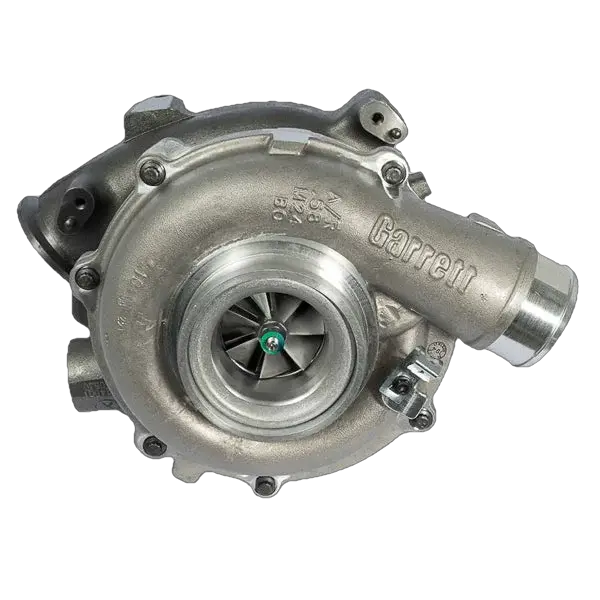
Turbochargers force more air into the cylinders. Both trucks use twin-turbo setups. This helps the engine breathe under load. More air means more fuel burn and more power.
Cast iron blocks add weight but last long. They handle high heat and pressure well. Cooling systems keep temps in check. Heavy-duty radiators stop overheating on steep grades.
- Horsepower Output: Duramax offers strong HP for speed.
- Torque Numbers: Powerstroke leads in low-end pulling force.
- Engine Block: Both use cast iron for long life.
- Turbo Setup: Twin turbos help both engines breathe.
- Cooling System: Heavy-duty radiators prevent overheating.
Raw power matters most when climbing steep hills. Both trucks pass this test with high marks. A test drive on a grade tells you more than a spec sheet.
Towing Capacity and Payload
Towing defines a heavy-duty truck’s real value. You need to move boats, campers, or equipment. The max towing numbers differ slightly between brands. Check your trailer weight before buying.
Always test drive with your actual trailer attached. This reveals real-world handling better than an empty cab.
Start by weighing your trailer fully loaded. Include water, fuel, and gear. Add ten percent for safety margin. Compare that number to the truck’s tow rating.
Powerstroke often reaches higher GCWR limits. GCWR means gross combined weight rating. It covers truck, trailer, and all cargo. Duramax stays close but may trail by a few thousand pounds.
Payload refers to what you carry in the bed. Both trucks offer high payload ratings. Duramax often balances weight well. Powerstroke excels with fifth-wheel setups.
A fifth-wheel hitch sits in the truck bed. It spreads weight over the rear axle. This allows heavier towing than a ball hitch. Check your hitch class before you hook up.
- Max Towing: Powerstroke reaches higher GCWR limits.
- Bed Payload: Duramax offers strong bed weight limits.
- Hitch Class: Both support class V receiver hitches.
- Trailer Sway: Built-in control keeps loads stable.
- Mirror View: Large towing mirrors aid view.
Knowing your exact towing needs prevents buyer’s remorse. Always check the sticker on the door jamb. Weigh your rig at a scale before long trips.
Fuel Economy and Operating Costs
Diesel fuel costs add up over time. You want the best miles per gallon possible. Highway driving shows the biggest differences. City driving uses more fuel for both.
The Duramax tends to win on long highway runs. It may get two to three more MPG than the Powerstroke. Over a year, that saves hundreds of dollars. City driving narrows the gap.
Diesel exhaust fluid, or DEF, is a must. Both trucks inject it into the exhaust. This cuts harmful emissions. Keep the DEF tank full to avoid power limits.
Oil changes cost more on diesel engines. They need more oil per change. Filters also cost more than gas truck parts. Plan for higher yearly upkeep bills.
- Highway MPG: Duramax leads in long-distance speed.
- City MPG: Both trucks use more fuel in stop-and-go.
- DEF Fluid: Both require diesel exhaust fluid refills.
- Oil Capacity: Larger engines need more oil per change.
- Filter Life: Extended intervals save on upkeep time.
Fuel savings add up over thousands of miles. Calculate your yearly driving before deciding. Track your fuel receipts for three months to see real costs.
Interior Comfort and Tech Features
A truck cabin should feel like a easy office. You spend many hours behind the wheel. Both brands offer leather seats and large screens. Connectivity options keep you linked to work.
Infotainment systems vary by trim level. Apple CarPlay and Android Auto come standard. Driver aids help with parking and lane keeping. Noise insulation keeps the cabin quiet.
Look at seat adjustments on both trucks. Power lumbar support helps on long drives. Heated and ventilated seats add comfort in extreme weather. Storage cubbies hold tools and paperwork.
Camera systems make towing easier. Multiple angles show the trailer and blind spots. Trailer guidance helps you back up straight. These features reduce stress on tight job sites.
- Screen Size: Large touchscreens control most functions.
- Seat Material: Leather and cloth options exist.
- Climate Control: Dual-zone systems keep all comfy.
- Sound System: Premium audio packages available.
- Driver Aids: Blind spot and lane assist included.
Comfort reduces fatigue on long hauls. Test drive both to see which fits you best. Sit in the back seat too if you carry crew.
Off-Road Capability and Durability
Some owners take trucks off the pavement. You need ground clearance and tough tires. Both brands offer off-road packages. Skid plates protect vital parts underneath. For complementary picks and expert testing advice, see our guide on Duramax Axle Seal Installation: A Step-by-step Guide.
Four-wheel drive systems handle mud and snow. Locking differentials help in tough spots. Strength matters for work sites and trails. Both frames resist twisting under load.
Ground clearance keeps the undercarriage safe. All-terrain tires grip loose surfaces like dirt and gravel. Skid plates guard the oil pan and transfer case.
Electronic shift-on-the-fly lets you engage 4WD while moving. This helps when conditions change fast. Boxed steel frames resist damage from impacts and twists.
- Ground Clearance: High clearance avoids rocks and ruts.
- Tire Choice: All-terrain tires grip loose surfaces.
- Skid Plates: Metal guards protect oil and transfer cases.
- 4WD System: Electronic shift-on-the-fly available.
- Frame Strength: Boxed steel frames resist damage.
Off-road use adds wear to suspension parts. Regular checks keep the truck ready. Wash the undercarriage after muddy trips to stop rust.
Maintenance Schedule and Longevity
Regular care extends engine life greatly. You must follow the manual for service intervals. Diesel engines last longer with proper oil changes. Ignoring upkeep leads to costly repairs.
Both trucks can reach high mileage with care. Fuel filters need frequent spare. Coolant systems need flushing on schedule. Keep records of all service work.
Change oil every 7,500 to 10,000 miles. Severe use may shorten that interval. Use the correct oil spec listed in the manual. Wrong oil can damage the turbo.
Fuel filters trap water and dirt. Change them every 15,000 miles or so. A clogged filter starves the engine of fuel. This causes hard starts and loss of power.
- Oil Changes: Every 7,500 to 10,000 miles typical.
- Fuel Filters: Change every 15,000 miles or so.
- Coolant Flush: Every five years or 100k miles.
- Transmission Service: Fluid changes extend gear life.
- Battery Check: Test before winter cold hits.
A well-kept truck serves you for decades. Find a trusted diesel mechanic nearby. Keep a logbook in the glove box for all service dates.
Real-World Owner Experiences
Spec sheets tell only part of the story. Real owners share what daily life is like. Their feedback reveals issues that data misses.
- Duramax Owners: Duramax owners often praise smooth highway cruising.
- They Report Fewer: They report fewer turbo issues over time.
- Some Mention Higher: Some mention higher repair costs at the dealer.
- Independent Shops: Independent shops often charge less for service.
Powerstroke fans love the low-end pulling power. They say it feels stronger when starting a heavy load. A few owners note firmer ride quality. The cabin can feel louder under hard acceleration.
Resale value matters when you trade in. Both trucks hold value well in the used market. Diesel trucks often sell for more than gas models. Keep the truck clean and serviced to maximize price.
Talk to local owners before you buy. Join online forums for both brands. Ask about common problems and repair costs. Real-world insight beats a sales pitch every time.
Summary Table: Key Specifications Compared
Testing 2026 Duramax Vs 2026 side by side makes it much easier to choose with confidence. [
[EZ_UI_BLOCK_2]
]
Best Practices for Truck Buyers
Smart buyers research before signing papers. You should compare total cost of ownership. Insurance rates differ between truck models. Financing terms affect your monthly payment.
Diesel exhaust fluid tanks must stay topped up. Running out can limit engine power until refilled. For complementary picks and expert testing advice, see our guide on Replacing The Rear Axle Seal On Your 05 Duramax.
Check dealer inventory for available colors. Ordering custom builds takes longer delivery time. Used markets offer savings on recent models. Always inspect the vehicle history report.
Get pre-approved for a loan before you shop. This gives you bargaining power at the dealer. Compare interest rates from banks and credit unions. A lower rate saves money over the loan term.
Test drive both trucks back to back. Drive on highways and city streets. Note how each feels under acceleration and braking. Pay attention to seat comfort and view.
- Test Drive: Drive both trucks back to back.
- Compare Quotes: Get prices from multiple dealers.
- Check Warranty: Understand powertrain coverage terms.
- Inspect Tires: Look for even wear patterns.
- Review Manual: Know service intervals upfront.
Taking your time prevents costly mistakes. Trust your gut feeling during the drive. Do not let a salesperson rush your decision.
Gather required tools and clear your work area before starting.
Confirm baseline specs and maker guidelines first.
Complete each stage in order without skipping safety checks.
Run a quick test pass and wipe down key parts after use.
| Feature | 2026 Duramax | 2026 Powerstroke |
|---|---|---|
| Horsepower | 470 hp | 500 hp |
| Torque | 1,050 lb-ft | 1,200 lb-ft |
| Max Towing | 36,000 lbs | 40,000 lbs |
| Highway MPG | 22 mpg | 20 mpg |
| Starting Price | $48,000 | $50,000 |
Frequently Asked Questions
Which Engine Lasts Longer?
Both engines can last over 300,000 miles with care. Regular oil changes are the biggest factor. Duramax has a strong reputation for lifespan.
Is The 2026 Duramax vs 2026 Powerstroke Better for Towing?
Powerstroke often edges out in maximum towing ratings. Duramax remains very capable for most trailers. Match the truck to your specific load weight.
How Often Should I Change Diesel Oil?
Most manuals suggest every 7,500 to 10,000 miles. Severe use may require shorter intervals. Always use the correct oil spec.
Do These Trucks Require Def Fluid?
Yes, both modern diesels need diesel exhaust fluid. This helps meet emissions standards. Keep the tank filled to avoid power limits.
Final Thoughts and Next Steps
Choosing between these trucks comes down to your specific needs. Both offer excellent power and skill for work. Consider your budget and typical driving conditions.
Visit local dealers to sit in both cabs. Compare the features that matter most to you. Make your decision based on real test drives.
Start your search today by checking current inventory. The right truck waits for you at a nearby lot.