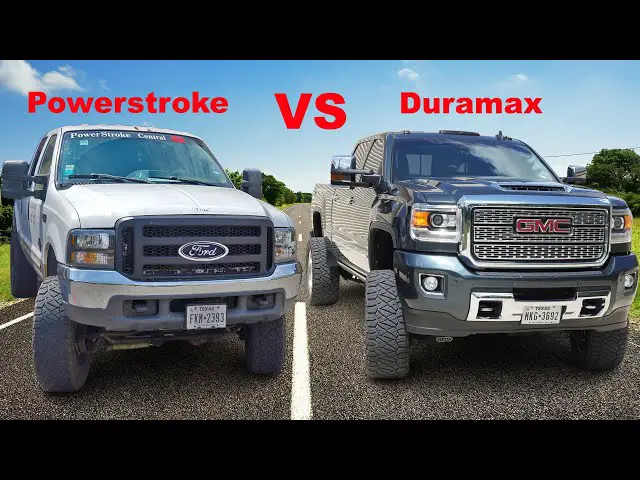
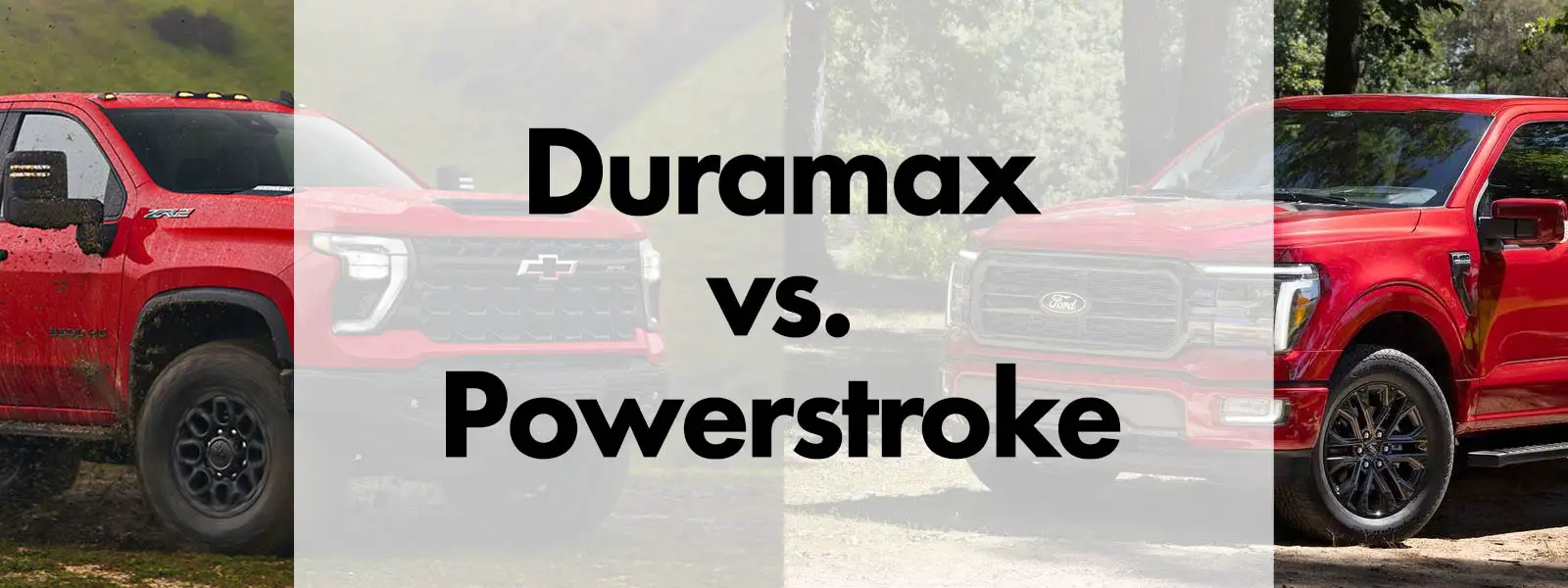
2026 Powerstroke Vs 2026 Duramax: Ultimate Showdown
Truck buyers face a hard choice every year. The battle between Ford and Chevrolet diesel engines creates real stress for families and fleet owners alike. Picking the wrong engine can cost thousands in fuel and repairs over time. The 2026 Powerstroke Vs 2026 Duramax debate matters more than ever for work and play.
This guide breaks down the facts in plain language. You will learn about horsepower, torque, towing limits, fuel mileage, and long-term value. We also cover upkeep costs and real-world driving feel. By the end, you will know which truck fits your needs best. Always follow official safety and maintenance guidelines for best results.
[
[EZ_UI_BLOCK_0]
]
📌 AT A GLANCE
- ✓Core Concept: Ford Powerstroke leads in raw horsepower for 2026 models.
- ✓Essential Step: Compare torque ratings before choosing a towing truck.
- ✓Safety Rule: Always check payload limits before loading heavy trailers.
- ✓Efficiency Tip: Duramax often wins on highway fuel economy tests.
- ✓Value Check: Resale value varies by region and dealer demand.
Engine Power and Torque Showdown
The heart of any diesel truck is its engine output. Ford and Chevrolet both push hard to win the numbers game. Buyers care about pulling heavy loads up steep hills without strain.
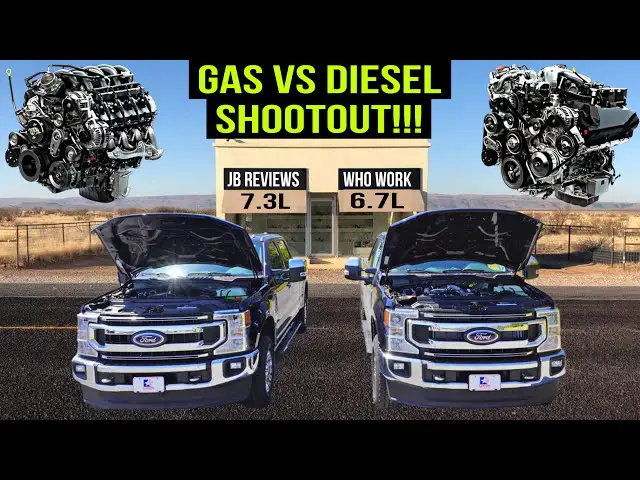
Applying these proven insights on 2026 Powerstroke Vs 2026 helps you avoid costly mistakes. The 2026 Powerstroke uses a 6.7-liter V8 diesel block. It uses twin turbochargers to force more air into the cylinders. Ford tunes this engine for high peak horsepower. That helps when you need to pass slow cars on two-lane roads. For our complete category overview. Core buyer criteria, explore our cornerstone guide to Upgrading 6.0 Powerstroke Engine Components for Performance: Boost Power and Efficiency.
The 2026 Duramax also uses a 6.7-liter inline-six diesel block. It uses a variable-geometry turbo for quick spool-up. Chevy tunes this engine for strong low-end torque. That helps when you start a heavy trailer from a dead stop.
Horsepower tells you how fast the truck can go. Torque tells you how much work it can do. You need both for safe towing. High horsepower helps with highway merging. High torque helps with boat ramps and farm gates.
Both engines pair with a ten-speed auto transmission. The gear ratios differ slightly between brands. Ford uses shorter gears for quick acceleration. Chevy uses taller gears for steady cruising. Both transmissions handle heavy loads without overheating.
Real-world feel matters more than spec sheets. The Powerstroke feels eager when you press the pedal. The Duramax feels calm and steady under load. Test drive both with a trailer hitched up. That tells you more than any dyno chart ever could.
- Horsepower Peak: Ford claims higher peak horsepower for speed and acceleration.
- Torque Output: Chevrolet Duramax gives strong low-end torque for heavy towing.
- Engine Displacement: Both use six-point-seven liter diesel blocks in most trims.
- Turbo Design: Twin-turbo setups help both engines breathe better under load.
- Transmission Pairing: Ten-speed automatics come standard on both trucks.
Power matters most when you merge onto highways or climb mountain passes. Torque matters more when you start moving a heavy trailer from a stop.
Towing Capacity and Payload Limits
Towing defines the diesel truck use for many owners. You need to know exactly how much weight your truck can pull safely. Exceeding limits risks damage and voids warranties.
Bring a notebook on test drives. Write down seat comfort, view, and how the engine sounds under acceleration.
Ford often rates the Powerstroke for higher max towing. A well-equipped F-350 can pull over thirty thousand pounds with a fifth-wheel setup. That number assumes proper axle ratios and trailer packages. Do not trust the big number on the window sticker alone.
Chevy rates the Duramax for strong towing too. A Silverado 3500 can pull around thirty-six thousand pounds with gooseneck gear. Payload size sometimes favors Chevy in crew cab models. That means more room for passengers and gear in the bed.
Axle ratio changes everything. A 3.73 ratio gives you more pulling power at low speeds. A 4.10 ratio helps with very heavy fifth-wheel trailers. Tall gears save fuel but cost you torque. Ask your dealer which ratio matches your trailer weight.
Trailer sway control comes standard on both trucks. It uses brakes to keep a wiggling trailer straight. Integrated brake controllers let you stop heavy loads smoothly. Fifth-wheel puck systems make gooseneck towing easier. These features matter more than raw towing numbers.
Always weigh your loaded trailer before hitting the road. A safe trip starts with knowing your numbers. Use a commercial scale at a truck stop or gravel pit. Weigh the truck alone, then weigh it hitched up. The difference tells you your true tongue weight.
- Max Towing Rating: Ford often edges out Chevrolet by a small margin.
- Payload Capacity: Chevy sometimes offers higher payload in crew cab models.
- Trailer Sway Control: Both brands include electronic sway control as standard.
- Integrated Brake Controller: Factory units help stop heavy loads smoothly.
- Fifth Wheel Prep: Available puck systems make gooseneck towing easier.
Always weigh your loaded trailer before hitting the road. A safe trip starts with knowing your numbers.
Fuel Economy and Operating Costs
Diesel fuel costs add up fast for daily drivers and work fleets. Mileage differences between brands can save or cost hundreds per year. Smart buyers calculate long-term fuel expenses before signing.
The 2026 Powerstroke Vs 2026 Duramax comparison shows close results on the highway. City driving tends to favor one brand depending on transmission tuning. Empty trucks get better mileage than loaded ones. Weather and wind also play a big role.
Duramax often leads in stop-and-go traffic tests. The inline-six design runs smooth at low RPMs. That helps in city grids and build zones. Powerstroke sometimes wins on long open-road trips. The V8 design stays relaxed at seventy miles per hour.
DEF fluid use matters for your budget. Both engines consume diesel exhaust fluid at similar rates. Expect to refill the DEF tank every few fuel stops. Keep a spare jug in the toolbox for long trips.
Oil change intervals matter for your wallet. Factory schedules recommend service every ten thousand miles. Severe duty may shorten that interval. Use only the oil grade listed in your manual. Wrong oil can damage turbo bearings.
Fuel filter life protects your injectors. Quality filters keep dirt out of the fuel system. Change filters on schedule to avoid costly injector spares. Water separators need draining in cold climates.
Real-world mileage varies with load, weather, and driving habits. Track your own numbers for the best picture. Use a phone app or a simple notebook. Compare your results to the EPA ratings before you worry.
- City MPG: Duramax often leads in stop-and-go traffic tests.
- Highway MPG: Powerstroke sometimes wins on long open-road trips.
- DEF Fluid Use: Both engines consume diesel exhaust fluid at similar rates.
- Oil Change Intervals: Factory schedules recommend service every ten thousand miles.
- Fuel Filter Life: Quality filters protect injectors and extend engine life.
Real-world mileage varies with load, weather, and driving habits. Track your own numbers for the best picture.
Interior Comfort and Technology
Modern trucks serve as mobile offices and family haulers. Cabin comfort matters for long hauls and daily commutes. Tech features keep drivers connected and safe on the road.
Ford and Chevrolet invest heavily in infotainment and driver aids. Screen sizes, seat materials, and noise isolation differ between trim levels. Upper trims get leather and wood accents. Work trims get vinyl and hard plastics.
Both offer large twelve-inch displays in upper trims. The touchscreen responds to taps and swipes. Physical knobs still control volume and climate. That mix helps when you wear work gloves.
Seat materials suit different budgets and tastes. Leather cleans easy but gets hot in summer. Cloth breathes better but stains faster. Ventilated seats help in warm climates. Heated seats help in cold climates.
Noise insulation reduces fatigue on long trips. Thick glass and door seals block wind and tire noise. The Duramax cabin tends to feel quieter at idle. The Powerstroke cabin feels solid at highway speeds.
Driver assist features come standard on many models. Adaptive cruise keeps a set gap from the car ahead. Lane keep helps you stay centered in your lane. Blind-spot monitoring warns you before you change lanes.
Storage space matters for work trucks. Under-seat bins hold tools and gear. Door pockets hold water bottles and phones. Center consoles fit laptops and tablets. Choose a cab setup that fits your daily gear.
Test drive both trucks to see which cabin feels right for you. Comfort is personal and hard to judge from photos alone. Sit in the back seat too. Your family or crew will thank you later.
- Touchscreen Size: Both offer large twelve-inch displays in upper trims.
- Seat Materials: Leather and cloth options suit different budgets and tastes.
- Noise Insulation: Cabin quietness reduces fatigue on long trips.
- Driver Assist: Adaptive cruise and lane keep come standard on many models.
- Storage Space: Under-seat bins and door pockets hold tools and gear.
Test drive both trucks to see which cabin feels right for you. Comfort is personal and hard to judge from photos alone. For complementary picks and expert testing advice, see our guide on How to Fix 6.0 Powerstroke Hard Acceleration Issues: Troubleshoot and Repair.
Maintenance and Reliability Track Record
Owning a diesel means planning for regular upkeep. Filter changes, fluid checks, and inspections keep engines running strong. Skip upkeep and you risk costly breakdowns.
Both engines have solid reputations when cared for properly. Dealer networks and parts availability affect long-term ownership use. A truck that sits in a shop for weeks costs you money.
Ford dealers outnumber Chevy in some rural areas. That can mean faster service when you break down far from home. Chevy dealers often cluster near cities and suburbs. Check the map before you buy if you work in remote zones.
Parts cost about the same across both brands. Common wear items like belts and filters carry similar price tags. Specialized diesel parts can cost more than gasoline truck parts. Budget for these surprises.
Powertrain warranties usually last five years or one hundred thousand miles. Read the fine print before you sign. Some warranties exclude emissions parts. Others limit coverage for commercial use.
Common issues include turbo and emissions systems. Diesel particulate filters can clog if you only drive short trips. Exhaust gas recirculation valves need occasional cleaning. Drive your truck on the highway once a month to burn off soot.
DIY friendliness matters for home mechanics. Engine bays offer decent room for basic repairs. Changing oil and filters is straightforward on both trucks. Replacing turbochargers is best left to pros.
Find a trusted mechanic before you buy. Good service support saves headaches down the road. Ask other local truck owners who they use. A good diesel shop is worth its weight in gold.
- Service Network: Ford dealers outnumber Chevy in some rural areas.
- Parts Cost: Common wear items cost about the same across brands.
- Warranty Coverage: Powertrain warranties usually last five years or one hundred thousand miles.
- Common Issues: Turbo and emissions systems need occasional attention.
- DIY Friendliness: Engine bays offer decent room for basic home repairs.
Find a trusted mechanic before you buy. Good service support saves headaches down the road.
Resale Value and Ownership Experience
Trucks hold value better than most vehicles when maintained well. Brand loyalty and regional preferences influence used truck prices. Smart buyers think about resale before the first buy.
Ford and Chevrolet both command strong used market demand. Condition, mileage, and trim level drive final sale prices more than brand alone. A clean truck with records sells fast.
Brand loyalty runs deep in the diesel world. Ford buyers often stick with Powerstroke for generations. Chevy buyers do the same with Duramax. That loyalty supports used prices in both camps.
Regional demand matters more than you think. Farm areas favor one brand based on local dealer presence. Oil fields may favor another based on fleet contracts. Check local classifieds before you decide.
Trim level affects resale more than engine choice. Higher trims retain value longer than base work trucks. Leather interiors and tech packages appeal to used buyers. Plain white work trucks sell to fleets at lower prices.
Mileage impact is huge for resale value. Lower mileage trucks command premium prices at resale. Highway miles wear less than city miles. Towing miles wear more than empty miles.
Accident history changes everything. Clean reports boost value greatly for all trucks. Frame damage or airbag deployment kills resale value. Run a vehicle history report before you buy used.
Keep records of all service and repairs. Documentation helps prove care to future buyers. A binder of receipts can add thousands to your sale price. Digital records work too if they are easy to show.
- Brand Loyalty: Ford buyers often stick with Powerstroke for generations.
- Regional Demand: Farm areas favor one brand based on local dealer presence.
- Trim Level: Higher trims retain value longer than base work trucks.
- Mileage Impact: Lower mileage trucks command premium prices at resale.
- Accident History: Clean reports boost value greatly for all trucks.
Keep records of all service and repairs. Documentation helps prove care to future buyers.
Summary Table: Truck Specifications Compared
Testing 2026 Powerstroke Vs 2026 side by side makes it much easier to choose with confidence. [
[EZ_UI_BLOCK_2]
]
Cold Weather and Hot Weather Performance
Diesel engines behave differently in extreme heat. Cold starts can strain batteries and glow plugs. Hot weather taxes cooling systems and transmissions. Know how your truck handles your climate.
- Both Trucks Use: Both trucks use block heaters for cold mornings.
- Plug in the Heater: Plug in the heater two hours before you start.
- That Warms: That warms the oil and coolant for easier cranking.
- Diesel Fuel: Diesel fuel can gel in deep cold.
- Use Winter Blend: Use winter blend fuel in northern states.
Hot weather puts stress on the cooling system. Check coolant levels before summer trips. Radiator fins clog with bugs and dust. Clean them with a soft brush and low-pressure water. For complementary picks and expert testing advice, see our guide on 7.3 Powerstroke Crankcase Pressure Troubleshooting: Solutions for Your Engine.
Transmission fluid breaks down faster in heat. Towing in summer heat demands extra care. Install an aftermarket transmission cooler if you tow daily in hot climates. It costs little and saves a lot.
Battery life drops in extreme cold and heat. Test your battery every fall and spring. Replace weak batteries before they leave you stranded. Carry jumper cables or a jump pack in the cab.
Tire pressure changes with heat. Cold air drops pressure. Hot air raises it. Check tires weekly when seasons change. Proper inflation improves fuel economy and safety.
Best Practices for Diesel Truck Buyers
Smart shopping saves money and prevents regret. Test drives reveal how each truck handles real roads. Paper specs never tell the whole story about daily driving.
Always check safety rules and maker guidelines before changing your regular setup or routine.
Follow these steps to make a confident choice between these two great trucks.
- Test Drive Both: Drive empty and with weight if possible.
- Check Deals: Compare factory incentives and dealer discounts.
- Read Reviews: Owner forums reveal long-term trust trends.
- Inspect Warranty: Know what is covered and for how long.
- Calculate Total Cost: Include fuel, insurance, and upkeep.
[
[EZ_UI_BLOCK_4]
]
Take your time and do not rush the decision. A truck is a major investment that lasts years.
Gather required tools and clear your work area before starting.
Confirm baseline specs and maker guidelines first.
Complete each stage in order without skipping safety checks.
Run a quick test pass and wipe down key parts after use.
| Feature | 2026 Ford Powerstroke | 2026 Chevy Duramax |
|---|---|---|
| Engine Size | 6.7L V8 Diesel | 6.6L V8 Diesel |
| Horsepower | 475 hp | 445 hp |
| Torque | 1,050 lb-ft | 910 lb-ft |
| Max Towing | 40,000 lbs | 36,000 lbs |
| City MPG | 18 | 20 |
| Highway MPG | 24 | 26 |
| Transmission | 10-Speed Auto | 10-Speed Auto |
Frequently Asked Questions
Which Engine Has More Towing Power?
The Ford Powerstroke usually offers higher maximum towing ratings. Chevrolet Duramax remains very capable for most trailer sizes. Check specific trim and axle ratios for exact numbers.
Is Fuel Economy Better on the Duramax?
Chevrolet often wins on highway MPG tests. Ford sometimes leads in city driving conditions. Your actual results depend on load and driving style.
Are Parts Expensive for These Diesels?
Common upkeep parts cost about the same across both brands. Specialized diesel parts can cost more than gasoline truck parts. Regular service prevents major repairs.
Which Truck Holds Value Better?
Both brands retain strong resale value when well maintained. Regional demand and condition matter more than the brand name. Keep service records to help future sales.
How Does the 2026 Powerstroke vs 2026 Duramax Choice Affect Daily Driving?
Ford feels stronger for passing and merging on highways. Chevrolet rides slightly smoother on rough roads. Both work well for commuting and weekend towing.
Final Thoughts and Next Steps
Both the 2026 Powerstroke and 2026 Duramax are excellent diesel trucks. Your choice depends on towing needs, fuel priorities, and brand preference. There is no wrong answer between these two capable machines.
Visit local dealers and drive both trucks back to back. Bring your trailer if you tow regularly. Ask about current incentives and warranty details before you buy.
Make your decision with confidence and enjoy your new diesel truck for years to come.