Upgrading the Fuel System on a 7.3 Powerstroke: Improve Power and Efficiency

Featured image for this comprehensive guide about Upgrading the fuel system on a 7.3 Powerstroke
Image source: hondashadow.net
The 7.3 Powerstroke. For many, it’s more than just an engine; it’s a legend. Known for its brute force, remarkable longevity, and an unmistakable exhaust note, this iconic diesel powerplant has earned its place in the pantheon of automotive greatness. Truck owners worldwide swear by its reliability, often pushing hundreds of thousands of miles without major issues. However, even legends have their limits, and the factory fuel system on the 7.3 Powerstroke is one area where significant improvements can be made, especially as these trucks age or when performance modifications are introduced.
While robust for its time, the original fuel delivery system was designed for stock performance and emissions requirements of the late 90s and early 2000s. As components wear, and certainly when owners seek to unlock more power through tunes, larger injectors, or turbo upgrades, the stock setup quickly becomes a bottleneck. Inconsistent fuel pressure, aeration, and restrictive flow can not only rob your engine of potential horsepower and torque but also lead to premature wear on expensive components like fuel injectors.
Fortunately, the aftermarket community has developed a comprehensive suite of solutions to address these limitations. By upgrading the fuel system on a 7.3 Powerstroke, you can transform your truck’s performance, enhance its reliability, and even improve its fuel efficiency. This comprehensive guide will delve deep into why these upgrades are crucial, what components you’ll need, how they work, and what benefits you can expect to reap from a well-executed fuel system overhaul. Get ready to give your legendary 7.3 the fuel delivery it truly deserves!
Quick Answers to Common Questions
Why should I even consider upgrading the fuel system on my 7.3 Powerstroke?
Your stock fuel system often struggles to keep up with performance demands, especially if you’ve added other mods, leading to a loss of power and efficiency. Upgrading ensures your engine gets the consistent fuel supply it needs for optimal performance.
What are the core components involved when upgrading the fuel system on a 7.3 Powerstroke?
Typically, you’ll be looking at replacing the fuel pump, adding regulated return fuel lines, and possibly improving your fuel filtration to deliver cleaner, more consistent fuel pressure.
Can upgrading the fuel system on my 7.3 Powerstroke genuinely improve both power and fuel efficiency?
Absolutely! By delivering consistent fuel pressure and volume, your injectors can operate more effectively, leading to a noticeable boost in horsepower and better combustion for improved MPG.
How difficult is it to tackle an upgrade to the fuel system on a 7.3 Powerstroke myself?
While it involves some mechanical aptitude, many owners with basic tools and a good guide can successfully complete a fuel system upgrade over a weekend. It’s a popular DIY project with great rewards.
What immediate benefits will I experience after upgrading the fuel system on my 7.3 Powerstroke?
You’ll likely notice quicker throttle response, smoother idle, reduced exhaust gas temperatures (EGTs), and overall more consistent power delivery, especially when towing or under load.
📋 Table of Contents
- Why Your 7.3 Powerstroke Needs a Fuel System Upgrade
- Key Components for Your 7.3 Powerstroke Fuel System Upgrade
- Step-by-Step Guide to a Comprehensive 7.3 Powerstroke Fuel System Overhaul
- Maximizing Performance: Integrating Injectors and Tuning
- Common Issues to Avoid and Maintenance Tips
- Comparative Benefits: Stock vs. Upgraded 7.3 Powerstroke Fuel Systems
- Conclusion
Why Your 7.3 Powerstroke Needs a Fuel System Upgrade
Even the most meticulously maintained 7.3 Powerstroke will eventually show signs of its factory fuel system’s limitations. Understanding these weaknesses is the first step towards realizing the immense benefits of an upgrade.
Learn more about Upgrading the fuel system on a 7.3 Powerstroke – Upgrading the Fuel System on a 7.3 Powerstroke: Improve Power and Efficiency
Image source: cimg8.ibsrv.net
Understanding the Factory Fuel System Limitations
The original fuel system in your 7.3 Powerstroke, while adequate for its time, has several inherent flaws that become more pronounced with age or increased power demands:
| Upgrade Component | Primary Benefit | Typical Performance Impact / Feature | Estimated Cost Range (Parts Only) |
|---|---|---|---|
| Fuel Pressure Regulator (FPR) Mod | Stabilizes & increases fuel pressure to injectors. | Maintains 60-70 PSI (vs. stock ~45-50 PSI), prevents injector cavitation, extends injector life. | $20 – $100 |
| Electric Fuel Pump & Filter System (e.g., Airdog/FASS) | Consistent, high-volume fuel delivery with improved filtration. | Eliminates stock pump weak points, 2-5 micron filtration, up to 15-30 HP gain. Supports 500+ HP. | $500 – $1000+ |
| High-Performance Injectors | Significantly increases fuel delivery for more power. | Adds 50-200+ HP depending on size (e.g., 160cc, 205cc), better atomization, requires custom tuning. | $1500 – $3500+ (Set of 8) |
| Larger Fuel Lines & Fittings | Reduces restriction, ensures adequate fuel flow to the injectors. | Supports 500+ HP applications, minimizes fuel pressure drop under heavy load, often part of full kits. | $200 – $500 |
| Fuel Tank Sump Kit | Ensures consistent fuel pickup from the tank, especially at low levels. | Eliminates 1/4 tank fuel starvation issues, vital for high-horsepower setups. | $100 – $250 |
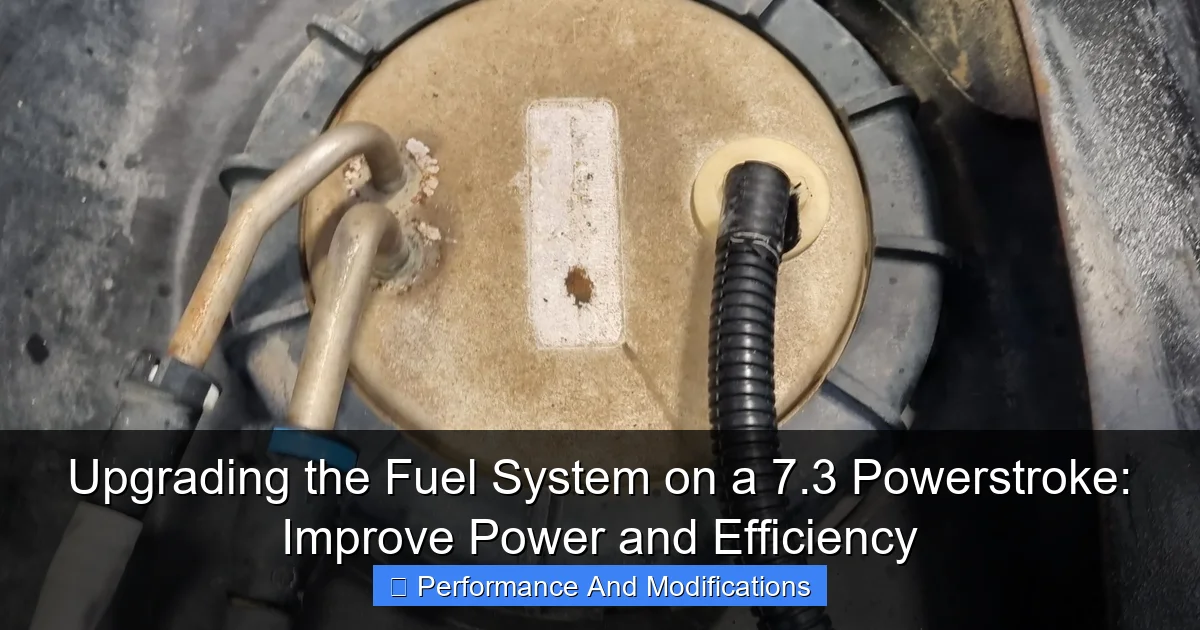
- Inconsistent Fuel Pressure: The factory electric fuel pump, located on the frame rail, struggles to maintain consistent fuel pressure, especially under heavy load or when the engine is demanding more fuel. Pressure can drop significantly, sometimes falling below 40 PSI, which is detrimental to injector performance and longevity.
- Fuel Bowl Woes: The iconic “fuel bowl” on top of the engine is a common source of problems. It houses the fuel heater and filter, but its plastic construction and numerous O-rings are prone to leaks, especially as the plastic ages and becomes brittle. Furthermore, it introduces significant restriction to fuel flow.
- Aeration and Cavitation: The factory system’s design, particularly the dead-head setup where fuel is returned from the pump rather than the cylinder heads, can lead to fuel aeration. This means air bubbles can become trapped in the fuel, causing inconsistent fuel delivery to the injectors. Cavitation, which occurs when liquid pressure rapidly changes, can also be an issue, leading to premature wear on critical components.
- Restrictive Fuel Lines: The original fuel lines are often of a smaller diameter and routing that can restrict fuel flow, further exacerbating pressure drops and reducing the overall volume of fuel reaching the injectors.
- Injector Stress: All these limitations combine to put undue stress on your expensive fuel injectors. Inconsistent pressure and aerated fuel lead to poor atomization and can cause injectors to wear out prematurely, manifesting as hard starts, rough idle, and decreased performance.
The Benefits of a Robust Fuel System
Upgrading the fuel system on a 7.3 Powerstroke directly addresses these issues, delivering a host of advantages:
- Consistent and Optimal Fuel Pressure: A key benefit is the ability to maintain a steady 60-70 PSI of fuel pressure at all times, ensuring your injectors receive a consistent supply for optimal atomization and combustion.
- Extended Injector Life: By eliminating aeration and maintaining consistent pressure, a performance fuel system dramatically reduces wear and tear on your injectors, saving you significant money in the long run. Many reports suggest a well-functioning fuel system can extend injector life by 30-50% or more.
- Increased Horsepower and Torque: When your engine receives precisely the fuel it needs, when it needs it, combustion is optimized. This translates directly to measurable gains in both horsepower and torque, especially noticeable in modified trucks. Expect to see power increases, with some setups contributing 20-50+ HP depending on the overall build.
- Improved Fuel Efficiency: More efficient combustion means less wasted fuel. While not always a dramatic change, many owners report a slight improvement in MPG after a comprehensive fuel system upgrade, often 0.5 to 1.5 MPG, depending on driving habits and the overall condition of the vehicle.
- Enhanced Reliability: A robust aftermarket system is built with higher-quality components designed to withstand the rigors of heavy use. You’ll experience fewer leaks, fewer worries about fuel starvation, and an overall more reliable truck.
- Smoother Operation: With consistent fuel delivery, your engine will likely idle smoother, start easier, and have a more linear power delivery throughout the RPM range.
Key Components for Your 7.3 Powerstroke Fuel System Upgrade
A comprehensive 7.3 Powerstroke fuel system upgrade typically involves several integrated components working in harmony. Understanding each part’s role is crucial for selecting the right setup for your needs.

Learn more about Upgrading the fuel system on a 7.3 Powerstroke – Upgrading the Fuel System on a 7.3 Powerstroke: Improve Power and Efficiency
Image source: snakeeaterperformance.com
High-Performance Fuel Pumps
The heart of any upgraded fuel system is a high-performance fuel pump. The factory pump simply can’t keep up with increased demands, especially when you’ve tuned your truck or installed larger injectors. Aftermarket pumps offer superior flow rates and the ability to maintain consistent pressure.
- AirDog and FASS Systems: These are arguably the most popular and comprehensive solutions. Brands like AirDog and FASS offer complete “lift pump” systems that often include a high-flow pump, superior filtration (both fuel and air separation), and a water separator. They are known for eliminating aeration and delivering clean, pressurized fuel directly to your engine. Typical flow rates range from 100 GPH to 200 GPH or more.
- Walbro/Bosch Pumps: Some enthusiasts opt for standalone electric pumps from brands like Walbro or Bosch. These can be integrated into custom setups, often paired with external filters and regulators. While effective, they may require more custom fabrication and sourcing of additional components compared to a pre-engineered AirDog or FASS kit.
When selecting a pump, consider your current and future power goals. A stock engine with a mild tune might do fine with a 100 GPH system, while a truck with large injectors and a big turbo will benefit from a 160 GPH or even 200 GPH setup.
Fuel Bowl Delete and Regulated Return Systems
One of the most impactful parts of a 7.3 Powerstroke fuel system upgrade is eliminating the factory fuel bowl and installing a regulated return system.
- Fuel Bowl Delete 7.3 Powerstroke: This modification removes the problematic factory fuel bowl, along with its notorious leak points and flow restrictions. In its place, adapters are installed to directly connect the fuel lines, often routing to external, higher-capacity filters. Deleting the fuel bowl cleans up the engine bay and simplifies the fuel path.
- Regulated Return 7.3: This is a critical upgrade for maintaining consistent fuel pressure at your injectors. In the factory dead-head system, fuel is pushed to the cylinder heads, and any excess is returned from the pump, creating pressure fluctuations. A regulated return system, however, routes fuel to both cylinder heads and then combines it at a fuel pressure regulator, which is typically mounted on the engine. Excess fuel is then returned to the tank from this regulator. This ensures that a constant, even pressure is maintained across all injectors, eliminating pressure drops and aeration, leading to much happier and longer-lasting injectors.
Upgraded Fuel Lines and Fittings
What good is a high-flow pump and a regulated return if your fuel lines can’t handle the volume? Upgrading the fuel system on a 7.3 Powerstroke almost always includes replacing the restrictive factory fuel lines.
- Larger Diameter Lines: Most aftermarket kits utilize 1/2-inch diameter fuel lines (compared to the factory 3/8-inch) to significantly reduce restriction and allow for greater fuel volume delivery. This helps maintain pressure and flow, especially at high RPMs and under load.
- AN Fittings: Aerospace-grade AN (Army-Navy) fittings and braided stainless steel or high-quality rubber hose are standard in performance fuel systems. These fittings provide secure, leak-free connections that are highly durable and resistant to vibration and extreme temperatures.
Fuel Filters and Water Separators
Clean fuel is paramount for injector longevity. Performance fuel systems integrate superior filtration.
- Multi-Stage Filtration: Many aftermarket systems, like FASS and AirDog, incorporate a primary fuel filter, often 10 microns, and a secondary filter, typically 2 microns. This multi-stage approach ensures extremely clean fuel reaches your injectors.
- Water Separation: Diesel fuel is notorious for collecting water. A dedicated water separator is essential to remove moisture, which can cause rust, microbial growth, and severe damage to injectors and fuel pumps. Integrated water separators in high-performance fuel systems are highly effective at preventing these issues.
Step-by-Step Guide to a Comprehensive 7.3 Powerstroke Fuel System Overhaul
Undertaking a comprehensive 7.3 Powerstroke fuel system upgrade can seem daunting, but breaking it down into manageable steps makes the process clearer. While specific instructions vary by kit, here’s a general overview.
Planning Your Upgrade Path
Before turning a wrench, careful planning is essential:
- Assess Your Power Goals: Are you staying stock or aiming for 400 HP, 500 HP, or more? This dictates the size of your fuel pump and other components.
- Budget: Fuel system upgrades can range from a few hundred dollars for basic components to over $1,500-$2,000 for top-tier complete kits.
- Kit vs. Custom: Decide if you prefer an all-in-one kit (e.g., FASS, AirDog) or sourcing individual components for a custom setup. Kits are generally easier for DIYers.
- Research: Read reviews, watch installation videos, and join online forums to gather insights from others who have completed similar upgrades.
Installation Overview (General Steps)
This is a simplified guide. Always refer to your specific kit’s instructions.
- Safety First: Disconnect batteries, relieve fuel pressure, wear appropriate safety gear. Have a fire extinguisher handy.
- Drain Fuel and Remove Old Components:
- Drain the factory fuel bowl and remove it from the top of the engine.
- Disconnect the factory fuel pump and lines from the frame rail and fuel tank sending unit. You might choose to leave the factory pump in place but bypass it, or remove it entirely.
- Install New Fuel Pump:
- Mount your new lift pump (e.g., FASS or AirDog) to the frame rail, often using provided brackets.
- Run new feed lines from the fuel tank sending unit (often requiring a tank modification or a ‘draw straw’ kit) to the input side of the new pump.
- Install Fuel Bowl Delete and Regulated Return:
- Install the fuel bowl delete adapter on top of the engine.
- Route new fuel lines from your lift pump to the fuel bowl delete adapter and then to the cylinder heads.
- Install the new fuel pressure regulator and route the return line from the regulator back to the fuel tank. This typically involves modifying the fuel filler neck or using a dedicated return bung.
- Wiring and Electrical:
- Wire the new fuel pump according to the manufacturer’s instructions, typically requiring a relay and direct connection to battery power.
- Install a fuel pressure gauge sender if your kit includes one (highly recommended for monitoring).
- Double-Check Connections and Bleed Air:
- Thoroughly inspect all fuel lines, fittings, and electrical connections for tightness and proper routing.
- Cycle the key multiple times (without starting) to prime the system and allow the new pump to push fuel and trapped air through the lines. Listen for the pump to quiet down, indicating it’s fully primed.
- Start and Test:
- Start the engine and immediately check for leaks.
- Monitor your fuel pressure gauge to ensure it’s holding steady at the desired PSI (typically 60-70 PSI).
- Take the truck for a test drive, paying attention to any abnormal noises or performance issues.
While DIY is possible for those mechanically inclined, professional installation is always an option if you’re uncomfortable with the process.
Maximizing Performance: Integrating Injectors and Tuning
A high-quality 7.3 Powerstroke fuel system upgrade lays the foundation for serious performance gains, especially when paired with complementary modifications. The fuel system, injectors, and engine tuning are intrinsically linked.
Matching Fuel System to Injectors
Your fuel system and injectors must be perfectly matched. If you’re running larger, aftermarket fuel injectors 7.3, a stock or barely-upgraded fuel system will quickly become a severe bottleneck. The larger injectors demand significantly more fuel volume and consistent pressure to operate correctly.
- Starving Injectors: Failing to supply adequate fuel to larger injectors can lead to poor atomization, increased exhaust gas temperatures (EGTs), excessive smoke, and even physical damage to the injector nozzles or internal components. The reduced lubrication from aerated or low-pressure fuel can also accelerate wear.
- Optimal Performance: Conversely, when a robust fuel system feeds large injectors with ample, clean, and consistently pressurized fuel, the injectors can perform to their full potential. This synergy results in maximum horsepower and torque output, along with better throttle response and cleaner burning.
For example, if you install 238/80 (238cc flow, 80% nozzle) injectors, a stock fuel pump providing 40-50 PSI will severely limit their capability. However, with an AirDog 7.3 Powerstroke or FASS 7.3 Powerstroke system maintaining a solid 65 PSI, those injectors can truly shine, delivering their rated power efficiently.
The Role of Custom Tuning
Once you’ve installed a performance fuel system and potentially larger injectors, custom engine tuning becomes not just beneficial, but absolutely essential. The factory engine computer (PCM) is programmed for the stock components; it won’t understand how to properly manage the increased fuel delivery of your new setup.
- Optimized Fuel Maps: A custom tuner will adjust the fuel injection timing, duration, and pressure to take full advantage of your upgraded fuel system and injectors. This ensures that the engine is receiving the correct amount of fuel at the precise moment for optimal combustion.
- EGT Management: Proper tuning helps manage EGTs, preventing excessive heat that can damage your turbocharger and engine components, especially with more aggressive fuel delivery.
- Smoke Reduction: While some smoke is inherent to high-performance diesels, good tuning minimizes excessive black smoke by ensuring complete combustion of the fuel.
- Power and Drivability: Ultimately, custom tuning unlocks the full power potential of your modifications, providing significant gains in horsepower and torque, along with improved throttle response and overall drivability. Collaborating with a reputable tuner who specializes in 7.3 Powerstrokes and has experience with upgraded fuel systems is paramount.
Common Issues to Avoid and Maintenance Tips
While upgrading the fuel system on a 7.3 Powerstroke offers substantial benefits, avoiding common pitfalls during installation and adhering to proper maintenance will ensure long-term reliability and performance.
Pitfalls During Installation
Even experienced DIYers can encounter issues. Being aware of these can save you headaches:
- Air Leaks in Fuel Lines: This is perhaps the most common and frustrating issue. Even a tiny air leak in the suction side of the fuel system can cause hard starting, rough idle, loss of power, and put immense strain on your fuel pump and injectors. Always double-check all connections, use appropriate sealants (if recommended by the kit manufacturer), and ensure lines are not crimped or damaged.
- Improper Wiring: Incorrect wiring of your new fuel pump or relay can lead to the pump not functioning, blowing fuses, or even damaging electrical components. Follow wiring diagrams meticulously and ensure all connections are clean and secure.
- Ignoring Fuel Pressure Gauge Installation: A fuel pressure 7.3 Powerstroke gauge is your diagnostic lifeline. Without it, you’re driving blind regarding one of the most critical aspects of your fuel system. Install a reliable gauge and monitor it regularly. Fluctuations or low pressure are immediate indicators of a problem.
- Incorrect Line Routing: Improperly routed fuel lines can rub against other components, chafe, and eventually leak. Take your time to ensure lines are routed safely away from sharp edges, hot exhaust, and moving parts.
Post-Upgrade Maintenance for Longevity
Your new fuel system, while more robust, still requires diligent maintenance to provide years of trouble-free service:
- Regular Filter Changes: This is non-negotiable. Adhere strictly to the manufacturer’s recommended filter change intervals for your high-performance fuel filters and water separators. These filters are working harder to keep your fuel clean, and neglecting them will lead to reduced flow, decreased performance, and potential damage. Depending on the system and fuel quality, this could be every 15,000-30,000 miles or annually.
- Monitoring Fuel Pressure: As mentioned, your fuel pressure gauge is key. Routinely check the pressure during idle, cruising, and under load. Any significant drop or fluctuation could indicate a clogged filter, a dying pump, or a leak.
- Inspecting Lines and Fittings: Periodically check all your fuel lines and AN fittings for signs of wear, chafing, leaks, or loose connections. Address any issues promptly.
- Using Quality Fuel: Always fill up at reputable stations and consider using a high-quality diesel fuel additive, especially one that provides lubricity, cleans injectors, and addresses water contamination. This is cheap insurance for your entire fuel system.
By following these guidelines, you’ll maximize the lifespan and performance benefits of your upgraded 7.3 Powerstroke fuel system.
Comparative Benefits: Stock vs. Upgraded 7.3 Powerstroke Fuel Systems
To truly appreciate the impact of a comprehensive fuel system upgrade, it’s helpful to see a direct comparison of how key aspects of the fuel delivery change from a factory setup to a well-designed aftermarket system.
| Component Area | Stock 7.3 Fuel System (Approx. Performance) | Aftermarket Upgrade Example (Approx. Performance) | Primary Benefit of Upgrade |
|---|---|---|---|
| Fuel Pump Pressure | 40-60 PSI (often drops below 40 PSI under load) | 60-70 PSI (consistently maintained under all conditions) | Ensures optimal injector performance & atomization, extends injector life. |
| Fuel Pump Flow Rate | ~40-50 Gallons Per Hour (GPH) | 100-200+ GPH (depending on specific pump/kit) | Ample fuel supply for increased demands, prevents starvation, reduces cavitation. |
| Fuel Line Diameter | ~3/8 inch (restrictive) | 1/2 inch or larger (high-flow) | Significantly reduces restriction, increases fuel volume delivery. |
| Fuel Filtration | Factory fuel bowl filter (typically 10-micron primary, 2-micron secondary) | Multi-stage filtration (e.g., 10-micron primary, 2-micron secondary, water separator) | Cleaner fuel, superior water removal, longer filter life, extended injector/pump life. |
| Fuel Bowl | Present, prone to leaks, flow restriction, heat issues | Deleted and replaced with high-flow adapters | Eliminates leak points, improves flow, cleans up engine bay. |
| Fuel Return System | Dead Head (return from pump), causes pressure fluctuations at injectors | Regulated Return (return from cylinder heads) | Maintains consistent fuel pressure across all injectors, reduces aeration, cooler fuel. |
| Injector Lifespan | Variable, often shortened by aeration & pressure drops | Significantly extended (potentially 30-50% or more) | Reduced wear, improved reliability, avoids costly injector replacements. |
| Power & Efficiency | Stock performance levels | Noticeable gains in HP/TQ (20-50+ HP), potential for 0.5-1.5 MPG improvement | Unlocks engine’s true potential, better utilization of fuel, more enjoyable driving. |
Conclusion
The 7.3 Powerstroke is a formidable engine, a true workhorse built for the long haul. However, its factory fuel system, while revolutionary for its time, is undoubtedly the weakest link when it comes to maximizing performance, efficiency, and longevity in today’s demanding environment. By committing to upgrading the fuel system on a 7.3 Powerstroke, you’re not just adding aftermarket parts; you’re investing in the future of your truck.
From ensuring consistent and optimal fuel pressure 7.3 Powerstroke to eliminating aeration and providing superior filtration, a comprehensive fuel system upgrade pays dividends in multiple ways. You’ll experience more reliable power, potentially improved fuel efficiency 7.3 Powerstroke, and significantly extended life for your expensive fuel injectors. Whether you opt for a complete solution like an AirDog 7.3 Powerstroke or FASS 7.3 Powerstroke system, or piece together a custom regulated return 7.3 with a fuel bowl delete 7.3, the benefits are undeniable.
Don’t let an outdated fuel delivery system hold your legendary 7.3 Powerstroke back. Give your engine the clean, consistent fuel supply it craves and unlock its true potential for years of powerful, efficient, and reliable driving. It’s an investment that will not only enhance your driving experience but also protect your valuable engine components. Start planning your fuel system upgrade today, and feel the difference!
🎥 Related Video: Increase 7.3 fuel mileage
📺 chris roach
Removing spring and plunger from fuel bowl in a 2003 f250 7.3. These fuel bowls are on 99-2004 f250’s and f350’s the 2004 6.0 …
Frequently Asked Questions
Why should I consider upgrading the fuel system on my 7.3 Powerstroke?
The factory fuel system on a 7.3 Powerstroke can often struggle to maintain adequate fuel pressure and flow, especially when performance modifications are introduced or as the vehicle ages. An upgrade ensures consistent and robust fuel delivery, which is crucial for maximizing power output, improving throttle response, and enhancing overall engine efficiency and longevity.
What are the main components involved in a 7.3 Powerstroke fuel system upgrade?
A typical 7.3 Powerstroke fuel system upgrade often includes a more powerful and reliable electric fuel pump, larger diameter fuel lines, an improved fuel filter/water separator system, and an adjustable fuel pressure regulator. Some comprehensive kits may also feature a fuel tank sump or an upgraded fuel return system to further optimize flow.
What benefits can I expect after upgrading the fuel system on my 7.3 Powerstroke?
You can expect a range of benefits, including more consistent and reliable power delivery, improved throttle response, and potentially better fuel economy due to more efficient combustion. A robust fuel system also helps protect your expensive injectors by ensuring they consistently receive adequate, stable, and clean fuel pressure, prolonging their lifespan.
Is a fuel system upgrade necessary for a mostly stock 7.3 Powerstroke?
While a fuel system upgrade is highly recommended for modified 7.3 Powerstroke trucks, even a mostly stock vehicle can significantly benefit. It addresses common weak points in the original design, providing a solid foundation for improved reliability and efficiency, and prepares the truck for any future performance enhancements you might consider.
How difficult is it to install an upgraded fuel system on a 7.3 Powerstroke?
The difficulty of installing an upgraded fuel system on a 7.3 Powerstroke can vary based on the kit’s complexity and your mechanical experience. While some components are relatively straightforward, others, such as modifying the fuel tank or routing new fuel lines, may require more specialized tools and knowledge. Professional installation is a great option if you’re not comfortable with the DIY process.
Do I need custom tuning after upgrading my 7.3 Powerstroke fuel system?
While not always strictly mandatory for a basic fuel system upgrade, custom tuning is highly recommended to fully realize the potential benefits on your 7.3 Powerstroke. Tuning allows your engine’s computer to optimize fuel delivery and timing for the increased flow and pressure, ensuring maximum power, efficiency, and reliability from your new setup.