Upgrading 7.3 Powerstroke with Performance Injectors: Improve Fuel Flow
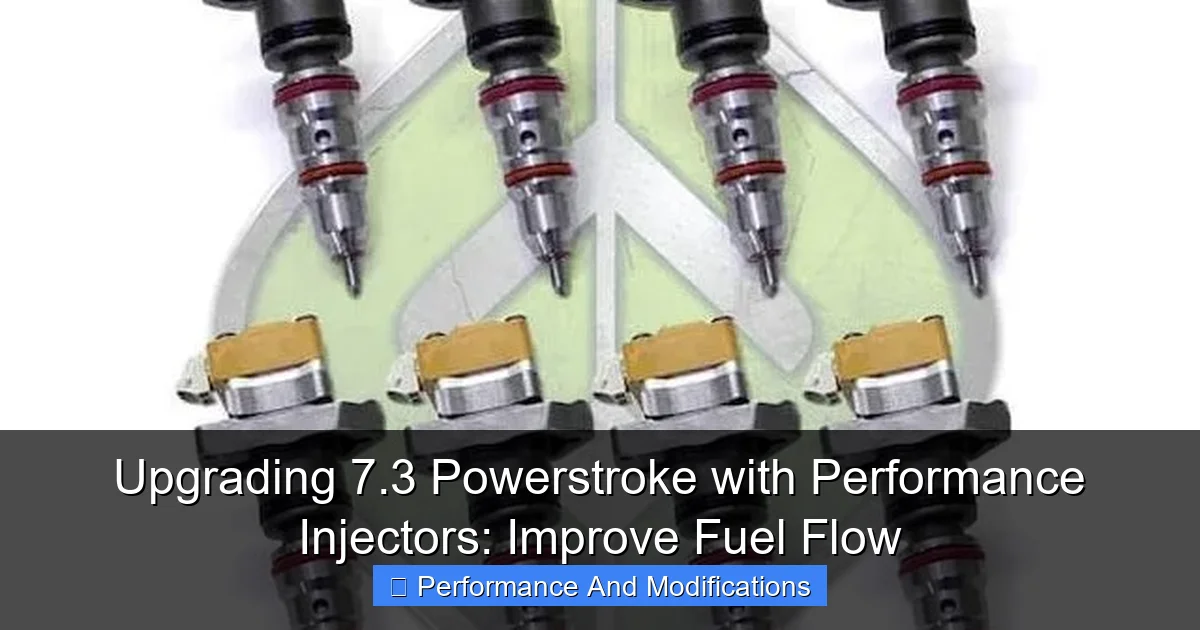
Featured image for this comprehensive guide about Upgrading 7.3 Powerstroke with performance injectors
Image source: zzdiesel.com
The 7.3L Powerstroke diesel engine isn’t just an engine; it’s a legend. For decades, it has been revered for its robust reliability, incredible durability, and a mechanical simplicity that modern diesels often lack. From work trucks hauling heavy loads to daily drivers covering countless miles, the 7.3 Powerstroke has earned its place in the pantheon of iconic internal combustion engines. However, even legends can be improved, and for many owners, the desire for more power, more torque, and simply a more responsive driving experience is a constant pursuit.
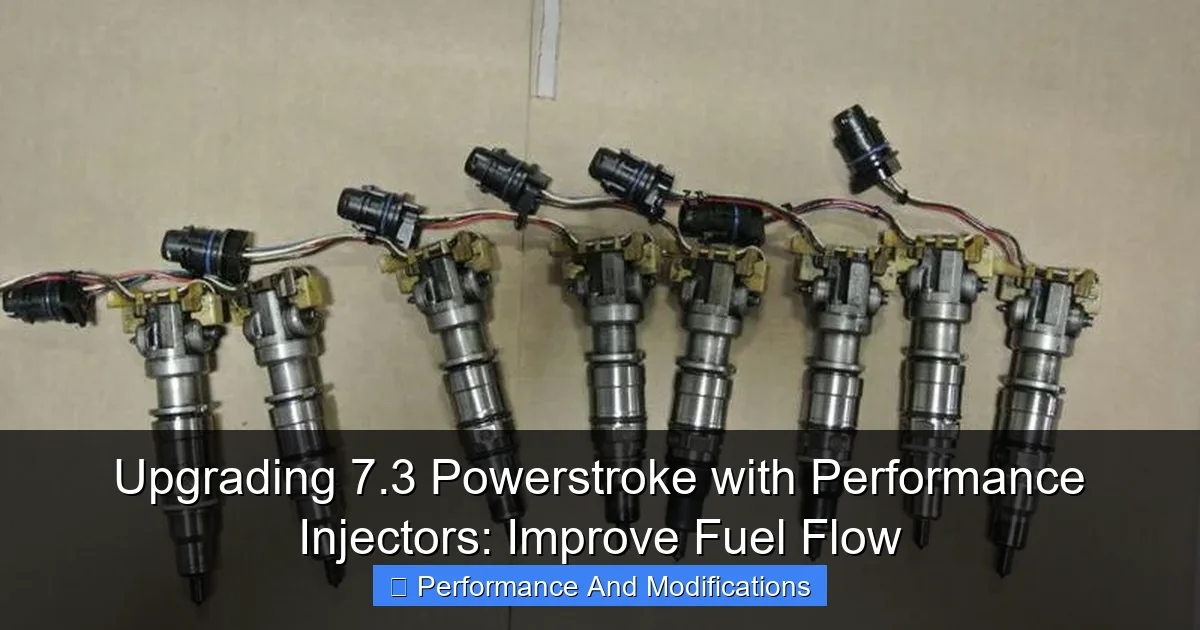
If you’re a proud owner of a 7.3 Powerstroke, you’ve likely considered various upgrades to unleash its full potential. While turbochargers, tuners, and exhaust systems all play crucial roles, one of the most impactful and foundational modifications you can make is to your truck’s fuel delivery system: specifically, by upgrading 7.3 Powerstroke with performance injectors. These aren’t just replacement parts; they are precision-engineered components designed to significantly improve fuel flow, allowing your engine to breathe deeper, generate more power, and perform at an entirely new level.
This comprehensive guide will delve deep into the world of 7.3 Powerstroke performance injectors. We’ll explore why they’re such a vital upgrade, demystify the different types available, help you choose the right set for your specific goals, and guide you through the critical considerations for a successful installation and optimal performance. Prepare to unlock the hidden power within your legendary 7.3 Powerstroke.
Quick Answers to Common Questions
Why should I consider upgrading my 7.3 Powerstroke with performance injectors?
Upgrading to performance injectors can dramatically increase your truck’s horsepower and torque, giving you a noticeable boost in power for towing, hauling, or just enjoying a more responsive ride.
What kind of power gains can I expect from new performance injectors on my 7.3?
Many 7.3 owners report gains of 50 to 150+ horsepower and significant torque improvements, depending on the injector size and other supporting modifications. It’s an excellent way to unlock serious potential.
Do I need other modifications when installing performance injectors on my 7.3 Powerstroke?
Yes, absolutely! Custom tuning is essential to properly run performance injectors, and we highly recommend an upgraded fuel pump, air intake, and often an exhaust system to maximize your gains and maintain reliability.
Is installing performance injectors on a 7.3 Powerstroke a difficult job for a DIY mechanic?
It can be quite involved; accessing and replacing the injectors requires specific tools and knowledge, and can be time-consuming. While skilled DIYers can do it, professional installation ensures proper sealing and function.
Will upgrading to performance injectors affect my 7.3 Powerstroke’s fuel economy?
Fuel economy can vary; while you have the potential to use more fuel when you’re heavily on the throttle, many find that with proper tuning, cruising fuel economy can remain similar or even slightly improve due to better atomization and efficiency.
📋 Table of Contents
- Why Upgrade Your 7.3 Powerstroke Injectors? Unlocking Hidden Potential
- Understanding 7.3 Powerstroke Injector Types: Stock, Hybrids, and Singles
- Choosing the Right Performance Injectors for Your 7.3: Size Matters!
- The Installation Process and Post-Upgrade Considerations
- Potential Pitfalls and How to Avoid Them
- Fueling the Beast: Performance Injectors and Your Overall Build
Why Upgrade Your 7.3 Powerstroke Injectors? Unlocking Hidden Potential
Your 7.3 Powerstroke came from the factory with a very capable fuel system for its time. However, technological advancements and the sheer desire for more power have shown that the stock injectors, while reliable, leave a significant amount of performance on the table. For enthusiasts looking to push their trucks beyond stock capabilities, upgrading 7.3 Powerstroke with performance injectors is often the first, most logical step.
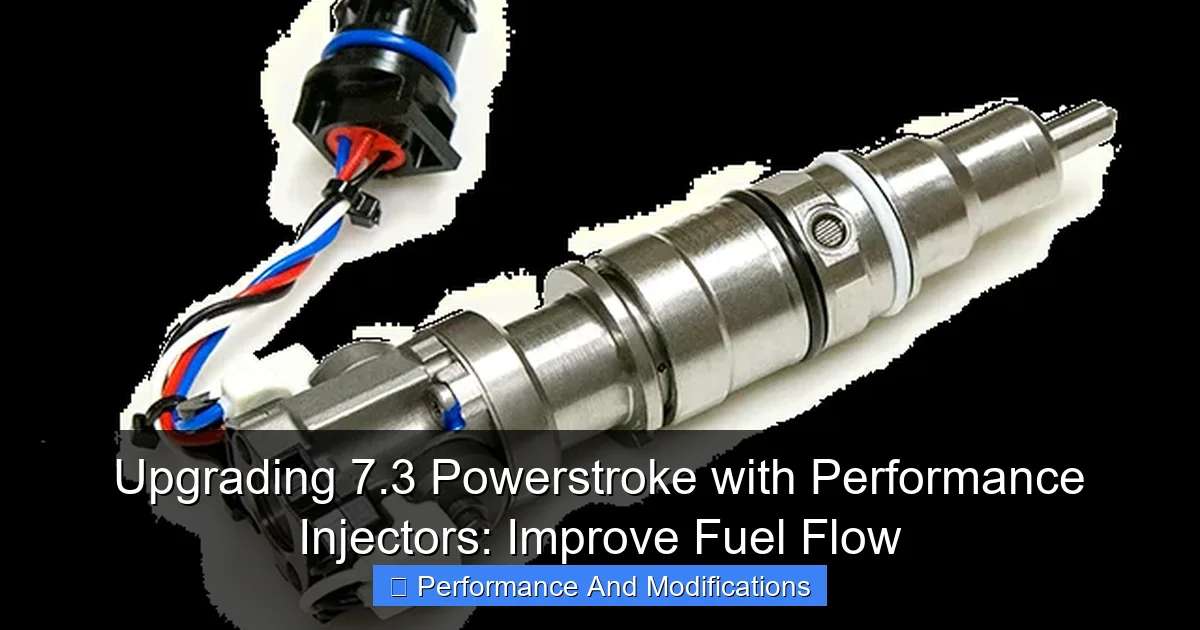
Learn more about Upgrading 7.3 Powerstroke with performance injectors – Upgrading 7.3 Powerstroke with Performance Injectors: Improve Fuel Flow
Image source: zzdiesel.com
The Limitations of Stock Injectors
Factory 7.3 Powerstroke injectors were designed for a balance of power, emissions, and longevity suitable for general use. They utilize what’s known as a “split shot” injection event (AD/AE codes) in most later models, meaning fuel is injected in two pulses – a small pilot shot followed by a main shot. While this reduces combustion noise and emissions, it limits the total fuel volume that can be delivered efficiently per combustion cycle. For owners seeking substantial power gains, this limitation becomes a bottleneck, preventing the engine from maximizing its air intake and turbo performance. Older, early 7.3s (up to early 1999) sometimes came with “single shot” (AC code) injectors, which, while offering better fuel delivery for power, were smaller in overall flow capacity compared to modern performance options.
| Injector Size (cc/nozzle) | Est. HP Gain (Over Stock) | Key Supporting Modifications | Typical Application / Use |
|---|---|---|---|
| Stock (140/0) | N/A (Baseline) | None required | OEM Specs, Light Duty, Efficiency Focused |
| 160/0 – 160/30 | +40 to 60 HP | Custom Tuning, Intake/Exhaust, Fuel Pressure Regulator | Mild Daily Driver, Light-to-Moderate Towing |
| 180/30 – 180/75 | +70 to 100 HP | Custom Tuning, Upgraded Fuel System (e.g., e-fuel), Turbo Upgrade (recommended), Upgraded HPOP | Performance Daily Driver, Heavy Towing, Street Performance |
| 238/80 – 238/100 | +120 to 150 HP | Custom Tuning, Full Fuel System Upgrade, Large Turbo Upgrade, Dual HPOP (recommended), Intercooler | Serious Street Performance, Drag Racing, Competition Towing |
| 250/100+ (or Larger) | +170 to 220+ HP | Aggressive Custom Tuning, Full Competition Fuel System, Large T4 Turbo, Dual HPOP, Intercooler, Head Studs, Engine Internals | Max Performance, Sled Pulling, Dedicated Race Vehicle |
Key Benefits: Power, Torque, and Potential Efficiency
The primary reason owners choose to install performance injectors 7.3 Powerstroke is for a dramatic increase in horsepower and torque. By allowing the engine to receive a greater, more precise volume of fuel, these injectors facilitate a more complete and powerful combustion event. This translates directly into:
- Significant Horsepower Gains: Depending on the size of injectors and supporting modifications, you can expect anywhere from 50 to well over 200 additional horsepower.
- Enhanced Torque: More fuel means more twisting power, which is invaluable for towing heavy loads, off-roading, or simply enjoying the feeling of being pushed back into your seat.
- Improved Throttle Response: A more efficient fuel delivery system often results in a quicker, more direct response to throttle input.
- Potential for Improved Fuel Economy (with proper tuning): While counter-intuitive, better atomization and a more efficient burn can, under certain driving conditions and with proper custom tuning, lead to slight improvements in fuel economy, especially at cruising speeds. However, the main goal is power, and heavy-footed driving will negate any efficiency gains.
- Foundation for Further Upgrades: 7.3 Powerstroke injectors upgrade is often the cornerstone for other major modifications like larger turbochargers, intercoolers, and aggressive tuning, as these all rely on adequate fuel delivery.
Understanding 7.3 Powerstroke Injector Types: Stock, Hybrids, and Singles
When you start researching 7.3 Powerstroke performance injectors, you’ll quickly encounter various terms and codes. Understanding these distinctions is crucial for making an informed decision about your upgrade. The 7.3L Powerstroke utilizes a unique hydraulically actuated electronically controlled unit injector (HEUI) system, meaning the engine oil pump (HPOP) plays a direct role in injector operation.
Learn more about Upgrading 7.3 Powerstroke with performance injectors – Upgrading 7.3 Powerstroke with Performance Injectors: Improve Fuel Flow
Image source: 2040-parts.com
AD/AE Code Stock Injectors
Most 1999.5-2003 7.3 Powerstroke engines came equipped with AD or AE code injectors. These are “split shot” injectors, as mentioned earlier, designed with two injection events per combustion cycle. They typically flow around 140cc of fuel. While excellent for reducing noise and emissions, their dual-shot nature and relatively smaller flow volume limit their ultimate power potential without significant modification. They are a good, reliable stock component, but not built for high-performance applications.
AC Code Injectors (Early Models)
Earlier 7.3 Powerstrokes, primarily 1994.5-early 1999 models, often utilized AC code injectors. These are “single shot” injectors, delivering all their fuel in one powerful pulse. While they have a simpler design and generally better fuel atomization for power compared to stock split shots of similar size, their total flow capacity (around 120cc) is still relatively modest for serious performance gains. However, the single-shot characteristic is desirable for performance, leading to the development of larger single-shot performance injectors.
Hybrid Injectors: The Best of Both Worlds?
Hybrid injectors 7.3 Powerstroke are a popular choice for many enthusiasts. They effectively combine the best features of different injector types. A hybrid injector typically uses a stock AD/AE body but incorporates larger internal components (like a larger plunger and barrel assembly) to increase fuel volume. Crucially, they still operate on the same high-pressure oil system as the stock injectors, but can deliver significantly more fuel per stroke. This allows for substantial power increases without requiring a massive upgrade to the HPOP, though a stronger HPOP is always beneficial with any larger injector. Hybrid injectors can also be converted to single-shot operation for even greater power potential.
Single-Shot Injectors: Max Flow for Max Power
True single-shot injectors 7.3 Powerstroke are designed for maximum fuel delivery in a single, powerful pulse. These are often built with completely new, larger bodies or heavily modified stock bodies, and they require more high-pressure oil to actuate due to their increased internal volume. Single-shot injectors provide the most aggressive fuel delivery and are typically chosen for high-horsepower builds, racing applications, or extreme towing setups. They offer superior atomization and a very clean, powerful burn when properly tuned. However, their demand for high-pressure oil means that an upgraded High-Pressure Oil Pump (HPOP) is almost always a mandatory supporting modification.
Choosing the Right Performance Injectors for Your 7.3: Size Matters!
Selecting the ideal 7.3 Powerstroke performance injectors is not a one-size-fits-all decision. It requires careful consideration of your specific goals, your budget, and the current state of your engine and supporting modifications. Going too big without the necessary support can lead to poor performance, excessive smoke, and even engine damage.
Flow Rates and Nozzle Sizes Explained
When discussing 7.3 Powerstroke injectors upgrade, you’ll see numbers like “160/0,” “205/30,” or “238/80.” Let’s break down what these mean:
- First Number (e.g., 160, 205, 238): This represents the approximate flow rate of the injector in cubic centimeters (cc). This indicates how much fuel the injector can deliver per stroke. Larger numbers mean more fuel, and thus, more potential power.
- Second Number (e.g., 0, 30, 80): This represents the percentage increase in the size of the nozzle at the tip of the injector. A larger nozzle allows the greater volume of fuel to exit the injector more quickly and efficiently, crucial for high-flow applications.
- “/0” Nozzle: Denotes a stock nozzle size, often used with hybrid injectors to provide increased fuel volume through a stock-sized opening.
- “/30” Nozzle: Indicates a 30% larger nozzle opening than stock.
- “/80” Nozzle: Indicates an 80% larger nozzle opening, typically for very high-horsepower applications.
For example, a “160/0” hybrid injector flows 160cc of fuel through a stock-sized nozzle, making it a popular choice for mild upgrades or heavy towing. A “238/80” single-shot injector flows 238cc through an 80% larger nozzle, a serious contender for high-horsepower builds.
Matching Injectors to Your Goals
- Mild Upgrade/Heavy Towing (50-75 HP gain): Consider 160/0 or 160/30 hybrid injectors. These provide a noticeable power boost and improved towing performance without demanding extensive supporting modifications.
- Daily Driver/Performance Enthusiast (75-125 HP gain): Options like 180/30 or 205/30 hybrids are excellent. They offer significant power and torque, making the truck much more fun to drive, but will likely require an upgraded HPOP and a robust fuel system.
- Max Performance/Race Truck (125+ HP gain): This category often moves into larger hybrid or true single-shot injectors like 238/80, 250/100, or even larger. These builds demand a completely overhauled fuel system, dual HPOPs, a large turbo, intercooler, and often transmission upgrades.
Critical Supporting Modifications (HPOP, Fuel System, Turbo)
Simply throwing in larger injectors without addressing your engine’s ability to supply oil and fuel to them is a recipe for disaster. The more fuel your injectors can flow, the more your engine needs to deliver it. Key supporting modifications include:
- High-Pressure Oil Pump (HPOP): Since 7.3 Powerstroke performance injectors are hydraulically actuated, a larger or dual HPOP setup is essential for maintaining sufficient oil pressure, especially with larger single-shot or hybrid injectors. Without adequate HPOP, fuel atomization suffers, leading to poor performance and excessive smoke.
- Fuel System Upgrade: Your stock low-pressure fuel pump may struggle to keep up with the demands of high-flow injectors. An upgraded FASS (Fuel Air Separation System) or AirDog lift pump is highly recommended to ensure consistent, clean fuel delivery at the correct pressure.
- Turbocharger Upgrade: More fuel requires more air to burn efficiently. A larger, more efficient turbocharger will be necessary to prevent high exhaust gas temperatures (EGTs), excessive smoke, and to fully realize the power potential of your new injectors.
- Custom Tuning: This is NON-NEGOTIABLE. Your engine’s computer (PCM) needs to be reprogrammed (tuned) to properly manage the increased fuel flow, adjust timing, and optimize performance for the new injectors. Without proper tuning, performance injectors will likely lead to excessive smoke, poor idle, and potential engine damage.
The Installation Process and Post-Upgrade Considerations
Installing 7.3 Powerstroke performance injectors is not a trivial task. It requires mechanical aptitude, specific tools, and a meticulous approach. While many DIY enthusiasts tackle the job, understanding the complexities involved is crucial.
DIY vs. Professional Installation
The injector installation on a 7.3 Powerstroke involves removing the valve covers, disconnecting fuel lines, glow plugs, and high-pressure oil lines. It’s a job that can be done at home with the right tools (torque wrench, injector removal/installation tools, a good set of sockets/wrenches) and a detailed service manual. However, mistakes can be costly. Improper seating of injectors, damaged O-rings, or incorrect torque specs can lead to fuel leaks, oil leaks, and costly engine damage.
For most owners, especially those without extensive diesel experience, professional installation by a reputable diesel shop is highly recommended. Experienced technicians can perform the installation efficiently and correctly, often identifying and addressing other potential issues while they’re in there (e.g., glow plugs, valve cover gaskets).
Essential Supporting Mods for Optimum Performance (Tuning!)
We cannot stress this enough: custom tuning for 7.3 Powerstroke is absolutely essential when upgrading 7.3 Powerstroke with performance injectors. Your factory PCM (Powertrain Control Module) is programmed for stock injectors. Introducing injectors that flow significantly more fuel without adjusting the computer’s parameters will lead to:
- Excessive black smoke (unburnt fuel)
- Poor idle quality
- Rough running
- Reduced power (as the engine struggles to manage the fuel)
- High EGTs (Exhaust Gas Temperatures), which can damage your turbo and engine
- Potential “runaway” condition in extreme cases
A reputable tuner will create custom tunes specifically for your injector size, turbo, HPOP, and other modifications. This optimizes fuel delivery, injection timing, boost control, and transmission shifting for maximum power, efficiency, and engine longevity.
Beyond tuning, remember the previously mentioned supporting mods:
- Upgraded HPOP: Ensure your high-pressure oil pump can keep up.
- Better Fuel Delivery: Consider a FASS or AirDog system.
- Larger Turbo: To match increased fuel with increased air.
- Monitoring Gauges: Boost, EGT, and Fuel Pressure gauges are critical to monitor your engine’s health and ensure it’s operating safely.
Break-in Period and Maintenance Tips
After installing your new 7.3 Powerstroke injectors upgrade, a short break-in period is advisable. Drive gently for the first 500-1000 miles, avoiding heavy throttle and sustained high RPMs. This allows the new components to seat properly and for the engine to adapt to the new fuel delivery. It also gives you time to monitor for any leaks or unusual behavior.
Ongoing maintenance is also key:
- Regular Oil Changes: With the HEUI system, clean engine oil is paramount. Follow your manufacturer’s recommendations or even shorten intervals with higher performance.
- Fuel Filter Replacement: More frequent fuel filter changes are a good idea, especially with an upgraded fuel system, to protect your precision injectors.
- Monitor Gauges: Pay attention to your EGT, boost, and fuel pressure gauges. They are your engine’s primary communication tools.
- Listen to Your Engine: Any new noises, excessive smoke, or performance changes should be investigated promptly.
Potential Pitfalls and How to Avoid Them
While the rewards of upgrading 7.3 Powerstroke with performance injectors are significant, there are several common pitfalls that can turn an exciting upgrade into a frustrating and costly headache. Awareness and proper planning are your best defenses.
Overlooking Supporting Modifications
This is arguably the most common mistake. Many owners get excited about the potential power gains from large injectors but fail to account for the necessary “system” upgrades. As discussed, a larger HPOP, an upgraded fuel delivery system, and a turbocharger capable of moving more air are not optional extras; they are foundational requirements. Installing injectors that outflow your HPOP will lead to poor atomization, excessive smoke, and potentially washed-down cylinder walls due to incomplete combustion. Ignoring fuel delivery can starve the injectors, causing cavitation and premature failure. Always plan for a holistic approach to your power upgrades.
Cheap Injectors and Their Consequences
The market for 7.3 Powerstroke injectors can be daunting, with a wide range of prices. It’s tempting to opt for the cheapest option, but buyer beware! Rebuilt injectors can vary wildly in quality. Poorly rebuilt or low-quality new injectors can lead to:
- Premature Failure: Components not built to spec will simply not last under the pressures of a diesel engine.
- Poor Performance: Inconsistent fuel delivery, poor atomization, and reduced power output.
- Engine Damage: Leaking injectors can cause fuel to wash down cylinder walls, leading to increased wear on piston rings and cylinder liners. They can also lead to hydraulic lock if enough fuel collects in a cylinder.
- Warranty Issues: Many “bargain” injectors come with little to no warranty, leaving you exposed if they fail.
Invest in quality injectors from reputable manufacturers or authorized rebuilders. While they cost more upfront, they save you money and headaches in the long run.
Improper Tuning
Again, this cannot be overemphasized. Running large performance injectors 7.3 Powerstroke on a stock tune is like trying to run a marathon in flip-flops – it’s going to be painful and inefficient. Incorrect tuning can lead to:
- Excessive EGTs: The most dangerous consequence, potentially melting pistons or damaging the turbo.
- Heavy Black Smoke: A clear sign of unburnt fuel and inefficient combustion.
- Washed Cylinders: As mentioned, unburnt fuel can strip oil from cylinder walls.
- Loss of Power: The engine will not be able to properly utilize the added fuel.
- “Bucking” or Rough Running: Unpredictable engine behavior due to incorrect timing or fuel delivery.
Always work with a reputable diesel tuner who has extensive experience with the 7.3 Powerstroke platform. Provide them with a detailed list of all your modifications so they can craft a precise and safe custom tune.
Fueling the Beast: Performance Injectors and Your Overall Build
Upgrading 7.3 Powerstroke with performance injectors is a significant step, but it’s rarely the final one. These injectors are part of a larger ecosystem, and their true potential is unlocked when integrated thoughtfully into a comprehensive performance build. Thinking about how the injectors interact with other components will help you achieve a balanced, reliable, and powerful truck.
Integrating Injectors with Other Power Mods
Consider the airflow, exhaust, and transmission aspects of your truck when planning for larger injectors:
- Air Intake System: A high-flow cold air intake (CAI) ensures your turbo has a consistent supply of clean, cool air to compress.
- Exhaust System: A larger diameter, less restrictive exhaust (e.g., 4-inch or 5-inch turbo-back) allows exhaust gasses to exit more quickly, reducing back pressure and lowering EGTs, which is especially important with increased fueling.
- Intercooler: A more efficient intercooler will cool the compressed air from your turbo, increasing air density and allowing for more power and lower EGTs.
- Transmission Upgrades: Increased horsepower and torque can quickly overwhelm a stock automatic transmission. A built transmission with upgraded clutches, valve body, and torque converter is often necessary to reliably handle the extra power and prevent premature failure, especially for towing or aggressive driving. For manual trucks, an upgraded clutch is usually required.
- Drivetrain Components: At very high power levels, even drive shafts, U-joints, and differential components might need attention.
Each of these components plays a role in how effectively your 7.3 Powerstroke performance injectors can translate fuel into usable power. A balanced approach ensures that no single component becomes a weak link, leading to frustration or costly repairs.
The Bottom Line: Cost vs. Benefit
The cost of 7.3 Powerstroke injectors upgrade, along with necessary supporting modifications, can range from a few thousand dollars for a mild setup to well over $10,000 for a high-horsepower build. While this is a significant investment, the benefits for a 7.3 Powerstroke enthusiast are equally significant:
- Unleashed Power: Experience a completely transformed driving dynamic with substantial gains in horsepower and torque.
- Improved Towing: Effortlessly pull heavy loads with newfound grunt.
- Enhanced Driving Experience: A more responsive and exhilarating truck to drive daily.
- Longevity (with proper planning): When done correctly with quality parts and expert tuning, performance upgrades can be reliable.
- Increased Resale Value: A well-documented, professionally upgraded 7.3 Powerstroke can command a premium in the used market.
Weigh your personal goals and budget carefully. Start with a clear vision of what you want your truck to achieve, then research and plan your upgrade path accordingly. Consult with reputable shops and experienced tuners to ensure your investment yields the best possible results.
Upgrading 7.3 Powerstroke with performance injectors is one of the most rewarding modifications you can undertake for your legendary truck. By significantly improving fuel flow and partnering with the right supporting modifications and expert tuning, you can transform your reliable workhorse into a true powerhouse. From increased horsepower and torque to improved throttle response, the benefits are undeniable. Remember to prioritize quality components, meticulous installation, and above all, custom tuning to unlock your 7.3’s full, potent potential safely and reliably. Take the plunge, and experience your 7.3 Powerstroke like never before!
🎥 Related Video: BEST UPGRADE On A 7.3 Powerstroke: Do This First! | Diesel Site Adrenaline HPOP
📺 Thoroughbred Diesel
Diesel Site specializes in Ford diesel trucks, but also carry products for the Cummins and Duramax powered trucks. This High …
Frequently Asked Questions
What are performance injectors and how do they differ from stock for a 7.3 Powerstroke?
Performance injectors are designed to deliver a greater volume of fuel into your 7.3 Powerstroke engine compared to the factory units. They achieve this through larger nozzle orifices or higher flow rates, allowing for significantly increased horsepower and torque potential when properly tuned. This improved fuel flow is crucial for supporting other power-enhancing modifications.
What are the primary benefits of upgrading to performance injectors in my 7.3 Powerstroke?
The main advantages include a substantial increase in horsepower and torque, leading to improved towing capability and overall acceleration. You’ll experience enhanced throttle response and a more robust power band, especially when paired with an appropriate custom tune specifically designed for your new performance injectors.
Do I need other modifications when installing performance injectors on my 7.3 Powerstroke?
Yes, absolutely. Larger performance injectors typically require supporting modifications such as a custom tune, an upgraded fuel system (e.g., higher volume fuel pump, regulated return), and often a larger turbocharger to effectively utilize the increased fuel flow. These ensure proper combustion, manage exhaust gas temperatures (EGTs), and maximize power safely.
How do I choose the right size performance injectors for my 7.3 Powerstroke?
Choosing the correct size depends on your power goals and existing modifications to your truck. Smaller injectors (e.g., 160cc/30%) are suitable for mild upgrades, while larger ones (e.g., 238cc/100%) are for heavily modified trucks seeking maximum power. It’s crucial to consult with a reputable tuner or specialist to match the performance injectors to your specific setup and driving needs.
Will upgrading to performance injectors negatively impact my 7.3 Powerstroke’s reliability or fuel economy?
If properly installed and custom-tuned, performance injectors generally do not decrease reliability, but rather enhance performance. However, aggressive tuning or excessively large injectors without supporting mods can increase wear and tear. Fuel economy can remain similar or slightly decrease under heavy throttle, but a well-tuned truck might even see slight improvements in cruising efficiency due to better combustion.
Is a custom tune absolutely necessary when installing new performance injectors?
Yes, a custom tune is absolutely mandatory when upgrading your 7.3 Powerstroke with performance injectors. Without a proper tune, the engine will not correctly manage the increased fuel delivery, leading to poor running conditions, excessive smoke, high EGTs, and potential engine damage. The tune optimizes fuel delivery, timing, and other parameters to safely unlock the full potential of your new injectors.