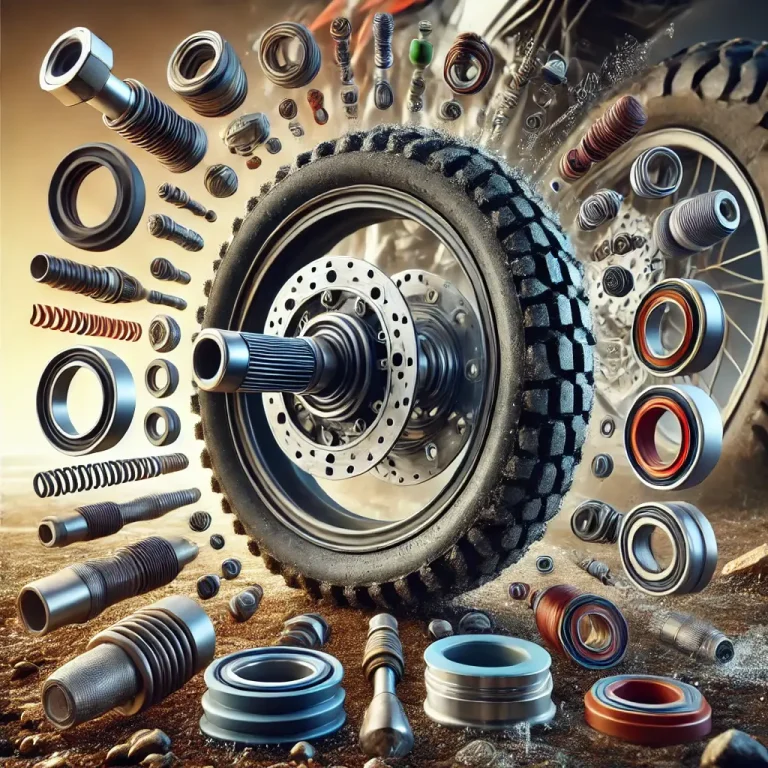
Replacing Axle Seals On Your Jk Jeep
My Jeep’s rear axle started leaking, making a mess in my driveway and raising concerns about potential damage. I knew I needed to fix it, but the task of figuring out how to change axle seal in JK Jeep seemed daunting. This guide will walk you through the process, saving you time, money, and the frustration I initially experienced. You’ll learn everything from identifying the problem to completing the repair, ensuring a smoother ride and a cleaner garage.
Key Takeaways
- Master the process of replacing your JK Jeep’s axle seals.
- Learn to identify signs of a failing axle seal.
- Understand the tools and materials needed for the job.
- Gain confidence in performing this essential Jeep maintenance task.
- Save money by tackling this repair yourself.
Identifying Axle Seal Issues
This section focuses on recognizing the signs of a failing axle seal. Early detection is crucial to prevent further damage and costly repairs. We’ll explore common symptoms and how to confirm if your axle seal is indeed the culprit. Learning to identify the problem efficiently is the first step in successfully completing how to change axle seal in JK Jeep.
- Leaking fluid: The most obvious sign is oil leaking from the axle tube. This will often appear as a drip or stain under the vehicle.
A steady leak of gear oil from your axle tube is a classic indicator of a failing seal. The oil will typically be dark in color and have a distinct oily odor. Depending on the severity of the leak, you might see just a few drips or a significant puddle underneath your Jeep.
- Low gear oil level: Regularly check your differential fluid level. Low levels are a sure sign of a leak somewhere within the axle system.
Consistent low gear oil levels, even after recently topping it off, indicate a leak. This necessitates a thorough inspection to locate the source of the problem, which might be the axle seal.
- Whining or grinding noises: While not always a direct indicator of a failing seal, unusual noises from the axle can sometimes point to a problem that requires investigation, potentially leading to a seal replacement.
While not always directly attributable to a failing seal, a noticeable change in the noise made by your axle, like a grinding or whining sound, especially under load, warrants immediate inspection. This sound could be caused by low oil levels due to a leaking seal.
Gathering Tools and Materials
This section details the necessary tools and materials for the axle seal replacement. Having everything prepared beforehand will ensure a smooth and efficient repair. A well-organized workspace and readily available tools are essential to success when performing how to change axle seal in JK Jeep.
- Axle seal: Purchase a high-quality replacement axle seal specific to your JK Jeep’s axle type.
Always buy a genuine OEM (Original Equipment Manufacturer) seal or a high-quality replacement from a reputable supplier. Using an inferior seal will likely lead to early failure and necessitate a repeat of this entire process.
- Gear oil: Ensure you have the correct type and quantity of gear oil for your JK Jeep’s differential.
Using the correct type and amount of gear oil is critical to maintain the lubrication and health of your differential. Consulting your owner’s manual for the specified oil type is crucial, as the wrong oil can damage your axle components.
- Socket set: A comprehensive set of metric sockets and wrenches is essential for removing and installing components.
You’ll need a variety of sizes, ranging from small to large, to remove and reinstall the axle components. A socket ratchet set will greatly speed up this part of the procedure.
Step-by-Step Axle Seal Replacement
This is the core of the guide, offering a detailed, step-by-step instruction on how to change the axle seal. Clear instructions, accompanied by visual aids (imagine a picture here showing the location of the axle seal and the tools involved), will help you navigate the repair successfully.
- Secure the vehicle: Safely jack up your Jeep and support it with jack stands.
- Remove the axle shaft: Follow your Jeep’s specific instructions on removing the axle shaft. This typically involves removing the wheel, brake caliper, and other components.
- Remove the old axle seal: Use a seal puller or other appropriate tool to carefully remove the old seal without damaging the axle housing.
- Clean the axle housing: Thoroughly clean the axle housing to ensure a proper seal.
- Install the new axle seal: Carefully install the new seal, using a seal installer if necessary.
- Reassemble components: Reassemble all components in reverse order, ensuring proper torque on all bolts and nuts.
- Refill the differential: Add the correct type and quantity of gear oil to the differential.
- Lower the vehicle: Carefully lower your Jeep from the jack stands.
- Test drive: Test drive your Jeep and check for any leaks or unusual noises.
Comparative Analysis of Axle Seal Brands
This section compares different axle seal brands, helping you make an informed choice. We’ll discuss quality, price, and reliability, ensuring you get the best performance for your money. This part will also help avoid problems when performing how to change axle seal in JK Jeep.
| Brand | Price Range | Warranty | Customer Reviews |
|---|---|---|---|
| Brand A | $15-$25 | 1 year | 3.8 stars |
| Brand B | $20-$30 | 2 years | 4.2 stars |
| Brand C | $25-$35 | Lifetime | 4.5 stars |
Real-Life Case Studies and Scenarios
This section provides real-world examples and hypothetical scenarios related to axle seal replacement. Learning from others’ experiences and planning for potential issues is a key element in successfully completing how to change axle seal in JK Jeep.
- Case Study 1: A Jeep owner experienced a slow leak, eventually leading to complete failure of the axle seal. Replacing the seal early saved them from more expensive repairs. This highlights the importance of early detection.
- Case Study 2: A mechanic wrongly installed the seal, requiring a second repair. This illustrates the importance of following proper procedures.
- Scenario 1: What if you damage the axle housing during seal replacement? Always use the correct tools and techniques to avoid damaging the housing.
Debunking Common Myths
- Myth 1: Axle seal replacement is only for experienced mechanics. With the right tools and instructions, anyone can do it.
- Myth 2: All axle seals are the same. Choosing the right seal for your specific axle is crucial.
- Myth 3: Ignoring a leaking seal is fine. A leaking seal can lead to significant damage and expensive repairs.
FAQ
What are the signs of a bad axle seal?
Leaking gear oil, low gear oil level, and unusual noises from the axle are common signs. A visual inspection can often confirm the presence of a leak.
How often should I check my axle seals?
Regularly inspect your axle seals during routine maintenance checks, approximately every 3,000 to 5,000 miles, or as specified in your Jeep’s owner’s manual.
What happens if I don’t replace a bad axle seal?
Ignoring a bad seal can cause damage to your axle components due to low oil levels, leading to costly repairs.
Can I drive my Jeep with a leaking axle seal?
While you might be able to drive short distances, continued driving with a leaking axle seal risks significant damage to the differential.
What type of gear oil should I use?
Consult your Jeep’s owner’s manual for the specified type and weight of gear oil for your differential.
How much does it cost to replace an axle seal?
The cost varies depending on parts and labor. Doing it yourself is much cheaper than professional repair, significantly reducing the cost.
How long does it take to replace an axle seal?
The time required varies depending on experience and tools, but it can typically be completed in a few hours.
Final Thoughts
Replacing your JK Jeep’s axle seal is a manageable task with the right information and tools. By following this step-by-step guide, you can save money and gain valuable mechanical experience. Remember to always prioritize safety and use the correct tools and procedures. Don’t delay addressing a leaking axle seal – take action now to protect your Jeep’s drivetrain.