
L5P Vs 6.7 Powerstroke: Ultimate Diesel Duel
Picking a heavy duty truck feels like a high stakes gamble. You want raw power, long life, and low repair bills. The wrong choice costs thousands in downtime and fuel. Always follow official safety and maintenance guidelines for best results.
This guide breaks down the L5p Vs 6 7 debate in plain terms. You will learn the real differences in power, towing, fuel use, and upkeep. By the end, you will know which engine fits your work and your wallet.
[
[EZ_UI_BLOCK_0]
]
📌 AT A GLANCE
- ✓Engine Origins: The L5p comes from General Motors while the 6.7 Powerstroke comes from Ford.
- ✓Power Output: Both engines give strong torque for heavy towing tasks.
- ✓Fuel Economy: Real world mileage depends on load, terrain, and driving habits.
- ✓Maintenance Costs: Parts and service prices vary by brand and region.
- ✓Resale Value: Both trucks hold value well when kept in good shape.
Why This Diesel Matchup Matters for Truck Buyers
Diesel trucks do the hard work that gas engines cannot handle. They pull trailers, haul equipment, and run all day without quitting. Buyers need to know which engine lasts longer and costs less to run.
A bad engine choice can cost you tens of thousands over ten years. Fuel bills add up fast. Repair bills hit harder when you are on a job site. Downtime means lost pay. For our complete category overview. Core buyer criteria, explore our cornerstone guide to Upgrading 6.0 Powerstroke Engine Components for Performance: Boost Power and Efficiency.
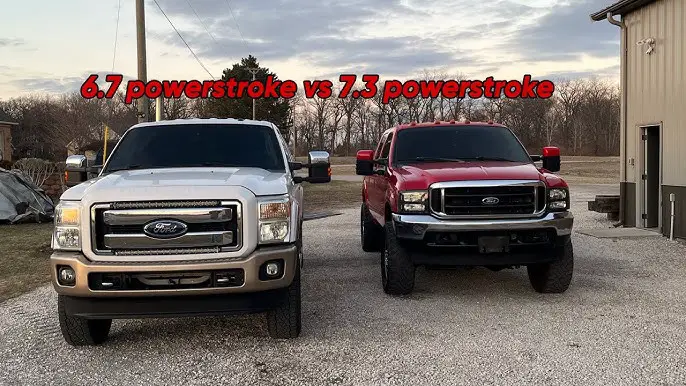
The L5p Vs 6 7 comparison shows two very different designs. One engine uses a Duramax block from GM. The other uses a Ford Powerstroke block. Each has its own strengths and weak points.
- Towing Capacity: Both engines pull heavy loads with ease and confidence.
- Torque Delivery: Low end grunt helps start heavy trailers from a dead stop.
- Fuel System: High pressure injection burns diesel clean and fast.
- Cooling System: Heavy duty radiators keep engine temps stable under load.
- Exhaust Design: Emissions systems meet modern clean air standards.
Smart buyers look past horsepower numbers. They check repair costs, parts availability, and real world trust. These factors matter more than showroom specs.
Think about your daily route. Do you sit in city traffic? Do you climb mountain passes? Do you idle for hours at work sites? These habits shape which engine will serve you best.
L5p vs 6 7 Engine Specs and Real World Power
The L5p Duramax is a six cylinder diesel built by General Motors. It uses an iron block and aluminum heads for strength. Ford built the 6.7 Powerstroke as a V8 diesel with similar goals.
Always keep a spare fuel filter and basic tools in your truck. Diesel systems can fail far from home, and being prepared saves time and money.
The inline six layout of the L5p gives it natural balance. Fewer moving parts mean less vibration at idle. The V8 layout of the Powerstroke packs more displacement into a shorter block. That helps it fit in tight engine bays.
Both engines make lots of torque for pulling trailers. The L5p often wins on horsepower peaks. The 6.7 Powerstroke often wins on low end pulling force. Real world feel depends on truck weight and gearing.
- Cylinder Layout: L5p uses inline six while Powerstroke uses V8 design.
- Displacement: L5p is 5.0 liters while Powerstroke is 6.7 liters.
- Turbo Setup: Both use variable geometry turbos for quick spool up.
- Injection Pressure: High pressure rails spray fuel into the combustion chamber.
- Block Material: Cast iron blocks handle high cylinder pressure safely.
More liters do not always mean more usable power. Tuning, transmission, and axle ratios change how the truck feels on the road. Test drive both before you decide.
Step into each truck with a loaded trailer. Feel how the turbo spools. Note how the transmission shifts. Listen for drivetrain whine. These small clues tell you more than a spec sheet ever will.
Fuel Economy and Daily Driving Costs
Diesel fuel costs more per gallon than gas in many areas. But diesel engines burn less fuel per mile under load. That makes them cheaper to run for heavy work.
The L5p Vs 6 7 fuel battle is close. Both engines get similar mileage when empty. Under heavy load, the L5p sometimes sips less fuel. The Powerstroke may use more but pulls harder.
- Empty Highway: Expect 20 to 25 miles per gallon on open roads.
- Towing Heavy: Mileage drops to 10 to 14 miles per gallon.
- City Driving: Stop and go traffic lowers diesel fuel economy fast.
- Idle Time: Long idling burns fuel without moving the truck.
- Fuel Quality: Clean diesel helps injectors last longer and run better.
Track your fuel use for a month before buying. Real numbers beat marketing claims every time. Your actual route and load matter most.
Keep a small notebook in your cab. Write down gallons, miles, and load weight each fill up. After thirty days, you will see the true cost per mile. That data beats any brochure claim.
Diesel exhaust fluid also adds to your costs. You must top off the DEF tank regularly. Factor this into your monthly budget. A missed DEF refill can derate your engine and limit your speed.
Towing Performance and Hauling Ability
Truck buyers care most about towing. Both engines handle big fifth wheels and gooseneck trailers. The difference shows up in steep grades and hot weather.
The L5p feels smooth and refined while towing. The 6.7 Powerstroke feels muscular and aggressive. Both stop heavy loads with strong brake systems and trailer controllers.
- Trailer Weight: Both can tow 20,000 pounds or more when equipped right.
- Payload: Truck bed and suspension set the actual carrying limit.
- Grade Climbing: Turbo lag affects how fast you climb long hills.
- Trailer Sway: Built in systems keep trailers straight in wind.
- Brake Control: Integrated controllers manage trailer brakes smoothly.
Match the truck to your heaviest trailer. Do not buy for your average load. Buy for your worst day on the job.
Check your gross combined weight rating before you hook up. Overloading stresses the engine, transmission, and brakes. It also voids your warranty if something breaks. Know your numbers before you leave the lot.
Use a weight distributing hitch for large trailers. It spreads tongue weight across the truck axles. This improves steering and braking. It also reduces wear on your suspension parts.
Maintenance Schedule and Repair Costs
Diesel engines need regular oil changes and filter swaps. Skipping service leads to expensive failures. Both engines have long service intervals if you use good fluids.
Parts for the 6.7 Powerstroke are easy to find at Ford dealers. L5p parts come from GM dealers and some aftermarket shops. Labor rates vary by shop and location.
- Oil Changes: Every 10,000 miles or once per year.
- Fuel Filters: Replace every 15,000 to 20,000 miles.
- Coolant Flush: Every five years or 150,000 miles.
- Transmission Service: Follow the truck maker schedule closely.
- DEF Fluid: Top off the exhaust fluid tank regularly.
Find a good diesel mechanic before you buy. A trusted shop saves money and headaches over the years.
Ask your shop about common failures for each engine. The 6.7 has had issues with high pressure fuel pumps in early models. The L5p has had some turbo and emissions sensor concerns. Knowing these helps you plan for repairs. For complementary picks and expert testing advice, see our guide on L5P Duramax Vs 6.7 Powerstroke: Ultimate Showdown.
Keep a service log in your glove box. Write down every oil change, filter swap, and fluid top off. When you sell, buyers pay more for a truck with proof of care. Good records protect your resale value.
Emissions Systems and Long Term Reliability
Modern diesels use diesel particulate fluid and filters to clean exhaust. These systems add complexity but meet clean air laws. Problems here can cost thousands to fix.
The L5p Vs 6 7 emissions story shows both engines have issues. DPF clogging happens on short trips. DEF pumps can fail in cold weather. Long highway drives help keep systems healthy.
- DPF Filter: Traps soot and burns it off during highway driving.
- DEF Tank: Holds fluid that cleans nitrogen oxides from exhaust.
- EGR Valve: Recirculates exhaust gas to lower combustion heat.
- Sensors: Heat and pressure sensors monitor system health.
- Warning Lights: Never ignore check engine or exhaust alerts.
Take long drives weekly if you mostly drive short distances. This lets the emissions system clean itself properly.
Watch your dashboard for regen messages. A parked regen means the DPF is full. Let it finish before you shut off the engine. Skipping regens leads to clogged filters and dealer visits.
In winter, keep your DEF tank full. Cold weather can freeze the fluid lines. Park in a garage when you can. Use a block heater on very cold nights to ease cold starts.
Resale Value and Ownership Experience
Diesel trucks hold value better than gas trucks in most markets. Buyers search for used diesels when they need towing power. Condition and service records drive resale prices.
Both the L5p and 6.7 Powerstroke have loyal fan bases. That helps when you sell. A clean truck with records sells faster and for more money.
- Service Records: Keep every receipt and upkeep log.
- Clean History: No accidents or flood damage helps value.
- Tire Condition: Matching tires with good tread look better to buyers.
- Interior Wear: Clean seats and dash show the truck was cared for.
- Modifications: Stock trucks often sell faster than modified ones.
Buy the truck you enjoy driving. Happy owners keep their trucks longer and maintain them better.
Wash your truck often in winter. Road salt eats undercarriage parts and frame rails. A clean underbody means fewer rust holes when you sell. It also makes leak checks easier for your mechanic.
Summary Table: L5p vs 6 7 Powerstroke Comparison
[
[EZ_UI_BLOCK_2]
]
Best Practices for Diesel Truck Owners
Good habits extend engine life and save money. Warm up the engine before hard acceleration. Let it cool down after towing heavy loads.
[
[EZ_UI_BLOCK_4]
]
Check fluid levels every few weeks. Listen for odd sounds and fix small issues before they grow.
- Warm Up: Let the engine idle for one minute before driving hard.
- Cool Down: Idle for three minutes after heavy towing stops.
- Check Fluids: Look at oil, coolant, and DEF levels monthly.
- Drive Smooth: Avoid jackrabbit starts and hard braking.
- Service Early: Fix small leaks before they become big problems.
Treat your diesel well and it will treat you well. Steadiness beats shortcuts every time.
Let the turbo cool after a hard pull. Shutting off a hot turbo traps heat in the bearings. That shortens turbo life. A three minute idle lets oil flow and heat drop.
Use high quality diesel fuel from busy stations. Fresh fuel has fewer water and algae issues. Water in fuel ruins injectors fast. Keep your tank above a quarter full to avoid picking up sediment from the bottom.
Cold Weather and Hot Climate Considerations
Where you live changes how these engines perform. Cold starts strain batteries and glow plugs. Hot climates stress cooling systems and transmissions. For complementary picks and expert testing advice, see our guide on 6.7 Powerstroke Vs L5P Duramax: Ultimate Showdown!.
Never delete or remove emissions equipment. It is illegal, voids warranties, and can cause failed inspections.
- In Northern States: In northern states, plug in your block heater at night.
- It Keeps: It keeps the engine block warm for easier morning starts.
- Use Winter Blend: Use winter blend diesel to prevent fuel gelling in the tank and lines.
In desert states, watch your transmission heat. Towing in heat builds fluid heat fast. Add an auxiliary transmission cooler if you tow often. Check coolant hoses for cracks before summer trips.
Both engines handle extremes well if you prepare. A battery blanket helps in the Arctic. A transmission cooler helps in Arizona. Know your climate and prep your truck.
Gather required tools and clear your work area before starting.
Confirm baseline specs and maker guidelines first.
Complete each stage in order without skipping safety checks.
Run a quick test pass and wipe down key parts after use.
| Feature | L5p Duramax | 6.7 Powerstroke |
|---|---|---|
| Maker | General Motors | Ford |
| Cylinders | Inline 6 | V8 |
| Displacement | 5.0 liters | 6.7 liters |
| Best Use | Daily driving and towing | Heavy hauling and work |
| Fuel Economy | Similar under load | Similar under load |
| Parts Availability | GM dealers and aftermarket | Ford dealers widely |
| Resale Value | Strong | Strong |
Frequently Asked Questions
Which Engine Is Better for Towing Heavy Trailers?
Both engines tow heavy trailers well. The 6.7 Powerstroke often feels stronger at low speeds. The L5p feels smoother at highway speeds. Choose based on your trailer weight and driving style.
How Does the L5p vs 6 7 Fuel Economy Compare?
Real world fuel economy is very close between the two. Empty highway driving gives similar miles per gallon. Under heavy load, results depend on weight, wind, and terrain.
Are Repair Costs Higher for One Engine?
Repair costs depend on your location and local shops. Ford dealers are common for Powerstroke work. GM dealers handle L5p service. Independent diesel shops often work on both.
Which Truck Holds Resale Value Better?
Both trucks hold value well when maintained. Clean service records and low miles help both brands. Market demand in your area also affects resale price.
Should I Buy New or Used?
New trucks come with warranties and latest features. Used trucks cost less upfront but may need more repairs. Have a mechanic inspect any used diesel before buying.
Final Thoughts and Next Steps
The L5p and 6.7 Powerstroke are both excellent diesel engines. Neither is clearly better for every buyer. Your budget, job, and preferred truck brand should guide your choice.
Test drive both trucks with your actual trailer if possible. Check local dealer support and mechanic availability. Read owner forums for real world stories from people who drive these engines daily.
Make your decision based on total cost of ownership, not just the sticker price. A well maintained diesel truck will serve you for many years and miles.