7.3 Powerstroke Torque Specifications: What You Need to Know

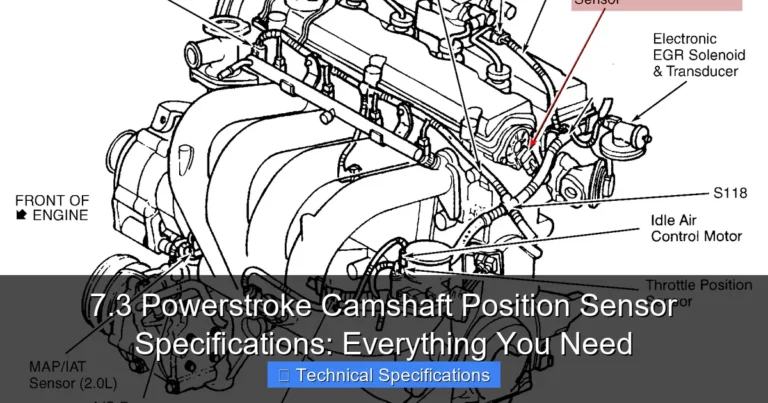
Featured image for this comprehensive guide about 7.3 Powerstroke torque specs
Image source: cdn.pixabay.com
The venerable 7.3 Powerstroke engine holds a legendary status among diesel enthusiasts and heavy-duty truck owners. Known for its robust design, impressive durability, and unwavering reliability, this engine powered Ford Super Duty trucks and E-Series vans for over a decade. Whether you’re performing routine maintenance, a full engine rebuild, or simply upgrading components, understanding and correctly applying the 7.3 Powerstroke torque specifications is not just important – it’s absolutely critical.
Failing to adhere to precise torque specs can lead to a cascade of problems, ranging from minor leaks and reduced performance to catastrophic engine failure. Every bolt, nut, and fastener on your 7.3 Powerstroke is designed to be tightened to a specific tension, ensuring components are held together securely without being overstressed. This guide will dive deep into the world of 7.3 Powerstroke torque values, equipping you with the knowledge and actionable tips to keep your diesel beast running strong for years to come.
From cylinder heads to connecting rods, and injectors to exhaust manifolds, we’ll explore why meticulous attention to engine torque matters, the essential tools you’ll need, and provide a comprehensive list of critical 7.3 Powerstroke torque specs. Get ready to elevate your mechanical precision and ensure your 7.3 Powerstroke continues to be the reliable workhorse it was engineered to be.
Quick Answers to Common Questions
Why are the 7.3 Powerstroke torque specs so crucial?
Getting your 7.3 Powerstroke torque specs right is absolutely essential to prevent leaks, ensure proper component sealing, and avoid costly damage. It keeps your engine running smoothly and reliably, just as it was designed.
Which 7.3 Powerstroke torque specs should I pay closest attention to?
High-priority 7.3 Powerstroke torque specs include those for head bolts, main bearings, rod bearings, and fuel injectors. These critical components require precise tightening to maintain engine integrity and performance.
Where can I find reliable 7.3 Powerstroke torque specs?
Your best bet for accurate 7.3 Powerstroke torque specs is always a factory service manual or a reputable repair guide specific to your truck’s year. Avoid generic online sources for critical tightening values.
What happens if I overtighten or undertighten bolts on my 7.3 Powerstroke?
Incorrectly applied 7.3 Powerstroke torque specs can lead to disaster, from stripped threads and broken bolts (overtightening) to leaks, vibration, and component failure (undertightening). Precision is key for longevity.
Do I really need a torque wrench for every job involving 7.3 Powerstroke torque specs?
For any critical fasteners involving 7.3 Powerstroke torque specs, absolutely! Using a calibrated torque wrench ensures you apply the exact force needed, protecting your engine and preventing future headaches.
📋 Table of Contents
- Why Correct Torque Matters for Your 7.3 Powerstroke
- Essential Tools for Accurate Torque Application
- Understanding Torque Specifications: Beyond the Numbers
- Key 7.3 Powerstroke Torque Specs You Must Know
- Common Mistakes to Avoid When Torquing Your 7.3 Powerstroke
- Maintenance Best Practices and Torque Checks
- Conclusion: The Power of Precision for Your 7.3 Powerstroke
Why Correct Torque Matters for Your 7.3 Powerstroke
In the world of internal combustion engines, and especially for a high-compression diesel like the 7.3 Powerstroke, precision is paramount. Every time a fastener is tightened, it creates a clamping force that holds components together. This clamping force is directly related to the applied torque. Too little torque, and the clamping force is insufficient, leading to loose components, leaks, and potential failure. Too much torque, and the fastener or component can be stretched, stripped, or cracked, compromising its integrity and leading to equally severe issues.

Learn more about 7.3 Powerstroke torque specs – 7.3 Powerstroke Torque Specifications: What You Need to Know
Image source: drodd.com
For your 7.3 Powerstroke, getting the torque specifications right is crucial for several key reasons:
| Component | Torque Specification (ft-lbs) | Notes / Procedure |
|---|---|---|
| Cylinder Head Bolts | Stage 1: 65 Stage 2: 85 Stage 3: 100 |
Torque in 3 stages. Follow proper tightening sequence for each stage. |
| Main Bearing Cap Bolts | 110 | Lubricate threads and bolt head under flange before tightening. |
| Connecting Rod Cap Bolts | 55 | Ensure proper rod cap orientation. New bolts recommended for critical applications. |
| Injector Hold Down Bolts | 28 | These bolts secure the injector clamp. |
| Glow Plugs | 14 | Avoid over-tightening to prevent thread or glow plug damage. |
| Exhaust Manifold Bolts | 32 | Torque from the center bolts outwards. |
- Engine Longevity and Reliability: Properly torqued fasteners prevent excessive wear, vibration, and premature failure of critical engine components. Bolts that are too loose can back out, causing parts to separate, while over-tightened bolts can yield, losing their clamping force or causing stress fractures.
- Optimal Performance: Correct 7.3 Powerstroke torque specs ensure that gaskets seal properly, internal components are aligned, and the engine can operate efficiently at its designed parameters. For example, unevenly torqued cylinder head bolts can lead to head gasket failures, loss of compression, and significant performance degradation.
- Safety: In an engine, especially one under the stresses of a diesel, loose or failed fasteners can have dangerous consequences. Imagine a turbocharger coming loose or a flywheel detaching – these are extreme examples, but they highlight the safety aspect of correct fastener torque.
- Preventing Costly Repairs: A small oversight in torquing can lead to a significant repair bill. Stripped threads, broken bolts, warped components, and damaged gaskets are all potential outcomes of incorrect torque application. Adhering to the manufacturer’s 7.3 Powerstroke torque values is a proactive step in preventive maintenance.
Understanding these fundamental principles sets the stage for appreciating the detailed 7.3 Powerstroke torque specifications we’ll cover later. It’s not just about turning a wrench; it’s about applying the right amount of force to create the ideal clamping load for every single component.
Essential Tools for Accurate Torque Application
You can’t achieve precise 7.3 Powerstroke torque specs without the right tools. A good quality torque wrench is indispensable for any serious work on your engine. But not all torque wrenches are created equal, and understanding their types and proper usage is key.

Learn more about 7.3 Powerstroke torque specs – 7.3 Powerstroke Torque Specifications: What You Need to Know
Image source: png.pngtree.com
Types of Torque Wrenches
- Click-Type Torque Wrenches: These are the most common and popular. They feature an internal mechanism that “clicks” and releases when the preset torque value is reached. They are generally accurate and easy to use, making them a great choice for most applications. Ensure yours is calibrated regularly.
- Beam-Type Torque Wrenches: One of the oldest and simplest designs, these wrenches feature a deflection beam that bends as torque is applied. A needle indicates the applied torque on a scale. They are generally considered highly accurate if read correctly and don’t require calibration, but they can be harder to use in tight spaces or where the scale isn’t easily visible.
- Digital Torque Wrenches: Offering the highest level of precision, digital torque wrenches display the torque value electronically. Many models offer audible and visual alerts when the target torque is reached, and some can even store readings. While often more expensive, they provide excellent accuracy and can be very user-friendly.
Beyond the Wrench: Other Key Considerations
- Sockets and Extensions: Always use high-quality, appropriately sized sockets. Avoid using extensions unnecessarily, as they can sometimes affect the accuracy of the torque reading. If extensions are necessary, ensure they are in good condition and non-flexing.
- Lubrication: The condition of the threads and the underside of the fastener head (or nut face) significantly impacts the actual clamping force achieved for a given torque reading. Unless otherwise specified by the manufacturer (which is common for certain 7.3 Powerstroke torque specifications), assume fasteners are to be torqued “dry.” If a lubricant (like engine oil, assembly lube, or thread locker) is specified, always follow those instructions precisely, as lubricants reduce friction and require lower torque values to achieve the same clamping force.
- Calibration: All torque wrenches, especially click-type and digital ones, should be calibrated periodically (e.g., annually or after a certain number of uses) to ensure their accuracy. An uncalibrated torque wrench is as good as guessing.
- Angle Gauges: For many modern engines, including some applications on the 7.3 Powerstroke (like cylinder head bolts), a torque-to-yield (TTY) or torque-plus-angle method is used. This involves an initial torque value followed by an additional turn measured in degrees. An angle gauge is essential for this process.
Investing in quality tools and understanding their proper use is fundamental to achieving accurate 7.3 Powerstroke torque specifications and preventing costly mistakes.
Understanding Torque Specifications: Beyond the Numbers
While a list of 7.3 Powerstroke torque specs might seem like just a series of numbers, there’s often more to it than meets the eye. Professional mechanics understand that proper torque application involves several factors beyond simply setting a wrench to a specific value. Ignoring these nuances can lead to compromised repairs, even when you believe you’ve followed the numbers correctly.
Thread Preparation and Condition
Before applying any torque, inspect the fastener and its mating threads. Burrs, rust, dirt, or damaged threads will significantly alter the friction and, consequently, the actual clamping force achieved. Always clean threads thoroughly with a wire brush or tap and die if necessary. Ensure there are no contaminants like old threadlocker or debris. Damaged fasteners should always be replaced. Using new bolts is often recommended or even mandated for critical components, especially with torque-to-yield (TTY) fasteners.
Torque-to-Yield (TTY) Fasteners
Many modern engines, including the 7.3 Powerstroke for certain critical applications like cylinder head bolts, utilize TTY fasteners. Unlike standard bolts that are torqued within their elastic limit and can be reused (within reason), TTY bolts are designed to be stretched into their plastic (yield) region during tightening. This provides a more consistent clamping force over varying temperatures. However, once a TTY bolt has been stretched, it loses its ability to reliably provide the same clamping force if reused. Therefore, TTY fasteners must always be replaced with new ones if removed.
The tightening procedure for TTY bolts typically involves an initial torque value, followed by an additional angle of rotation (e.g., 60 ft-lbs + 90 degrees). An angle gauge is crucial for this process.
Torquing Sequence and Stages
For components with multiple fasteners, such as cylinder heads, intake manifolds, oil pans, or valve covers, the tightening sequence is just as important as the torque value itself. A specific pattern (often starting from the center and working outwards in a crisscross fashion) ensures even clamping force distribution, preventing warping or uneven stress on the component and its gasket. Many critical components, like cylinder heads, also require a multi-stage torquing process, gradually increasing the torque in several steps to the final value. Always refer to your factory service manual for the correct 7.3 Powerstroke torque specifications and sequence.
Fastener Identification and Grades
Not all bolts are created equal. Fasteners are graded based on their material strength. Using an incorrect grade of bolt can lead to catastrophic failure or, conversely, prevent proper clamping if it’s too soft. For your 7.3 Powerstroke, always use the specified grade of fastener for replacement. Most automotive bolts are metric (Property Class) or imperial (SAE Grade) and have markings on their heads indicating their strength. For example, SAE Grade 8 bolts are high strength, identified by six radial lines.
By understanding these underlying principles, you can approach the task of tightening fasteners on your 7.3 Powerstroke with greater confidence and ensure that the numbers in the manual translate into effective and reliable clamping force.
Key 7.3 Powerstroke Torque Specs You Must Know
This section provides a comprehensive list of critical 7.3 Powerstroke torque specifications for various engine components. It is absolutely vital to remember that while these values are commonly accepted, you should always consult your specific factory service manual for your truck’s year and model. Variations can exist, and the service manual is the definitive source for accurate 7.3 Powerstroke torque values.
We’ve broken down these Powerstroke torque specs by major component groups for easy reference. Please pay close attention to the units (ft-lbs vs. in-lbs) and any specific notes regarding lubrication or sequence.
Critical 7.3 Powerstroke Engine Torque Specifications
Here’s a detailed table of 7.3 Powerstroke torque specifications for various components. Always follow the manufacturer’s recommended sequence when tightening multiple fasteners.
| Component | Torque Specification (ft-lbs) | Torque Specification (in-lbs) | Notes & Key Considerations |
|---|---|---|---|
| Cylinder Head Bolts | Stage 1: 65 Stage 2: 85 Stage 3: 105 |
– | Requires new bolts (TTY). Always follow a multi-stage, crisscross sequence from center outwards. Lubricate threads and underside of bolt heads with engine oil for stages 1 & 2. Final stage is typically a specific angle turn (e.g., +90°). Consult manual for exact year-specific procedure. |
| Main Bearing Cap Bolts | 95-100 | – | Apply engine oil to threads and underside of bolt heads. Tighten in stages following the specified sequence from center outwards. |
| Connecting Rod Cap Bolts | 60-70 | – | Apply engine oil to threads and underside of bolt heads. These are critical for engine health; ensure even torque. |
| Flywheel Bolts | 100 | – | Apply thread locker to threads (e.g., Loctite). Tighten in a crisscross pattern. |
| Flexplate Bolts (Automatic Trans.) | 85-95 | – | Apply thread locker to threads. Tighten in a crisscross pattern. |
| Injector Hold Down Bolts | 10 | 120 | These hold the injectors in place. Crucial for proper sealing and injector function. Use a small torque wrench for in-lbs. |
| Valve Cover Bolts | 18-20 | 216-240 | Ensure even sealing of the valve cover gasket. |
| Oil Pan Bolts | 18 | 216 | Tighten in a specific sequence, often working from the center outwards to prevent warping. |
| Exhaust Manifold Bolts | 30-35 | – | Can be prone to breaking; ensure threads are clean. Tighten in a center-outwards pattern. |
| High-Pressure Oil Pump (HPOP) Bolts | 18 | 216 | Ensure these are secure for proper high-pressure oil system function. |
| Water Pump Bolts | 18-20 | 216-240 | Ensure proper sealing of the water pump to prevent coolant leaks. |
| Power Steering Pump Bolts | 18 | 216 | |
| Alternator Mounting Bolts | 18 | 216 | |
| Transmission Bellhousing Bolts | 50 | – | Tighten in a crisscross pattern. |
| Glow Plug Torque | 14 | 168 | Be extremely careful not to over-tighten, as glow plugs can break easily. |
| Fuel Pressure Regulator (FPR) Bolts | 10 | 120 | Ensures proper sealing and function of the fuel system. |
Disclaimer: The 7.3 Powerstroke torque specifications provided above are for general reference and are commonly cited values for the engine. However, specific values can vary based on the exact year, model, and even component manufacturer. Always, without exception, refer to the official Ford factory service manual or a reputable repair guide for your specific vehicle before performing any work. Failure to do so can result in serious engine damage.
Common Mistakes to Avoid When Torquing Your 7.3 Powerstroke
Even with the right tools and a list of 7.3 Powerstroke torque specs, mistakes can happen. Avoiding these common pitfalls will save you time, money, and potential headaches down the road. Precision and patience are your best allies when working on your engine.
- Ignoring the Fastener Condition: Using old, stretched, corroded, or damaged bolts, especially for critical applications, is a recipe for disaster. Always replace TTY bolts. Inspect all other fasteners for damage and replace as needed. Clean threads are also paramount.
- Forgetting Lubrication Guidelines: Torquing a dry bolt when it should be lubricated (or vice-versa) will result in a significantly different clamping force. If the manual specifies “dry torque,” keep it dry. If it specifies lubricant, use the correct type and amount. Lubrication reduces friction, allowing for greater clamping force at a lower torque value.
- Skipping the Sequence or Stages: For multi-fastener components like cylinder heads or intake manifolds, the tightening sequence and multi-stage process are just as important as the final torque value. An incorrect sequence can lead to warped components, uneven stress, and gasket failures.
- Using the Wrong Torque Wrench Size/Type: Attempting to accurately torque a 10 ft-lb fastener with a large 250 ft-lb torque wrench is challenging and often inaccurate. Use a torque wrench appropriate for the range of values you’re working with. For lower in-lb specs, a smaller, dedicated in-lb torque wrench is essential.
- Not Calibrating Torque Wrenches: Even the best torque wrenches can lose accuracy over time. Regular calibration (or at least checking against a known standard) is crucial. If you drop your click-type wrench, it’s a good idea to have it checked.
- Over-tightening: This is a common mistake for those who believe “tighter is better.” Over-tightening can strip threads, stretch bolts beyond their yield point (making them useless), crack components, or warp surfaces, especially on delicate parts.
- Under-tightening: Equally problematic, under-tightening results in insufficient clamping force, leading to leaks, vibrations, and components coming loose. This can be as dangerous as over-tightening.
- Guessing: Never guess on 7.3 Powerstroke torque specifications. If you don’t know the value, look it up in the service manual. Your engine’s integrity depends on it.
- Using Incorrect Units: Pay close attention to whether the specification is in foot-pounds (ft-lbs) or inch-pounds (in-lbs). 1 ft-lb = 12 in-lbs. Mixing these up can lead to vastly incorrect torque application.
By being mindful of these common errors, you can significantly improve the quality and longevity of your 7.3 Powerstroke repairs and maintenance.
Maintenance Best Practices and Torque Checks
Beyond the initial build or repair, maintaining proper 7.3 Powerstroke torque specifications is an ongoing process. Fasteners can loosen over time due to vibration, thermal cycling, and normal engine operation. Incorporating torque checks into your maintenance routine is a proactive step that can prevent future problems.
When to Re-Torque and Why
- New Gasket Seating: For components like cylinder heads or intake manifolds that use crush-style gaskets, a re-torque might be recommended after a few heat cycles (e.g., 500-1000 miles). This allows the gasket material to fully compress and settle. However, for TTY bolts, re-torquing is generally not recommended as they are already stretched. Always consult the service manual for specific recommendations.
- Post-Repair Checks: After any significant engine work, it’s good practice to visually inspect critical fasteners after a few hundred miles. While you might not re-torque every bolt, keeping an eye on things like exhaust manifold bolts (which are prone to loosening) can catch issues early.
- Identifying Persistent Leaks: If you notice a persistent oil or coolant leak, before automatically replacing a gasket, check the torque on the surrounding fasteners. Sometimes, a slightly loose bolt is the culprit.
- Performance Modifications: If you’ve upgraded components that involve new fasteners or increased engine stress (like larger turbos or performance tunes), consider a check of related 7.3 Powerstroke torque specs as part of your post-installation monitoring.
General Torque Best Practices for Longevity
- Use Clean Threads: We can’t stress this enough. Clean threads (both bolt and hole) with a wire brush or tap and die if necessary will ensure accurate torque readings and proper clamping.
- New Washers When Specified: Some applications require new washers with new bolts. Follow the manual.
- Anti-Seize for Specific Applications: For bolts exposed to high heat and potential corrosion (like exhaust manifold bolts or glow plugs), a light coat of anti-seize compound can prevent seizing and make future removal easier. Be aware that anti-seize acts as a lubricant and will alter the effective clamping force for a given torque value; if using it, you may need to reduce the specified dry torque by 15-20% if the manual doesn’t explicitly state values for lubricated threads. Err on the side of caution or consult professional advice.
- Regular Inspections: Visually inspect your engine bay during oil changes or other routine maintenance for any signs of loose fasteners, leaks, or component movement. Early detection can prevent major issues.
Maintaining the correct 7.3 Powerstroke torque specifications is an ongoing commitment, but it’s a small price to pay for the peace of mind and the continued, reliable performance of your legendary diesel engine.
Conclusion: The Power of Precision for Your 7.3 Powerstroke
The 7.3 Powerstroke is an icon of diesel engineering, celebrated for its ruggedness and endurance. Yet, even the most robust engine relies on the meticulous application of proper torque specifications to achieve its legendary longevity. From the cylinder heads sealing combustion to the tiny bolts holding your fuel injectors, every fastener plays a critical role in the symphony of power that defines this engine.
By understanding why accurate 7.3 Powerstroke torque specs are non-negotiable, investing in the right tools, comprehending the nuances of fastener dynamics, and diligently following the manufacturer’s guidelines, you empower yourself to perform maintenance and repairs with confidence and precision. This comprehensive guide has provided you with essential 7.3 Powerstroke torque values and actionable insights, but remember, the ultimate authority is always your specific factory service manual.
Embrace the power of precision. Treat your 7.3 Powerstroke with the mechanical respect it deserves, and it will undoubtedly continue to serve you faithfully, delivering the raw power and unwavering reliability that has made it a true legend among diesel trucks. Your attention to these details isn’t just about turning a wrench; it’s about preserving a legacy.
🎥 Related Video: 7.3 Powerstroke: Everything You Need to Know
📺 Dust Runners Automotive Journal
Article: https://dustrunnersauto.com/powerstroke-7-3l-everything-you-need-to-know-specs-and-more/ Things like the six head …
Frequently Asked Questions
Why are accurate 7.3 Powerstroke torque specifications crucial for my engine?
Accurate torque specifications are vital for the longevity and performance of your 7.3 Powerstroke engine. They ensure that components are fastened with the correct clamping force, preventing leaks, premature wear, and potential catastrophic failures, ultimately safeguarding your investment.
Where can I find the specific 7.3 Powerstroke torque specs for various components?
The most reliable sources for specific 7.3 Powerstroke torque specifications are the official Ford service manuals or reputable aftermarket repair manuals like those from Haynes or Chilton. Always consult the manual specific to your truck’s model year to ensure you have the most accurate information.
What are some of the most critical 7.3 Powerstroke components that require precise torque specifications?
Key components that always require precise torque specifications on a 7.3 Powerstroke include cylinder head bolts, injector hold-down bolts, glow plug connections, and exhaust manifold bolts. Failing to properly torque these can lead to significant issues such as leaks, engine damage, or poor performance.
What are the risks of using incorrect torque specifications on my 7.3 Powerstroke?
Using incorrect torque specifications can lead to serious problems such as stripped threads, broken bolts, and component warping or cracking. Under-torquing can cause leaks and components to loosen, while over-torquing can permanently damage parts or fasteners, potentially requiring costly repairs.
Do 7.3 Powerstroke torque specifications vary by model year or specific engine build?
While many core 7.3 Powerstroke torque specifications remain consistent across its production run (1994-2003), there can be minor variations for certain components or revisions. It is always best practice to consult the service manual specific to your truck’s exact model year to ensure accuracy and prevent errors.
What type of torque wrench is recommended for working on a 7.3 Powerstroke?
For a 7.3 Powerstroke, you will likely need at least two types of torque wrenches: a larger click-type or beam-type wrench for high-torque applications (like head bolts) and a smaller inch-pound torque wrench for more delicate components (like injector lines or glow plugs). Using calibrated and accurate torque wrenches is essential for proper assembly and reliable operation.