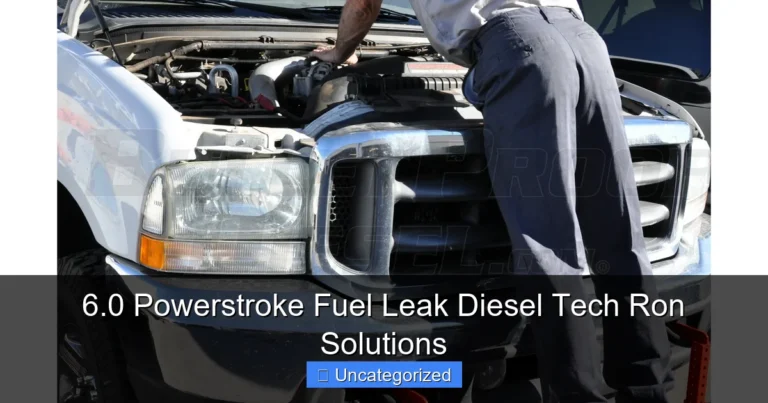
7.3 Powerstroke Fuel Leak at Top of Engine Repair
Featured image for this comprehensive guide about 7.3 powerstroke fuel leak top of engine
Image source: i.ytimg.com
The Ford 7.3 Powerstroke engine isn’t just an engine; it’s a legend. Revered for its robust build, impressive torque, and remarkable longevity, it powered countless F-Series trucks and E-Series vans through the toughest jobs. However, even legends show their age, and one of the most common, and frankly, most frustrating issues owners encounter is a fuel leak at the top of the engine. If you’ve ever popped the hood of your trusty 7.3 and been greeted by the tell-tale smell of diesel or a glistening sheen of fuel on your intake manifold or valve covers, you know the feeling.
A 7.3 Powerstroke fuel leak top of engine isn’t just an unsightly mess; it can lead to a host of problems. From reduced fuel efficiency and hard starting to potential fire hazards and damage to other engine components, addressing these leaks promptly is crucial. This comprehensive guide will walk you through the most common culprits behind a 7.3 Powerstroke fuel leak, equip you with diagnostic tips, and provide actionable insights for tackling the repairs yourself, saving you significant time and money.
Whether you’re a seasoned DIY mechanic or just starting to dive into the world of diesel maintenance, understanding the intricacies of your 7.3 Powerstroke’s fuel system is key. We’ll explore everything from the infamous injector O-rings to the often-misdiagnosed fuel bowl leaks, ensuring you have the knowledge to pinpoint and fix that troublesome drip once and for all. Let’s get your Powerstroke running clean and dry again!
Quick Answers to Common Questions
What’s usually the cause of a 7.3 Powerstroke fuel leak at the top of the engine?
Most often, it’s worn O-rings on the fuel lines, injector cups, or the fuel filter housing itself. These parts degrade over time, leading to a visible 7.3 Powerstroke fuel leak at the top of the engine.
How serious is a fuel leak at the top of the engine?
It’s pretty serious! Fuel leaks can cause hard starting, performance issues, and are a significant fire hazard. You should address any 7.3 Powerstroke fuel leak at the top of the engine promptly.
Can I still drive my truck with a 7.3 Powerstroke fuel leak at the top of the engine?
While you might be able to, it’s really not recommended due to the fire risk and potential for further engine damage. Get that 7.3 Powerstroke fuel leak at the top of the engine checked out ASAP.
How can I identify the exact source of the fuel leak on my 7.3 Powerstroke?
Start by cleaning the engine thoroughly, then run it and look for fresh fuel weeping or spraying, especially around the fuel lines, filter housing, and injector areas. A bright flashlight helps pinpoint a 7.3 Powerstroke fuel leak at the top of the engine.
Is fixing a 7.3 Powerstroke fuel leak at the top of the engine a DIY job?
For many common culprits like O-rings or fuel lines, yes, it can be a manageable DIY project if you’re comfortable with basic wrenching. However, injector cup leaks are more involved and might be best left to a pro to properly resolve your 7.3 Powerstroke fuel leak at the top of the engine.
📋 Table of Contents
- Identifying the Culprit: Symptoms and Initial Diagnostics for Your 7.3 Powerstroke Fuel Leak
- Common Suspect #1: 7.3 Powerstroke Injector O-Rings and Seals
- Common Suspect #2: The Infamous 7.3 Powerstroke Fuel Bowl Leak
- Common Suspect #3: Fuel Lines, Hoses, and Fittings
- Other Potential Leak Sources: Fuel Pressure Regulator and Fuel Gallery Plugs
- The Repair Process: Tools, Tips, and Best Practices for Your 7.3 Powerstroke
- Conclusion: Keeping Your 7.3 Powerstroke Legend Leak-Free
Identifying the Culprit: Symptoms and Initial Diagnostics for Your 7.3 Powerstroke Fuel Leak
Before you can fix a 7.3 Powerstroke fuel leak at the top of the engine, you need to know where it’s coming from. The symptoms of a fuel leak can vary, but some are dead giveaways. Understanding these signs and performing initial diagnostic steps will save you a lot of guesswork and potential headaches.

Learn more about 7.3 powerstroke fuel leak top of engine – 7.3 Powerstroke Fuel Leak at Top of Engine Repair
Image source: palette-chiba.jp
Common Symptoms of a Top-Engine Fuel Leak
- Strong Diesel Odor: This is often the first and most obvious sign. You’ll smell diesel fuel, especially after the engine has been running or is warmed up. The smell might also be present in the cabin.
- Visible Fuel: Look for puddles, wet spots, or a general sheen of fuel on top of the engine, particularly in the valley area between the cylinder heads, around the fuel bowl, or on the valve covers.
- Rough Idling or Misfires: If an injector O-ring is failing, it can affect injector performance, leading to a rough idle, stumbling, or even misfires.
- Hard Starting (Especially Cold): Air entering the fuel system through a leak can make it difficult for the fuel pump to prime, resulting in extended cranking times. This is often more pronounced after the truck has sat for a while, allowing air to seep in.
- Decreased Fuel Economy: While harder to pinpoint without other symptoms, a significant fuel leak will naturally lead to worse MPG.
- Black Smoke: In severe cases of fuel leaking and not being properly combusted, you might notice excessive black smoke from the exhaust.
Initial Diagnostic Steps to Pinpoint a 7.3 Powerstroke Fuel Leak
Once you suspect a 7.3 Powerstroke fuel leak, follow these steps for a methodical diagnosis:
| Common Leak Source | Primary Indicator(s) | Typical DIY Parts Cost | Repair Difficulty (1-5, 5=Hard) |
|---|---|---|---|
| Fuel Pressure Regulator (FPR) Housing | Fuel pooling in engine valley (often rear), strong diesel odor, visible wetness on FPR. | $40 – $120 (rebuild kit / O-rings) | 3 |
| Fuel Bowl Drain Valve / Heater O-rings | Visible fuel drips directly from fuel bowl bottom, wetness below fuel bowl, persistent diesel smell. | $15 – $40 (O-ring kit) | 2 |
| Fuel Line Connections (to/from Fuel Bowl) | Visible weeping/drips at connection points, fuel lines appearing wet/degraded, fuel pooling near lines. | $30 – $150 (individual line/fittings) | 2-3 |
| Fuel Gallery Banjo Bolts / Plugs | Visible wetness around banjo bolt fittings on cylinder heads, fuel pooling in valve cover recesses or valley. | $20 – $50 (new copper washers / O-rings) | 3 |
- Clean the Engine: This is paramount. Use a good engine degreaser and a pressure washer (being careful around electrical components) to thoroughly clean the top of your engine, especially the valley and around the fuel bowl. A clean engine makes fresh leaks obvious.
- Visual Inspection (Engine Off): With a bright flashlight, meticulously inspect all fuel lines, fittings, the fuel bowl, and around the injectors. Look for cracks, chafing, wet spots, or any signs of fuel residue. Pay close attention to the banjo bolts on the fuel lines.
- Run the Engine and Observe: Start the engine and let it idle. With the hood open, carefully look for active drips, sprays, or seeping fuel. Rev the engine slightly to increase fuel pressure and see if the leak becomes more pronounced.
- Paper Towel Test: For very small, slow leaks, place dry paper towels or shop rags in suspected areas (e.g., around the base of the fuel bowl, under fuel lines). Check them after running the engine for a few minutes. Any diesel fuel will leave a distinct stain.
- Listen for Hissing: Although less common for fuel leaks, air entering or escaping the system could produce a subtle hiss.
Remember, many 7.3 Powerstroke fuel leaks can appear similar, but their sources are distinct. Patience and a methodical approach are your best tools for accurate diagnosis.
Common Suspect #1: 7.3 Powerstroke Injector O-Rings and Seals
One of the most notorious sources of a 7.3 Powerstroke fuel leak at the top of the engine is failing injector O-rings. These small, often overlooked seals play a critical role in both the fuel and oil systems of your Powerstroke.
Learn more about 7.3 powerstroke fuel leak top of engine – 7.3 Powerstroke Fuel Leak at Top of Engine Repair
Image source: blog.jp.koala.com
Why 7.3 Powerstroke Injector O-Rings Fail
The 7.3 Powerstroke uses a unique HEUI (Hydraulically Actuated Electronically Controlled Unit Injector) system, meaning the injectors are fired by high-pressure engine oil, not just fuel pressure. This design, while robust, places significant stress on the injector O-rings. There are three O-rings per injector:
- Upper O-ring: Seals the injector against the high-pressure oil rail.
- Middle O-ring: Seals the injector body against the fuel supply (prevents fuel from entering the oil).
- Lower O-ring: Seals the injector against the combustion chamber (prevents fuel/combustion gases from entering the oil/fuel).
Over time, heat cycles, exposure to diesel fuel and engine oil, and the constant pressure within the system cause these O-rings to harden, crack, and lose their sealing capabilities. When the middle O-ring fails, fuel can leak into the valley, creating a classic 7.3 Powerstroke fuel leak symptom.
Symptoms Specific to Failing Injector O-Rings
While general fuel leak symptoms apply, failing 7.3 Powerstroke injector O-rings can also present with:
- Fuel in the Engine Valley: This is the most direct evidence. You’ll see pools or streaks of diesel in the valley area between the cylinder heads, often running down towards the back of the engine.
- Oil Dilution: If the lower O-ring fails, fuel can leak into the engine oil, diluting it and potentially leading to premature engine wear. You might notice your oil level rising or a distinct diesel smell in the oil.
- Cylinder Misfires or Rough Idle: Leaking O-rings can compromise injector performance, leading to specific cylinder misfires, especially when cold.
- White or Blue Smoke: Depending on where the fuel is leaking (into the combustion chamber or exhaust), you might see unusual exhaust smoke.
The Repair: Replacing 7.3 Powerstroke Injector O-Rings
Replacing 7.3 Powerstroke injector O-rings is a relatively common DIY repair, but it’s labor-intensive. It typically involves:
- Removing Valve Covers: This is the biggest hurdle, requiring the removal of numerous components like the air intake, intercooler pipes, and potentially other accessories to gain access.
- Disconnecting Injector Wiring (UVC Harness): The Under Valve Cover (UVC) harness connects to each injector. Inspect this harness carefully, as frayed wires or damaged connectors are also common issues and should be replaced “while you’re in there.”
- Removing Injectors: A special injector removal tool is often helpful, though some can be gently pried out. Be careful not to damage the injector body.
- Cleaning and Inspection: Thoroughly clean the injector bore in the head and the injector itself. Inspect the injector nozzle for damage.
- Replacing O-Rings: Remove the old O-rings and install new ones, ensuring they are properly lubricated with clean engine oil or a special O-ring lubricant. Quality O-ring kits (e.g., from Alliant Power or Motorcraft) are highly recommended.
- Reassembly: Install injectors, reconnect the UVC harness, reinstall valve covers (with new gaskets if needed, and proper sealant), and reassemble all other components.
- Bleeding Air: After reassembly, crank the engine several times (without starting, by disconnecting the ICP sensor) to allow the high-pressure oil system to build pressure and purge air. Then, start the engine and let it run to fully bleed the fuel system.
While challenging, successfully replacing your 7.3 Powerstroke injector O-rings can resolve a significant fuel leak at the top of the engine and restore engine performance.
Common Suspect #2: The Infamous 7.3 Powerstroke Fuel Bowl Leak
Another prevalent source of a 7.3 Powerstroke fuel leak top of engine is the fuel filter housing, affectionately known as the “fuel bowl.” Located prominently on top of the engine, it’s often the first place owners look when they smell diesel.
Why the 7.3 Powerstroke Fuel Bowl Leaks
The fuel bowl is a complex component that houses the primary fuel filter, a fuel heater, and often the fuel pressure regulator (FPR) and a drain valve. Over decades of service, various seals and components within or attached to the fuel bowl can degrade and fail:
- Drain Valve O-rings: The yellow drain valve on the front of the bowl is a very common failure point. Its internal O-rings harden and crack, allowing fuel to seep out.
- Fuel Heater Element Seal: The electrical connector for the fuel heater can develop leaks around its sealing O-ring.
- Fuel Pressure Regulator (FPR) Seals: The FPR is often integrated into or bolted to the fuel bowl. Its internal and external seals can fail, leading to leaks, often mistaken for a drain valve leak.
- Housing Cracks: Less common, but the plastic or metal housing of the fuel bowl itself can develop cracks, usually due to age or stress.
- Fuel Line Fittings: The banjo bolts or other fittings where fuel lines connect to the bowl can loosen or have degraded crush washers/O-rings.
A leak from the fuel bowl typically presents as fuel pooling in the engine valley, directly beneath or around the bowl, and running down the back of the engine block.
Diagnosing a 7.3 Powerstroke Fuel Bowl Leak
Identifying a fuel bowl leak is usually straightforward:
- Visible Fuel: Look for a distinct wet spot or sheen of fuel directly on or beneath the fuel bowl.
- Drips from the Drain Valve: If the drain valve is the culprit, you’ll often see fuel actively dripping from it, even when closed.
- Weep Hole on FPR: Some FPRs have a small weep hole. If fuel is coming from here, it indicates an internal seal failure within the regulator.
- Cleaning and Observing: As with any leak, thoroughly cleaning the area and then running the engine while carefully observing for new fuel will quickly show the leak’s origin.
The Repair: Resealing or Replacing the Fuel Bowl
Repairing a 7.3 Powerstroke fuel bowl leak depends on the exact source:
- Fuel Bowl Reseal Kit: For most leaks (drain valve, heater element, FPR seals), an aftermarket fuel bowl reseal kit is an excellent, cost-effective solution. These kits typically include all necessary O-rings, gaskets, and sometimes a new drain valve.
- Fuel Bowl Replacement: If the fuel bowl housing itself is cracked, or if the internal components are severely damaged beyond a simple reseal, a complete replacement of the fuel bowl might be necessary. This is a more expensive option but ensures a fresh start.
- FPR Replacement: If only the FPR is leaking internally (from its weep hole), sometimes the FPR itself can be replaced without replacing the entire fuel bowl, depending on the design.
The repair process typically involves:
- Draining the fuel bowl.
- Disconnecting fuel lines and electrical connectors.
- Removing the fuel bowl from the engine.
- Disassembling the bowl to replace seals and O-rings from the kit.
- Thoroughly cleaning the bowl and its passages before reassembly.
- Reinstalling the fuel bowl, reconnecting everything, and priming the fuel system.
Addressing a 7.3 Powerstroke fuel bowl leak is a common and highly beneficial repair that will keep your engine bay clean and prevent further issues.
Common Suspect #3: Fuel Lines, Hoses, and Fittings
While injector O-rings and the fuel bowl grab a lot of attention, don’t overlook the myriad of fuel lines, hoses, and fittings that crisscross the top of your 7.3 Powerstroke engine. These components are constantly under pressure and exposed to engine vibrations and heat, making them prime candidates for developing a 7.3 Powerstroke fuel leak.
Where to Look for Fuel Line Leaks
The 7.3 Powerstroke fuel system has several critical lines and connections at the top of the engine:
- Supply Line to Fuel Bowl: This line brings fuel from the frame-mounted pump to the fuel bowl. It’s often a metal line with rubber hose sections or flexible lines that connect via banjo bolts or quick-disconnect fittings.
- Return Line from Fuel Bowl: Fuel not used by the injectors is returned to the tank via this line, also often a combination of metal and rubber.
- Crossover Line: Some 7.3 Powerstrokes have a fuel crossover line that connects the fuel galleries in the cylinder heads, helping to equalize fuel pressure to the injectors. Leaks at its connections are possible.
- Banjo Bolts and Washers: These are notorious. Banjo bolts secure fuel lines to the fuel bowl and cylinder heads. They use crush washers (copper or steel) that can fail over time, especially if reused or over-tightened.
- Quick-Disconnect Fittings: If your truck has quick-disconnect fuel line fittings, their internal O-rings can dry out and leak.
- Fuel Filter Housing Gaskets: While the fuel bowl itself is often the culprit, sometimes the O-rings or gaskets on the fuel filter cap or housing can leak, especially after a filter change.
Why Fuel Lines and Fittings Fail
Several factors contribute to these leaks:
- Age and Degradation: Rubber hoses harden, crack, and become brittle over time due to heat, vibrations, and exposure to fuel additives.
- Corrosion: Metal lines can corrode, especially in areas where road salt or moisture collects.
- Vibration Fatigue: Constant engine vibration can cause metal lines to crack or fittings to loosen.
- Improper Installation: Over-tightening or under-tightening fittings (especially banjo bolts) can damage crush washers or O-rings, leading to immediate or eventual leaks.
- Chafing: Fuel lines rubbing against other engine components can wear through, creating a leak.
Diagnosing and Repairing Fuel Line Leaks
Pinpointing these leaks often requires meticulous inspection:
- Visual Inspection: Look for any wet spots along the length of fuel lines, particularly at connections. Trace every line from the fuel bowl outwards.
- Feel for Wetness: In hard-to-see areas, carefully run your gloved hand along the underside of lines.
- Wipe and Observe: Clean any suspected area thoroughly and then run the engine, watching for new fuel to appear.
- Tighten Fittings: Gently try to tighten any loose-looking fittings. Sometimes, a quarter turn is all it takes to stop a minor weep. Be careful not to overtighten banjo bolts, as this can strip threads or crack housings.
Repair strategies:
- Replace Crush Washers: For banjo bolt leaks, simply replacing the copper or steel crush washers (always use new ones!) can solve the problem.
- Replace Leaking Hoses: If a rubber hose section is cracked or chafed, cut out the bad section and splice in a new, high-quality fuel-rated hose with proper clamps.
- Replace Metal Lines: For cracked or severely corroded metal lines, a full replacement is usually necessary. OEM lines are best, but quality aftermarket options exist.
- Rebuild Quick-Disconnects: Kits are available to replace the internal O-rings in quick-disconnect fittings.
Addressing these often-overlooked components is vital for a comprehensive 7.3 Powerstroke fuel leak repair and ensures the integrity of your entire fuel system.
Other Potential Leak Sources: Fuel Pressure Regulator and Fuel Gallery Plugs
While injector O-rings, the fuel bowl, and fuel lines are the primary suspects for a 7.3 Powerstroke fuel leak at the top of the engine, there are a couple of other areas that can cause similar symptoms or be misdiagnosed.
The Fuel Pressure Regulator (FPR)
As mentioned briefly in the fuel bowl section, the Fuel Pressure Regulator (FPR) is a critical component that maintains consistent fuel pressure for the injectors. In most 7.3 Powerstrokes, the FPR is either integrated into the fuel bowl or bolted directly to it. When the FPR fails, it can often be confused with a leak from the fuel bowl itself.
How the FPR Leaks:
- Internal Seal Failure: The most common FPR leak is an internal seal failure, causing fuel to seep out of a small “weep hole” on the side or bottom of the regulator. This is a deliberate design to indicate a failure rather than let fuel build up in a non-visible area.
- External Gasket/O-ring Leaks: If the FPR is a separate unit bolted to the fuel bowl, the gasket or O-ring that seals it to the bowl can fail, allowing fuel to leak externally.
A leaking FPR typically manifests as fuel pooling around the fuel bowl area, especially on the driver’s side where it’s located. The repair usually involves replacing the FPR unit itself or, if part of a reseal kit, replacing its specific seals.
Fuel Gallery Plugs
The 7.3 Powerstroke cylinder heads have internal fuel passages (galleries) that supply fuel to the injectors. At the rear of each cylinder head, these galleries are sealed by threaded plugs. While less common than injector O-rings or fuel bowl leaks, these fuel gallery plugs can develop leaks, leading to a visible 7.3 Powerstroke fuel leak that appears to be coming from the back of the engine valley.
Why Fuel Gallery Plugs Leak:
- Degraded Sealant/Thread Sealer: The plugs are typically installed with thread sealant. Over many years and heat cycles, this sealant can degrade, allowing fuel to weep past the threads.
- Loosening: Vibrations or improper torquing during a previous repair can cause the plugs to loosen slightly.
Diagnosing a fuel gallery plug leak can be tricky because the leak occurs at the very back of the heads, making it hard to see without a mirror or careful inspection. Fuel will likely drip down the back of the engine and onto the transmission bell housing.
The repair involves removing the leaking plug (which can be challenging due to limited access), cleaning the threads thoroughly, applying new, high-quality fuel-resistant thread sealant (e.g., Loctite 545 or similar), and reinstalling it to the correct torque specification. This often requires removing the intake manifold and other components for better access.
By considering these less common but still significant leak sources, you can ensure a comprehensive approach to diagnosing and repairing any 7.3 Powerstroke fuel leak at the top of the engine.
The Repair Process: Tools, Tips, and Best Practices for Your 7.3 Powerstroke
Once you’ve diagnosed the source of your 7.3 Powerstroke fuel leak top of engine, it’s time to roll up your sleeves and get to work. While specific steps vary depending on the leak, a general approach, along with the right tools and best practices, will ensure a successful repair.
Safety First!
Working on a fuel system requires extreme caution. Always prioritize safety:
- Disconnect Batteries: Always disconnect both negative battery terminals before starting any work to prevent accidental starts or electrical shorts.
- Relieve Fuel Pressure: Although the 7.3 Powerstroke’s fuel system isn’t under extremely high pressure like common rail diesels, it’s good practice to depressurize. Cycling the key a few times without starting, or even briefly running the engine with the fuel pump relay removed, can help.
- Fire Extinguisher: Have a suitable fire extinguisher (Class B or C) readily available.
- Ventilation: Work in a well-ventilated area to avoid inhaling diesel fumes.
- Personal Protective Equipment (PPE): Wear safety glasses to protect against fuel splashes and gloves to protect your skin from diesel fuel, which is a skin irritant.
Essential Tools and Materials
Having the right tools makes any job easier. For a typical 7.3 Powerstroke fuel leak repair, you’ll likely need:
- Standard Socket & Wrench Set: Metric and SAE, including deep sockets.
- Torque Wrench: Crucial for properly tightening components like valve cover bolts, injector hold-down bolts, and fuel line fittings to factory specifications.
- O-ring Picks & Scrapers: For carefully removing old O-rings and cleaning gasket surfaces.
- Engine Degreaser & Cleaning Supplies: Brake cleaner, shop rags, and a shop vacuum for cleaning the engine valley.
- Fluid Drain Pans: To catch any leaking fuel or oil during disassembly.
- Flashlight/Work Light: For illuminating tight spaces.
- Injector Removal Tool (Optional but Recommended): For pulling stubborn injectors.
- Quality Replacement Parts: Always opt for OEM (Motorcraft) or reputable aftermarket brands (e.g., Alliant Power, International) for O-ring kits, gaskets, and fuel system components.
- High-Quality Fuel-Resistant Sealant: For valve covers (RTV) and fuel gallery plugs (thread sealant).
General Repair Steps & Best Practices
- Gather All Parts & Tools: Before you start, ensure you have everything you need to avoid interruptions.
- Document Disassembly: Take photos or make notes of how components come apart, especially electrical connectors and vacuum lines.
- Cleanliness is Key: Before opening any part of the fuel system, thoroughly clean the surrounding area to prevent dirt and debris from entering the system.
- Inspect “While You’re In There” Items: If you’re removing valve covers for injector O-rings, inspect the Under Valve Cover (UVC) harness, glow plugs, and glow plug harness. Replace anything showing signs of wear.
- Lubricate O-Rings: Always lubricate new O-rings with clean engine oil or the lubricant provided in the kit to prevent pinching during installation.
- Use New Gaskets/Seals: Never reuse old gaskets or crush washers. They are designed for single-use sealing.
- Torque to Spec: Use your torque wrench for all critical fasteners. Over-tightening can strip threads or crack components; under-tightening can lead to new leaks.
- Thorough Cleaning of Mating Surfaces: Ensure all surfaces where new gaskets or seals will sit are spotlessly clean and free of old gasket material or debris.
- Prime the Fuel System: After reassembly, you’ll need to prime the fuel system. This usually involves cycling the key on for 30 seconds several times without starting to allow the fuel pump to fill the fuel bowl and push air back to the tank. For injector O-rings, you might also need to crank the engine in short bursts (with the Injection Control Pressure sensor disconnected to prevent starting) to build oil pressure and purge air from the HPOP system.
- Start and Inspect for New Leaks: Once the system is primed, start the engine and immediately look for any signs of new leaks. Let it idle for a while and check again.
- Test Drive: Take the truck for a short test drive, then return and re-inspect for leaks after the engine has reached operating temperature.
By following these guidelines, you’ll be well-equipped to tackle your 7.3 Powerstroke fuel leak and restore your legendary truck to its leak-free glory.
Conclusion: Keeping Your 7.3 Powerstroke Legend Leak-Free
The 7.3 Powerstroke fuel leak at the top of the engine is a rite of passage for many owners of these legendary diesel trucks. It’s a common issue, but one that is entirely fixable with patience, the right tools, and a methodical approach. We’ve explored the primary culprits: the notorious 7.3 Powerstroke injector O-rings, the ever-leaky 7.3 Powerstroke fuel bowl, and the many fuel lines and fittings that crisscross your engine bay. We also touched upon the sometimes-tricky fuel pressure regulator and fuel gallery plugs.
Remember, the early diagnosis is your best friend. A keen eye, a good nose for diesel, and a willingness to get your hands dirty will help you pinpoint the source of the leak quickly. Always prioritize safety, use high-quality replacement parts, and adhere to proper torque specifications during reassembly. The satisfaction of a clean, dry engine bay and the knowledge that you’ve extended the life of your beloved Powerstroke is incredibly rewarding.
Don’t let a little drip turn into a major problem. By addressing your 7.3 Powerstroke fuel leak promptly, you’re not just preventing a mess; you’re safeguarding your engine’s performance, fuel economy, and overall longevity. Your 7.3 Powerstroke is a testament to durability, and with a bit of TLC, it will continue to serve you faithfully for many more miles to come. Happy wrenching!
Frequently Asked Questions
What are the most common sources of a 7.3 Powerstroke fuel leak at the top of the engine?
Typically, these leaks stem from the fuel lines, injector O-rings, or the fuel bowl assembly. The fuel pressure regulator (FPR) housing or a cracked fuel line from the pump to the injectors are also frequent culprits that cause a 7.3 Powerstroke fuel leak.
How can I confirm the source of the fuel leak on my 7.3 Powerstroke’s engine top?
Thoroughly clean the top of the engine first, then start the truck and carefully observe with a flashlight. Look for fresh fuel weeping or spraying from fuel lines, around injector hold-downs, or the fuel bowl. A strong diesel smell is often a key indicator.
Is it safe to drive my 7.3 Powerstroke with a fuel leak at the top of the engine?
It is generally not safe to drive with a fuel leak, especially near hot engine components, as it poses a significant fire hazard. Fuel leaks can also lead to air entering the fuel system, causing stalling, poor performance, or difficulty starting. Address a 7.3 Powerstroke fuel leak promptly.
What parts are commonly replaced when repairing a 7.3 Powerstroke fuel leak at the top of the engine?
Depending on the source, common replacement parts include new injector O-rings and copper washers, upgraded fuel lines (e.g., “Hutch mod” or “frankenstein mod” kits), or a new fuel bowl assembly and its seals. Sometimes, the fuel pressure regulator or its seal needs attention to stop the leak.
What is the typical difficulty level for repairing a 7.3 Powerstroke fuel leak, and can a DIYer do it?
The difficulty can range from moderate to challenging, depending on the exact source of the 7.3 Powerstroke fuel leak at the top of the engine. Replacing fuel lines or the fuel bowl can be done by a mechanically inclined DIYer with proper tools and patience, but injector O-rings might require more specialized knowledge and care. Always consult a service manual.
What tools might I need to fix a 7.3 Powerstroke fuel leak at the top of the engine?
You’ll likely need basic hand tools like wrenches, sockets, a torque wrench, and screwdrivers. Specific items could include an injector removal tool, fuel line disconnect tools, and a good light source. Gaskets, O-rings, and appropriate fuel-resistant sealants are also crucial for a successful repair.