7.3 Powerstroke Engine Fuel Bowl Heater Function

Featured image for this comprehensive guide about 7.3 powerstroke engine fuel bowl heater
Image source: png.pngtree.com
The roar of a 7.3 Powerstroke engine is music to many diesel enthusiasts’ ears. Renowned for its legendary durability, robust power, and relatively simple mechanical design, the 7.3L Powerstroke has earned its place as one of the most beloved diesel engines ever produced by Ford. Whether it’s hauling heavy loads, navigating tough terrain, or simply cruising down the highway, this engine consistently proves its worth. However, even legends have their Achilles’ heel, especially when challenged by Mother Nature’s colder moods.
For owners operating their trusty 7.3 Powerstroke in chilly climates, a common adversary emerges: diesel fuel gelling. As temperatures plummet, the paraffin wax in diesel can crystallize, turning your free-flowing fuel into a thick, jello-like substance that chokes your fuel lines and filters. This can lead to frustrating cold starts, reduced power, or even complete engine shutdown. Thankfully, Ford engineers anticipated this challenge, equipping the 7.3 Powerstroke with a crucial, yet often overlooked, component: the fuel bowl heater. This seemingly small part plays an outsized role in ensuring your diesel engine remains operational and reliable when the mercury drops.
In this comprehensive guide, we’ll dive deep into the world of the 7.3 Powerstroke Engine Fuel Bowl Heater. We’ll explore its vital function, understand how it keeps your fuel flowing, identify common symptoms of its failure, and provide you with actionable steps for diagnosis, maintenance, and replacement. By the end of this read, you’ll have all the knowledge you need to ensure your 7.3 Powerstroke is always ready to tackle the coldest days with confidence and unwavering performance.
Quick Answers to Common Questions
What does the 7.3 Powerstroke engine fuel bowl heater actually do?
This handy component is designed to warm up the diesel fuel inside your fuel bowl, especially crucial in cold weather, to prevent it from gelling. It ensures your fuel stays liquid and flows freely to the engine.
Why is the 7.3 Powerstroke engine fuel bowl heater important for my truck?
In freezing temperatures, diesel fuel can thicken or “gel,” which can block your fuel lines and filters. The fuel bowl heater prevents this, guaranteeing a consistent supply of warm, liquid fuel for reliable starts and smooth engine operation.
How can I tell if my 7.3 Powerstroke engine fuel bowl heater isn’t working?
Common signs include difficulty starting in cold weather, rough idling, or a noticeable loss of power when temperatures drop. If your fuel filter frequently clogs in winter, a faulty fuel bowl heater could be the cause.
Is it safe to drive my 7.3 Powerstroke if the fuel bowl heater is broken?
While you might manage in warmer conditions, driving without a functional fuel bowl heater in cold weather significantly increases your risk of fuel gelling and potential engine damage. It’s definitely best to get it fixed for dependable performance.
Where exactly is the 7.3 Powerstroke engine fuel bowl heater located?
You’ll find the fuel bowl heater nestled right inside the fuel filter housing, commonly referred to as the “fuel bowl,” which is situated on top of your engine. It’s often integrated with the fuel filter drain valve assembly.
📋 Table of Contents
- Understanding the 7.3 Powerstroke Fuel System: A Brief Overview
- The Critical Role of the 7.3 Powerstroke Engine Fuel Bowl Heater
- Common Symptoms of a Failing 7.3 Powerstroke Fuel Bowl Heater
- Diagnosing and Troubleshooting Your 7.3 Powerstroke Fuel Bowl Heater
- Maintenance, Replacement, and Upgrades for Your Fuel Bowl Heater
- Conclusion
Understanding the 7.3 Powerstroke Fuel System: A Brief Overview
To truly appreciate the importance of the 7.3 Powerstroke Engine Fuel Bowl Heater, it’s essential to first grasp the basic architecture of the 7.3L Powerstroke’s fuel system. This robust system is designed to deliver precisely metered, high-pressure diesel fuel to the injectors, ensuring optimal combustion and power output. However, the journey of that fuel from the tank to the combustion chamber is a critical one, with several key stages.

Learn more about 7.3 powerstroke engine fuel bowl heater – 7.3 Powerstroke Engine Fuel Bowl Heater Function
Image source: clipart-library.com
The Journey of Diesel Fuel
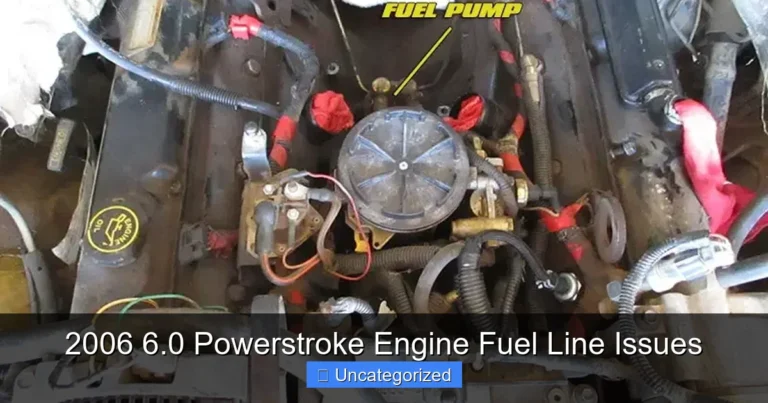
The path of diesel fuel in your 7.3 Powerstroke begins in the fuel tank, where it’s stored. From there, an electric lift pump (located on the frame rail on most models) draws the fuel and pushes it forward. This fuel then travels through lines to a critical component often referred to as the “fuel bowl.” This bowl is typically mounted on top of the engine, adjacent to the fuel filter, and serves as a central hub before the fuel is distributed to the injectors. After passing through the fuel filter within this bowl, the now clean fuel proceeds to the high-pressure oil pump (HPOP) reservoir, where it’s mixed with engine oil before being sent under immense pressure to the injectors, completing its journey.
| Feature | Specification / Value | Purpose / Impact |
|---|---|---|
| Primary Function | Prevents diesel fuel gelling | Ensures proper fuel flow and cold-weather starts. |
| Heater Type / Activation | Electric Heater Element with Thermostatic Switch | Activates automatically below ~40°F (4°C). |
| Typical Power Draw | ~175 Watts (~14.5 Amps) @ 12V DC | Requires dedicated circuit, often protected by a 20-25A fuse. |
| Common Failure Modes | Heater element burnout, faulty thermostat switch | Can lead to hard starting in cold, blown fuses, or no heat. |
| Location / Maintenance | Integrated into the fuel filter housing (fuel bowl) | Typically inspected or replaced during fuel filter service. |
Why the Fuel Bowl is Key
The fuel bowl in the 7.3 Powerstroke isn’t just a simple container; it’s a multi-functional component critical for the health and performance of your engine. It houses the primary fuel filter, which is responsible for trapping contaminants and water, preventing them from reaching sensitive fuel injection components. Because the fuel filter’s finely woven media can be a bottleneck for fuel flow, and water can freeze, this area becomes the prime location where diesel gelling or waxing can cause significant problems. Any disruption here can quickly cascade into engine performance issues. This strategic placement is precisely why the 7.3 Powerstroke Engine Fuel Bowl Heater is integrated into this crucial component – it’s designed to protect the most vulnerable part of your fuel system from the ravages of cold weather.
The Critical Role of the 7.3 Powerstroke Engine Fuel Bowl Heater
The unassuming 7.3 Powerstroke Engine Fuel Bowl Heater is a unsung hero, especially for those who rely on their diesel truck in harsh winter conditions. Without it, the legendary reliability of your 7.3L Powerstroke could quickly turn into a frustrating saga of cold-weather breakdowns. Understanding its mechanism and benefits is key to appreciating its significance.

Learn more about 7.3 powerstroke engine fuel bowl heater – 7.3 Powerstroke Engine Fuel Bowl Heater Function
Image source: img.freepik.com
What is Diesel Gelling?
Diesel fuel, particularly #2 diesel, contains paraffin wax compounds. Under normal operating temperatures, these waxes remain dissolved in the fuel. However, as temperatures drop, these waxes begin to crystallize, forming microscopic particles that can clog fuel filters and lines. This process is known as “gelling” or “waxing.” The point at which these crystals begin to form is called the “cloud point,” and as temperatures continue to fall, the fuel can solidify to the point of being unable to flow – the “pour point.” When your fuel gels, your engine effectively starves, leading to rough running, loss of power, or a complete inability to start. This phenomenon is a primary reason why the 7.3 Powerstroke fuel heater is indispensable.
How the Fuel Bowl Heater Works
The 7.3 Powerstroke Engine Fuel Bowl Heater is essentially an electric heating element, typically integrated directly into the fuel bowl assembly. It’s designed to warm the diesel fuel housed within the bowl, specifically around the fuel filter, to prevent gelling. The heater is usually thermostatically controlled, meaning it only activates when the ambient temperature, or the fuel temperature itself, drops below a predetermined threshold (e.g., around 40-50°F or 4-10°C). When activated, it draws power from the truck’s electrical system, generating heat that radiates into the fuel, raising its temperature above the gelling point. This ensures that even in frigid conditions, the fuel remains liquid and flows freely through the filter and into the engine’s injection system. This localized heating is far more efficient than trying to heat the entire fuel tank, making the fuel bowl heater 7.3 Powerstroke a highly effective solution.
Benefits of a Functional Heater
A properly functioning 7.3 Powerstroke fuel bowl heater offers a multitude of benefits, particularly when operating in cold climates:
- Ensures Consistent Fuel Flow: By preventing wax crystallization, the heater guarantees a steady, uninterrupted supply of fuel to the engine, crucial for maintaining performance.
- Prevents Filter Clogging: The fuel filter is the primary casualty of gelling. A working heater keeps the filter media clear, extending its life and preventing premature blockages.
- Aids Cold Starting: A common cold-weather complaint for diesel owners is difficulty starting. By ensuring liquid fuel is available at the injectors, the heater significantly improves cold start reliability.
- Protects Injection Components: Starving the engine of fuel can lead to the injection system running lean or dry, potentially causing damage to expensive components like the fuel pump and injectors. The heater safeguards these vital parts.
- Maintains Engine Performance: With consistent fuel delivery, your 7.3 Powerstroke can maintain its full power and torque, even in the coldest conditions, preventing loss of power or sputtering.
Ultimately, the 7.3 Powerstroke Engine Fuel Bowl Heater is a critical piece of the puzzle for maintaining the legendary reliability and performance of your truck when temperatures plummet, saving you from costly repairs and inconvenient breakdowns.
Common Symptoms of a Failing 7.3 Powerstroke Fuel Bowl Heater
Despite its robust design, the 7.3 Powerstroke Engine Fuel Bowl Heater can, like any electrical component, eventually fail. Recognizing the symptoms of a malfunctioning heater is crucial for timely diagnosis and repair, preventing more severe engine issues and ensuring your truck remains dependable in cold weather. Most symptoms will manifest when temperatures drop below the diesel’s cloud point.
Cold Start Difficulties
This is arguably the most common and frustrating symptom of a failed 7.3 Powerstroke fuel heater. If your truck cranks strong but struggles to start, or starts roughly and then quickly stalls, especially on cold mornings, the fuel bowl heater is a prime suspect. Without the heater, fuel in the bowl and filter can gel, effectively cutting off the fuel supply to the injectors. The engine may briefly run on residual fuel in the lines, but without a continuous supply, it will quickly die. You might notice:
- Extended cranking times without ignition.
- Engine firing, sputtering, and then dying.
- Engine running very rough for a short period before stalling.
Reduced Engine Performance
Even if your truck manages to start with a failing fuel bowl heater 7.3 Powerstroke, you might experience significant performance issues once underway. As you drive, the gelling fuel may partially restrict flow, leading to:
- Loss of Power: The engine may feel sluggish or unable to achieve full power, particularly under load.
- Sputtering or Hesitation: Intermittent fuel starvation can cause the engine to misfire or hesitate, especially during acceleration.
- Stalling: In severe cases of gelling, the engine may completely stall while driving, posing a significant safety risk.
- Poor Fuel Economy: An engine struggling with fuel delivery will often burn more fuel inefficiently.
Dashboard Warning Lights
While there isn’t typically a dedicated warning light specifically for the 7.3 Powerstroke Engine Fuel Bowl Heater, a severe gelling issue caused by a failed heater can trigger other warning indicators:
- Check Engine Light (CEL): Prolonged fuel starvation can lead to engine misfires or other sensor readings outside normal parameters, triggering the CEL. Diagnostic trouble codes (DTCs) related to fuel pressure or engine performance might be stored.
- Water in Fuel (WIF) Light: Although not directly related to the heater’s function, if water freezes in the fuel bowl (which the heater also helps prevent), it could mimic or exacerbate symptoms, potentially triggering the WIF light if the sensor is functional.
Visual Inspection Clues
Sometimes, a visual inspection can offer clues about a failed 7.3 Powerstroke fuel heater, though not always conclusive:
- Corrosion: Examine the electrical connector and wiring leading to the fuel bowl heater. Corrosion on these components can indicate poor electrical connection or a fault.
- Damaged Wires: Frayed, burnt, or broken wires around the fuel bowl heater assembly can prevent it from receiving power.
- Melted or Deformed Housing: In rare cases, an internal short or prolonged overheating (though unlikely with a properly functioning thermostat) could cause visible damage to the heater element or fuel bowl housing itself.
If you experience any of these symptoms in cold weather, it’s highly recommended to inspect and diagnose your 7.3 Powerstroke Engine Fuel Bowl Heater promptly to avoid further complications and restore your truck’s reliable cold-weather performance.
Diagnosing and Troubleshooting Your 7.3 Powerstroke Fuel Bowl Heater
When your 7.3 Powerstroke starts acting up in cold weather, a failing fuel bowl heater should be high on your list of suspects. Fortunately, diagnosing this component is a relatively straightforward process, requiring only basic tools and a careful approach. Here’s how to go about it.
Safety First!
Before you begin any work on your truck’s electrical or fuel system, always prioritize safety:
- Disconnect Battery: Always disconnect the negative battery terminal to prevent accidental shorts or electrocution.
- Work in a Well-Ventilated Area: You’ll be dealing with diesel fuel, so ensure adequate ventilation.
- Wear Personal Protective Equipment (PPE): Gloves and eye protection are recommended.
- Allow Engine to Cool: If the engine has been running, allow it to cool down to prevent burns.
Step-by-Step Diagnostic Process
-
Visual Inspection:
Start with a thorough visual check. Locate the fuel bowl assembly on top of the engine. Look for the electrical connector leading to the fuel bowl heater 7.3 Powerstroke. Inspect the wiring for any signs of damage, fraying, cracks, or corrosion. Check the connector itself for looseness or bent pins. Sometimes, simply cleaning a corroded connection can resolve the issue.
-
Electrical Continuity/Resistance Test:
This is the most definitive test for the heater element itself. You’ll need a multimeter set to measure resistance (Ohms). Ensure the engine is cold (below the thermostat activation temperature) to get an accurate reading, as the heater should be “closed” or “on” at cold temperatures.
- Disconnect the electrical connector from the fuel bowl heater.
- Place the multimeter probes onto the two terminals of the heater element (usually accessible within the connector on the fuel bowl side).
- A healthy 7.3 Powerstroke Engine Fuel Bowl Heater should show a very low resistance reading, typically between 0.5 to 2 Ohms. A reading of infinity (OL or Open Line) indicates an open circuit, meaning the heating element is broken internally. A very high resistance might suggest a compromised element.
Note: Some heater designs incorporate the thermostat directly into the element. If the element tests open when warm, it could be the thermostat doing its job. However, if it’s open when cold, it’s generally failed.
-
Power Supply Check (For Advanced Diagnostics):
If the heater element tests good, the problem might be upstream in the electrical circuit. This step verifies if power is actually reaching the heater. Reconnect the battery for this test, but exercise extreme caution.
- With the engine cold and the ignition key turned to the “ON” position (engine off), use your multimeter set to measure DC volts.
- Place the positive probe into one of the heater’s wiring harness terminals and the negative probe to a good ground. Then repeat for the other terminal. You should see approximately 12 volts present on at least one of the terminals, or across both if the heater is designed with switched power and ground. (Consult a wiring diagram for your specific year model for precise pin-outs).
- If no voltage is present, the issue lies in the fuse, relay, or wiring supplying power to the 7.3 Powerstroke fuel heater.
-
Thermostat Check (Indirect):
The thermostat is often built into the heater element. If the heater shows resistance when cold but doesn’t seem to heat, or shows infinite resistance when warm (and you suspect it shouldn’t), it might be working correctly. The simplest way to indirectly check the thermostat is to perform the resistance test when the engine is cold (heater should show low resistance) and then again after the engine has warmed up (heater should show open/infinite resistance if the thermostat has opened). If it stays low resistance when warm, the thermostat may be stuck closed, though this is less common than being stuck open or the element failing.
Common Causes of Failure
- Aging Element: Like any electrical heater, the element can simply burn out over time due to repeated heating and cooling cycles.
- Electrical Shorts: Internal shorts within the heater can cause it to fail, sometimes tripping a fuse.
- Corrosion: Exposure to diesel fuel, water, and engine bay conditions can lead to corrosion on the electrical terminals or within the heater itself.
- Faulty Thermostat: The integrated thermostat can fail, either sticking open (preventing heating) or sticking closed (causing continuous heating, though less common as a direct failure mode that stops the heater from working).
By systematically following these steps, you can accurately pinpoint whether your 7.3 Powerstroke Engine Fuel Bowl Heater is the culprit behind your cold-weather woes.
Maintenance, Replacement, and Upgrades for Your Fuel Bowl Heater
Ensuring the longevity and optimal performance of your 7.3 Powerstroke Engine Fuel Bowl Heater involves a combination of preventative maintenance, knowing when to replace it, and understanding potential upgrades. Proactive measures can save you a lot of headache and expense down the road, particularly when cold weather strikes.
Preventative Maintenance Tips
While the fuel bowl heater 7.3 Powerstroke itself doesn’t require specific maintenance other than ensuring its electrical connections are clean and secure, several general fuel system practices can indirectly support its function and reduce strain on it:
- Regular Fuel Filter Changes: A clean fuel filter is paramount. Replace your 7.3 Powerstroke fuel filter according to manufacturer recommendations (typically every 10,000-15,000 miles or 6 months). A clogged filter puts more stress on the entire fuel system and can exacerbate gelling issues.
- Use Quality Diesel Fuel and Anti-Gelling Additives: Always purchase diesel from reputable stations. In cold weather, use #1 diesel (kerosene-based) or a blend if available, as it has a lower gelling point. Supplement with a high-quality anti-gelling additive. This reduces the burden on your 7.3 Powerstroke fuel heater.
- Keep the Fuel Tank Full in Cold Weather: A full fuel tank minimizes condensation, which can lead to water in the fuel that can freeze. It also ensures there’s enough volume of fuel around the pick-up to keep flowing.
- Inspect Wiring Annually: During routine maintenance, visually inspect the wiring and connector to the fuel bowl heater for any signs of wear, damage, or corrosion.
Replacing the Fuel Bowl Heater
If your diagnostic tests confirm a failed 7.3 Powerstroke Engine Fuel Bowl Heater, replacement is usually the most effective solution. The process is generally straightforward for a DIY enthusiast with basic mechanical skills.
Tools Needed:
- Socket set (for fuel bowl bolts, typically 10mm or 13mm)
- Torx bit set (for the heater element itself, sometimes T20 or T25)
- Drain pan for diesel fuel
- New fuel filter and gaskets (good time to replace the filter if due)
- Shop rags
- New fuel bowl heater assembly or element
Step-by-Step Guide (General Overview):
- Safety First: Disconnect both negative battery terminals.
- Drain Fuel Bowl: Place a drain pan underneath the fuel bowl. Open the fuel bowl drain valve (often a yellow lever or a T-handle) to drain the diesel fuel. Allow it to drain completely.
- Disconnect Electrical: Disconnect the electrical connector from the existing 7.3 Powerstroke fuel heater.
- Remove Fuel Bowl Top (If Necessary): Depending on your specific fuel bowl design and the replacement part, you may need to remove the top of the fuel bowl (where the filter is housed) to access the heater element. This usually involves several small bolts.
- Remove Old Heater: The heater element is typically secured by a few small Torx screws or sometimes it’s threaded in. Carefully remove it. Be prepared for any residual fuel.
- Install New Heater: Install the new 7.3 Powerstroke Engine Fuel Bowl Heater, ensuring any new gaskets or O-rings are properly seated. Tighten screws or threads to manufacturer specifications (do not overtighten).
- Reassemble Fuel Bowl: Reinstall the fuel bowl top (if removed) and tighten bolts evenly. Close the fuel bowl drain valve.
- Reconnect Electrical: Plug the electrical connector back into the new heater.
- Prime Fuel System: Reconnect the battery. Cycle the ignition key “ON” for about 30 seconds, then “OFF,” several times (3-5 cycles) without starting the engine. This allows the lift pump to run and prime the fuel system, filling the fuel bowl. Listen for the pump to quiet down as air is bled out.
- Check for Leaks: Start the engine and visually inspect the fuel bowl area for any leaks.
Note: Always refer to your specific truck’s service manual for precise instructions and torque specifications.
Aftermarket Solutions and Upgrades
While the factory 7.3 Powerstroke Engine Fuel Bowl Heater is generally effective, some owners in extremely cold climates or those running alternative fuels might consider additional measures:
- Heated Fuel Lines: Aftermarket kits are available that wrap heating elements around critical fuel lines, providing warmth beyond just the fuel bowl.
- Additional Fuel Heaters: Some systems include inline fuel heaters or heated fuel filters placed elsewhere in the fuel path for added protection.
- Fuel Tank Heaters: For the most extreme conditions, heaters can be installed directly into the fuel tank, though these are less common for everyday use.
These upgrades can provide an extra layer of protection, especially when combined with a functional primary 7.3 Powerstroke fuel heater and anti-gelling additives. However, ensure any aftermarket solution is compatible with your 7.3 Powerstroke and professionally installed to avoid electrical or fuel system issues.
Below is a table summarizing typical diesel fuel characteristics and the role of heating in various temperatures:
| Temperature (°F / °C) | Diesel Type (Typical) | Gelling Risk | Fuel Bowl Heater Impact |
|---|---|---|---|
| > 32°F / 0°C | #2 Diesel | Low | Minimal operation (thermostat open) |
| 10-32°F / -12-0°C | #2 Diesel | Moderate to High | Essential operation (thermostat closed, heating) |
| < 10°F / -12°C | #2 Diesel | Very High / Critical | Crucial for flow & starting (continuous heating) |
| Any Cold Temp | #1 Diesel (Winter Blend) | Very Low | Supplementary (lower need due to fuel properties) |
Conclusion
The 7.3 Powerstroke engine stands as a testament to robust engineering, but even the best designs require thoughtful maintenance and an understanding of their vital components. The 7.3 Powerstroke Engine Fuel Bowl Heater, though small and often overlooked, is an absolutely critical device for anyone operating their legendary diesel truck in cold climates. Its primary mission – to prevent diesel fuel gelling and ensure a continuous, clean fuel supply to your engine – is fundamental to reliable cold starts and consistent performance.
From understanding the journey of diesel fuel and the mechanisms of gelling, to recognizing the tell-tale signs of a failing heater and performing effective diagnostics, we’ve covered the essential knowledge needed. Proactive maintenance, including regular fuel filter changes and the use of quality fuel with anti-gelling additives, will always complement the heater’s function. Should replacement be necessary, it’s a manageable task that empowers you to keep your 7.3 Powerstroke running strong.
Don’t let a minor component compromise the legendary reliability of your truck. By paying attention to your 7.3 Powerstroke Engine Fuel Bowl Heater, you’re not just maintaining a part; you’re preserving the very heart of what makes your 7.3L Powerstroke the powerful, dependable workhorse it was designed to be, ready to tackle any weather condition with unwavering confidence.
Frequently Asked Questions
What is the primary purpose of the 7.3 Powerstroke engine fuel bowl heater?
The primary purpose of the 7.3 Powerstroke engine fuel bowl heater is to prevent diesel fuel from gelling in cold weather. Diesel fuel can thicken and turn into a gel-like substance at low temperatures, which can restrict fuel flow and prevent the engine from starting or running properly.
How does the 7.3 Powerstroke engine fuel bowl heater work?
The 7.3 Powerstroke fuel bowl heater is an electrical resistive element located within the fuel filter housing (the fuel bowl). When activated, it heats the diesel fuel contained in the bowl, raising its temperature above the gelling point. This ensures the fuel remains liquid and can pass through the fuel filter and lines to the engine.
When does the 7.3 Powerstroke engine fuel bowl heater activate?
The 7.3 Powerstroke engine fuel bowl heater typically activates automatically when the engine is started and the ambient temperature or fuel temperature falls below a certain threshold, usually around 35-40°F (2-4°C). It often cycles on and off as needed to maintain the fuel’s fluidity in cold conditions.
What are the symptoms of a failing 7.3 Powerstroke engine fuel bowl heater?
A common symptom of a failing 7.3 Powerstroke engine fuel bowl heater is difficulty starting or rough running in very cold weather, especially if other cold-weather starting components are functioning correctly. Another sign could be a blown fuse specifically for the fuel bowl heater circuit, as these heaters can sometimes short out.
Is the 7.3 Powerstroke engine fuel bowl heater essential, especially in warmer climates?
While not strictly essential in consistently warm climates where temperatures rarely drop below freezing, the 7.3 Powerstroke fuel bowl heater remains an important system for cold starts. In areas with occasional cold snaps, or if you plan to travel to colder regions, a functional fuel bowl heater becomes crucial for reliable operation. Many owners prefer to keep it operational for overall peace of mind.
Can a faulty 7.3 Powerstroke fuel bowl heater cause other electrical issues?
Yes, a faulty 7.3 Powerstroke fuel bowl heater can potentially cause other electrical issues. A common failure mode for these heaters is to short out, which will typically blow the fuse protecting its circuit. While usually limited to blowing its dedicated fuse, a severe short could potentially lead to wiring damage if the circuit is not properly fused or if the fault is prolonged.