6.4 Powerstroke Engine Fuel Mileage Optimization
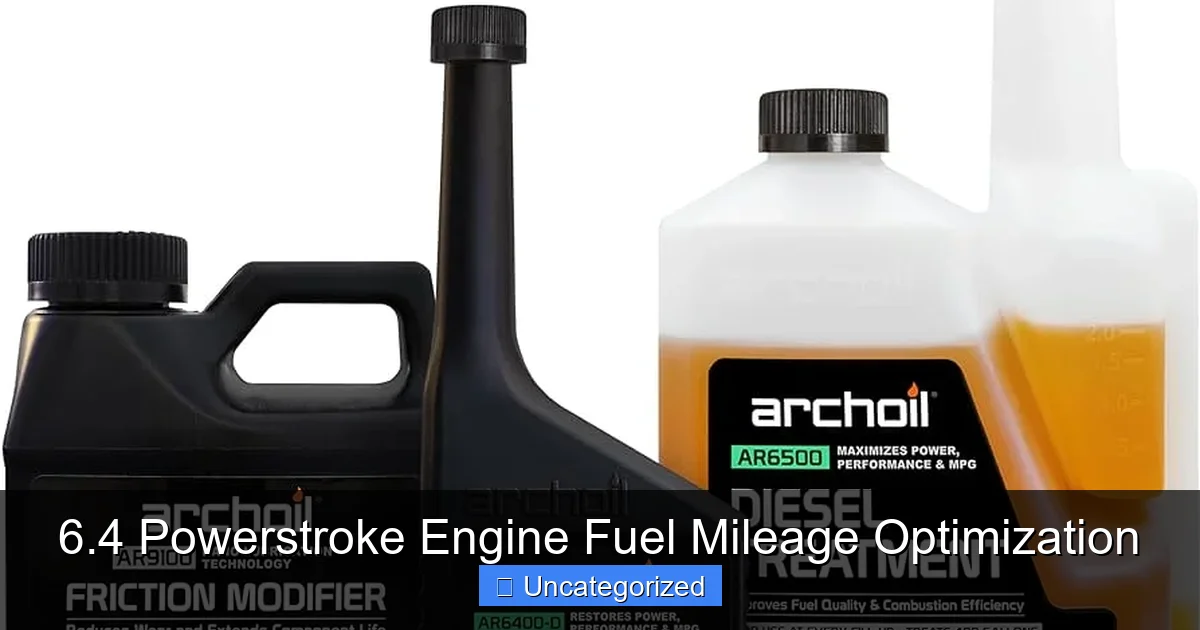
Featured image for this comprehensive guide about 6.4 powerstroke engine fuel mileage
Image source: motorriderz.com
The Ford 6.4 Powerstroke engine is a fascinating beast. Known for its raw power and impressive torque output, it quickly earned a reputation among heavy-duty truck owners who demanded serious pulling capability. From hauling massive trailers to conquering rugged terrain, the 6.4-liter twin-turbo diesel was designed for the toughest jobs. However, alongside its legendary strength, another characteristic became equally (if not more) legendary: its voracious appetite for fuel. For many owners, the sight of the fuel gauge plummeting after a short drive is a familiar, if frustrating, experience.
If you’re a proud owner of a Ford Super Duty equipped with the 6.4 Powerstroke engine, you’ve likely experienced the “diesel grin” that comes with its performance, followed quickly by the “diesel grimace” at the fuel pump. The quest for better fuel economy, or at least a less painful one, is a common pilgrimage for 6.4 Powerstroke enthusiasts. The good news is that while this engine might never win awards for miserly consumption, there are definitive, actionable strategies you can implement to significantly improve your 6.4 Powerstroke engine fuel mileage.
This comprehensive guide is designed to empower you with the knowledge and tools to optimize your truck’s fuel economy. We’ll dive deep into understanding why the 6.4 Powerstroke is so thirsty, explore fundamental maintenance practices, discuss the impact of your driving habits, examine the potential benefits of performance modifications, and show you how to accurately monitor your progress. Get ready to transform your understanding of your truck and, more importantly, reduce those frequent trips to the fuel station by maximizing your 6.4 Powerstroke engine fuel mileage.
Quick Answers to Common Questions
What’s the typical 6.4 Powerstroke engine fuel mileage?
Generally, owners report a 6.4 Powerstroke engine fuel mileage between 10-14 MPG, with many finding it closer to the lower end, especially in city driving or when towing. Factors like driving style and vehicle modifications heavily influence these numbers.
Why is my 6.4 Powerstroke’s fuel mileage so poor?
The 6.4 Powerstroke engine was designed with a complex emissions system that often restricts airflow and triggers frequent regeneration cycles, significantly hurting its fuel mileage. Additionally, its robust build and powerful engine inherently consume more fuel.
Can I actually improve my 6.4 Powerstroke engine fuel mileage?
Absolutely! While it won’t ever be a hybrid, there are several effective strategies to improve your 6.4 Powerstroke engine fuel mileage, ranging from basic maintenance to more advanced aftermarket modifications. Even subtle changes in driving habits can make a difference.
What’s one quick, easy tip to boost my 6.4 Powerstroke’s fuel economy right now?
A super simple and immediate tip to help your 6.4 Powerstroke engine fuel mileage is to ensure your tires are properly inflated and to practice smoother driving. Avoiding aggressive acceleration and hard braking can significantly improve your numbers.
Is the 6.4 Powerstroke engine fuel mileage really worse than other diesel trucks?
Unfortunately, yes, the 6.4 Powerstroke is often noted for having some of the lowest fuel mileage among comparable diesel trucks of its era, primarily due to its factory emissions components. However, this doesn’t mean you can’t optimize your specific truck for better performance.
📋 Table of Contents
- Understanding the 6.4 Powerstroke’s Fuel Economy Challenges
- Fundamental Maintenance for Optimal 6.4 Powerstroke Fuel Mileage
- Driving Habits: Your Biggest Lever for Better 6.4 Powerstroke MPG
- Performance Modifications: Unlocking the 6.4 Powerstroke’s Potential
- Monitoring and Analyzing Your 6.4 Powerstroke’s Fuel Economy
- Real-World Expectations and Data Insights
- Conclusion
Understanding the 6.4 Powerstroke’s Fuel Economy Challenges
Before we can optimize, we must understand. The 6.4 Powerstroke engine, produced from 2008 to 2010, was a transitional engine for Ford, heavily influenced by increasingly stringent emissions regulations. Its design, while powerful, inherently contributes to its lower-than-desired fuel economy.
Learn more about 6.4 powerstroke engine fuel mileage – 6.4 Powerstroke Engine Fuel Mileage Optimization
Image source: autocarneed.com
The Engine’s Design and Emissions Systems
The 6.4L Powerstroke features a common-rail injection system and compound (sequential twin) turbochargers, providing incredible responsiveness and power. However, it’s the sophisticated, and often restrictive, emissions equipment that truly hampers the 6.4 Powerstroke engine fuel mileage. Key components include:
| Driving Condition | Estimated MPG (US) | Relevant Factors |
|---|---|---|
| Unloaded Highway (Stock) | 14-16 | Flat terrain, consistent speed (60-70 mph), stock configuration. |
| Unloaded City (Stock) | 10-12 | Stop-and-go traffic, frequent idling, DPF regeneration cycles. |
| Towing (Light Trailer) | 10-12 | Approx. 5,000 lbs trailer, mixed driving, moderate speeds. |
| Towing (Heavy Load) | 7-9 | Approx. 15,000+ lbs fifth wheel/gooseneck, significant wind resistance. |
| Optimized/Tuned (Highway) | 15-18 | Aftermarket tuning, potentially with emissions system modifications (legality varies). |
- Diesel Particulate Filter (DPF): This filter captures soot from the exhaust. To clean it, the engine enters a “regeneration” cycle, where extra fuel is injected to raise exhaust temperatures and burn off the soot. These regens are frequent and demand a significant amount of extra fuel.
- Exhaust Gas Recirculation (EGR) System: The EGR system recirculates exhaust gases back into the engine’s intake to reduce NOx emissions. This can lead to increased soot buildup, higher intake air temperatures, and can indirectly affect combustion efficiency.
- Diesel Oxidation Catalyst (DOC): This component helps convert harmful pollutants into less toxic ones but adds resistance to the exhaust flow.
These systems, while vital for meeting emissions standards, introduce backpressure, require additional fuel for regeneration, and can lead to increased engine heat and stress, all of which detract from optimal 6.4 Powerstroke engine fuel mileage.
Common Factors Affecting MPG
Beyond the inherent design, several operational factors significantly impact your truck’s fuel consumption:
- Frequent Regeneration Cycles: As mentioned, regens are fuel hogs. Stop-and-go city driving or short trips often prevent the DPF from getting hot enough to complete a passive regen, forcing more frequent active regens.
- Driving Style: Aggressive acceleration, hard braking, and high cruising speeds are detrimental to any vehicle’s fuel economy, especially a heavy diesel truck.
- Weight and Aerodynamics: The 6.4 Powerstroke itself is a heavy engine in a heavy truck. Add extra cargo, aftermarket accessories (lift kits, large tires, bulky bumpers), or tow heavy loads, and your MPG will drop further.
- Maintenance Neglect: Clogged filters, old oil, and worn components force the engine to work harder.
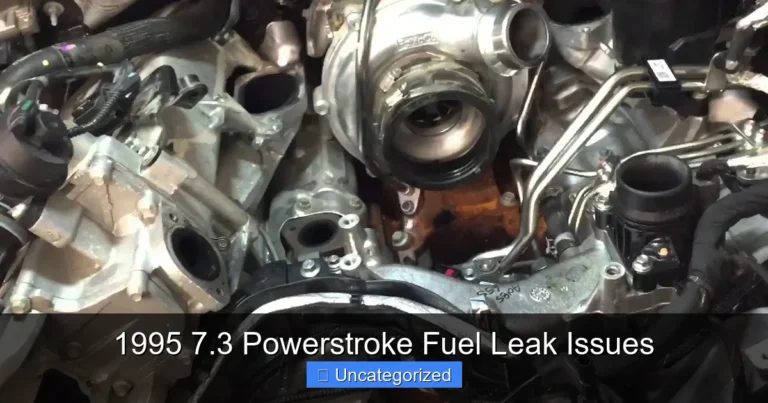
- Injector Issues: The 6.4 Powerstroke is known for injector problems. Leaking or poorly functioning injectors can directly lead to excessive fuel consumption and black smoke.
Fundamental Maintenance for Optimal 6.4 Powerstroke Fuel Mileage
You can’t build a strong house on a weak foundation. Similarly, you can’t achieve optimal 6.4 Powerstroke engine fuel mileage without ensuring your truck is in peak mechanical condition. Neglecting basic maintenance is a surefire way to burn through more diesel than necessary.
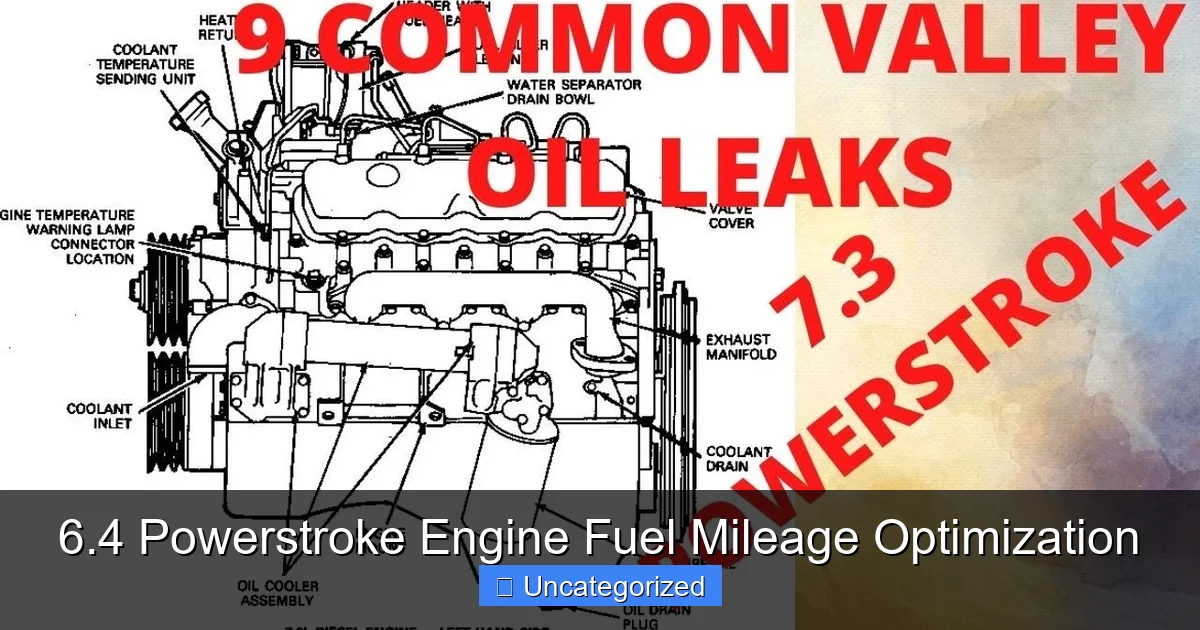
Learn more about 6.4 powerstroke engine fuel mileage – 6.4 Powerstroke Engine Fuel Mileage Optimization
Image source: i.ytimg.com
Air Filters and Fuel Filters
Clean filters are paramount for a diesel engine’s health and efficiency.
- Air Filter: A dirty air filter restricts airflow to the engine, forcing it to work harder and potentially run a richer fuel-to-air mixture, which wastes fuel. Check your air filter regularly, especially if you drive in dusty conditions, and replace it according to manufacturer recommendations or sooner if visibly dirty. Optimal airflow ensures complete combustion and better 6.4 Powerstroke engine fuel mileage.
- Fuel Filters: The 6.4 Powerstroke has two fuel filters (primary and secondary). These filters protect your high-pressure fuel pump (HPFP) and injectors from contaminants. Clogged fuel filters can restrict fuel flow, causing the HPFP to work harder, reducing power, and potentially damaging expensive components. More importantly for our topic, a restricted fuel supply can lead to the engine demanding more fuel than it’s efficiently getting, negatively impacting your 6.4 Powerstroke engine fuel mileage. Replace both filters every 10,000 to 15,000 miles, or as recommended by Ford.
Oil Changes and Fluid Checks
Proper lubrication and fluid levels are critical for minimizing friction and ensuring all components operate smoothly.
- Engine Oil: Use the correct viscosity oil specified by Ford (typically 15W-40 or 5W-40 synthetic for diesel engines). Old, degraded oil loses its lubricating properties, increasing internal friction within the engine. Fresh, clean oil reduces parasitic losses, allowing the engine to run more efficiently. Stick to your oil change intervals (usually 5,000-7,500 miles, depending on use and oil type).
- Transmission Fluid: A healthy transmission shifts smoothly and efficiently, transferring power effectively to the wheels. Old, burnt, or low transmission fluid can lead to slippage and increased heat, both of which waste power and fuel.
- Differential Fluids: Don’t overlook the front and rear differential fluids. Clean, correct-spec gear oil reduces friction in the drivetrain, contributing to overall efficiency.
Tire Pressure and Alignment
These are simple checks that yield significant results.
- Tire Pressure: Under-inflated tires increase rolling resistance, forcing your engine to work harder to maintain speed. Check your tire pressure weekly, or at least monthly, and inflate to the recommended PSI found on your door jamb sticker. Proper tire pressure can improve 6.4 Powerstroke engine fuel mileage by several percent.
- Wheel Alignment: Misaligned wheels drag rather than roll freely. This creates unnecessary resistance, increasing fuel consumption. If your truck pulls to one side, or you notice uneven tire wear, get an alignment immediately.
Injector Health and Fuel System Maintenance
The common rail injectors in the 6.4 Powerstroke are sophisticated but can be problematic.
- Fuel Additives: Regularly using a quality diesel fuel additive (especially one with cetane boost and lubricity enhancers) can help keep injectors clean, prevent deposits, and ensure optimal fuel atomization. This directly translates to more efficient combustion and better 6.4 Powerstroke engine fuel mileage.
- Monitor for Issues: Pay attention to symptoms like excessive smoke, rough idle, loss of power, or increased fuel consumption. These could indicate failing injectors, which, if left unaddressed, will severely impact your MPG and potentially cause further engine damage.
Driving Habits: Your Biggest Lever for Better 6.4 Powerstroke MPG
While maintenance lays the groundwork, your driving habits are arguably the most immediate and significant factor you can control when it comes to improving your 6.4 Powerstroke engine fuel mileage. Small changes in how you operate your truck can lead to substantial savings at the pump.
Smooth Acceleration and Deceleration
Think of your accelerator pedal as an eggshell.
- Gentle Acceleration: Jackrabbit starts and rapid acceleration force the engine to inject a large amount of fuel quickly. Instead, accelerate smoothly and gradually. Allow the turbos to spool up naturally rather than forcing them with a heavy foot.
- Anticipate Traffic: Look far ahead to anticipate stops and traffic slowdowns. Coasting to a stop allows the engine to burn less fuel than hard braking from high speeds. Avoid last-minute braking, as it wastes the kinetic energy you paid for in fuel.
Maintaining Consistent Speeds
Fluctuating speeds constantly demand more fuel.
- Use Cruise Control: On highways and flat roads, cruise control is your best friend. It helps maintain a consistent speed, preventing unnecessary acceleration and deceleration. This leads to a more stable fuel delivery and better 6.4 Powerstroke engine fuel mileage.
- Find Your Sweet Spot: While it varies by truck and modifications, most heavy-duty diesels achieve their best highway MPG between 55-65 mph. Pushing past 70 mph significantly increases aerodynamic drag, causing your engine to work much harder.
Avoiding Excessive Idling
Idling is a silent killer of fuel economy for diesel engines.
- Shut it Off: If you’re going to be stopped for more than a minute, it’s generally more fuel-efficient to turn off the engine and restart it when you’re ready to go. Modern diesel starters are robust.
- Warm-Up vs. Idling: While a diesel needs a few minutes to circulate fluids and build oil pressure, extended idling for “warm-up” is largely unnecessary and wasteful once the initial cold start sequence is complete. Driving gently is the best way to warm up your engine and transmission.
- Impact on Regens: Excessive idling can also contribute to more frequent DPF regenerations, as the exhaust temperatures aren’t high enough to perform passive cleaning, forcing active regens that consume more fuel. This directly harms your 6.4 Powerstroke engine fuel mileage.
Weight Reduction and Aerodynamics
Every pound and every bit of drag matters.
- Remove Unnecessary Weight: Do you have tools, gear, or junk in your truck bed or cabin that you don’t need on a daily basis? Remove it! Less weight means less work for the engine.
- Improve Aerodynamics: Aftermarket accessories like large roof racks, heavy-duty bumpers, and overly aggressive tires can significantly increase aerodynamic drag. Consider a tonneau cover for your truck bed; it can reduce drag by smoothing airflow over the bed, offering a slight but measurable improvement in 6.4 Powerstroke engine fuel mileage. When towing, ensure your load is properly distributed and as aerodynamic as possible.
Performance Modifications: Unlocking the 6.4 Powerstroke’s Potential
For many 6.4 Powerstroke engine owners, the path to truly optimizing fuel mileage involves delving into aftermarket performance modifications. These changes can be controversial due to legality and environmental concerns, but they offer some of the most substantial gains in MPG.
Emissions System Deletes (DPF, EGR)
IMPORTANT DISCLAIMER: Modifying or removing emissions control devices is illegal in many jurisdictions for vehicles operated on public roads and can lead to significant fines. It may also void your vehicle’s warranty. Always check local, state, and federal laws before considering any emissions-related modifications. These modifications are often intended for off-road or competition use only.
With that crucial disclaimer in mind, the emissions systems on the 6.4 Powerstroke are a primary culprit for poor fuel economy.
- DPF Delete: Removing the Diesel Particulate Filter eliminates the need for regeneration cycles. This directly stops the process of injecting extra fuel to clean the DPF, which is a major contributor to poor 6.4 Powerstroke engine fuel mileage. It also reduces exhaust backpressure, allowing the engine to breathe easier.
- EGR Delete: Deleting the Exhaust Gas Recirculation system prevents hot, sooty exhaust gases from re-entering the intake. This keeps the intake manifold cleaner, reduces intake air temperatures, and can indirectly improve combustion efficiency.
These deletes must be accompanied by custom tuning to prevent the engine from going into “limp mode” and to ensure proper operation. When done correctly, emissions deletes, coupled with a proper tune, are often cited as the single most effective way to improve 6.4 Powerstroke engine fuel mileage, often yielding 2-5+ MPG gains.
Custom Tuning and Engine Calibration
Even without emissions deletes, custom tuning can optimize your engine’s performance for better fuel economy.
- Economy Tunes: Reputable tuners offer specific “economy” or “towing” tunes that modify fuel injection timing, duration, and pressure, as well as turbocharger VGT (Variable Geometry Turbocharger) settings. These tunes are designed to prioritize efficiency over maximum power, making the engine run cleaner and more effectively, thus improving your 6.4 Powerstroke engine fuel mileage.
- Optimized Parameters: A good tune can adjust parameters that manage DPF regeneration strategy (if the DPF is still in place), reduce excessive smoke, and improve throttle response, allowing for a more controlled and efficient driving experience.
- Trusted Tuners: Always choose a reputable tuning company (e.g., SCT, EZ Lynk, HP Tuners) and a skilled custom tuner who understands the intricacies of the 6.4 Powerstroke to avoid potential engine damage.
Aftermarket Intake and Exhaust Systems
While not as impactful as deletes and tuning, these modifications can offer incremental gains.
- Cold Air Intakes (CAI): A high-quality cold air intake can provide a less restrictive path for air to enter the engine. More, cooler, denser air leads to more efficient combustion. While the gains are typically modest for 6.4 Powerstroke engine fuel mileage alone, they can complement a tune.
- Less Restrictive Exhaust: If you perform a DPF delete, an aftermarket “delete pipe” or performance exhaust system will further reduce backpressure, allowing the engine to exhale more freely. This contributes to better turbocharger response and overall engine efficiency.
Monitoring and Analyzing Your 6.4 Powerstroke’s Fuel Economy
Improving your 6.4 Powerstroke engine fuel mileage isn’t just about making changes; it’s about tracking their impact. Without proper monitoring, you won’t know which strategies are working and which aren’t. Measuring your true MPG and understanding your engine’s parameters is crucial.
Calculating True MPG
The onboard computer in your truck might provide an estimated MPG, but it’s often inaccurate. For the most precise measurement, use the old-fashioned, reliable method:
- Fill Up Completely: Drive until your fuel tank is nearly empty, then fill it completely until the pump automatically clicks off.
- Record Mileage: Note your exact odometer reading at the time of fill-up. Reset your trip meter.
- Drive Normally: Drive your truck as you normally would until the tank is nearly empty again.
- Refill and Record: Go back to the same pump (or one that’s similar) and fill the tank completely again, noting the exact number of gallons added. Record your current odometer reading.
- Calculate: Subtract your previous odometer reading from the current one to get the total miles driven. Divide the miles driven by the gallons added.
Example: (Current Odometer – Previous Odometer) / Gallons Added = MPG.
Repeat this process over several tanks to get an accurate average for your 6.4 Powerstroke engine fuel mileage.
Using Scan Tools and Monitors
Modern OBD-II scan tools and dedicated diesel monitors provide invaluable real-time data that can help you understand your engine’s performance and identify fuel-wasting issues.
- Devices: Popular options include the Edge Insight CTS3, SCT Livewire, or various OBD-II Bluetooth adapters paired with smartphone apps (e.g., Torque Pro).
- Key Parameters to Monitor:
- Exhaust Gas Temperatures (EGTs): High EGTs can indicate inefficient combustion or excessive load.
- Boost Pressure: Ensure turbos are operating within spec.
- Fuel Rail Pressure: Crucial for common rail systems, helps diagnose fuel system issues.
- Regeneration Status/Miles Since Last Regen: Knowing when your truck is actively regenerating can help you understand why your 6.4 Powerstroke engine fuel mileage suddenly drops. You can also try to extend passive regen by highway driving.
- Injection Control Pressure (ICP) and Injection Pressure Regulator (IPR): These are vital for healthy injection.
- Understanding the Data: Learning what these numbers mean can help you drive more efficiently, identify potential problems before they become critical, and truly optimize your 6.4 Powerstroke engine fuel mileage.
Keeping a Fuel Log
A simple spreadsheet or a dedicated smartphone app can help you track your fuel economy over time. This allows you to:
- Identify Trends: See if your MPG improves after a specific maintenance item or modification.
- Spot Problems: A sudden, unexplained drop in MPG could signal an underlying engine issue.
- Benchmark: Establish a baseline and measure the effectiveness of your optimization efforts on your 6.4 Powerstroke engine fuel mileage.
Real-World Expectations and Data Insights
It’s important to set realistic expectations. The 6.4 Powerstroke engine is not designed to be a fuel sipper, even with optimization. However, significant improvements are indeed possible. Understanding typical MPG ranges and potential gains can help you benchmark your efforts.
Average Stock 6.4 Powerstroke MPG
A stock 6.4 Powerstroke, especially one driven in mixed conditions or with frequent city driving, typically yields:
- City Driving: 9-12 MPG
- Highway Driving: 12-15 MPG
- Towing: 6-10 MPG (heavily dependent on load and terrain)
These numbers are highly variable based on factors like terrain, altitude, ambient temperature, tire size, and overall vehicle condition. Frequent regeneration cycles, particularly in stop-and-go traffic, can pull these numbers down even further.
Potential Gains from Optimization
By implementing the strategies discussed in this guide, owners can realistically expect to see noticeable improvements in their 6.4 Powerstroke engine fuel mileage. The degree of improvement will vary greatly depending on the starting point and the extent of modifications. Here’s a general overview of potential gains:
| Scenario | Estimated City MPG | Estimated Highway MPG | Potential % Improvement (Approx.) |
|---|---|---|---|
| Stock Baseline | 9-12 | 12-15 | N/A |
| Optimized Driving Habits Only | 10-13 | 13-16 | 5-10% |
| Maintenance + Correct Tire Pressure/Alignment | 11-14 | 14-17 | 10-15% |
| Custom Tune (Economy-focused) | 12-15 | 15-18 | 15-20% |
| Full Emissions Delete + Custom Tune | 13-16 | 16-20+ | 20-30%+ |
*Note: These figures are estimates and highly dependent on individual vehicle condition, specific modifications, driving style, and environmental factors. Your actual results may vary. Gains from deletes are significant but come with legal and environmental considerations as noted earlier.
As you can see, a fully optimized 6.4 Powerstroke engine can approach or even exceed 20 MPG on the highway, a stark contrast to its stock performance. The combination of meticulous maintenance, disciplined driving, and strategic modifications collectively builds the most efficient outcome for your truck.
Conclusion
The 6.4 Powerstroke engine is a testament to Ford’s engineering prowess, delivering immense power and capability that many owners cherish. While its inherent design and emissions systems present challenges to optimal fuel economy, the quest for better 6.4 Powerstroke engine fuel mileage is far from futile. As we’ve explored, a multi-faceted approach combining diligent maintenance, mindful driving habits, and strategic (and legally compliant) performance modifications can yield substantial improvements.
Remember, every step you take, from simply checking your tire pressure to investing in a custom tune, contributes to a more efficient and economical operation of your truck. Start with the basics: ensure your filters are clean, your fluids are fresh, and your tires are properly inflated. Then, focus on smoothing out your driving style and eliminating unnecessary idling. For those seeking the ultimate in efficiency, carefully research the potential of emissions system modifications and custom tuning, always being mindful of local regulations and environmental impact.
By actively monitoring your fuel economy and understanding the factors that influence it, you empower yourself to make informed decisions. Improving your 6.4 Powerstroke engine fuel mileage isn’t just about saving money at the pump; it’s about getting more out of your truck, reducing wear and tear, and enhancing your overall ownership experience. Implement these strategies, and you’ll soon be enjoying more miles per gallon and fewer grimaces at the diesel pump.
Frequently Asked Questions
What’s the average 6.4 Powerstroke engine fuel mileage I can expect?
The average 6.4 Powerstroke engine fuel mileage typically ranges from 10-14 MPG in mixed driving conditions. Factors like vehicle setup, driving style, and maintenance greatly influence these numbers.
Why is the 6.4 Powerstroke engine fuel mileage generally considered poor, and what factors contribute to it?
The 6.4 Powerstroke engine fuel mileage is often lower due to its powerful twin-turbo design and the complex emissions control system, including the Diesel Particulate Filter (DPF). Frequent DPF regeneration cycles, which inject extra fuel, significantly reduce efficiency.
What are the most effective ways to improve my 6.4 Powerstroke engine fuel mileage?
Optimizing your driving style by avoiding aggressive acceleration and maintaining consistent speeds is crucial. Regular maintenance, such as ensuring proper tire pressure and timely filter changes, also plays a significant role in improving 6.4 Powerstroke engine fuel mileage.
Do aftermarket modifications significantly impact 6.4 Powerstroke engine fuel mileage?
Some aftermarket modifications, particularly those related to emissions system bypass (for off-road use only) and custom tuning, are often pursued to enhance 6.4 Powerstroke engine fuel mileage. Less intrusive mods like improved air intake and exhaust systems might offer minor gains.
How does towing or heavy loads affect the 6.4 Powerstroke engine fuel mileage?
Towing heavy loads or carrying significant cargo will noticeably decrease the 6.4 Powerstroke engine fuel mileage. The engine has to work harder, often resulting in a drop of several MPG, potentially into the single digits depending on the load and terrain.
Are there specific maintenance tasks that can help optimize my 6.4 Powerstroke engine fuel mileage?
Yes, meticulous maintenance is key to optimizing your 6.4 Powerstroke engine fuel mileage. Regularly changing the fuel filters, replacing the air filter, using the correct engine oil, and ensuring all sensors are functioning correctly will keep your engine running efficiently.