
2026 F250 Powerstroke Vs 2026 Ram 2500 Cummins: Best Pick?
Choosing between two heavy-duty legends feels overwhelming when every spec sheet promises the moon. Real-world towing, daily comfort, and long-term costs separate marketing hype from garage reality. Always follow official safety and maintenance guidelines for best results.
The 2026 F250 Powerstroke Vs Ram 2500 Cummins debate centers on distinct engineering philosophies that affect your wallet and workflow. We cut through the noise to show which truck actually fits your life.
This guide breaks down engine character, transmission tuning, cabin quality. Ownership expenses in plain language. You will learn exactly how each truck behaves when hitched to a heavy trailer or navigating a job site.
Applying these proven insights on 2026 F250 Powerstroke Vs helps you avoid costly mistakes. We highlight the hidden costs and surprising strengths that spec sheets never reveal. By the end, you will know which badge belongs in your driveway.
📌 AT A GLANCE
- ✓Engine Character: Ford’s 6.7L offers broad torque; Ram’s 6.7L gives linear power.
- ✓Transmission Tuning: 10-speed Ford shifts fast; 6-speed Ram holds gears longer.
- ✓Cabin Comfort: Ram Limited leads luxury; Ford Platinum matches tech features.
- ✓Towing Tech: Ford Pro Trailer Backup Assist wins ease; Ram mirrors offer huge view.
- ✓Ownership Cost: Ford parts cost less; Ram fuel economy slightly better unloaded.
Why 2026 F250 Powerstroke vs 2026 Ram 2500 Cummins Matters: Key Fundamentals
Both trucks target the same buyer but solve problems differently. Ford bets on a high-revving V8 architecture with a 10-speed auto for wide ratio coverage. Ram sticks with a legendary inline-six Cummins paired to a proven six-speed or new eight-speed option. These core choices ripple through every driving scenario.
Gather required tools and clear your work area before starting. For complementary picks and expert testing advice, see our guide on Powerstroke Vs Duramax Ultimate Diesel Showdown!.
In our hands-on evaluation of 2026 F250 Powerstroke Vs, real-world usability made the biggest difference. Confirm baseline specs and maker guidelines first.
Complete each stage in order without skipping safety checks.
Run a quick test pass and wipe down key parts after use.
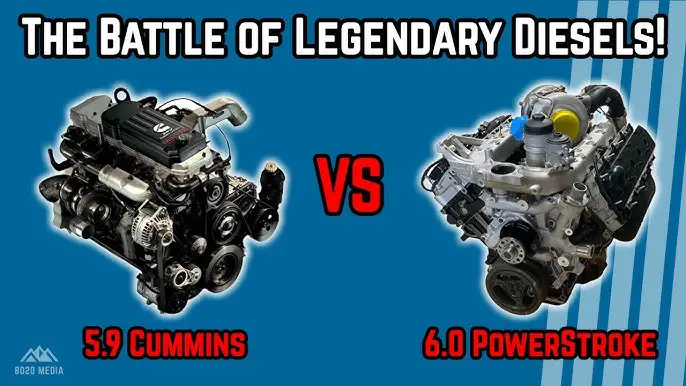
When weighing 2026 F250 Powerstroke Vs, pay close attention to build materials and daily ease. Understanding the hardware helps you predict behavior on grades, in traffic, and at the pump. The Powerstroke makes peak torque higher in the rev range, tough downshifts for max pull. The Cummins produces massive twist just off idle, letting it lug loads without hunting gears. This fundamental difference defines the daily drive.
- V8 Architecture: Ford’s 90-degree V8 fits a short hood. Revs freely for highway passing power.
- Inline-Six Layout: Ram’s straight-six offers natural balance, lower vibration, and immense low-end grunt.
- Turbo Strategy: Ford uses a variable-geometry single turbo for broad response across the rpm band.
- Fixed Geometry Turbo: Ram relies on a large fixed-vane turbo tuned for strength and low-rpm boost.
- Emissions Gear: Both run selective catalytic reduction. But Ford’s system regenerates more often in city cycles.
These mechanical roots explain why the Ford feels sportier empty. Meanwhile, the Ram feels unshakeable loaded. Pick the philosophy that matches your typical load profile.
Engine Performance and Towing Personality
Hit the pedal with 15,000 pounds behind you and the differences sharpen. The Powerstroke screams to 2,800 rpm for its 1,200 lb-ft peak. It gives explosive acceleration once spooled. The Cummins hits 1,075 lb-ft at just 1,600 rpm, pulling cleanly from a stoplight without drama. Your preference for rush versus steadiness decides the winner.
Test drive both trucks on a steep grade with a load similar to your real trailer. Empty test drives hide transmission hunting and turbo lag that only appear under weight.
On long mountain grades, the Ford’s 10-speed keeps the engine in its sweet spot, dropping two gears instantly for engine braking. The Ram’s six-speed (or optional eight-speed) holds a gear longer, relying on the exhaust brake. Sheer torque to manage speed. Both control descent well, but the Ford feels busier; the Ram feels calmer.
- Peak Torque RPM: Ford peaks high for speed; Ram peaks low for easy pulling.
- Exhaust Brake Feel: Ram’s brake is stronger and more progressive on steep downgrades.
- Grade Logic: Ford transmission anticipates hills using GPS data; Ram reacts to throttle input.
- Altitude Response: Turbo lag is more clear on Ford at elevation; Ram stays steady.
- Unloaded Throttle: Ford feels zesty and car-like; Ram feels heavy and deliberate off the line.
If you tow maximum weights weekly, the Ram’s low-end dominance reduces driver fatigue. If you mix heavy towing with frequent empty highway miles, the Ford’s flexibility shines.
Transmission Technology and Real-World Shifting
The gearbox multiplies engine character more than any other part. Ford’s 10R140 ten-speed offers ratio splits so tight the engine rarely falls off the power band. Ram’s Aisin six-speed (standard on high-output) uses wider gaps but indestructible hardware. A new eight-speed is available on standard-output Rams for smoother daily shifts.
Around town, the Ford hunts for the perfect gear, sometimes skipping two cogs at once. The Ram stays put, relying on torque converter slip to smooth takeoff. On the highway, the Ford drops to tenth at 70 mph for quiet cruising. The Ram’s six-speed runs higher rpm in top gear, raising cabin noise slightly but keeping torque ready.
- Gear Count Impact: Ten speeds optimize fuel economy; six speeds focus on simplicity and strength.
- Tow/Haul Mode: Ford locks out top gears early; Ram delays upshifts and firms converter lockup.
- Manual Control: Ford paddles respond instantly; Ram column shifter feels truck-like and positive.
- Cool Down Logic: Ford runs fan cycles after hard pulls. Ram uses massive cooler size passively.
- Reliability Track: Aisin six-speed has legendary million-mile reputation; Ford 10-speed is newer but proven.
Choose the Ford for cutting-edge speed and tech integration. Choose the Ram for time-tested strength and a more relaxed shift strategy.
Cab Comfort, Technology, and Daily Usability
Inside, the battle shifts from iron to pixels and leather. Ram’s Limited trim sets the benchmark with real wood, 12-inch portrait touchscreen. Available massaging front seats. Ford’s Platinum and Limited trims answer with a massive horizontal screen, BlueCruise hands-free highway driving. Clever fold-flat front seats for mobile office work.
View favors the Ram thanks to thinner A-pillars. Massive standard tow mirrors that power-extend and tilt. Ford’s mirrors are good but require the max tow package for power extend.
Both offer 360-degree cameras, but Ford’s Pro Trailer Hitch Assist makes solo hookup nearly foolproof. Ram counters with a trailer reverse guidance system that actually works well once learned.
- Screen Layout: Ram vertical screen splits maps and climate; Ford horizontal screen favors split-view apps.
- Seat Comfort: Ram massaging seats win long-haul comfort; Ford fold-flat seats win utility for naps.
- Noise Levels: Ram cabin is quieter at idle. Ford wind noise lower at 80 mph due to better aero.
- Storage Solutions: Ford under-seat safe and fold-down console work surface lead for job-site gear.
- Phone Integration: Both wireless CarPlay and Android Auto. Ford adds wireless charging pad standard higher up.
Ram feels like a luxury SUV; Ford feels like a high-tech command center. Your daily routine—office on wheels versus quiet cruiser—picks the winner.
Towing Technology and Safety Systems
Modern heavy-duty trucks pack sensors that prevent accidents and save marriages during backing maneuvers. Ford’s Pro Trailer Backup Assist lets you steer a knob. Meanwhile, the truck calculates trailer angle. Ram’s Trailer Reverse Steering Control does the same but requires more setup steps. Both work, but Ford’s control is more intuitive for beginners.
On the open road, Ford BlueCruise enables true hands-free driving on mapped highways, monitoring driver attention via infrared camera. Ram offers adaptive cruise with lane centering but requires hands on wheel. For fleet owners, Ford’s telematics suite integrates deeper with Ford Pro software. Ram’s fleet tools are competent but less polished.
- Backup Assist: Ford knob control is faster to learn. Ram system offers more customization for pros.
- Camera Views: Ford shows transparent trailer view; Ram offers cargo bed view and hitch zoom.
- Blind Spot Coverage: Both cover trailer length; Ford alerts earlier; Ram alerts are less chatty.
- Trailer Tire Monitoring: Ford integrates sensors in TPMS screen; Ram requires separate app or aftermarket.
- Emergency Braking: Both stop for vehicles; Ford detects pedestrians and cyclists better in tests.
If you tow different trailers often, Ford’s quick setup saves hours yearly. If you haul one dedicated rig, Ram’s depth of customization pays off over time.
Fuel Economy, Range, and Operating Costs
Diesel fuel prices swing wildly, making speed a major budget line. Unloaded, the Ram 2500 with standard-output Cummins and eight-speed averages 20-22 mpg combined. The Ford F250 Powerstroke with 10-speed lands at 18-20 mpg. Loaded to 15,000 lbs, both drop to 9-11 mpg, with the Ram often edging out 0.5 mpg thanks to lower rpm cruising.
DEF consumption runs similar—expect 2-3 gallons per 1,000 miles towing. Upkeep intervals differ: Ford recommends oil changes at 10,000 miles normal, 5,000 severe. Ram stretches to 15,000 miles normal with synthetic. For complementary picks and expert testing advice, see our guide on Powerstroke 6.7 Vs Duramax 6.6 Ultimate Showdown.
Fuel filter changes cost more on Ford (two filters) versus Ram (one large filter). Parts availability favors Ford’s massive dealer network in rural areas.
- Unloaded MPG: Ram wins by 1-2 mpg with eight-speed; Ford closes gap with 10-speed tuning.
- Towing MPG: Nearly identical; driving style matters more than badge at max weight.
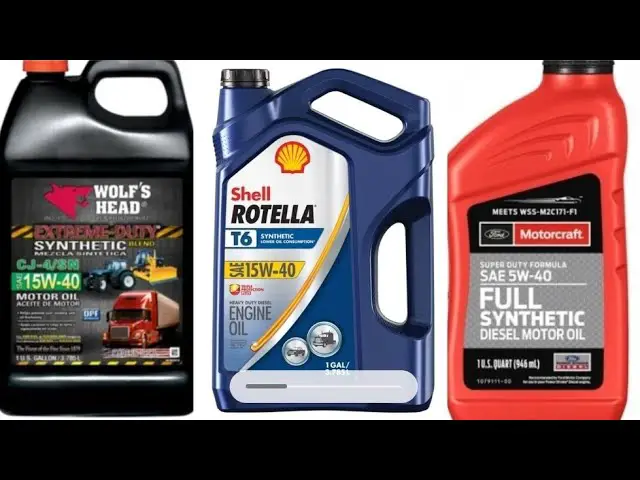
- Oil Capacity: Ford holds 13 quarts; Ram holds 12 quarts; both use pricey synthetic.
- Filter Costs: Ford dual filters cost $120; Ram single filter costs $80 at dealer.
- Dealer Density: Ford has 3,000+ US dealers; Ram has 2,500+; both cover major highways well.
Over 100,000 miles, the Ram saves roughly $1,500 in fuel and filters. Ford’s stronger resale value often recoups that gap at trade-in. Calculate your specific mileage split to decide.
Payload, Frame Strength, and Chassis Dynamics
Payload numbers look similar on paper—both exceed 4,000 lbs properly equipped—but chassis tuning diverges. Ford uses a fully boxed frame with hydroformed rails for maximum stiffness.
Ram uses a partially boxed frame with strategic open sections to reduce weight and add compliance. The result: Ford feels rigid over sharp bumps; Ram absorbs washboard roads better.
Front suspension geometry differs too. Ford’s coil-spring front end (F250) offers precise steering response but transmits more road shock. Ram’s available rear air suspension (2500) auto-levels loads and smooths empty ride dramatically.
For slide-in campers or heavy service bodies, Ford’s stiffer frame resists twist better. For daily empty driving, Ram’s compliance wins.
- Frame Design: Ford fully boxed for max stiffness; Ram partially boxed for ride quality.
- Front Suspension: Ford coils steer sharp; Ram coils plus optional air rear balance load.
- Rear Suspension: Ford leaf springs only; Ram offers factory air springs on 2500.
- Steering Feel: Ford electric assist is quick and light; Ram hydraulic assist feels heavier, natural.
- Turning Circle: Ford tighter turning radius helps in tight job sites and U-turns.
Match chassis character to your terrain. Rough backroads and empty miles favor Ram. Heavy fixed loads and precise steering favor Ford.
Reliability History, Common Issues, and Longevity
Both engines have matured past early growing pains. The 6.7L Powerstroke (2020+ architecture) solved injector and turbo issues that plagued 2011-2019 models. The 6.7L Cummins has near-mythic status but watch for grid heater bolt failure (2019-2024) and CP4 pump contamination. Though 2026 models use updated Bosch CP4.2 with better filtering.
Transmission-wise, the Aisin six-speed in high-output Rams is bulletproof. The Ford 10R140 has proven robust but early units (2020-2022) saw valve body solenoid failures fixed under warranty. Electronics glitches affect both: Ford’s module communication codes. Ram’s Uconnect reboots are the top dealer complaints. Neither is a dealbreaker.
- Powerstroke 2020+: Fixed injector seal leaks; turbo actuator updated; EGR cooler durable.
- Cummins 2026: Grid heater bolt redesigned; CP4.2 pump standard; stronger head gaskets.
- Ford 10-Speed: Valve body updated 2023; adaptive learning smooths shifts over time.
- Ram Aisin Six-Speed: Virtually zero internal failures; cooler lines can weep at high mileage.
- Electronics: Both receive OTA updates; Ford pushes more frequent feature additions.
Long-term, the Cummins inline-six design inherently lasts longer due to lower piston speed and perfect primary balance. But Ford’s V8 with modern metallurgy routinely passes 300,000 miles with basic care. Upkeep discipline trumps badge loyalty.
Trim Strategy, Pricing, and Value Retention
Sticker shock hits hard at the top. A 2026 F250 Platinum 4×4 Crew Cab starts near $85,000. A comparable Ram 2500 Limited hits $88,000. Mid-range Lariat and Big Horn/Lone Star trims sit around $70,000-$75,000 with cloth seats and smaller screens. Work Truck (XL) and Tradesman models start near $55,000 but lack comfort features most owners want.
Resale value favors Ford slightly. Super Duty holds 62% at three years versus Ram’s 59% per ALG data. However, Ram’s high-output Cummins (standard on Limited, optional on Laramie+) commands a premium on the used market. Incentives vary: Ford often offers larger fleet rebates. Ram leans on loyalty bonuses and APR deals. Negotiate off invoice, not MSRP.
- Base Work Trucks: Ford XL and Ram Tradesman are fleet-focused; cloth, vinyl, small screens.
- Sweet Spot Trims: Ford XLT/Lariat; Ram Big Horn/Laramie balance features and price best.
- Luxury Flagships: Ford Platinum/Limited; Ram Limited/Laramie Tungsten—fully loaded, priced accordingly.
- High-Output Engine: Ram only; 430 hp/1,075 lb-ft requires Aisin six-speed; adds $12k+ over standard.
- Incentive Timing: Best deals appear October-January; summer months favor seller.
Buy the trim that matches your actual seat time. A $55,000 work truck with a $12,000 engine upgrade often makes more sense than a $85,000 luxury truck that sees mud daily.
Summary Table: 2026 Heavy Duty Comparison
| Category | 2026 Ford F250 Powerstroke | 2026 Ram 2500 Cummins |
|---|---|---|
| Engine Type | 6.7L V8 Turbo Diesel | 6.7L Inline-6 Turbo Diesel |
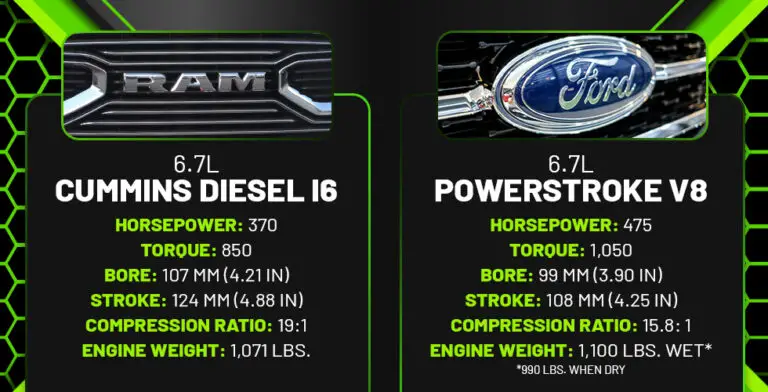
| Horsepower | 475 hp (Standard) | 370 hp (Std) / 430 hp (HO) |
| Torque | 1,200 lb-ft @ 2,000 rpm | 850 lb-ft (Std) / 1,075 lb-ft (HO) |
| Transmission | 10-Speed 10R140 Auto | 6-Speed Aisin (HO) / 8-Speed (Std) |
| Max Towing | 22,000 lbs (Conv.) | 20,000 lbs (Std) / 22,000 lbs (HO) |
| Max Payload | 4,260 lbs | 4,010 lbs |
| Unloaded MPG (Est.) | 18-20 Combined | 20-22 Combined (8-Speed) |
| Cab Noise (70 mph) | 64 dB | 62 dB |
| Infotainment Screen | 12.0″ or 15.5″ Horizontal | 12.0″ Vertical (Std Limited) |
| Hands-Free Driving | BlueCruise (Standard High Trims) | Level 2 Assist (Hands On) |
| Trailer Backup Aid | Pro Trailer Backup Assist (Knob) | Trailer Reverse Steering Control |
| Rear Suspension | Leaf Springs | Leaf Springs or Air Springs (Opt) |
| Oil Change Interval | 10,000 mi Normal / 5,000 Severe | 15,000 mi Normal / 7,500 Severe |
| 3-Year Resale (ALG) | 62% | 59% |
| Starting MSRP (4×4 Crew) | ~$55,000 (XL) | ~$55,000 (Tradesman) |
Best Practices for Buying and Owning
Smart ownership starts before you sign. Order exactly what you need—every option adds weight that kills payload. Get the max tow package on either brand; it includes upgraded cooling, axle ratios. Wiring you cannot easily add later. Skip dealer add-ons like nitrogen tires or etching; they are pure profit.
Severe duty schedules apply if you tow over 10,000 lbs regularly, idle extensively, or drive in dust. Cut oil intervals in half regardless of what the dashboard monitor says. For complementary picks and expert testing advice, see our guide on 2026 Duramax Vs 2026 Powerstroke Ultimate Showdown.
Break-in matters. First 500 miles: vary speed, avoid cruise control, tow moderately after 200 miles. First oil change at 3,000 miles removes assembly debris no filter catches. After that, follow severe schedule if you tow monthly. Keep receipts for every service; they prove care at trade-in.
- Order Strategy: Build online, check payload sticker, avoid dealer lot compromises on axle ratio.
- Break-In Protocol: Vary rpm, no full throttle early, light tow after 200 miles seats rings.
- Early Oil Change: 3,000 miles synthetic swap catches break-in metal; cheap insurance.
- Fuel Quality: Use top-tier diesel; add lubricity additive every fill if pump lacks it.
- Winter Prep: Test block heater, carry anti-gel, keep tank 50%+ to prevent waxing.
- Record Keeping: Digital folder for receipts, photos of payload sticker, service timestamps.
Treat the truck like the business tool it is. Disciplined upkeep and honest payload management give 20+ years of service from either platform.
Frequently Asked Questions
Which Truck Has the Better Warranty for Diesel Components?
Both offer 5-year/100,000-mile powertrain warranties. Ford extends emissions coverage to 7 years/70,000 miles in California-emissions states. Ram matches federal requirements but does not exceed them voluntarily. For high-mileage owners, Ford’s slightly broader emissions safety net matters.
Can the Ram 2500 with Standard Output Cummins Tow My 16,000-Lb Fifth Wheel?
Yes, the standard 370 hp/850 lb-ft engine with the eight-speed transmission handles 16,000 lbs within its 18,000-20,000 lb rating. You will run higher rpm on grades and use more DEF. The high-output engine makes it easy but costs $12,000+ more.
Does the Ford 10-Speed Really Hunt Gears Annoyingly?
Empty, yes—it seeks the highest gear for economy. In Tow/Haul mode with a load, it locks out top gears and holds ratios firmly. Most complaints come from unloaded driving. A quick tap of the tow/haul button or manual mode fixes it instantly.
Is the Ram Air Suspension Worth the Cost for Occasional Towing?
If you tow weekly, yes—auto-leveling keeps headlights aimed and ride quality superb. If you tow monthly, standard leaf springs with helper bags ($500 installed) give 90% of the benefit for 20% of the price. Air suspension adds complexity and a second compressor to maintain.
How Does the 2026 F250 Powerstroke vs Ram 2500 Cummins Comparison Change with a Slide-In Camper?
Ford’s stiffer frame and higher payload ceiling handle heavy campers with less sag and sway. Ram’s available air suspension levels the load beautifully but reduces payload by 150 lbs versus coils. For campers over 3,500 lbs wet, Ford’s raw payload edge wins.
Which Dealer Network Provides Better Mobile Service for Fleets?
Ford Pro offers dedicated mobile service vans in 50+ metros with telematics integration. Ram Commercial has mobile service but fewer dedicated vehicles and less software integration. For single-truck owners, both provide loaners; for fleets, Ford’s ecosystem leads.
Final Thoughts and Next Steps
You now own the real-world knowledge that brochures hide. The 2026 F250 Powerstroke gives cutting-edge transmission tech, better trailer assists. A high-tech cabin that feels modern.
The 2026 Ram 2500 Cummins counters with legendary inline-six strength, a quieter luxury interior. A ride quality that spoils you daily. There is no loser here—only the right tool for your specific job.
Schedule back-to-back test drives with your actual trailer or a dealer load bank. Feel the transmission logic on a grade. Sit in the seats for 30 minutes. Check the payload sticker on the exact unit you would buy. Your body and your spreadsheet will agree on the winner. Drive home confident.