15W40 Vs 5W40: Best Oil for 6.0 Powerstroke Performance
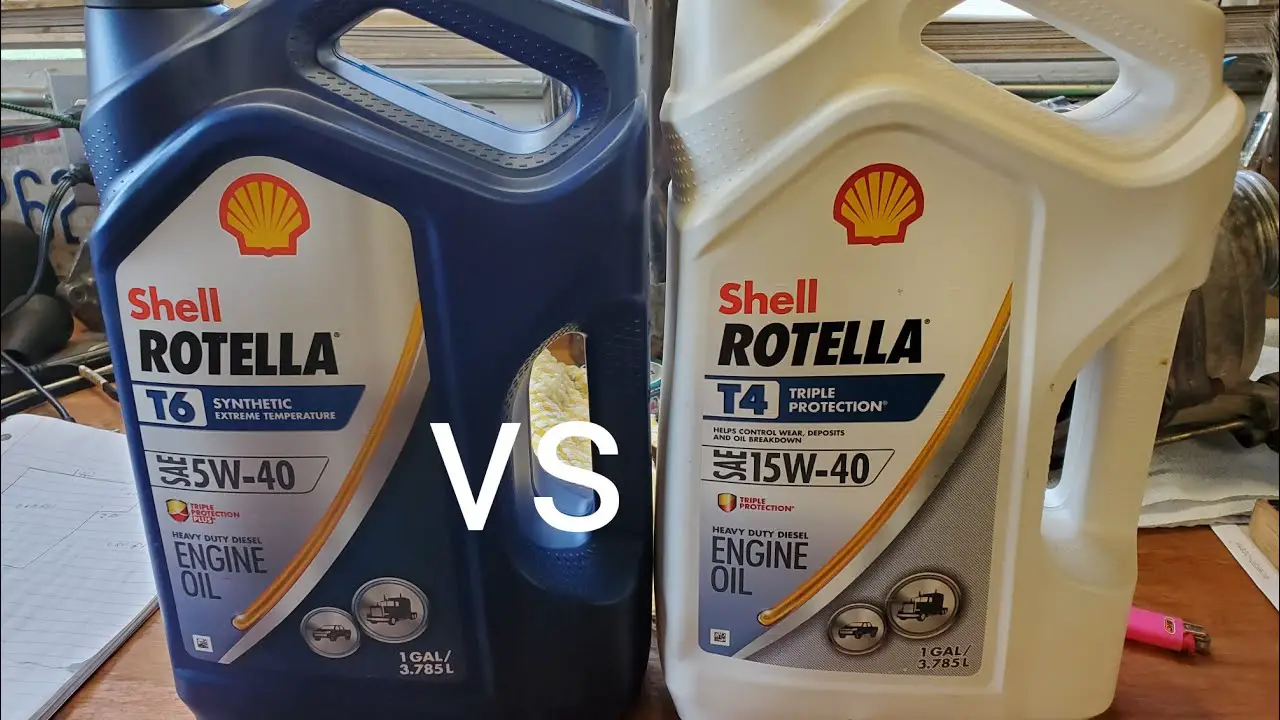
Your 6.0 Powerstroke truck works hard every single day. Picking the wrong motor oil can cause slow starts and expensive engine wear. Many owners feel stuck when they face the choice of 15W40 Vs 5W40 for their diesel engine.
This guide breaks down both oil grades in plain language. You will learn how viscosity affects cold starts, hot protection, and fuel mileage. We also cover oil change steps, best practices, and common mistakes to avoid. Always follow official safety and maintenance guidelines for best results.
📌 AT A GLANCE
- ✓Oil Grade Meaning: The first number shows cold flow, while the second number shows hot thickness.
- ✓Cold Weather Winner: 5W40 flows faster in winter and protects starts better.
- ✓Hot Weather Winner: 15W40 stays thick under high heat and heavy loads.
- ✓Change Interval: Most 6.0 Powerstroke engines need fresh oil every 5,000 miles.
- ✓Leak Watch: Older seals may leak more with thin 5W40 oil.
Why Oil Grade Choice Matters for Your 6.0 Powerstroke
Oil grade tells you how thick or thin the oil stays at different heat. The 6.0 Powerstroke relies on high-pressure oil to fire its fuel injectors. Using the wrong grade can lead to rough idling and slow cranking in cold weather.
Gather required tools and clear your work area before starting. For our complete category overview. Core buyer criteria, explore our cornerstone guide to Upgrading 6.0 Powerstroke Engine Components for Performance: Boost Power and Efficiency.
Confirm baseline specs and maker guidelines first.
Complete each stage in order without skipping safety checks.
Run a quick test pass and wipe down key parts after use.
Ford designed this engine to work with specific viscosity ranges. Thick oil resists heat but flows poorly when it freezes outside. Thin oil flows fast but may break down under extreme towing heat.
- Cold Start Flow: Low first numbers help oil reach engine parts fast on winter mornings.
- Hot Film Strength: High second numbers keep a protective layer between metal parts under load.
- Injector Pressure: The HEUI system needs steady oil pressure to spray fuel correctly.
- Seal Compatibility: Older engine seals often handle thicker 15W40 oil better than thin 5W40.
- Fuel Economy: Thinner oil can reduce drag and improve miles per gallon slightly.
Matching your oil to your climate and workload protects your investment for years.
15w40 vs 5w40: Breaking Down the Numbers
The first number in an oil grade measures how the oil behaves when cold. A 5W rating means the oil stays thin enough to pump at very low heat. A 15W rating means it thickens more as the heat drops.
Many 6.0 Powerstroke owners use 5W40 in winter and switch to 15W40 for summer towing. This seasonal swap gives you the best of both worlds without harming the engine.
The second number measures thickness at normal engine running heat. Both 15W40 and 5W40 end in 40. So they act similarly once the engine warms up. The real difference appears during that first cold start in the morning.
- Winter Pumping: 5W40 moves through oil passages faster when the thermometer reads below freezing.
- Summer Stability: 15W40 resists thinning out during long highway pulls in hot weather.
- Start-Up Wear: Most engine wear happens in the first minutes after starting, so cold flow matters.
- Oil Pressure: 15W40 often shows higher pressure on the gauge at idle when hot.
- Pour Point: 5W40 stays liquid at lower heat before it turns to gel.
Knowing these differences helps you pick the right bottle for your garage shelf.
Best Oil for Cold Weather Starts
If you live where winters bring ice. Snow, 5W40 usually wins the cold start battle. It flows quickly to the turbocharger and injectors within seconds. Your battery and starter also have an easier job turning the engine over.
Thick 15W40 can move sluggishly in sub-zero weather. This delay leaves vital parts unprotected for longer during startup. Many fleet owners switch to 5W40 every autumn and back to 15W40 in spring.
- Fast Lubrication: 5W40 reaches upper engine parts in seconds on cold mornings.
- Easy Cranking: Starter motors spin faster with thinner oil in the pan.
- Battery Life: Less resistance means your battery works less during cold starts.
- Turbo Protection: Oil reaches the turbo bearings quickly to prevent shaft wear.
- Warm-Up Time: The engine reaches running heat sooner with good oil flow.
Choose 5W40 if your truck sits outside through freezing nights.
Best Oil for Hot Weather and Heavy Towing
When you tow a heavy trailer up a mountain in July, engine heat climb high. 15W40 holds its thickness better under sustained heat and load. This extra body helps protect bearings and cylinder walls from metal-on-metal contact.
Thin 5W40 can shear down under extreme stress, which lowers oil pressure. Some drivers notice lower pressure on the gauge when towing in desert heat with 5W40. For maximum hot-weather confidence, 15W40 remains a proven choice.
- Heat Resistance: 15W40 resists breaking down during long, hot highway hauls.
- Load Support: Thicker film protects main and rod bearings under heavy weight.
- Oil Pressure: Hot idle pressure stays higher with 15W40 in warm climates.
- Oil Consumption: Thicker oil may burn less in worn engines with high mileage.
- Seal Swelling: 15W40 can help older seals seal better and reduce drips.
Use 15W40 if you live in the South or tow heavy loads all summer long.
Synthetic vs Conventional Oil for Powerstroke
You can buy both 15W40 and 5W40 in conventional or synthetic formulas. Synthetic oil handles heat swings better and lasts longer between changes. It also resists sludge and deposits inside the HEUI injection system.
Conventional oil costs less per quart but breaks down faster under heat. Many Powerstroke owners choose synthetic 5W40 for year-round use. This happens because it flows well in all seasons. Your budget and change habits should guide this decision. For complementary picks and expert testing advice, see our guide on 5W40 Vs 15W40: Best Oil for 6.0 Powerstroke Performance.
- Temperature Range: Synthetic flows better in cold and resists thinning in heat.
- Change Interval: Synthetic often allows longer miles between oil changes.
- Engine Cleanliness: Synthetic resists sludge and varnish buildup in injectors.
- Cost Per Quart: Conventional costs less upfront but needs more frequent changes.
- Shear Stability: Synthetic maintains its viscosity grade longer under pressure.
Synthetic usually costs more but can save money over time through longer drain intervals.
How to Change Oil on a 6.0 Powerstroke
Changing your own oil saves money and lets you inspect the drain plug for metal. You need a good drain pan, fresh oil filter, and the correct amount of oil. The 6.0 Powerstroke usually takes about 15 quarts including the filter.
Always warm the engine slightly before draining so the oil flows out freely. Never work under a vehicle supported only by a jack; use jack stands for safety. Dispose of used oil at a recycling center or auto parts store.
- Gather Supplies: Collect oil, filter, wrench, drain pan, and gloves before starting.
- Warm Engine: Run the truck for a few minutes so oil drains quickly and fully.
- Drain Oil: Remove the drain plug and let all old oil empty into the pan.
- Replace Filter: Install a new oil filter and lubricate the gasket with fresh oil.
- Refill Oil: Pour in the correct amount of 15W40 or 5W40 and check the dipstick.
- Check For Leaks: Start the engine and inspect the drain plug and filter for drips.
Record the date and mileage after every change so you stay on schedule.
Common Oil Mistakes to Avoid
Many owners ignore the oil pressure gauge until a warning light appears. Low pressure can mean the oil is too thin, too old, or the pump is failing. Address pressure drops right away to avoid injector or turbo damage.
Another mistake is extending oil changes too far. Diesel oil collects soot and fuel dilution over time. Sticking to a regular interval keeps the HEUI system clean and steady.
- Ignoring Pressure: Never drive with low oil pressure; shut down and check right away.
- Skipping Changes: Old oil loses additives and can clog small oil passages.
- Wrong Grade: Using 5W40 for constant heavy towing in Arizona may cause pressure issues.
- Overfilling: Too much oil can foam and reduce lubrication effectiveness.
- Cheap Filters: Low-quality filters may bypass and send dirty oil through the engine.
Avoid these errors and your Powerstroke will reward you with long life.
Summary Table: 15w40 vs 5w40 Comparison
| Feature | 15W40 | 5W40 |
|---|---|---|
| Cold Start Flow | Slower in freezing weather | Faster in freezing weather |
| Hot Weather Thickness | Holds up well under heat | Good, but may shear under extreme load |
| Best Climate | Warm and hot regions | Cold and mixed climates |
| Best Use | Heavy towing, summer work | Daily driving, winter starts |
| Oil Pressure Hot | Often higher at idle | Slightly lower at hot idle |
| Typical Change Interval | 5,000 miles | 5,000 to 7,500 miles if synthetic |
Best Practices for Long Engine Life
Stick to a steady oil change schedule based on your driving habits. If you idle for long hours or tow often, shorten the interval to protect the engine. Always replace the oil filter with every change to keep fresh oil clean.
Never mix different oil brands or grades in the same oil change. Stick to one quality product until your next drain interval to avoid unpredictable viscosity changes.
Check your oil level at every fuel stop on long trips. Top off with the same grade already in the crankcase. Keep an eye on the oil pressure gauge and note any changes from normal readings.
- Warm Up First: Let the engine idle briefly before driving hard in cold weather.
- Use Quality Filters: Choose filters rated for diesel soot and high pressure.
- Watch For Leaks: Inspect the oil pan and valve cover gaskets regularly.
- Record Mileage: Write down each oil change date and odometer reading.
- Match The Grade: Do not switch grades mid-interval without a good reason.
Good habits today prevent expensive repairs tomorrow.
Frequently Asked Questions
Can I Switch Between 15w40 vs 5w40?
Yes, you can switch grades at your next oil change. Many owners use 5W40 in winter and 15W40 in summer. Just do not mix them in the same crankcase. For complementary picks and expert testing advice, see our guide on 5W40 Vs 15W40 6.7 Powerstroke: Best Oil Showdown.
Which Oil Is Better for a High Mileage 6.0 Powerstroke?
High mileage engines often benefit from 15W40 because it maintains oil pressure better. Thicker oil can also reduce leaks from worn seals and gaskets.
How Often Should I Change Oil in My 6.0 Powerstroke?
Most experts recommend every 5,000 miles for normal driving. Severe service like towing or idling may require changes every 3,000 to 4,000 miles.
Does Synthetic 5w40 Hurt the 6.0 Powerstroke?
No, synthetic 5W40 is safe and often preferred for its heat range. Make sure it meets the diesel specs for your engine.
Will 5w40 Cause Low Oil Pressure?
It can show slightly lower pressure at hot idle compared to 15W40. If pressure drops too low, switch to a thicker grade or check for wear.
What Does the 40 Mean in 15w40 vs 5w40?
The 40 refers to the oil viscosity at normal engine running heat. Both grades have the same hot thickness rating.
Final Thoughts and Next Steps
Choosing between 15W40 Vs 5W40 depends mostly on your climate. How you use your truck. Cold regions favor 5W40 for easy starts. Hot towing climates favor 15W40 for film strength. Both grades protect your 6.0 Powerstroke when you change them on time.
Pick one quality oil and stick to a regular upkeep schedule. Check your oil level often and watch the pressure gauge for any sudden changes. Your engine will run stronger and last longer with steady care.
Visit your local parts store or shop online for the correct oil and filter today. Write down your next change interval on the windshield or in your phone. Taking action now protects your Powerstroke for many miles ahead.