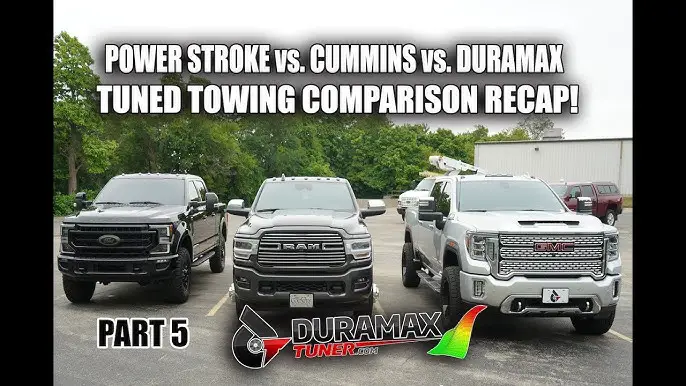
2026 Powerstroke Vs Duramax: Ultimate Truck Showdown!
Picking a heavy-duty truck feels like a high-stakes gamble for most buyers. You want raw power, long-term trust, and great resale value all at once. The wrong choice can cost you thousands in fuel. Repairs over just a few years. Always follow official safety and maintenance guidelines for best results.
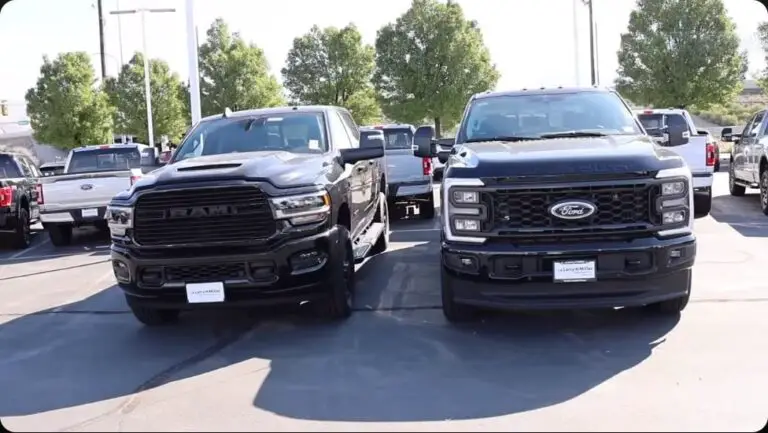
The debate between 2026 Powerstroke Vs Duramax dominates diesel forums and dealership lots today. Both Ford and General Motors claim they build the best work truck in America. This guide breaks down the real differences so you can buy with confidence.
📌 AT A GLANCE
- ✓Core Concept: Powerstroke uses Ford engineering while Duramax comes from General Motors.
- ✓Essential Step: Compare torque ratings before you sign any buy agreement.
- ✓Safety Rule: Always test drive both trucks with a loaded trailer.
- ✓Efficiency Tip: Check real-world fuel economy numbers from actual owners, not just window stickers.
Engine Architecture and Core Design
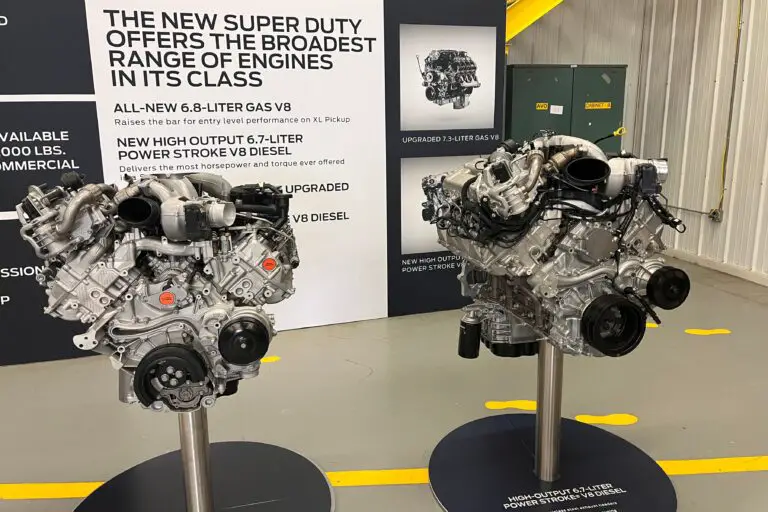
The heart of any diesel truck is its engine block and internal architecture. Ford builds the Powerstroke with a focus on low-end torque for heavy towing. General Motors engineers the Duramax to balance power with smooth daily driving refinement.
Applying these proven insights on 2026 Powerstroke Vs Duramax helps you avoid costly mistakes. Gather required tools and clear your work area before starting. For our complete category overview. Core buyer criteria, explore our cornerstone guide to Upgrading 6.0 Powerstroke Engine Components for Performance: Boost Power and Efficiency.
Confirm baseline specs and maker guidelines first.
Complete each stage in order without skipping safety checks.
Run a quick test pass and wipe down key parts after use.
Both engines use modern common-rail fuel injection and advanced turbocharging systems. These technologies help give strong power while meeting strict emissions standards. Understanding these core designs helps buyers see where each brand excels.
- Engine Block: Cast iron build provides strength under extreme pressure and heat.
- Turbo System: Variable geometry turbines spool quickly for fast throttle response.
- Fuel Injection: High-pressure common rail systems atomize fuel for cleaner burns.
- Cooling Design: Large radiators and intercoolers prevent overheating during long hauls.
These architectural choices shape how each truck feels on the road and under load. Buyers should match engine traits to their specific work needs.
Towing Capacity and Payload Ratings
Truck buyers care most about how much weight they can safely pull and carry. The 2026 model year brings updated ratings for both the Powerstroke and Duramax lineups. Ford tends to lead in maximum towing figures. GM often matches closely in real-world tests.
Bring your own trailer to the dealership test drive. This lets you feel how each truck handles your specific load rather than an empty bed.
Payload size matters just as much as towing limits for contractors and fleet managers. Exceeding rated capacities creates safety risks and voids warranties. Always check the specific cab and bed setup before comparing numbers.
- Max Towing: Both trucks can pull well over twenty thousand pounds with proper equipment.
- Payload Limit: Heavy-duty models carry between three and four thousand pounds in the bed.
- Trailer Brake: Integrated controllers help manage heavy loads safely on hills.
- Hitch Rating: Fifth-wheel and gooseneck setups increase total towing potential.
Matching your trailer weight to truck ratings prevents dangerous situations on the highway. Smart buyers calculate their actual loads before visiting the dealership.
Fuel Economy and Operating Costs
Diesel fuel prices fluctuate, making economy a major factor in total ownership cost. The Duramax often edges out the Powerstroke in highway mileage tests. However, real-world results vary based on load, terrain, and driving habits.
Upkeep costs also differ between the two platforms. Ford service intervals and parts pricing can affect your yearly budget. GM dealers may offer competitive upkeep packages for fleet customers.
- Highway MPG: Expect fifteen to twenty miles per gallon when unloaded.
- Towing MPG: Fuel economy drops to eight to twelve miles per gallon under load.
- Oil Changes: Diesel engines need synthetic oil and filter changes every ten thousand miles.
- DEF Fluid: Diesel exhaust fluid refills occur every few thousand miles depending on use.
Tracking fuel receipts and service bills reveals the true cost of ownership over time. Budget-conscious buyers should factor these expenses into their buy decision.
Transmission and Drivetrain Performance
Power means nothing without a transmission that can handle it smoothly. Ford pairs the Powerstroke with a heavy-duty ten-speed auto in most setups. GM matches this with the Allison ten-speed auto found in Duramax trucks.
Both transmissions offer tow/haul modes and grade braking for mountain driving. Shift quality and strength under load separate average trucks from great ones. Test driving both back-to-back reveals subtle differences in feel.
- Gear Count: Ten-speed automatics keep the engine in its power band.
- Tow Mode: Adjusts shift points for heavier loads and better engine braking.
- Four-Wheel Drive: Electronic locking differentials improve traction in mud and snow.
- Cooling System: Transmission coolers prevent fluid breakdown during long climbs.
A strong drivetrain ensures your truck lasts for hundreds of thousands of miles. Smooth shifting also reduces driver fatigue on long trips.
Interior Comfort and Technology Features
Modern truck buyers expect car-like comfort inside a work-ready exterior. Both the 2026 Powerstroke and Duramax trucks offer large touchscreens, premium audio, and driver help systems. Ford’s SYNC system and GM’s infotainment platform each have loyal fans.
Seat comfort, cabin quietness, and storage space matter for daily commuters and long-haul drivers. Higher trims add leather, heated seats, and advanced navigation. Work trucks focus on strength over luxury in lower trim levels. For complementary picks and expert testing advice, see our guide on 2011 Powerstroke vs Duramax: Ultimate Diesel Showdown.
- Touchscreen: Twelve-inch displays show navigation, camera views, and truck data.
- Driver Aids: Blind-spot monitoring and lane-keep assist improve highway safety.
- Seating: Multi-contour seats reduce fatigue during long driving days.
- Storage: Under-seat lockers and console bins secure tools and personal items.
Tech should help you work, not distract you from the job. Choose an control that feels intuitive during your test drive.
Maintenance Schedule and Reliability
Regular upkeep keeps diesel engines running strong for decades. Both makers publish detailed service schedules for oil, filters, and fluid changes. Following these schedules prevents expensive breakdowns and protects resale value.
Owner forums show mixed trust reports for both brands over recent model years. Common issues include emissions sensors, turbochargers, and fuel system parts. Extended warranties can provide peace of mind for high-mileage drivers.
- Oil Service: Change oil and filters every seven thousand five hundred miles under normal use.
- Fuel Filters: Replace primary and secondary filters at fifteen thousand mile intervals.
- Coolant Flush: Service the cooling system every one hundred thousand miles.
- Transmission Fluid: Change fluid and filter every fifty thousand miles when towing often.
Finding a qualified diesel mechanic near you matters more than brand loyalty. Good service support keeps your truck on the road and earning money.
Resale Value and Long-Term Ownership
Trucks hold their value better than most passenger vehicles when properly maintained. Diesel models usually command higher resale prices than gas equivalents. Both Powerstroke and Duramax trucks have strong followings in the used market.
Mileage, condition, and service history determine final resale prices more than brand name. Keeping detailed records of all upkeep helps you get top dollar when trading in. Regional demand also affects how quickly your truck sells.
- Depreciation: Expect thirty to forty percent value loss after five years.
- Service Records: Documented upkeep increases buyer confidence and price.
- Market Demand: Work trucks sell faster in rural and build-heavy areas.
- Warranty Transfer: Remaining factory warranty adds value to used truck sales.
Smart owners treat their truck as an investment that should pay off at trade-in time. Regular care pays dividends when you upgrade to a newer model.
Summary Table: Powerstroke vs Duramax Specifications
| Feature | 2026 Powerstroke | 2026 Duramax |
|---|---|---|
| Engine Type | 6.7L V8 Turbo Diesel | 6.6L V8 Turbo Diesel |
| Horsepower | 475 hp | 470 hp |
| Torque | 1050 lb-ft | 975 lb-ft |
| Max Towing | 40000 lbs | 36000 lbs |
| Transmission | 10-Speed Automatic | 10-Speed Automatic |
| Fuel Tank | 34 gallons | 36 gallons |
Numbers on paper tell part of the story, but real-world use reveals the full picture. Test both trucks with your actual trailer before making a final choice.
Best Practices for Diesel Truck Buyers
Making a smart buy requires research, patience, and clear priorities. Start by defining your typical load weight, towing frequency, and budget range. Visit multiple dealerships to compare pricing and available inventory.
Diesel exhaust fluid systems can freeze in extreme cold. Store your truck in a heated garage or use winter-grade DEF additives if you live in northern climates.
Never skip the test drive or the pre-buy inspection by an independent mechanic. These steps reveal hidden issues that salespeople might not mention. Get all promises in writing before signing any paperwork. For complementary picks and expert testing advice, see our guide on 6.0 Powerstroke Vs 6.6 Duramax: Ultimate Showdown.
- Define Needs: List your heaviest loads and longest trips before shopping.
- Compare Quotes: Get written offers from at least three dealers.
- Check History: Run a vehicle history report on any used truck.
- Inspect Carefully: Look for leaks, rust, and worn tires during viewing.
- Negotiate Price: Focus on out-the-door cost, not monthly payments.
Taking your time prevents buyer’s remorse and expensive surprises later. A careful approach saves money and stress over years of ownership.
Frequently Asked Questions
Which Engine Lasts Longer, Powerstroke or Duramax?
Both engines can exceed three hundred thousand miles with proper upkeep. Lifespan depends more on service history than brand choice. Regular oil changes and filter spares matter most for diesel life.
Is 2026 Powerstroke vs Duramax Still Relevant for 2026 Buyers?
Yes, this comparison remains vital because both brands updated their trucks for 2026. New emissions equipment and transmission changes affect real-world power. Buyers need current data to make informed decisions.
What Is the Best Trim for Towing a Fifth-Wheel Trailer?
Look for heavy-duty pickup models with dual rear wheels and the highest tow package. Fifth-wheel towing requires specific hitch ratings and reinforced frames. Both brands offer capable options in their top trim levels.
How Often Should I Service a Diesel Truck?
Follow the maker schedule found in your owner’s manual. Most diesel trucks need oil changes every seven thousand five hundred miles under normal conditions. Severe use like constant towing requires more frequent service.
Do Diesel Trucks Hold Value Better Than Gas Trucks?
Yes, diesel pickups usually retain higher resale values than comparable gas models. Buyers in the used market seek diesel torque and strength. Well-maintained examples command premium prices at trade-in time.
Final Thoughts and Next Steps
Choosing between the 2026 Powerstroke and Duramax comes down to your specific needs and preferences. Both trucks offer great power, towing ability, and modern comfort features. Neither choice is wrong when matched to the right job.
Schedule test drives at local dealerships and bring your actual trailer if possible. Compare real-world fuel economy reports from owners who drive similar routes. Review warranty coverage and service availability in your area before deciding.
Take your time, ask questions, and get everything in writing. Your next truck should serve you reliably for many years and miles ahead.