
5W40 Vs 15W40 6.7 Powerstroke: Best Oil Showdown
Your Ford 6.7 Powerstroke engine works hard every single day. Choosing the wrong oil grade can cause wear that costs thousands to fix. Many truck owners feel stuck when they face the choice between 5W40 Vs 15W40 6. They worry about cold starts, hot towing, and long-term engine life.
This guide breaks down the real differences between these two popular oil grades. You will learn how viscosity works, when to switch grades. How to protect your diesel investment. By the end, you will know exactly which oil fits your climate, your driving habits, and your truck’s needs. Always follow official safety and maintenance guidelines for best results.
📌 AT A GLANCE
- ✓Core Concept: 5W40 flows better in cold weather than 15W40, which helps during winter starts.
- ✓Essential Step: Always check your owner’s manual before changing oil grades or brands.
- ✓Safety Rule: Never mix different oil viscosities during a single oil change interval.
- ✓Efficiency Tip: Synthetic 5W40 often improves fuel economy slightly in cold climates.
- ✓Maintenance Fact: Heavy towing in hot climates may favor the thicker film of 15W40 oil.
Why Oil Grade Choice Matters for Your 6.7 Powerstroke
Oil grade describes how thick or thin your engine oil stays at different heat. The first number shows cold-heat power, while the second number shows high-heat thickness. Getting this choice wrong can lead to poor lubrication during startup or thin protection under heavy load.
Gather required tools and clear your work area before starting. For our complete category overview. Core buyer criteria, explore our cornerstone guide to Upgrading 6.0 Powerstroke Engine Components for Performance: Boost Power and Efficiency.
Confirm baseline specs and maker guidelines first.
Complete each stage in order without skipping safety checks.
Run a quick test pass and wipe down key parts after use.
Your 6.7 Powerstroke relies on oil to cool turbochargers, lubricate injectors. Protect bearings under extreme pressure. The right grade keeps metal parts separated. Helps your engine reach high mileage without major repairs. Climate and driving style play a huge role in which grade performs best.
- Cold Start Flow: Lower first numbers mean oil reaches critical parts faster when heat drop.
- Hot Weather Film: Higher second numbers maintain thicker oil layers under heat and load.
- Engine Wear Protection: Proper viscosity reduces metal-to-metal contact during use.
- Fuel Economy Impact: Thinner cold oil can reduce pumping losses and improve mileage slightly.
- Manufacturer Specs: Ford sets specific oil requirements for warranty and strength.
Understanding these basics helps you make an informed decision instead of guessing at the parts counter.
5w40 vs 15w40 6: Deep Dive Into Viscosity Ratings
The numbers 5W40 and 15W40 tell you exactly how the oil behaves in winter and summer conditions. The W stands for winter. The number before it measures how well the oil flows when cold. The number after the W measures thickness at normal engine running heat.
Keep a logbook in your glove compartment. Record oil grade, brand, mileage, and date at every change. This history helps you spot trends and supports resale value when you sell your truck.
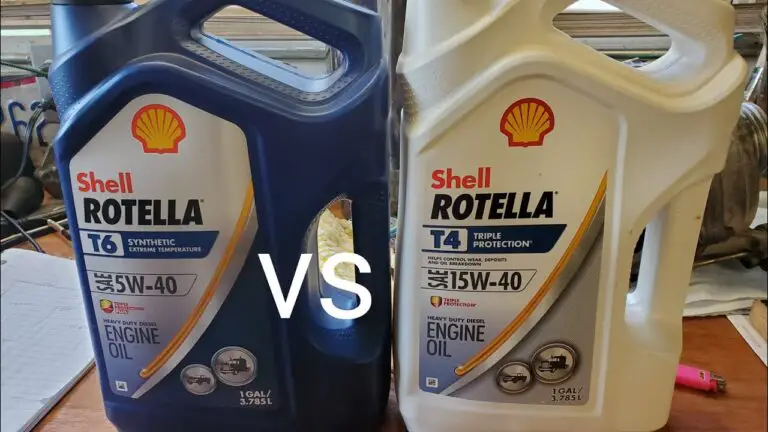
5W40 oil stays thinner in cold weather. This means it pumps faster to your turbo and bearings during startup. 15W40 oil is thicker when cold. This can slow initial lubrication but may hold up better under sustained high heat. Both grades use the same 40 weight at running heat. So they behave similarly once the engine warms up.
- Winter Performance: 5W40 flows better below freezing, while 15W40 flows slower in cold starts.
- Operating Temperature: Both grades maintain a 40 weight thickness when fully warmed up.
- Turbocharger Protection: Fast oil flow at startup protects turbo bearings from early wear.
- Heavy Load Behavior: 15W40 may offer a thicker film under extreme towing in hot climates.
- Oil Consumption: Thicker cold oil can sometimes reduce oil consumption in older engines.
- Climate Suitability: Cold regions favor 5W40, while hot regions often accept 15W40.
These differences matter most during the first few minutes of engine use each day.
Cold Weather Performance and Startup Protection
Cold starts are the hardest moments for any diesel engine. Oil thickens when heat drop. This makes it harder for the oil pump to circulate lubricant quickly. This delay can leave critical parts unprotected for precious seconds.
5W40 oil remains fluid at much lower heat than 15W40 oil. This means your 6.7 Powerstroke gets lubrication to the turbocharger and valvetrain almost right away. In sub-freezing climates, this edge can greatly reduce startup wear over the life of the engine.
- Pour Point: 5W40 stays pumpable at lower heat than 15W40.
- Pump Circulation: Thinner cold oil reaches upper engine parts faster after startup.
- Battery Load: Easier oil flow reduces strain on the starter and battery in winter.
- Warm-Up Time: Proper cold oil helps the engine reach running heat sooner.
- Wear Reduction: Immediate lubrication prevents metal contact during cold starts.
If you live where winters get harsh, 5W40 often provides better daily protection.
Hot Weather Towing and Heavy Load Performance
Summer towing puts extreme heat and pressure on your engine oil. The oil must resist thinning out and maintain a protective film between moving parts. This is where the second number in the viscosity rating becomes most key.
Both 5W40 and 15W40 are 40-weight oils at running heat. So they offer similar hot-thickness protection. However, 15W40 starts thicker when cold. May maintain stability slightly better under sustained high heat in very warm climates. For heavy fifth-wheel towing through desert conditions, some owners prefer the traditional feel of 15W40.
- Oil Film Strength: Both grades protect well at normal running heat under load.
- Heat Resistance: Quality synthetic 5W40 resists breakdown under extreme towing heat.
- Turbo Cooling: Oil carries heat away from turbochargers during long climbs.
- Injector Lubrication: High-pressure fuel injectors need steady oil flow and pressure.
- Oil Temperature: Monitoring oil temp matters more than oil grade during towing.
- Climate Match: Hot southern regions often use 15W40 without issues.
Modern synthetic formulations have narrowed the gap between these grades for hot weather use. For complementary picks and expert testing advice, see our guide on 15W40 Vs 5W40: Best Oil for 6.0 Powerstroke Performance.
Synthetic vs Conventional Oil Considerations
The base oil type matters just as much as the viscosity grade. Synthetic oils offer better stability, longer drain intervals. Improved power in both cold and hot conditions. Conventional oils cost less but break down faster under diesel engine stress.
Most 6.7 Powerstroke owners choose synthetic 5W40 for year-round ease. Synthetic flows better at startup and resists sludge formation over time. If you choose conventional 15W40, you may need more frequent oil changes to maintain the same level of protection.
- Oil Stability: Synthetic resists oxidation and sludge better than conventional oil.
- Drain Intervals: Synthetic oil often lasts longer between changes under normal use.
- Cold Flow: Synthetic 5W40 outperforms conventional 15W40 in winter starts.
- Cost Per Mile: Synthetic costs more upfront but may save money over long intervals.
- Engine Cleanliness: Synthetic detergents keep pistons and turbochargers cleaner.
- Compatibility: All modern 6.7 Powerstroke engines support synthetic oil safely.
Choosing synthetic gives you more flexibility across seasons and driving conditions.
Oil Change Intervals and Maintenance Schedule
Regular oil changes are the single most key upkeep task for your Powerstroke. Diesel engines create soot and acids that contaminate oil over time. Following Ford’s top intervals keeps your engine clean and protected.
Severe service conditions like frequent towing, idling, or dusty spaces require shorter intervals. Many owners change synthetic 5W40 every 10,000 miles under normal conditions. Conventional oil may need changes every 5,000 miles. Always check your oil level between changes and top off as needed.
- Normal Service: Change synthetic oil every 7,500 to 10,000 miles under light use.
- Severe Service: Shorten intervals to 5,000 miles for frequent towing or idling.
- Oil Filter: Always replace the oil filter with every oil change.
- Oil Sampling: Used oil analysis can reveal wear metals and contamination early.
- Level Checks: Check dipstick weekly during heavy use or long trips.
- Warm Engine: Check oil level with the engine warm and on level ground.
Steady upkeep beats oil grade choice when it comes to long-term engine life.
Summary Table: 5w40 vs 15w40 Comparison
| Feature | 5W40 Oil | 15W40 Oil |
|---|---|---|
| Cold Weather Flow | Excellent | Good |
| Hot Weather Protection | Excellent | Excellent |
| Winter Startup Wear | Lower | Higher |
| Fuel Economy | Slightly Better | Standard |
| Best Climate | Cold to Moderate | Moderate to Hot |
| Typical Use | Year-round synthetic | Heavy towing in heat |
| Price Range | Moderate to High | Moderate |
Best Practices for Oil Selection and Changes
Picking the right oil starts with your owner’s manual and your local climate. Follow these dos and don’ts to keep your 6.7 Powerstroke running strong for hundreds of thousands of miles.
Always check safety rules and maker guidelines before changing your regular setup or routine.
- Do Check Manual: Follow Ford’s oil specs for your model year.
- Do Match Climate: Use 5W40 in cold regions and 15W40 in always hot areas.
- Do Use Quality Filters: Pair your oil with a high-speed diesel oil filter.
- Don’t Mix Grades: Never add 15W40 to an engine filled with 5W40.
- Don’t Skip Changes: Extended intervals can cause sludge and wear in diesel engines.
- Don’t Ignore Leaks: Fix oil leaks promptly to maintain proper lubrication levels.
These habits protect your warranty and your wallet at the same time.
Frequently Asked Questions
Can I Switch Between 5w40 and 15w40?
Yes, you can switch grades at an oil change. Drain the old oil completely, replace the filter, and fill with the new grade. Do not mix the two oils together in the crankcase. For complementary picks and expert testing advice, see our guide on 5W40 Vs 15W40: Best Oil for 6.0 Powerstroke Performance.
Which Oil Is Better for the 5w40 vs 15w40 6 Debate?
Neither oil is universally better. 5W40 wins in cold weather and daily driving. 15W40 works well in hot climates with heavy towing. Your location and usage determine the best choice.
Does Synthetic 5w40 Improve Fuel Economy?
Synthetic 5W40 can improve fuel economy slightly because it flows easier when cold. The difference is small but adds up over thousands of miles of driving.
How Often Should I Change Oil in My 6.7 Powerstroke?
Follow your owner’s manual, usually every 7,500 to 10,000 miles for synthetic under normal use. Severe service like constant towing requires changes every 5,000 miles.
Will 15w40 Hurt My Engine in Winter?
15W40 flows slower in freezing heat, which can delay lubrication at startup. It will not right away damage the engine. But 5W40 provides better protection in cold climates.
Can I Use 5w40 Year-Round?
Yes, synthetic 5W40 works well year-round in most climates. It handles cold starts and hot running heat well for the 6.7 Powerstroke.
Final Thoughts and Next Steps
The choice between 5W40 and 15W40 comes down to your climate and how you use your truck. Cold weather drivers benefit from the fast flow of 5W40. Hot climate towers may prefer 15W40. Both grades protect your 6.7 Powerstroke when you change oil on schedule.
Take action today by checking your owner’s manual and noting your local heat extremes. Buy quality oil and filters, then set a reminder for your next service interval. Your engine will reward you with steady power for years to come.
Start with a fresh oil change using the grade that matches your space. Track your mileage, monitor oil levels. Enjoy the peace of mind that comes from proper diesel upkeep.