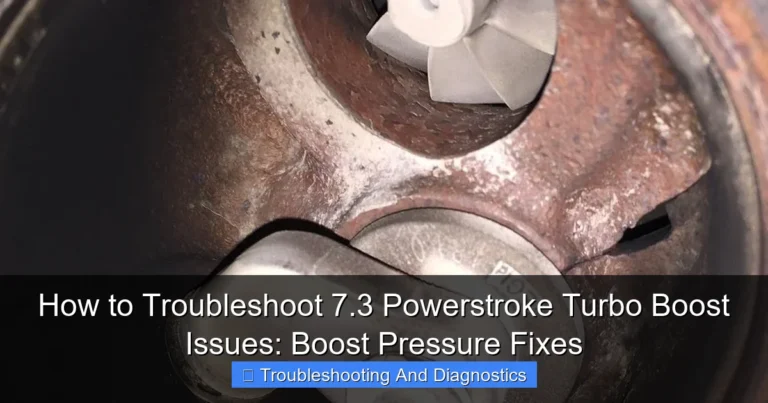
How to Troubleshoot 7.3 Powerstroke Low Compression: Solutions for Better Performance

Featured image for this comprehensive guide about How to troubleshoot 7.3 Powerstroke low compression
Image source: motoraudit.com
Ah, the legendary 7.3 Powerstroke. A workhorse of an engine, revered by countless owners for its robust reliability and impressive longevity. But even the best engines aren’t immune to the ravages of time and hard work. One of the most frustrating and performance-sapping issues you can encounter is low compression. If your trusty 7.3 is struggling to start, lacking its characteristic power, or blowing excessive smoke, you might be dealing with this very problem.
Low compression in a 7.3 Powerstroke isn’t just a minor annoyance; it’s a fundamental breakdown in the engine’s ability to efficiently convert fuel into power. Without adequate compression, the combustion process is compromised, leading to a cascade of problems from poor fuel economy to complete engine failure. But don’t despair! Diagnosing and troubleshooting this issue, while challenging, is entirely within reach for a determined DIY mechanic or a savvy truck owner armed with the right knowledge.
This comprehensive guide will walk you through everything you need to know about troubleshooting 7.3 Powerstroke low compression. We’ll explore the common symptoms, detail the diagnostic steps, pinpoint the usual culprits, and outline the actionable solutions to get your 7.3 roaring back to life. Prepare to dive deep into the heart of your Powerstroke and restore its legendary performance!
Quick Answers to Common Questions
What are the common signs of 7.3 Powerstroke low compression?
You’ll often notice a harder start, especially when cold, along with reduced power, rough idling, and excessive smoke from the exhaust. These are classic indicators pointing towards 7.3 Powerstroke low compression.
What’s usually the first thing to check if I suspect 7.3 Powerstroke low compression?
While a full compression test is definitive, start by inspecting your glow plugs and fuel injectors, as issues here can often mimic or contribute to 7.3 Powerstroke low compression symptoms. They are easier to access and rule out initially.
Can I still drive my truck with 7.3 Powerstroke low compression?
While your truck might still run, it’s generally not recommended to drive extensively with significant 7.3 Powerstroke low compression. It can lead to further engine damage, poor performance, and potentially leave you stranded.
How can I perform a basic test for 7.3 Powerstroke low compression myself?
The most accurate way is a proper compression test with a specialized gauge, checking each cylinder individually. For the 7.3L, a cylinder contribution test with a scan tool can also effectively identify issues related to 7.3 Powerstroke low compression.
Is 7.3 Powerstroke low compression always an expensive fix?
Not necessarily! The cost depends entirely on the root cause; sometimes it’s a simple glow plug or injector, other times it could be more involved like worn rings or a head gasket. Proper diagnosis of your 7.3 Powerstroke low compression is crucial before assuming the worst.
📋 Table of Contents
- Understanding 7.3 Powerstroke Low Compression and Its Symptoms
- The Essential Compression Test: Pinpointing the Problem
- Common Culprits Behind 7.3 Powerstroke Low Compression
- Advanced Diagnostics: Cylinder Leakage Test (Leak-Down Test)
- Actionable Solutions: Fixing 7.3 Powerstroke Low Compression
- Preventive Maintenance to Avoid Low Compression
- Conclusion
Understanding 7.3 Powerstroke Low Compression and Its Symptoms
Before we pick up any wrenches, it’s crucial to understand what compression is, why it’s vital for your 7.3, and how to recognize the tell-tale signs that it might be lacking.
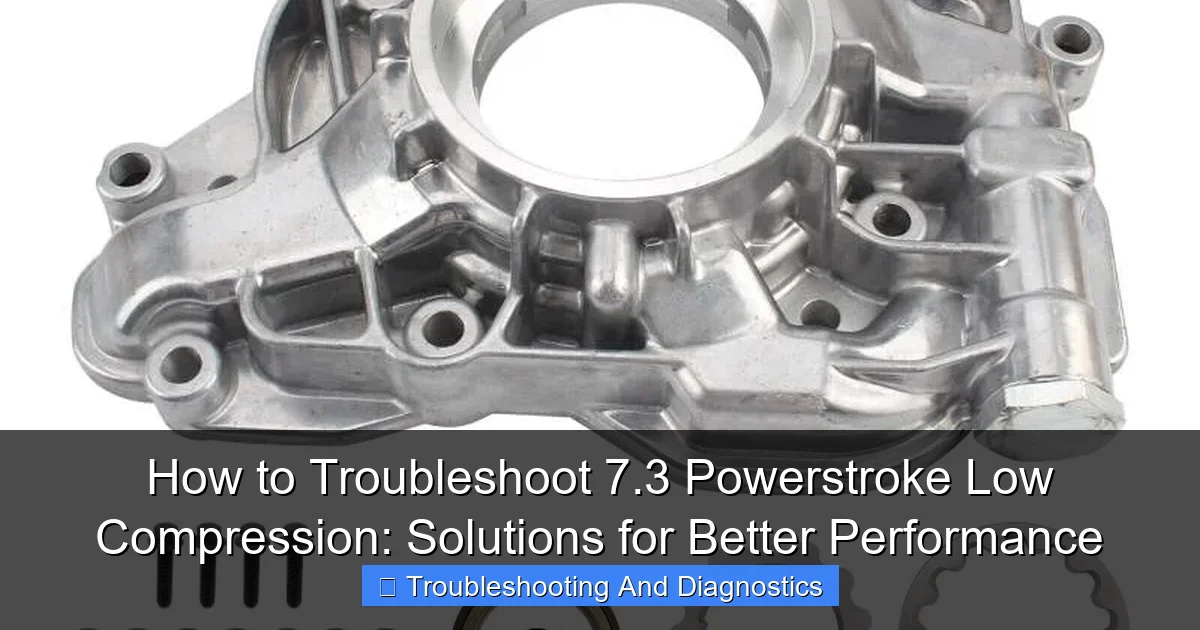
Learn more about How to troubleshoot 7.3 Powerstroke low compression – How to Troubleshoot 7.3 Powerstroke Low Compression: Solutions for Better Performance
Image source: dalessuperstore.com
What is Compression and Why is it Crucial for Your 7.3?
In a diesel engine like the 7.3 Powerstroke, compression is everything. Unlike gasoline engines that use spark plugs to ignite a fuel-air mixture, diesel engines rely solely on extreme compression to generate enough heat to ignite the diesel fuel. As the piston travels upward in the cylinder, it compresses the air to incredibly high pressures (typically 400-500 PSI for a healthy 7.3), raising its temperature to over 1000°F (538°C). When fuel is injected into this superheated air, it self-ignites, pushing the piston back down and creating power.
| Potential Cause | Common Symptoms / Compression Test Indicator | Diagnostic & Repair Action |
|---|---|---|
| Worn Piston Rings / Cylinder Walls | Low compression across multiple/all cylinders (e.g., below 350 PSI); excessive crankcase blow-by; high oil consumption; persistent smoke from exhaust. | Perform a wet compression test (add small amount of oil to cylinder). If compression improves significantly, piston rings are the likely culprit. Requires engine overhaul. |
| Blown Head Gasket | Low compression on adjacent cylinders; coolant loss without visible external leak; white smoke from exhaust; coolant in oil (milky appearance); persistent engine overheating. | Pressure test cooling system; test for exhaust gases in coolant (e.g., block tester). Visual inspection for damage upon cylinder head removal. Replace head gasket(s). |
| Burnt / Stuck Valve | Low compression on a single cylinder (e.g., below 300-350 PSI); rough idle; misfire code (P03xx); audible hiss from intake manifold or exhaust pipe during compression stroke. | Perform a leak-down test – listen for air escaping into the intake manifold (intake valve) or exhaust pipe (exhaust valve). Remove cylinder head for valve inspection and/or replacement. |
| Cracked Cylinder Head | Low compression on one or more cylinders; coolant loss; oil in coolant or vice-versa; persistent overheating; potential external coolant leak. | Pressure test cooling system; careful visual inspection for cracks (especially around injector bores/valve seats). May require dye penetrant testing or professional inspection. Head replacement often necessary. |
Without sufficient compression, this ignition process cannot occur efficiently, or sometimes not at all. Think of it like trying to start a campfire with damp wood – you might get some smoke, but no sustained flame. A healthy 7.3 Powerstroke depends on tight seals and properly functioning components to maintain these high pressures, ensuring reliable starting, optimal power output, and efficient fuel combustion.
Common Symptoms of Low Compression
Identifying low compression symptoms 7.3 Powerstroke can sometimes be tricky as they can overlap with other engine issues. However, a combination of these signs usually points towards a compression problem:
- Hard Starting, Especially When Cold: This is one of the most common and frustrating indicators. If your 7.3 cranks extensively before firing, or refuses to start altogether, especially on chilly mornings, a lack of compression is a prime suspect. The engine simply can’t generate enough heat for ignition.
- Reduced Power and Acceleration: You’ll notice a significant drop in your truck’s ability to pull, accelerate, or maintain highway speeds. The engine feels sluggish and unresponsive.
- Rough Idling and Stalling: An engine with inconsistent compression across cylinders will often idle roughly, vibrating excessively, and may even stall at low RPMs.
- Excessive Smoke from the Exhaust:
- White Smoke: Often seen during cold starts and can persist if compression is critically low, indicating unburnt fuel passing through the exhaust.
- Blue Smoke: Can suggest oil burning, which might be a symptom of worn piston rings, a direct cause of 7.3 Powerstroke low compression.
- Increased Oil Consumption: If piston rings are worn, oil can seep past them into the combustion chamber, leading to higher oil consumption.
- Poor Fuel Economy: An engine that isn’t burning fuel efficiently due to low compression will inevitably use more of it to produce less power.
- Engine Misfires or Knocking Sounds: Inconsistent combustion can lead to misfires, which might be felt as jerking or heard as unusual noises.
The Essential Compression Test: Pinpointing the Problem
Once you suspect 7.3 Powerstroke low compression, the next logical step is to perform a compression test. This diagnostic procedure is fundamental and will help confirm your suspicions, and often, narrow down which cylinder(s) are affected.
Learn more about How to troubleshoot 7.3 Powerstroke low compression – How to Troubleshoot 7.3 Powerstroke Low Compression: Solutions for Better Performance
Image source: ae01.alicdn.com
Tools You’ll Need
To perform a reliable 7.3 Powerstroke compression test, gather the following:
- Diesel compression tester kit (specifically for Ford/Navistar diesels, with the correct adapters for glow plug holes)
- Ratchet and socket set (especially for glow plugs)
- Torque wrench
- Battery charger (optional, but recommended to keep battery strong during testing)
- Shop rags or towels
- Basic hand tools (screwdrivers, pliers)
- Safety glasses and gloves
- A helper (optional, but makes cranking easier)
Step-by-Step Compression Test Procedure
Follow these steps carefully to ensure accurate results:
- Prepare the Engine:
- Ensure the engine is at operating temperature. This allows components to expand to their normal running clearances.
- Disconnect the ICP sensor (Injector Control Pressure) to prevent the PCM from attempting to fire the injectors during cranking. You might also want to disconnect the Fuel Bowl Heater harness or the Injector Driver Module (IDM) connector to prevent fuel injection.
- Disconnect the wiring harness from all eight glow plugs.
- Remove the negative battery cables from both batteries to prevent accidental starts while working.
- Remove Glow Plugs:
- Carefully remove all glow plugs from the cylinder heads. It’s often best to loosen them slightly while the engine is still warm, but proceed with caution to avoid stripping threads. Be gentle; they can be fragile. Keep track of which glow plug came from which cylinder.
- Install Compression Tester:
- Select the correct adapter for your 7.3 Powerstroke glow plug holes and attach it to your compression tester hose.
- Thread the adapter securely into one of the glow plug holes. Do not overtighten.
- Perform the Test:
- Reconnect the negative battery cables.
- Have your helper (or yourself, if using a remote starter) crank the engine for 5-7 seconds, or until the gauge needle stops rising.
- Note the reading on the compression tester gauge.
- Release the pressure from the gauge and remove the adapter.
- Repeat for All Cylinders:
- Move to the next cylinder, reinstall the adapter, and repeat the cranking process.
- Record the compression reading for each cylinder. Maintaining a detailed log will be crucial for analysis.
- Reassembly:
- Once all cylinders are tested, carefully reinstall the glow plugs. It’s recommended to replace old glow plugs with new ones if they are original or very old, as they are a wear item. Torque them to specification (typically 12-14 ft-lbs) to avoid damage.
- Reconnect glow plug harnesses, the ICP sensor, and any other disconnected components.
- Clear any diagnostic trouble codes (DTCs) that may have been set during the test.
Interpreting Your Compression Test Results (and Ideal Ranges)
Understanding what your compression numbers mean is key to diagnosing the issue. Here’s what to look for:
| Condition | Typical PSI Range (7.3 Powerstroke) | Interpretation |
|---|---|---|
| Excellent/New Engine | 400-450 PSI | Ideal compression; engine is in top shape. |
| Good/Healthy Engine | 375-400 PSI | Solid compression; typical for well-maintained, used engines. |
| Acceptable/Borderline | 350-375 PSI | Passing, but watch for symptoms. Could indicate early wear. |
| Low Compression (General) | Below 350 PSI | A clear indicator of a problem. Will likely cause hard starting/performance issues. |
| Critically Low/Zero | Below 250 PSI / 0 PSI | Severe internal engine damage. Engine likely won’t start or run. |
| Max Variation Between Cylinders | No more than 10-15% difference | Significant variance points to a specific cylinder or localized issue. (e.g., if highest is 400 PSI, lowest shouldn’t be below 340 PSI). |
A cylinder with a significantly lower reading than the others (more than 10-15% difference) is the prime suspect. If all cylinders are uniformly low, it might point to a broader issue affecting multiple components or general engine wear.
Common Culprits Behind 7.3 Powerstroke Low Compression
Now that you’ve confirmed 7.3 Powerstroke low compression, it’s time to investigate the common causes. Each component plays a critical role in sealing the combustion chamber, and failure in any of them can lead to a loss of pressure.
Worn or Faulty Injectors/Glow Plugs
While not direct causes of a physical compression loss, worn injectors or faulty glow plugs can give symptoms very similar to low compression 7.3 Powerstroke, especially hard starting and white smoke. A leaking injector can wash down the cylinder walls, reducing lubrication and accelerating ring wear. A seized or partially installed injector can also prevent a proper seal. Glow plugs, when removed for testing, leave an open hole, but a faulty glow plug that is physically broken or has a tip missing can contribute to localized issues.
Diagnosis: A wet compression test (adding a small amount of oil to the cylinder) can help differentiate between ring wear and valve issues. If compression improves significantly with oil, suspect rings. Check injector return rates and glow plug resistance. Ensure injectors are properly seated and torqued.
Failed Head Gaskets
A blown or failing head gasket is a notorious cause of 7.3 Powerstroke low compression. The head gasket seals the combustion chamber between the cylinder head and the engine block. If it fails, combustion gases can leak out, leading to a loss of pressure. This often manifests as:
- Coolant mixing with oil (looks like a milkshake on the dipstick or oil fill cap)
- Coolant disappearing without a visible leak
- Engine overheating
- White smoke (steam) from the exhaust, especially when starting, as coolant enters the combustion chamber.
- Bubbles in the coolant reservoir with the engine running.
- Pressure in the cooling system when cold.
Diagnosis: Beyond a compression test, a cooling system pressure test or a block test (using a chemical sniffer that changes color if exhaust gases are present in the coolant) can confirm a blown head gasket. Look for signs of coolant or oil seepage around the cylinder head mating surface.
Worn Piston Rings
The piston rings form the primary seal between the piston and the cylinder wall, preventing combustion gases from escaping into the crankcase (blow-by). Over time, due to mileage, poor maintenance, or extreme operating conditions, these rings can wear down, stick, or even break. Worn piston rings are a very common cause of 7.3 Powerstroke low compression, leading to:
- Excessive blow-by from the oil fill cap or dipstick tube.
- Increased oil consumption (oil burning, blue smoke from exhaust).
- Reduced power and fuel economy.
- Lower compression readings that significantly improve with a wet compression test.
Diagnosis: The wet compression test is key here. Add about a teaspoon of clean engine oil to the suspected cylinder through the glow plug hole, then repeat the compression test. If the compression reading significantly increases (say, by 50 PSI or more), it strongly indicates worn piston rings. The oil temporarily seals the gaps, improving the reading.
Valve Train Issues (Sticking Valves, Worn Valve Seats)
The intake and exhaust valves must seal perfectly against their respective seats in the cylinder head during the compression stroke. Any issue that prevents this seal will lead to low compression. Potential valve train problems include:
- Sticking Valves: Carbon buildup can cause valves to stick open slightly, preventing a full seal.
- Worn Valve Seats: Over time, the valve seats can wear, leading to poor sealing.
- Bent or Burnt Valves: Severe overheating or a timing issue can bend a valve, while prolonged pre-ignition or excessive carbon can burn a valve.
- Weak Valve Springs: Can lead to valve float at higher RPMs, though less likely to cause static low compression.
Diagnosis: If the wet compression test does NOT significantly improve the reading (compared to the dry test), valve train issues are more likely than piston ring wear. A cylinder leakage test (detailed below) can help pinpoint valve issues by listening for air escaping through the intake manifold (intake valve) or exhaust pipe (exhaust valve).
Cracked Cylinder Heads or Block
While less common, a cracked cylinder head or engine block is a severe cause of 7.3 Powerstroke low compression. Cracks can be caused by extreme overheating, sudden temperature changes, or prolonged stress. A crack might allow combustion gases to escape into the cooling system or crankcase, or even to an adjacent cylinder. This is a very serious issue, often requiring costly repairs or engine replacement.
Diagnosis: Symptoms often mirror a blown head gasket but can be more severe. Look for persistent coolant leaks, oil in coolant, or vice-versa, even after a head gasket replacement. A pressure test of the cooling system might reveal external leaks from a crack, or a bore scope inspection of the combustion chamber could reveal visible cracks. In extreme cases, a specialized dye test or complete engine teardown might be necessary.
Advanced Diagnostics: Cylinder Leakage Test (Leak-Down Test)
A compression test tells you if you have low compression and which cylinder(s) are affected. A cylinder leakage test, also known as a leak-down test, takes this a step further by telling you where the compression is being lost. This is an incredibly valuable diagnostic tool for 7.3 Powerstroke low compression.
How a Leak-Down Test Works
A leak-down tester consists of two gauges: one measures the input air pressure from your shop compressor, and the other measures the percentage of pressure loss in the cylinder. The concept is simple: you introduce compressed air into a cylinder at Top Dead Center (TDC) on its compression stroke (when both valves are closed) and measure how much of that air leaks out. By listening for where the air is escaping, you can identify the faulty component.
Performing the Test and Identifying Leakage Points
Here’s how to perform a leak-down test on your 7.3 Powerstroke:
- Prepare the Engine:
- Engine should be warm, but not hot (to avoid burns from exhaust/coolant).
- Remove all glow plugs, as you did for the compression test.
- Ensure the engine is off and cannot accidentally start.
- Position the Cylinder:
- Rotate the crankshaft until the piston of the cylinder you’re testing is at Top Dead Center (TDC) on its compression stroke. This means both the intake and exhaust valves for that cylinder are fully closed. You can usually feel pressure escaping the glow plug hole as you turn the engine, then the resistance will increase sharply just before TDC. A piece of string or a flexible rod inserted into the glow plug hole can help you visualize piston movement.
- Block the crankshaft to prevent it from rotating when air pressure is applied. You can have a helper hold a wrench on the crankshaft bolt, or engage the transmission in park/gear with the parking brake on (though the latter might not hold sufficiently for high pressure).
- Connect the Tester:
- Connect the leak-down tester to your air compressor.
- Set the regulator on the tester to deliver a consistent 100 PSI (or as recommended by the tester manufacturer) to the cylinder.
- Connect the tester hose to the glow plug adapter and thread it into the glow plug hole of the cylinder being tested.
- Read and Listen:
- Observe the percentage loss on the leak-down tester’s second gauge. A healthy cylinder typically shows 5-10% leakage. Anything above 20% indicates a problem, and above 30% is severe.
- Crucially, listen carefully for where the air is escaping:
- Air hissing from the oil fill cap or dipstick tube: Indicates air is escaping past the piston rings into the crankcase. This points to worn piston rings.
- Air hissing from the exhaust pipe: Indicates air is escaping past the exhaust valve. This points to a faulty exhaust valve (burnt, bent, or worn seat).
- Air hissing from the intake manifold (throttle body or air filter housing): Indicates air is escaping past the intake valve. This points to a faulty intake valve.
- Bubbles in the coolant reservoir: Indicates air is leaking into the cooling system, pointing to a failed head gasket or a cracked cylinder head/block.
- Air hissing from an adjacent cylinder: Indicates a blown head gasket between two cylinders.
- Repeat: Repeat for each cylinder, rotating the crankshaft to bring each piston to TDC compression stroke.
The leak-down test provides invaluable diagnostic clarity, often confirming exactly which internal component is responsible for your 7.3 Powerstroke low compression.
Actionable Solutions: Fixing 7.3 Powerstroke Low Compression
Once you’ve identified the root cause of your 7.3 Powerstroke low compression, it’s time to consider the repair options. The severity and location of the problem will dictate the complexity and cost of the solution.
Addressing Injector and Glow Plug Problems
If your diagnostics point to faulty injectors or glow plugs mimicking low compression symptoms 7.3:
- Injector Replacement/Rebuild: If injectors are leaking or failing, they need to be replaced or professionally rebuilt. A reputable set of remanufactured injectors from a trusted source (like Alliant Power) can significantly restore performance and starting. Ensure proper installation and torque.
- Glow Plug Replacement: If glow plugs are faulty, replace all of them. Use OEM or high-quality aftermarket glow plugs (e.g., Beru/Motorcraft). This is a relatively easy and cost-effective fix that can dramatically improve cold starting, especially if your compression is borderline.
- Check Injector O-Rings: Sometimes, simply replacing the injector O-rings can resolve an external leak or a slight seating issue that was impacting performance.
Head Gasket Replacement Strategies
A failed head gasket is a major repair, but a necessary one. If your 7.3 Powerstroke head gasket is confirmed as the culprit:
- Complete Top-End Disassembly: This involves removing the turbo, intake manifold, exhaust manifolds, valve covers, rocker arms, and finally the cylinder heads.
- Inspect Cylinder Heads: Have the cylinder heads professionally inspected for warping, cracks, or other damage. They may need to be planed (resurfaced) to ensure a perfectly flat mating surface.
- Use Quality Gaskets: Always use high-quality OEM or trusted aftermarket head gaskets designed for the 7.3 Powerstroke. Consider using ARP head studs for enhanced clamping force, especially if you plan any performance modifications or have experienced head gasket failure before.
- Check for Block Damage: While the heads are off, thoroughly inspect the block deck for any signs of damage or unevenness.
A head gasket job is labor-intensive and requires careful attention to detail, proper torque sequences, and specialized tools. If you’re not confident, this is a job best left to experienced mechanics.
Piston Ring and Valve Train Repair Considerations
If your leak-down test indicates worn piston rings or valve issues, you’re looking at more extensive engine work:
- Piston Ring Replacement: This requires removing the cylinder heads, oil pan, and then dropping the connecting rod caps to push the pistons out from the top. The cylinders should be inspected for wear and scoring. Depending on wear, the cylinders may need to be honed or even bored out to an oversize, requiring new pistons and rings.
- Valve Train Repair:
- Carbon Buildup: Sometimes, sticky valves can be freed with aggressive engine cleaning treatments (though care must be taken with diesel engines) or by manually cleaning the valve stems after head removal.
- Worn Valve Seats/Bent Valves: This requires removing the cylinder heads and taking them to a machine shop for a valve job. This involves grinding the valve seats, replacing valves if necessary, and inspecting/replacing valve guides and springs.
These repairs often blur the line between a repair and a partial engine rebuild, especially if multiple cylinders are affected. The cost and labor involved are substantial.
When to Consider an Engine Rebuild or Replacement
Sometimes, the damage is so extensive, or the wear so widespread, that individual component repair isn’t economically viable or practical. This is when you might consider a complete 7.3 Powerstroke engine repair or replacement:
- Widespread Low Compression: If all cylinders show significantly low and uneven compression, indicating general wear across the board.
- Cracked Block/Cylinder Heads: If a crack is confirmed in the block or cylinder head that cannot be reliably repaired (e.g., a critical structural crack).
- Excessive Blow-by: If the engine is pumping out significant blow-by even after addressing minor issues, indicating severe ring wear or piston/cylinder damage.
- High Mileage with Multiple Issues: For engines with very high mileage (300k+ miles) that are experiencing multiple problems (low compression, excessive oil consumption, main bearing noise), a rebuild can be a cost-effective way to get another 200k+ miles out of the truck.
An engine rebuild involves removing the entire engine, disassembling it, inspecting all components (crankshaft, connecting rods, pistons, cylinder block, cylinder heads), performing necessary machining (boring, honing, grinding), and reassembling with new bearings, gaskets, pistons, rings, and potentially a new camshaft. A crate engine replacement is another option, offering a “new” engine ready to drop in.
Preventive Maintenance to Avoid Low Compression
The best way to deal with 7.3 Powerstroke low compression is to prevent it in the first place! Diligent maintenance is key to the longevity of these robust engines.
- Regular Oil Changes: Use high-quality diesel-specific engine oil at the recommended intervals (typically 5,000-7,500 miles, depending on use). Clean oil prevents sludge buildup and ensures proper lubrication for piston rings and valve train components.
- Fuel Filter Replacement: Replace your fuel filter every 10,000-15,000 miles. Clean fuel is vital for injector health, which indirectly impacts cylinder sealing.
- Maintain Cooling System: Regularly check coolant levels and condition. Flush and refill the cooling system with the correct ELC (Extended Life Coolant) at recommended intervals. A healthy cooling system prevents overheating, which is a major cause of head gasket failure and cylinder head warping/cracking.
- Monitor EGTs (Exhaust Gas Temperatures): If your truck is chipped or tuned, pay close attention to EGTs. Excessive EGTs can lead to burnt valves and head gasket issues.
- Address Small Issues Promptly: Don’t ignore minor oil leaks, coolant leaks, or performance hiccups. Small problems can escalate into major ones if left unchecked.
- Use a High-Quality Air Filter: Prevent dust and debris from entering the engine, which can accelerate cylinder and piston ring wear.
- Consider a CCV Mod (Crankcase Ventilation Mod): Redirecting crankcase gasses away from the intake can help keep the intake manifold and turbo clean, potentially reducing carbon buildup that could affect valves.
Conclusion
Experiencing low compression in your 7.3 Powerstroke can be disheartening, but it’s a challenge that can be overcome with patience, the right diagnostic tools, and a systematic approach. From recognizing the tell-tale symptoms to performing a precise compression test and a detailed leak-down test, you now have the knowledge to pinpoint the exact cause of your engine’s woes.
Whether the culprit is a failed head gasket, worn piston rings, or a sticking valve, understanding the underlying problem empowers you to make informed decisions about repair. While some fixes, like glow plug replacement, are straightforward, others, such as a full engine rebuild, require significant investment of time or money. However, for an engine as legendary and durable as the 7.3 Powerstroke, these efforts are often well worth it to restore its robust performance and extend its lifespan for many more miles to come. Armed with this guide, you’re ready to tackle 7.3 Powerstroke low compression head-on and get your truck back on the road, running stronger than ever.
🎥 Related Video: this may cause your engine to have low compression and burn engine oil,which is nat good at all..
📺 mr nata
Frequently Asked Questions
What are the common symptoms of 7.3 Powerstroke low compression?
Hard starting, especially when cold, is a primary indicator of low compression. You might also experience reduced power, rough idling, excessive white or blue smoke from the exhaust, and noticeably poor fuel economy.
What are the primary causes of low compression in a 7.3 Powerstroke engine?
Common culprits include worn piston rings, damaged or improperly seating valves, a blown head gasket, or a cracked cylinder head/block. Failed injector cup seals can also contribute by allowing combustion gases to escape.
How do I accurately test for 7.3 Powerstroke low compression?
A compression test is the most direct method and requires a diesel compression test kit. You will typically remove the glow plugs or injectors from each cylinder and crank the engine while monitoring the gauge for pressure readings. A “wet” compression test (adding oil to the cylinder) can further help differentiate between ring and valve issues.
If only one cylinder shows low compression on my 7.3 Powerstroke, what should I investigate first?
Focus your investigation on that specific cylinder, starting with the injector cup seal as it’s a common failure point that can mimic low compression. Next, examine the valve train for proper operation and valve seating. A leak-down test can precisely pinpoint whether the issue is with the rings, valves, or head gasket in that cylinder.
What are the most common solutions for fixing 7.3 Powerstroke low compression?
Solutions depend entirely on the root cause. If it’s a failed injector cup seal, replacing the seal or cup can resolve it. Worn valve seats or damaged valves often require cylinder head removal for repair or replacement, while severely worn piston rings typically necessitate an engine rebuild or replacement.
How can I prevent low compression issues in my 7.3 Powerstroke in the future?
Regular and meticulous maintenance is crucial, including timely oil changes with the correct specification oil and maintaining your fuel system. Addressing any minor issues promptly, such as injector leaks or exhaust leaks, can help prolong engine life and maintain optimal compression over time.