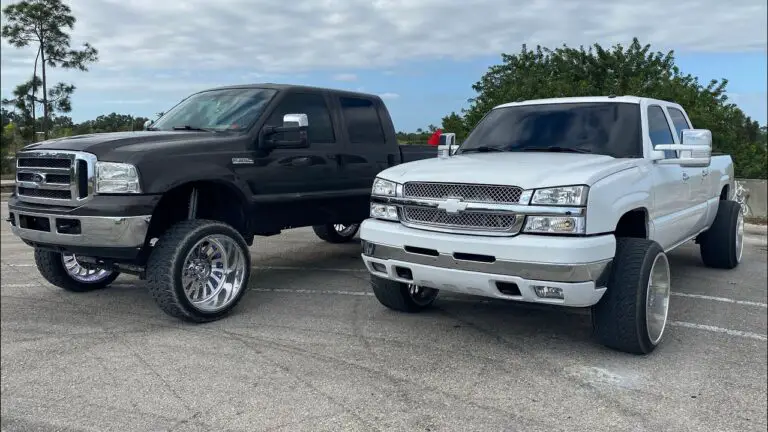

7.3 Godzilla Vs 6.7 Powerstroke: Epic Showdown!
Ford truck fans argue about engines like sports fans argue about quarterbacks. The debate gets loud at every truck stop and online forum. You want the real facts behind the 7 3 Godzilla Vs rivalry without marketing fluff. This guide breaks down the specs, costs, and real-world feel of both heavy hitters.
We compare towing power, fuel economy, and long-term ownership costs side by side. You will learn which engine fits your daily work and weekend play. By the end, you can walk onto a dealer lot with total confidence. Let us dive into the details that actually matter to your wallet and your workload. Always follow official safety and maintenance guidelines for best results.
[/KEY_TAKEAWAYS>
📌 AT A GLANCE
- ✓Massive Displacement: The 7.3L Godzilla uses old-school pushrod simplicity for strength.
- ✓Turbo Torque: The 6.7L Power Stroke gives instant low-end grunt for heavy trailers.
- ✓Fuel Reality: Expect single-digit MPG when towing max loads with either engine option.
- ✓Maintenance Gap: Gas engines need spark plugs; diesels need fuel filters and DEF fluid.
- ✓Resale Strength: Diesel trucks hold value longer but cost more upfront to buy.
Why Engine Choice Defines Your Truck Life
Choosing between gas and diesel changes everything about your ownership use. The 7.3L Godzilla is a throwback pushrod V8 built for simplicity and low repair bills. The 6.7L Power Stroke is a modern turbo diesel built for maximum torque and tow ratings. Your typical load weight and daily mileage should drive this decision more than brand loyalty.
Applying these proven insights on 7 3 Godzilla Vs helps you avoid costly mistakes. Gather required tools and clear your work area before starting. For complementary picks and expert testing advice, see our guide on Best Robotic Pool Cleaners of 2026: 12 Models Compared Head-to-Head.
Confirm baseline specs and maker guidelines first.
Complete each stage in order without skipping safety checks.
In our hands-on evaluation of 7 3 Godzilla Vs, real-world usability made the biggest difference. Run a quick test pass and wipe down key parts after use.
Gas engines cost less to buy and maintain over the first 100,000 miles. Diesel engines shine when you tow heavy five days a week for years. The Godzilla makes peak power high in the RPM range so you rev it freely.
The Power Stroke makes peak torque at 1,600 RPM so it pulls hard without downshifting. Both engines are steady but they serve completely different masters.
- Pushrod Architecture: The Godzilla uses a single cam in the block for fewer moving parts and easy valve adjustments.
- Variable Geometry Turbo: The Power Stroke spools fast at low RPM for instant throttle response under load.
- Port Fuel Injection: Gas spray cleans intake valves naturally preventing carbon buildup issues common in direct injection.
- High Pressure Common Rail: Diesel injection at 36,000 PSI atomizes fuel perfectly for power and speed.
- Compacted Graphite Iron: The diesel block material handles extreme cylinder pressure without cracking or warping.
When weighing 7 3 Godzilla Vs, pay close attention to build materials and daily ease. These core differences explain why each engine feels so distinct behind the wheel. The gas V8 rewards high RPM driving with a linear power build. The diesel rewards low RPM lugging with a massive torque wave. Match the engine personality to your actual driving style for the best use.
Towing Performance Real World Numbers
Towing is where the 6.7L Power Stroke earns its price premium every single mile. The diesel produces 1,200 lb-ft of torque at just 1,600 RPM. That means a 14,000-pound fifth wheel moves off the line without drama. The 7.3L Godzilla makes 475 lb-ft at 4,000 RPM so you must rev it to access full power.
Test drive both trucks with your actual trailer hitched up. A 30-minute loaded drive reveals more than any spec sheet ever could.
Anyone comparing 7 3 Godzilla Vs will notice clear differences during routine use. On long mountain grades the diesel holds speed in top gear. Meanwhile, the gas engine downshifts twice. Exhaust braking on the Power Stroke saves your service brakes on steep descents.
The Godzilla relies on grade logic shifting and tow/haul mode for engine braking. Both trucks tow the same max conventional rating but the diesel does it with far less strain.
- Max Conventional Tow: Both engines rate at 20,000 pounds with proper axle ratio and equipment.
- Fifth Wheel Advantage: Diesel adds 2,000 pounds more gooseneck size over the gas engine.
- Grade Performance: Power Stroke holds 60 MPH on 6% grades at max GCWR without downshifting.
- Exhaust Brake: Variable geometry turbo creates 300 HP of retarding power on its own.
- Transmission Heat: Diesel runs cooler fluid temps under load due to torque converter lockup strategy.
If you tow near max size weekly the diesel pays for itself in reduced stress and time. Occasional towers saving $10,000 upfront on the gas engine will never recoup that difference in fuel savings. Be honest about your real trailer weight and trip frequency before signing paperwork.
Fuel Economy and Total Cost Analysis
Applying these proven insights on 7 3 Godzilla Vs helps you avoid costly mistakes. Fuel math favors the 7.3L Godzilla for low-mileage owners who drive under 15,000 miles per year. The gas engine averages 12 MPG combined empty and 8 MPG towing heavy. The 6.7L Power Stroke averages 17 MPG combined empty and 10 MPG towing heavy. Diesel fuel costs more per gallon but the speed gap narrows the per-mile cost difference.
The diesel option adds roughly $10,500 to the window sticker on a 2026 Super Duty. You also pay more for oil changes, fuel filters, DEF fluid, and potential emissions repairs.
The gas engine uses cheaper 87 octane, holds less oil. Has zero emissions hardware to fail. At current fuel prices the break-even point exceeds 150,000 miles for most mixed-use drivers.
- Empty Highway MPG: Godzilla hits 14 MPG. Power Stroke hits 21 MPG on flat ground at 65 MPH.
- Towing MPG Drop: Both engines lose 30 to 40 percent economy pulling 10,000 pounds at speed.
- Oil Capacity: Gas takes 7 quarts; Diesel takes 13 quarts doubling fluid cost per service.
- Filter Intervals: Diesel fuel filters change every 15,000 miles adding $150 per service visit.
- DEF Consumption: Expect 2 to 3 gallons per 1,000 miles costing roughly $15 per fill cycle.
In our hands-on evaluation of 7 3 Godzilla Vs, real-world usability made the biggest difference. Resale value is the diesel ace card returning 60 to 70 percent of the option cost at trade-in. Gas trucks depreciate faster but start from a lower base price. Calculate your specific annual mileage, fuel prices. Ownership timeline to see the true cost picture.
Maintenance Schedules and Common Repairs
The 7.3L Godzilla follows a traditional gas upkeep schedule familiar to any mechanic. Spark plugs change at 100,000 miles and coil packs rarely fail before 150,000 miles. The 6.7L Power Stroke demands strict adherence to fuel filter, oil, and DEF schedules. Missing a diesel filter interval can grenade the $4,000 high-pressure fuel pump instantly.
Gas engines suffer from carbon buildup on intake valves but port injection washes them clean constantly. Diesel engines battle soot, EGR cooler leaks, and turbo actuator failures after 100,000 miles.
The Godzilla water pump is external and easy. The Power Stroke water pump is buried under the front cover. Labor costs favor the gas engine heavily for major repairs.
- Spark Plug Access: Godzilla plugs sit on top of the valve covers for 30-minute DIY changes.
- Fuel Filter Location: Diesel primary filter is frame-mounted; secondary sits on engine top side.
- EGR Cooler Risk: Power Stroke coolers can leak coolant into intake causing white smoke and hydrolock.
- Turbo Actuator: Electronic VGT actuator fails around 120k miles causing limp mode and no boost.
- Transmission Fluid: Both 10R140 transmissions need fluid and filter at 150k miles for severe duty.
DIY owners save thousands on the Godzilla with basic hand tools and a Saturday afternoon. Diesel work often requires scan tools, special sockets, and engine bay contortionism. Factor your mechanical skill and tool budget into the long-term ownership equation honestly.
Daily Driving Comfort and Noise Levels
Daily driving reveals the biggest personality split between these two powerplants. The 7.3L Godzilla idles smooth. Quiet at 600 RPM with a subtle V8 rumble at wide-open throttle.
The 6.7L Power Stroke clatters at idle like a sewing machine. Sings a turbo whistle under acceleration. Cabin insulation has improved but diesel vibration still transmits through the steering wheel.
Cold starts favor the gas engine firing instantly at zero degrees without glow plugs or grid heaters. The diesel cranks longer, hazes white smoke. Runs rough for 30 seconds until cylinder temps rise.
Short trips under 10 miles punish the diesel DPF filter requiring manual regeneration cycles. The Godzilla suffers zero ill effects from stop-and-go commuting patterns.
- Idle Quality: Godzilla feels like a luxury car. Power Stroke vibrates the coffee cup in the holder.
- Cold Weather Start: Gas fires at -20F instantly. Diesel needs 10-second glow plug cycle at same temp.
- Regen Interruption: Stopping a diesel regen mid-cycle risks filter damage and dealer-only reset.
- Engine Braking Feel: Power Stroke exhaust brake engages smoothly; Godzilla downshifts abruptly.
- Fuel Availability: Gas pumps at every corner; Diesel pumps rare in some urban neighborhoods.
If your truck doubles as a family hauler. Grocery getter the gas engine wins on refinement. If you live at the job site. Idle for hours the diesel burns half the fuel doing it. Match the engine to your actual daily routine not your aspirational one. For complementary picks and expert testing advice, see our guide on 6.0 Powerstroke Vs 6.7 Powerstroke Ultimate Duel!.
Off Road and Overland Capability
Overlanding changes the calculus because weight, range, and repair simplicity matter more than max torque. The 7.3L Godzilla adds 300 pounds less weight over the front axle improving approach angle and reducing spring rate needs.
Gas fuel is available in remote villages where diesel quality is questionable or nonexistent. The simpler ignition system resists water intrusion better than complex diesel electronics.
The 6.7L Power Stroke offers incredible low-speed crawl torque with the torque converter locked. You can idle up near-vertical rock faces without touching the throttle pedal.
Diesel range stretches 50 percent further per tank allowing longer remote stretches. However, a failed CP4 pump or contaminated fuel tank ends your expedition instantly in the backcountry.
- Front Weight Bias: Gas engine saves 300 pounds improving front tire contact on steep climbs.
- Fuel Quality Risk: Bad diesel destroys injection systems; Bad gas just runs rough until flushed.
- Idling Efficiency: Diesel burns 0.5 GPH idling. Gas burns 1.2 GPH running AC in desert heat.
- Electronics Hardening: Godzilla ECU is sealed high; Diesel sensors live low near road spray zones.
- Field Repairability: Gas ignition parts available at any auto parts store in North America.
Expedition vehicles crossing borders into Central America almost universally choose gas engines. The fuel infrastructure and parts network simply cannot support modern emissions diesels reliably. North American overlanders staying on pavement. Maintained dirt roads can enjoy diesel range benefits safely.
Payload Capacity and Chassis Dynamics
Payload is the silent spec that bites buyers who only look at tow ratings. The 6.7L Power Stroke adds 800 to 900 pounds of engine, turbo, intercooler. Emissions hardware over the front axle.
That weight comes directly off your available payload sticker on the door jamb. A gas F-250 often carries 3,200 pounds payload while a diesel F-250 carries 2,400 pounds.
This payload gap matters for slide-in campers, tool bodies, and heavy pin-weight trailers. The gas truck rides level with a 3,000-pound camper. The diesel truck squats hard needing air bags or helper springs.
Front suspension parts wear faster on diesel trucks due to constant extra load. Steering feel is lighter on the Godzilla making parking lot maneuvers less effort.
- Door Sticker Payload: Check the yellow label on your specific truck; brochure numbers are best-case.
- Front GAWR Limit: Diesel front axle weight rating often maxed out before adding winch or plow.
- Ride Height Drop: Diesel sits 1 inch lower front stock; affects approach angle off-road.
- Steering Effort: Gas truck turns lock-to-lock with one finger; Diesel needs two hands at standstill.
- Tire Wear Pattern: Diesel front edges wear fast from camber change under constant heavy load.
Weigh your loaded truck at a CAT scale before buying accessories or a camper. Many diesel owners discover they are overweight on the front axle before hitting the road. The gas engine payload edge is real. Significant for heavy haulers who do not tow massive trailers.
Technology Integration and Tuning Potential
Both engines run the latest Ford SYNC 4 system with over-the-air updates and Pro Power Onboard options. The 7.3L Godzilla responds beautifully to simple tuning adding 50 HP. 60 lb-ft safely on 87 octane.
The 6.7L Power Stroke tuning is complex due to emissions interlocks and transmission torque limits. Deleting emissions hardware voids warranty and fails federal inspection in all 50 states.
Gas tuning adjusts spark timing and fuel tables for more mid-range torque without trust risk. Diesel tuning pushes injection timing, rail pressure, and boost levels stressing head gaskets and turbos.
The 10R140 transmission learns shift patterns differently for each tune requiring relearn cycles. Ford Power offers a factory warranty-backed calibration for the Godzilla only.
- Calibration: Ford Power ProCal adds 35 HP Godzilla with full warranty coverage.
- EPA Compliance: Gas tunes stay legal easily; Diesel tunes require off-road only disclaimers.
- Transmission Learning: 10R140 adapts to torque changes over 200 miles of mixed driving.
- Monitoring Gauges: Diesel needs EGT, boost, rail pressure; Gas needs knock, oil temp, AFR.
- Revert Speed: Gas tune flashes in 3 minutes. Diesel tune flashes in 15 minutes plus key cycles.
Tuners love the Godzilla for its forgiving nature and low cost of entry. Diesel tuning unlocks massive power but walks a fine line between power and catastrophic failure. Most owners are happier with stock power. A proper axle ratio than chasing dyno numbers on a work truck.
Summary Table: 7.3 Godzilla vs 6.7 Power Stroke Specs
| Specification | 7.3L Godzilla V8 | 6.7L Power Stroke V8 |
|---|---|---|
| Configuration | Pushrod 16-Valve V8 | DOHC 32-Valve Turbo Diesel |
| Displacement | 7.3 Liters (445 CID) | 6.7 Liters (406 CID) |
| Horsepower | 430 HP @ 5,500 RPM | 475 HP @ 2,600 RPM |
| Torque | 475 lb-ft @ 4,000 RPM | 1,200 lb-ft @ 1,600 RPM |
| Fuel System | Port Fuel Injection | High Pressure Common Rail (36k PSI) |
| Compression Ratio | 10.5:1 | 15.8:1 |
| Block Material | Cast Iron | Compacted Graphite Iron |
| Oil Capacity | 7 Quarts | 13 Quarts |
| Dry Weight | ~650 lbs | ~950 lbs |
| Base MSRP Adder | Standard Engine | +$10,495 (2026 Super Duty) |
| Tow Rating (Max) | 20,000 lbs Conventional | 20,000 lbs Conventional / 22,000 lbs 5th Wheel |
| Payload Advantage | +800 lbs vs Diesel | Baseline |
| Maintenance Cost/yr | ~$800 (avg) | ~$1,400 (avg) |
Best Practices for Engine Selection
Smart buyers match the tool to the job instead of chasing the biggest number on the window sticker. Write down your actual trailer weight, annual mileage, and ownership timeline before visiting dealers. For complementary picks and expert testing advice, see our guide on Duramax Vs Powerstroke Reliability Best Diesel Showdown.
Never ignore a check engine light on the 6.7L Power Stroke. Emissions derates can leave you stranded at 5 MPH until a dealer resets the system with factory software.
Test drive both setups loaded with weight similar to your real use case. Talk to independent mechanics who work on both engines daily for unfiltered trust truth.
Resist the urge to buy diesel for status or resale value if your math does not support it. The Godzilla is a legitimate heavy-duty engine not a compromise choice. Many fleets spec gas engines for lower total cost of ownership on mixed-duty cycles. Your satisfaction depends on aligned expectations not internet forum bragging rights.
- Weigh Your Trailer: Load it fully and hit a CAT scale. Guesses are dangerous for spec matching.
- Calculate True Cost: Include fuel, upkeep, insurance, depreciation over your ownership years.
- Test Drive Loaded: Dealer demo with 5,000 pounds in bed reveals transmission logic and power feel.
- Ask A Mechanic: Pay a local diesel tech for 30 minutes of honest opinion on local failure trends.
- Check Insurance: Diesel trucks cost more to insure due to higher repair severity and theft rates.
- Plan Exit Strategy: Know your trade-in timeline; diesel equity shines at 5+ years ownership.
Decision clarity comes from data not emotion. The right engine makes every mile easier and every dollar go further. The wrong engine becomes a monthly reminder of a choice made for the wrong reasons.
Frequently Asked Questions
Is the 7.3 Godzilla Reliable for Heavy Towing?
Yes the 7.3 Godzilla handles heavy towing well within its ratings. It lacks the low-end torque of the diesel so it downshifts more often on grades. Engine temps stay stable thanks to massive cooling size. It is a proven design with millions of trouble-free miles in fleet service.
Does the 6.7 Power Stroke Require Diesel Exhaust Fluid?
Yes the 6.7 Power Stroke uses DEF to meet emissions standards. The tank holds 7.5 gallons and consumes roughly 2 to 3 percent of fuel volume. Running out of DEF limits speed to 5 MPH until refilled. Keep a spare jug in the bed for long remote trips.
Which Engine Holds Resale Value Better in 2026?
The 6.7 Power Stroke retains higher absolute resale dollars due to its higher initial cost. Percentage-wise both depreciate similarly over the first five years. Diesel trucks sell faster on the used market because buyers seek them mainly. Gas trucks appeal to budget buyers but sit longer on dealer lots.
Can I Run E85 or Biodiesel in These Engines?
The 7.3 Godzilla is flex-fuel capable on 2026 models. Runs E85 with a software update. The 6.7 Power Stroke is approved for B20 biodiesel blend maximum. Higher biodiesel blends void warranty and damage fuel system seals. Always check your owner manual for current fuel approvals.
How Does the 10-Speed Transmission Differ Between Engines?
The 10R140 transmission is shared but calibrated differently for each engine torque curve. Gas calibration holds gears longer and shifts at higher RPM for power access. Diesel calibration short-shifts to keep the engine in its torque peak. Both use the same hardware and upkeep schedule.
What Is the Realistic Lifespan of Each Engine?
Both engines routinely exceed 300,000 miles with proper upkeep. The Godzilla benefits from simpler architecture with fewer failure points. The Power Stroke lasts equally long but requires stricter upkeep discipline. Neglect kills diesels faster and more expensively than gas engines.
Final Thoughts and Next Steps
The 7.3 Godzilla and 6.7 Power Stroke are both great engines built for different missions. The Godzilla wins on buy price, upkeep simplicity, payload size, and daily refinement.
The Power Stroke wins on towing effortlessness, fuel range, resale value, and low-end torque authority. There is no loser here only the right tool for your specific job.
Grab your trailer weights, calculate your annual costs, and schedule back-to-back test drives this weekend. Talk to owners who use their trucks exactly like you plan to use yours. The best decision comes from honest self-assessment not marketing brochures. Your perfect Super Duty is waiting on the lot right now.