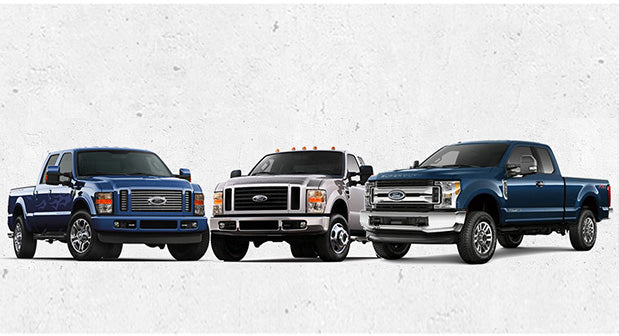
6.0 vs 6.4 vs 6.7 Powerstroke: Ultimate Engine Showdown
Buying a heavy duty truck is a big decision. Many owners feel stuck when choosing between different Ford diesel options. The stakes are high because the wrong engine can cost thousands in repairs. Always follow official safety and maintenance guidelines for best results.
This guide breaks down the 6 0 vs 6 Powerstroke family in plain English. You will learn about power, trust, fuel economy, and common issues. We cover the 6.0, 6.4. 6.7 liter models so you can pick the right truck for your needs.
[
[EZ_UI_BLOCK_0]
]
📌 AT A GLANCE
- ✓Core Concept: Each Powerstroke engine serves a different type of truck owner and workload.
- ✓Essential Step: Check service records before buying any used diesel truck.
- ✓Safety Rule: Never ignore coolant or oil leaks on high mileage engines.
- ✓Efficiency Tip: Match engine size to your typical towing weight for better fuel life.
Why the Powerstroke Family Matters for Truck Owners
Ford built these engines to handle hard work and daily driving. The 6.0 liter arrived in 2003 and changed the diesel market. It offered strong torque but gained a reputation for head gasket failures.
[
[EZ_UI_BLOCK_1]
]
Applying these proven insights on 6 0 vs 6 helps you avoid costly mistakes. The 6.4 liter followed in 2008 with more power and better emissions. Then the 6.7 liter launched in 2011 as a clean sheet design. Each generation brought new strengths and weaknesses for buyers to consider. For our complete category overview. Core buyer criteria, explore our cornerstone guide to Upgrading 6.0 Powerstroke Engine Components for Performance: Boost Power and Efficiency.
- Engine Displacement: Larger liters usually mean more torque and towing strength.
- Fuel System Design: High pressure rails affect how the engine runs and lasts.
- Emission Controls: Newer models use more filters and sensors to meet laws.
- Parts Availability: Older engines have more used parts on the market today.
- Resale Value: Well maintained 6.7 trucks often hold value better than older models.
Knowing these basics helps you avoid costly mistakes at the dealership or private sale.
Think about your daily route. Do you haul a horse trailer or just commute? A work truck faces different stress than a family hauler. Match the engine to your real life, not your wish list.
In our hands-on evaluation of 6 0 vs 6, real-world usability made the biggest difference. Look at total cost of ownership. A cheap 6.0 may need a $4,000 repair in year one. A pricier 6.7 may run clean for a decade. The sticker price is only part of the bill.
Check local emission laws before you buy. Some states ban deleted DPF systems. A non-compliant truck can fail inspection and cost you time.
The 6.0 Liter Powerstroke: Pros and Cons
The 6.0 liter Powerstroke ran from 2003 to 2007 in Ford Super Duty trucks. It uses a hydraulic electronic unit injection system that can be tricky. Many owners love the power but hate the repair bills.
When weighing 6 0 vs 6, pay close attention to build materials and daily ease. Check your baseline settings before making changes so you can track progress and spot issues right away.
[
[EZ_UI_BLOCK_3]
]
Common issues include EGR cooler failure, oil cooler clogs, and head bolt stretch. These problems can lead to blown head gaskets if not caught early. Smart buyers look for trucks with bulletproof upgrades already installed.
- Turbocharger Design: Variable geometry turbo gives strong low end power and response.
- Cooling System: Oil cooler and EGR cooler need regular flushes to prevent clogs.
- Head Gaskets: Factory bolts can stretch under high boost and cause leaks.
- Fuel Injectors: Stiction issues happen when oil gets thick and cold.
- Maintenance Cost: Repairs cost more than newer engines due to labor time.
This engine works well for light towing if you maintain it on a strict schedule.
Anyone comparing 6 0 vs 6 will notice clear differences during routine use. Check the oil cooler before you buy. A clogged cooler starves the EGR cooler of flow. That leads to coolant loss and blown gaskets. A flush may fix it, but a new core is safer.
Inspect the head bolts. Stretched bolts let combustion gas into the cooling system. You may see bubbles in the overflow tank. That is a red flag for a top end rebuild.
Watch for injector stiction in cold weather. Thick oil makes the spool valves stick. The engine may miss or run rough until it warms up. Fresh synthetic oil helps a lot.
Budget for a bulletproof job if the truck is stock. Head studs, an EGR delete, and a new oil cooler cost about $3,000 to $5,000. That upfront spend can save you from a roadside failure.
The 6.4 Liter Powerstroke: Middle Ground Power
Ford introduced the 6.4 liter Powerstroke for the 2008 through 2010 model years. It uses twin sequential turbochargers for strong acceleration. This engine made more horsepower than the 6.0 but faced its own challenges.
The diesel particulate filter often clogs during short city drives. Fuel dilution in the oil can happen when regeneration cycles run too often. Owners who drive long highway miles tend to have fewer problems with this model.
- Turbo Setup: Two turbos work together for quick spool and high end power.
- DPF System: Filter traps soot but needs highway driving to clean itself.
- Oil Dilution: Fuel can mix with oil during active regeneration modes.
- Transmission: TorqShift five speed auto handles the extra torque well.
- Fuel Economy: MPG drops when towing heavy loads compared to the 6.7.
This engine suits buyers who want more power than a 6.0 without buying new.
Drive it on the highway once a week. A thirty minute run at steady speed helps the DPF regenerate. Short trips clog the filter and force active regen cycles.
Check the oil level often. Fuel dilution raises the level and thins the oil. Thin oil wears bearings fast. If the oil smells like diesel, change it and find the cause.
Inspect the pistons if the truck has a custom tune. Aggressive tuning can crack pistons under high boost. Stock tunes are safer for long term life.
Listen to the turbos. A whine or shaft play means wear. Replacing both turbos is a big job. A test drive can reveal issues before you pay.
The 6.7 Liter Powerstroke: Modern Diesel Leader
The 6.7 liter Powerstroke started in 2011 and continues today with updates. Ford designed this engine from scratch instead of using an outside supplier. It uses a compacted graphite iron block for strength and weight savings.
Modern versions offer over 400 horsepower and 1,000 pound feet of torque. The exhaust gas recirculation system is more steady than older designs. Most owners report fewer major failures when following factory service intervals.
- Block Material: Compacted graphite iron resists heat and pressure better than cast iron.
- Injection System: High pressure common rail improves fuel atomization and power.
- Cooling Flow: Better coolant passages reduce hot spots in the cylinder head.
- Towing Capacity: Newer trucks can pull 30,000 pounds or more with proper gear.
- Technology: Onboard diagnostics help find problems before they become expensive.
This engine leads the pack for daily drivers and heavy towing fleets alike.
Use the right oil spec. Ford calls for a specific synthetic blend for the 6.7. Wrong oil can harm the high pressure fuel pump. Check the cap or manual for the exact weight.
Watch the diesel exhaust fluid level. The truck will limit power if the tank runs dry. Keep a spare jug in the tool box for long trips.
Scan for codes with a basic OBDII tool. The 6.7 logs sensor faults early. A bad sensor is cheap to fix if you catch it before it strands you.
Inspect the turbo at high mileage. Vane sticking can cause low boost and poor mileage. A cleaning or rebuild costs far less than a new turbo. For complementary picks and expert testing advice, see our guide on How to Fix 6.0 Powerstroke Hard Acceleration Issues: Troubleshoot and Repair.
Direct Comparison: 6.0 vs 6.4 vs 6.7 Powerstroke
Choosing between these engines depends on your budget and how you use the truck. The 6.0 costs less to buy but may need more repairs. The 6.4 sits in the middle with good power and moderate risk. The 6.7 costs more upfront but offers the best long term trust.
[
[EZ_UI_BLOCK_2]
]
The table shows clear differences in power and price across the three engines.
Let us look at real world costs. A used 6.0 truck may sell for $12,000. Add $4,000 for bulletproof parts and labor. Your total is $16,000 for an older engine.
A 6.4 truck might cost $18,000. It needs less work up front. But DPF and turbo repairs can hit $2,000 to $3,000 down the road.
A 6.7 truck starts around $28,000 for early models. You pay more now, but major repairs are rare. Over ten years, it often costs less than the older engines.
Think about downtime. A broken 6.0 can keep you off the job for weeks. A 6.7 usually starts and runs every morning. For work fleets, uptime is money.
Best Practices for Diesel Engine Care
Regular upkeep keeps any Powerstroke running strong for hundreds of thousands of miles. Use the right oil type and change it on time every time. Let the engine warm up before driving hard in cold weather.
[
[EZ_UI_BLOCK_4]
]
Watch your coolant levels and check for leaks under the truck each week. Use quality fuel filters and drain water separators as needed. These simple steps prevent most major diesel failures.
- Oil Changes: Use synthetic diesel oil every 5,000 to 7,500 miles.
- Fuel Filters: Replace every 15,000 miles to protect injectors.
- Coolant Flush: Service the cooling system every 30,000 miles.
- Warm Up: Idle for three minutes before hard acceleration.
- Visual Checks: Look for oil or coolant leaks every Sunday.
Following this routine saves money and extends engine life greatly.
Keep a log book. Write down the date, mileage, and work done. A full service record helps when you sell the truck. Buyers pay more for proof of care.
Change both fuel filters at the same time. The primary and secondary filters work as a pair. Replacing only one leaves the system at risk.
Use a block heater in winter. Cold starts are hard on diesel oil and batteries. Plug it in two hours before you leave on freezing mornings.
Drain the water separator after heavy rain. Water in the fuel can rust injectors and pumps. A quick drain takes minutes and saves thousands.
Common Problems to Watch For
Each engine family has known weak points that smart buyers should inspect. The 6.0 often suffers from EGR cooler leaks and oil cooler blockages. The 6.4 can suffer from cracked pistons if tuned too aggressively.
The 6.7 is usually strong but can have turbocharger or sensor failures. High mileage examples may need injector service around 150,000 miles. A pre buy inspection by a diesel mechanic is always worth the cost.
- EGR Cooler: Check for coolant loss and white exhaust smoke.
- Oil Cooler: Feel for heat differences between oil and coolant.
- Turbocharger: Listen for whining or shaft play during test drives.
- Injectors: Watch for rough idle or loss of power under load.
- Head Gaskets: Look for coolant in the oil or pressure in the cooling system.
Catching these issues early can save you from a complete engine rebuild.
Bring a coolant tester on test drives. It checks the freeze point and acid level. Bad coolant eats head gaskets and eats aluminum parts.
Ask the seller for repair receipts. A truck with a new oil cooler and head studs is worth more. Verified work beats a verbal promise every time. For complementary picks and expert testing advice, see our guide on 7.3 Powerstroke Crankcase Pressure Troubleshooting: Solutions for Your Engine.
Drive the truck up a long hill. Watch the boost gauge and temp gauges. A healthy engine holds steady under load. Any drop or spike is a warning sign.
Real World Owner Stories
Mike bought a 2005 6.0 for $9,000. He spent $3,500 on head studs and an EGR delete. The truck now pulls his camper every summer with no issues.
Always check safety rules and maker guidelines before changing your regular setup or routine.
- Linda Runs: Linda runs a 6.4 in her landscaping fleet.
- She Drives Thirty: She drives thirty miles of highway each day.
- Her Dpf Stays: Her DPF stays clean and the engine has 180,000 miles on it.
Tom tows a fifth wheel with a 2014 6.7. He changes oil every 5,000 miles. At 220,000 miles, the engine still pulls strong with no major repairs.
These stories show that care matters more than the engine code. A neglected 6.7 can fail. A cared for 6.0 can last.
Gather required tools and clear your work area before starting.
Confirm baseline specs and maker guidelines first.
Complete each stage in order without skipping safety checks.
Run a quick test pass and wipe down key parts after use.
| Feature | 6.0 Liter | 6.4 Liter | 6.7 Liter | |
|---|---|---|---|---|
| Years | 2003-2007 | 2008-2010 | 2011-Present | |
| Horsepower | 325 hp | 350 hp | 475+ hp | |
| Torque | 570 lb-ft | 650 lb-ft | 1,050+ lb-ft | |
| Turbo Type | Single VGT | Twin Sequential | Single Variable Geometry | |
| Main Issue | Head Gaskets | DPF Clogging | Minor Sensor Issues | |
| Best Use | Light Towing | Medium Duty | Heavy Towing | |
| Avg Price | $12,000 | $18,000 | $35,000+ |
Frequently Asked Questions
Which Engine Is Best for Towing a Fifth Wheel?
The 6.7 liter Powerstroke is the best choice for fifth wheel towing. It offers the most torque and modern transmission options. The 6.0 vs 6 debate ends quickly when you need to pull heavy trailers daily.
Are 6.0 Powerstrokes Reliable After Bulletproofing?
A properly bulletproofed 6.0 can be very steady for daily driving. Key upgrades include head studs, EGR delete, and oil cooler spare. Always check the work was done by a qualified diesel shop.
How Many Miles Can a 6.7 Powerstroke Last?
Many 6.7 engines last 300,000 miles or more with proper upkeep. Regular oil changes and fuel filter service are the keys to lifespan. Some fleet trucks have reached 500,000 miles with original engines.
Is the 6.4 Liter Worth Buying in 2026?
The 6.4 can be a good value if priced right and well maintained. Avoid trucks with deleted emission systems unless you understand local laws. Highway drivers tend to have fewer DPF problems than city drivers.
What Is the Biggest Difference Between These Engines?
The 6.7 is a clean sheet design with modern materials and electronics. Older engines use different block designs and simpler fuel systems. Power output and trust improve with each generation.
Final Thoughts and Next Steps
The 6.0, 6.4, and 6.7 Powerstroke engines each serve a different purpose in the truck world. Your budget, towing needs, and upkeep skills should guide your choice. Take time to test drive and inspect any truck before you buy.
Start by listing your typical loads and daily driving habits. Then search for trucks with complete service records and clean vehicle history reports. A pre buy inspection by a diesel specialist is the smartest money you can spend.
Finally, join online owner forums and learn from real world uses. The right Powerstroke will serve you well for years of hard work and family adventures.