3.0 Duramax Vs Powerstroke Vs Ecodiesel: Best Pick?
Whether you are dealing with this topic for the first time or looking to sharpen your daily routine, finding clear. Practical steps makes a big difference. Always follow official safety and maintenance guidelines for best results.
Understanding 3 0 Duramax Vs helps you get steady, long-term results. In this guide, we cover the core rules, simple methods. Best habits so you can succeed step by step.
Choosing a new diesel truck feels like a high-stakes gamble. You want power, fuel savings, and long-term trust all at once. Making the wrong choice costs thousands in repairs or wasted fuel.
The debate between 3 0 Duramax Vs Powerstroke and Ecodiesel confuses many buyers today. Each engine offers unique strengths for different driving styles and budgets. This guide breaks down the facts so you can pick the right truck with confidence.
[
[EZ_UI_BLOCK_0]
]
📌 AT A GLANCE
- ✓Fuel Economy: Ecodiesel often leads in city miles per gallon for light loads.
- ✓Towing Power: Powerstroke gives the highest torque for heavy trailers.
- ✓Daily Driving: Duramax balances smooth power with solid speed.
- ✓Maintenance Cost: All three engines need regular oil and filter care.
- ✓Resale Value: Heavy-duty Powerstroke trucks often hold value best.
Why Engine Choice Matters for Your Truck
Applying these proven insights on 3 0 Duramax Vs helps you avoid costly mistakes. Picking an engine shapes every mile you drive. It affects how much you pay at the pump. How heavy a load you can pull. Smart buyers compare options before signing any paperwork.
Think about your daily route. Do you sit in city traffic or cruise open highways? Short trips wear out diesel systems faster than long hauls. Cold weather also changes how these engines start and run. For our complete category overview. Core buyer criteria, explore our cornerstone guide to Upgrading 6.0 Powerstroke Engine Components for Performance: Boost Power and Efficiency.
Your budget plays a big role too. A bigger engine costs more up front. It also costs more to fix when things break. Match the engine to your real needs, not your wishes.
Talk to local dealers about service access. Some towns have more Ford shops than Chevy or Ram spots. Easy access to parts saves you downtime. This matters if you use your truck for work.
[
[EZ_UI_BLOCK_1]
]
The three main contenders serve different needs on the road. Some drivers focus on maximum towing size above all else. Others want the lowest possible fuel bills for commuting.
- Engine Displacement: All three use a three-liter six-cylinder design for speed.
- Torque Output: Powerstroke leads with the strongest pulling force.
- Fuel System: Direct injection helps each engine burn fuel cleanly.
- Emissions Tech: Modern systems reduce smoke and meet strict rules.
- Transmission Match: Each pairs with a ten-speed auto gearbox.
Your daily route and typical cargo should drive your final decision. A city commuter has different needs than a weekend tower.
3 0 Duramax vs Powerstroke Ecodiesel: Performance Showdown
Power separates these engines in clear and measurable ways. Horsepower determines how fast you accelerate on the highway. Torque determines how much weight you can tow safely.
Test drive each engine with a load similar to what you will tow. Paper numbers never replace real-world feel behind the wheel.
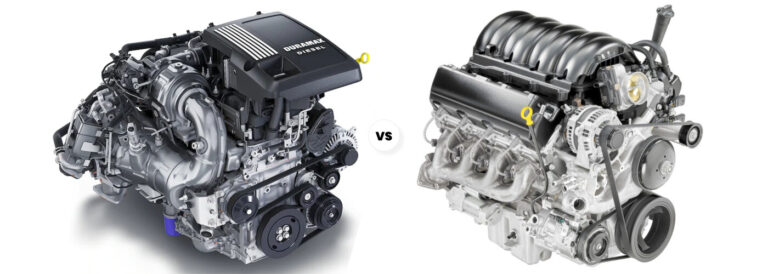
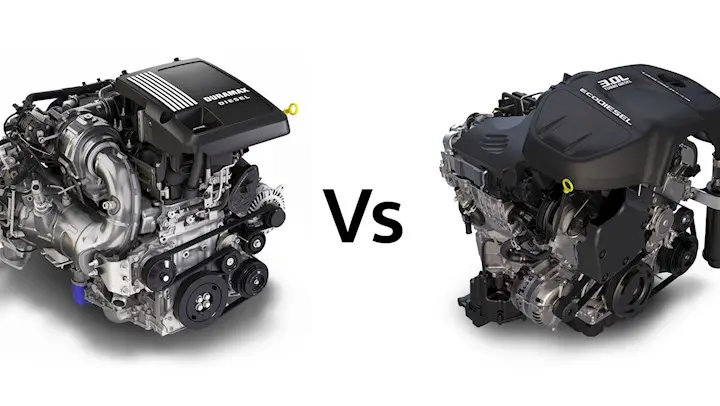
The Duramax uses an inline-six layout. It runs smooth and quiet. Power comes on strong in the mid-range. This makes it great for passing on two-lane roads.
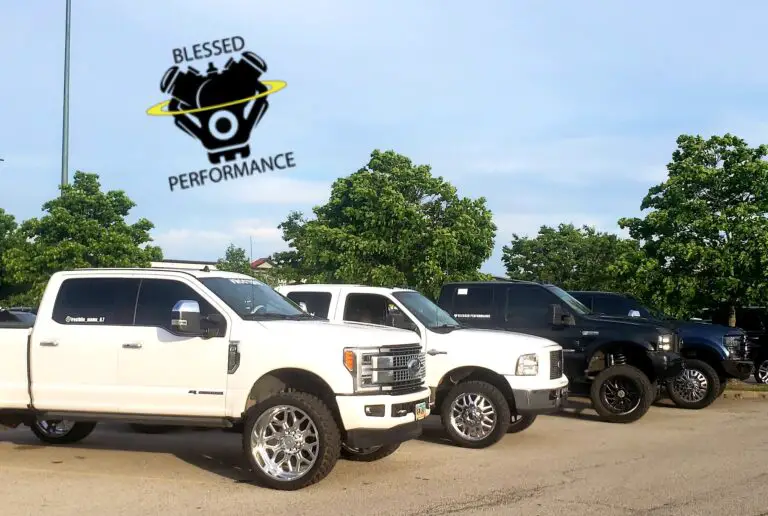
The Powerstroke also uses an inline-six block. It builds more torque than the rest. That extra twist helps when you pull heavy trailers up steep grades. You feel the difference on mountain passes.
The Ecodiesel uses a V-six design. It fits into smaller engine bays. Power is enough for light loads and city errands. It does not shine when you tow big campers or boats.
[
[EZ_UI_BLOCK_3]
]
- Horsepower Ratings: Duramax and Powerstroke tie near 277 horsepower.
- Torque Numbers: Powerstroke reaches 440 pound-feet of torque.
- Acceleration Feel: Duramax responds quickly in stop-and-go traffic.
- Towing Capacity: Powerstroke handles the heaviest trailers confidently.
- Engine Refinement: All three run quietly at highway speeds.
Match the engine to your heaviest expected load for the best use. Overbuying power wastes money you could spend elsewhere.
Fuel Economy and Real World Costs
Fuel costs add up quickly over the life of a truck. Small differences in miles per gallon become large savings over years. Understanding real-world numbers helps you budget wisely.
Ecodiesel often wins the speed battle in mixed driving conditions. Duramax holds its own on long highway trips with steady speeds. Powerstroke uses more fuel when towing heavy loads regularly.
Real world mileage drops when you tow. A heavy trailer can cut your range by half. Wind and hills also hurt fuel use. Plan your fuel stops before long trips.
Diesel fuel costs more than gas at most pumps. But diesel engines last longer than gas ones. The trade-off works out for high-mileage drivers. Low-mileage drivers may not see the payoff.
[
[EZ_UI_BLOCK_2]
]
- City Mileage: Ecodiesel gives the best urban fuel economy.
- Highway Mileage: Duramax performs well on open roads.
- Towing Impact: Heavy loads drop mileage for every engine type.
- Fuel Type: All require ultra-low sulfur diesel fuel only.
- Range Per Tank: Larger tanks mean fewer stops on road trips.
Track your actual fuel use for the first few months of ownership. Your driving habits matter more than laboratory ratings.
Maintenance and Long Term Reliability
Regular upkeep keeps any diesel engine running strong for years. Skipping oil changes leads to expensive repairs down the road. A solid upkeep plan protects your investment.
Each engine has specific service intervals you must follow carefully. Using the right oil and filters prevents early wear. Finding a qualified mechanic saves time and money.
The Duramax needs clean fuel to protect its pump. Water in the fuel can cause big damage. Drain the fuel water separator on schedule. This simple step saves thousands.
The Powerstroke has a strong block. It handles high mileage well. But its emissions system needs care. Keep the diesel exhaust fluid tank full at all times.
The Ecodiesel has faced some emissions recalls in the past. Check the VIN for open campaigns. A dealer can fix most issues for free. Stay on top of recalls to avoid trouble.
[
[EZ_UI_BLOCK_4]
]
- Oil Change Interval: Most need service every 7,500 to 10,000 miles.
- Fuel Filter: Replace regularly to protect injectors from dirt.
- Coolant System: Flush and refill according to maker schedules.
- Diesel Exhaust Fluid: Keep the tank topped for emissions compliance.
- Warranty Coverage: Powertrain warranties vary by brand and year.
Keep detailed records of all service work performed on your truck. Good documentation helps when you sell or trade later.
Towing Capacity and Hauling Ability
Towing needs vary wildly from one driver to the next. Some pull small campers while others haul heavy equipment trailers. Knowing your limits prevents dangerous situations.
Powerstroke leads the class for maximum towing size. Duramax handles medium loads with ease and confidence. Ecodiesel suits light towing and daily commuting best.
Know your trailer weight before you buy. Include gear, water, and cargo in the total. A loaded camper weighs more than its dry rating. Stay under your truck’s limit.
Use a weight distribution hitch for heavy loads. It spreads tongue weight across the axles. This improves steering and braking. It also reduces trailer sway.
Check your payload size too. Payload includes passengers and gear in the bed. A heavy trailer tongue eats into payload fast. Do not overload the truck.
- Max Tow Rating: Powerstroke offers the highest size overall.
- Payload Capacity: Heavy-duty frames carry more cargo weight.
- Trailer Sway Control: Built-in systems keep trailers stable.
- Integrated Brake Controller: Helps stop heavy loads safely.
- Hitch Receiver: Factory options match each truck’s rating.
Never exceed your truck’s rated towing size for any reason. Safety comes first when pulling heavy loads.
Technology Features and Interior Comfort
Modern trucks offer more than just strong engines and tough frames. Tech makes driving safer and more enjoyable every day. Comfort matters on long road trips.
Infotainment screens display navigation, music, and vehicle information clearly. Driver help features help prevent accidents in traffic. Interior materials range from basic to luxurious depending on trim. For complementary picks and expert testing advice, see our guide on Duramax Axle Seal Installation: A Step-by-step Guide.
Look for a trailer brake controller in the dash. It lets you adjust braking force on the fly. This helps when road conditions change. It is a must for frequent tow drivers.
Blind spot monitoring helps when you change lanes. Trailers create big blind zones. The system alerts you to hidden cars. This adds peace of mind on highways.
Adaptive cruise control keeps a set gap from traffic ahead. It works well on long drives. It reduces driver fatigue on straight roads. Turn it off in heavy city traffic.
- Touchscreen Display: Large screens control audio and navigation.
- Smartphone Integration: Apple CarPlay and Android Auto come standard.
- Blind Spot Monitoring: Alerts you to vehicles in hidden areas.
- Adaptive Cruise Control: Maintains distance from traffic ahead.
- Seating Materials: Cloth and leather options suit different budgets.
Test drive each truck to see which tech feels most intuitive. Comfort preferences vary from person to person.
Resale Value and Total Ownership Cost
Trucks represent major purchases that you may sell years later. Resale value affects your long-term financial picture greatly. Some brands hold value better than others.
Heavy-duty Powerstroke models often command strong used market prices. Duramax trucks maintain solid value across many regions. Ecodiesel appeals to buyers seeking fast daily drivers.
Condition matters more than brand for resale. A clean truck with records sells fast. Rust and dents lower value quickly. Wash your truck and fix small dents early.
Mileage affects price too. High mileage scares off some buyers. Low mileage trucks bring top dollar. Keep miles reasonable if you plan to sell soon.
Insurance costs vary by engine and trim. Heavy-duty models cost more to insure. Get quotes before you buy. Factor this into your monthly budget.
- Depreciation Rate: Heavy-duty trucks depreciate slower than light models.
- Market Demand: Popular setups sell faster used.
- Condition Impact: Well-maintained trucks bring higher prices.
- Mileage Effect: Lower mileage always increases resale value.
- Warranty Transfer: Remaining coverage adds buyer confidence.
Research local used truck prices before making your final choice. Market conditions vary by geographic area.
Summary Table: Engine Comparison
Testing 3 0 Duramax Vs side by side makes it much easier to choose with confidence. [
[EZ_UI_BLOCK_2]
]
Best Practices for Choosing Your Engine
Smart buyers follow a clear process before signing any contract. Taking time to research prevents buyer’s remorse later. These steps help you make a confident decision.
Start by listing your typical loads. Write down the heaviest thing you tow each year. Include the trailer, gear, and passengers. Compare this to each truck’s tow rating.
Track your daily miles. Short trips under ten miles hurt diesel engines. They do not get hot enough to burn off soot. Long highway runs suit diesel better.
Check dealer locations near you. A nearby shop makes service easy. Long drives for oil changes add hassle. Pick a brand with strong local support.
Get insurance quotes for each model you consider. Rates differ by brand and trim. Add this cost to your monthly budget. It changes the true cost of ownership.
[
[EZ_UI_BLOCK_4]
]
Consider your typical routes, cargo weights, and budget constraints. Talk to current owners about their real uses. Get insurance quotes for each model you consider.
- Define Your Needs: List your heaviest typical load and daily distance.
- Set Your Budget: Include fuel, insurance, and upkeep costs.
- Test Drive All Three: Feel the power differences personally.
- Read Owner Reviews: Learn from long-term user uses.
- Check Warranty Terms: Understand what coverage you receive.
Take your time and avoid pressure from salespeople. The right truck will still be available tomorrow.
Cold Weather and Climate Considerations
Diesel engines act different in cold weather. Thick oil makes starting hard. Fuel can gel in extreme cold. Plan ahead if you live in a northern state.
- Use a Block: Use a block heater on freezing nights.
- It Warms: It warms the engine block before start.
- This Eases Wear: This eases wear on the battery and starter.
- Plug It: Plug it in two hours before you leave.
Winter diesel fuel helps prevent gelling. Stations in cold areas sell treated fuel. Ask the attendant if the fuel is winter-grade. This keeps your fuel lines clear.
Keep your battery in top shape. Cold weather cuts battery power by half. Test your battery each fall. Replace weak units before winter hits. For complementary picks and expert testing advice, see our guide on Replacing The Rear Axle Seal On Your 05 Duramax.
All three engines need diesel exhaust fluid. DEF can freeze in the tank. The truck has a heater for the DEF tank. Keep the tank full to avoid issues.
Off-Road and Terrain Use
Some drivers take trucks off pavement. Dirt roads, mud, and snow test any engine. Ground clearance and traction matter more than horsepower here.
Never exceed your truck’s rated towing size. Overloading creates dangerous braking and handling risks.
- Duramax Works Well: The Duramax works well in light off-road use.
- It Pairs: It pairs with capable GM chassis.
- Four-Wheel Drive: Four-wheel drive helps in mud and snow.
- Low-Range Gearing Aids: Low-range gearing aids slow crawling.
The Powerstroke fits heavy-duty Ford frames. These frames handle rough terrain well. Tow hooks and skid plates add protection. It suits farm and ranch duty.
The Ecodiesel fits lighter Ram trucks. It is less suited for hard off-roading. Use it for gravel roads and light trails. Avoid deep mud and rock crawling.
Air intake location matters in water crossings. Deep water can suck into the engine. Know your wading depth before crossing streams. Slow and steady wins here.
Gather required tools and clear your work area before starting.
Confirm baseline specs and maker guidelines first.
Complete each stage in order without skipping safety checks.
Run a quick test pass and wipe down key parts after use.
| Feature | 3.0 Duramax | Powerstroke | Ecodiesel |
|---|---|---|---|
| Horsepower | 277 hp | 277 hp | 260 hp |
| Torque | 460 lb-ft | 440 lb-ft | 440 lb-ft |
| City MPG | 23 | 22 | 24 |
| Highway MPG | 29 | 28 | 29 |
| Max Towing | 13,000 lbs | 14,000 lbs | 12,000 lbs |
| Best Use | Daily driving | Heavy towing | Light commuting |
Frequently Asked Questions
Which Engine Offers the Best Fuel Economy?
Ecodiesel usually gives the best city fuel economy for light loads. Duramax performs well on steady highway driving. Your actual results depend heavily on driving habits.
Can the 3 0 Duramax vs Powerstroke Ecodiesel Handle Heavy Towing?
Powerstroke handles the heaviest towing jobs with confidence. Duramax manages medium loads very well. Ecodiesel works best for lighter trailers and daily use.
How Often Should I Change the Oil?
Most makers recommend oil changes every 7,500 to 10,000 miles. Severe driving conditions may require more frequent service. Always follow your owner’s manual.
Which Truck Holds Its Value Best?
Heavy-duty Powerstroke models often retain strong resale value. Duramax trucks also maintain solid prices in many markets. Condition and mileage matter most.
Do I Need Diesel Exhaust Fluid?
Yes, all three modern diesel engines require diesel exhaust fluid. This fluid helps meet strict emissions regulations. Keep the tank topped off regularly.
What Transmission Comes with These Engines?
Each engine pairs with a ten-speed auto transmission. This gearbox provides smooth shifting and good speed. Manual transmissions are not available.
Final Thoughts and Next Steps
Each engine serves a specific purpose for different types of drivers. Powerstroke wins for heavy towing and maximum skill. Duramax offers balanced power for daily driving. Ecodiesel suits fast commuting and light hauling.
Make a list of your typical loads and driving routes before visiting dealers. Test drive each option to feel the real differences. Your perfect truck waits for an informed decision.