6.0 Powerstroke Head Bolts Vs Studs: Ultimate Guide
Truck owners often face a scary moment when head gaskets blow on a diesel engine. A failed seal can cost thousands in repairs. Leave you stranded on the side of the road. The 6 0 Powerstroke Head setup is famous for this exact problem among Ford diesel fans.
This guide walks you through the real differences between bolts and studs for your engine. You will learn why studs often win for high-boost builds. How to pick the right parts. We also cover torque steps, install tips, and warning signs to watch for. Always follow official safety and maintenance guidelines for best results.
📌 AT A GLANCE
- ✓Core Concept: Head studs clamp the cylinder head more evenly than standard bolts under high pressure.
- ✓Essential Step: Always check block threads before installing new fasteners to avoid stripped holes.
- ✓Safety Rule: Never reuse old torque-to-yield bolts on a high-power diesel build.
- ✓Efficiency Tip: Use a calibrated torque wrench and follow the factory sequence for best results.
Essential Guide to 6 0 Powerstroke Head: Key Insights
The 6.0 Powerstroke engine pushes a lot of air and fuel through its cylinders. That creates massive pressure inside the block. Your head fasteners must hold that pressure without stretching or failing.
Gather required tools and clear your work area before starting. For our complete category overview. Core buyer criteria, explore our cornerstone guide to Upgrading 6.0 Powerstroke Engine Components for Performance: Boost Power and Efficiency.
Confirm baseline specs and maker guidelines first.
Complete each stage in order without skipping safety checks.
Run a quick test pass and wipe down key parts after use.
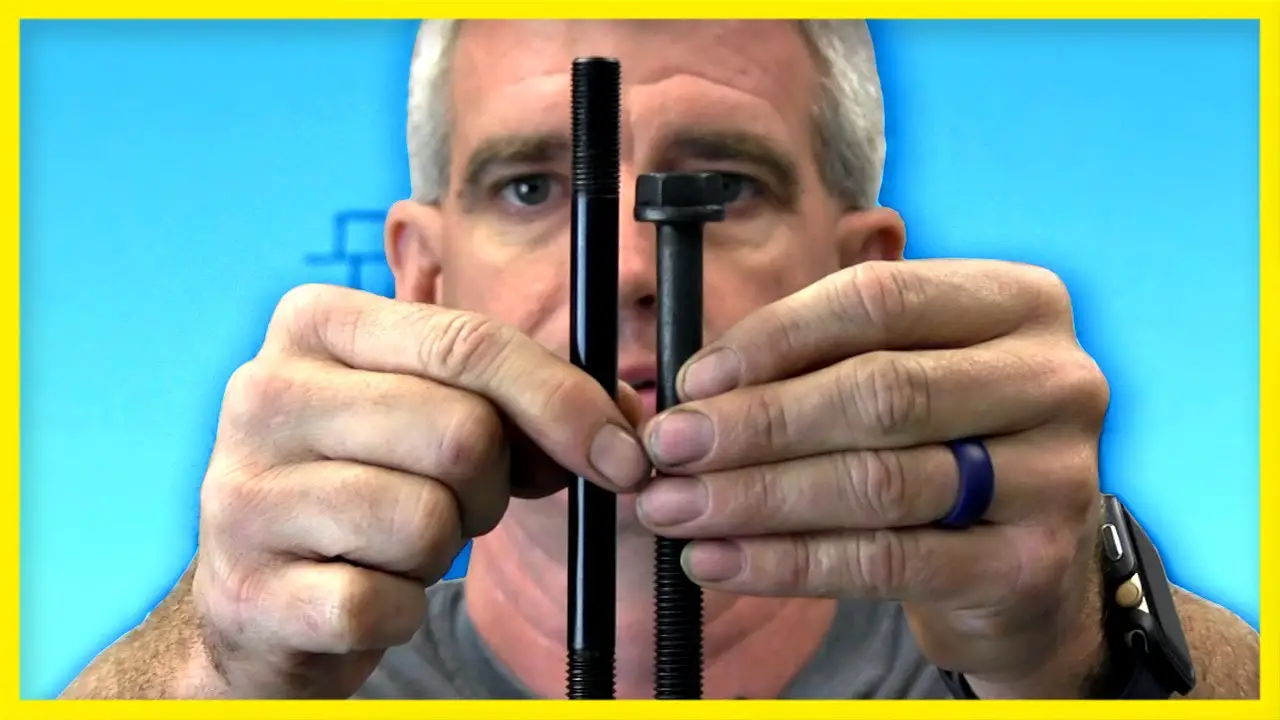
Bolts and studs do the same basic job, but they behave differently under load. Bolts twist as you tighten them, which can lead to uneven clamping force. Studs pull straight down and spread the load more evenly across the head gasket.
- Clamping Force: Studs provide more steady vertical pressure than bolts across the gasket surface.
- Thread Wear: Bolts reuse the same block threads each time. This can wear out the casting over years.
- Installation Ease: Studs stay in the block. This makes head removal and reinstallation faster for future work.
- Cost Difference: Quality stud kits cost more upfront but can save money on repeated gasket jobs.
- Boost Handling: High-boost setups almost always need studs to prevent head lift under pressure.
Choosing the right fastener depends on your power goals and how you drive the truck. Daily drivers can often stay with bolts, but tuned trucks benefit from studs.
Bolts Versus Studs: The Real World Difference
Standard bolts are torque-to-yield items in many factory setups. That means they stretch slightly when you tighten them to the spec. Once they stretch, they should not be used again.
Always lubricate stud threads with the maker-top oil or assembly lube before torquing. Dry threads give false readings and can lead to over-tightening.
Studs do not twist during installation because you thread them in by hand first. Then you tighten the nut. This reduces friction and gives you a more accurate clamp load on the gasket.
- Bolt Stretch: Factory bolts stretch once. Lose clamping power if reused after a head removal.
- Stud Stability: Studs remain fixed in the block and keep alignment straight during head swaps.
- Gasket Life: Even clamping from studs helps the head gasket last longer under extreme heat cycles.
- Maintenance Cost: Bolts are cheaper to replace. But studs reduce the chance of a repeat failure.
- Power Limits: Stock bolts can handle stock power. But studs are safer for tuned or modified engines.
If you plan to add a tuner or bigger injectors, studs are usually the smarter long-term investment. They protect your head gasket from blowing under added cylinder pressure.
How to Install Head Studs Step by Step
Installing studs takes patience and clean work habits. You must remove the cylinder heads, clean the block surface, and prep the threads carefully. Rushing this job can lead to leaks or broken fasteners.
Follow the correct torque sequence and use new hardware where required. A clean block and fresh gasket give you the best chance of a leak-free seal.
- Clean Block Surface: Remove all old gasket material and debris from the deck before starting.
- Thread Chaser: Run a thread chaser through each block hole to clean and inspect the threads.
- Install Studs: Screw studs in by hand to the specified depth, then tighten to the base torque value.
- Position Head: Lower the cylinder head carefully so studs align without bending or binding.
- Torque Sequence: Tighten nuts in the factory order, usually from the center outward in stages.
- Final Check: Re-torque after a heat cycle and inspect for oil or coolant leaks.
Take your time with each step. A proper install means your 6 0 Powerstroke Head stays sealed for many miles.
Torque Specs and Sequence You Must Know
Torque specs tell you how tight each fastener should be. If you guess, you risk warping the head or snapping a stud. The 6.0 Powerstroke uses a multi-stage torque process with angle tightening.
Always use a calibrated torque wrench and an angle gauge. Follow the exact order from the service manual to keep pressure even across the gasket.
- Stage One: Snug all fasteners to the initial low torque value in the correct sequence.
- Stage Two: Increase to the intermediate torque value using the same crossing pattern.
- Angle Turn: Rotate each fastener by the specified degrees rather than a final foot-pound number.
- Center Out: Always start near the middle of the head and work toward the ends.
- Wrench Calibration: Check your torque wrench accuracy before beginning any engine build.
- Re-Torque: Some builders re-check torque after the engine reaches running heat.
Skipping steps or tightening out of order can cause the head to shift. That leads to coolant leaks or combustion gases escaping into the cooling system.
When to Choose Bolts for a Stock Build
Not every truck needs upgraded studs. If your engine is stock and you drive gently, factory bolts may be fine. They cost less and are easier to find at most parts stores.
Bolts work well for low-mileage daily drivers that never see a tuner or heavy towing. Just replace them with new ones if you ever remove the heads.
- Stock Power: Factory bolts handle stock horsepower and torque levels without issue.
- Lower Cost: New bolts cost greatly less than a full stud kit and hardware.
- Easy Replacement: Bolts are stocked at most auto parts stores for quick emergency fixes.
- Simple Install: No need to drill or tap the block when replacing like-for-like bolts.
- Daily Driving: Light commuting and errands rarely create enough pressure to lift the head.
- Short Term: Bolts are okay for a temporary fix. Meanwhile, you save for a stud upgrade.
Keep in mind that bolts should always be replaced if removed. Reusing old bolts on a diesel engine is a gamble you do not want to take. For complementary picks and expert testing advice, see our guide on Top Tools for Powerstroke Cylinder Head Repair: Tools You Need for Precision.
When to Upgrade to Studs for Performance
Modified engines create more cylinder pressure than stock designs. That pressure tries to lift the head off the block. Studs resist that lift better than bolts because they do not twist during tightening.
If you run a tuner, bigger turbo, or tow heavy loads, studs are a wise upgrade. They give you peace of mind when pushing the engine harder.
- High Boost: Studs prevent head lift when cylinder pressure rises under heavy load.
- Towing Loads: Hauling heavy trailers creates sustained heat and pressure that studs handle well.
- Tuner Friendly: Custom tunes increase fuel and boost, making studs a smart safety upgrade.
- Head Gasket Protection: Even clamping from studs reduces the chance of a blown gasket.
- Long Term Value: Studs cost more now but can prevent expensive repeated head gasket repairs.
- Peace of Mind: Knowing your fasteners are built for power lets you drive with confidence.
Many diesel shops recommend studs for any 6.0 Powerstroke that exceeds stock power levels. It is one of the best insurance policies you can buy for your engine.
Common Mistakes and How to Avoid Them
Even experienced mechanics make mistakes during head fastener installation. Small errors can lead to big problems like blown gaskets or cracked heads. Knowing what to watch for helps you avoid costly do-overs.
Cleanliness and patience are your best tools. Never force a stud into a dirty hole, and never skip the torque sequence.
- Dirty Threads: Debris in block holes gives false torque readings and weakens the clamp.
- Wrong Sequence: Tightening out of order warps the head and causes coolant or oil leaks.
- Reused Bolts: Torque-to-yield bolts lose strength after one use and should never be reinstalled.
- Over-Tightening: Too much force can snap studs or pull threads out of the block.
- Missing Washers: Some kits require hardened washers to protect the head surface during torque.
- Skipping Re-Torque: Failing to check fasteners after a heat cycle can lead to slow leaks.
Take notes during taking apart and label parts if needed. A methodical approach saves time and money on the back end.
Summary Table: Bolts vs Studs Comparison
| Feature | Bolts | Studs |
|---|---|---|
| Clamping Evenness | Good | Excellent |
| Reusability | No (torque-to-yield) | Yes |
| Install Time | Faster | Slightly longer |
| Cost | Lower | Higher |
| Best For | Stock daily drivers | Tuned or towing builds |
| Head Lift Resistance | Moderate | High |
Use this table as a quick reference when deciding which path fits your truck and budget. Both options work, but the right choice depends on your goals.
Best Practices for Long Term Reliability
Good habits keep your diesel running strong for years. Regular inspections and quality parts make a big difference in how long your head gasket lasts. Follow these dos and don’ts for the best results.
Never reuse torque-to-yield bolts on a power build. Once stretched, they cannot provide steady clamping force and may fail under boost.
Keep records of torque values and service dates. That helps you track upkeep and spot issues before they become major repairs.
- Use Quality Parts: Buy name-brand studs and gaskets from trusted diesel suppliers.
- Follow Manual: Always use the factory service manual for torque and sequence steps.
- Check for Leaks: Inspect around the head after the first few heat cycles for any seepage.
- Change Coolant: Fresh coolant prevents corrosion that can damage head gasket surfaces.
- Watch Boost: Avoid extreme tuning that pushes the engine beyond safe limits.
- Warm Up: Let the engine reach running heat before heavy throttle use.
Small steps add up to a steady truck. Treat your 6 0 Powerstroke Head fasteners with respect and they will return the favor. For complementary picks and expert testing advice, see our guide on 6.0 Powerstroke Performance Cylinder Head Upgrade: Maximize Airflow.
Frequently Asked Questions
Are Head Studs Better Than Bolts for a 6.0 Powerstroke?
Studs are better for high-boost or modified engines because they clamp more evenly. Stock daily drivers can use bolts if they are new and installed correctly.
Can I Reuse Old Head Bolts?
No. Factory bolts are torque-to-yield and stretch during installation. Reusing them can cause uneven clamping and head gasket failure.
How Much Does a Stud Kit Cost?
Quality kits vary by brand and include studs, nuts, and washers. Expect to spend several hundred dollars for a complete set.
Do I Need to Machine the Block for Studs?
Most kits install without machining, but you should clean and inspect all threads first. Some blocks may need thread repair if damaged.
Will Studs Stop All Head Gasket Failures?
No fastener can prevent every failure. Overheating, bad tuning, or poor install can still cause problems even with studs.
Where Does the Focus Keyword Fit in This Guide?
The 6 0 Powerstroke Head setup is the main topic throughout this article. It appears in the intro, headings, and body sections to keep the content focused.
Final Thoughts and Next Steps
Choosing between bolts and studs comes down to your power goals and budget. Stock trucks can stay with bolts, but modified builds need studs for safety. Either way, use new hardware and follow the torque sequence exactly.
If you are planning a head gasket job, order your parts before you start. Clean the block, check the threads, and take your time with each step. Your diesel will reward you with strong power and fewer leaks.
Talk to a trusted diesel shop if you are unsure about your build. A quick conversation can save you from expensive mistakes down the road.