
2Nd Gen Cummins Vs 7.3 Powerstroke: Ultimate Diesel Showdown
Choosing between two legendary diesel trucks feels like picking a favorite child. Both engines built strong reputations during the 1990s and early 2000s. Owners still argue about which one lasts longer or pulls harder. The debate matters because your wallet and daily driving life depend on the right choice. Always follow official safety and maintenance guidelines for best results.
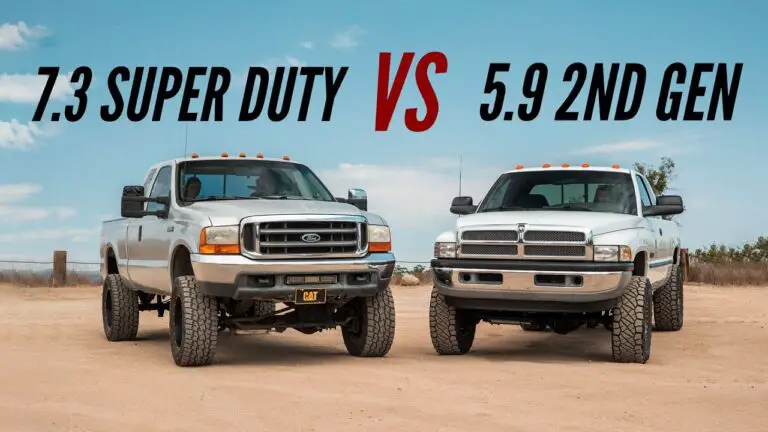
This guide breaks down the 2Nd Gen Cummins Vs 7.3 Powerstroke showdown in plain language. You will learn about engine design, fuel systems, towing strength, and long-term repair costs. We also cover common failure points and simple upkeep steps. By the end, you will know which truck fits your needs best.
📌 AT A GLANCE
- ✓Engine Design: The Cummins uses an inline-six layout while the Powerstroke uses a V8 design.
- ✓Fuel System: Cummins relies on a P7100 mechanical pump while Powerstroke uses hydraulic electronic injection.
- ✓Towing Strength: Both trucks pull heavy loads, but torque delivery feels different in real-world driving.
- ✓Repair Costs: Cummins parts tend to cost less and stay available longer than Powerstroke parts.
- ✓Longevity: Well-maintained examples of both engines regularly pass 300,000 miles with basic care.
Why This Diesel Matchup Matters for Truck Buyers
The 1990s marked a golden era for American diesel pickups. Dodge paired the Cummins 5.9L inline-six with heavy-duty chassis. Ford matched the 7.3L Powerstroke V8 with robust F-Series frames. Buyers today still seek these trucks for work and play. Understanding the core differences helps you avoid costly mistakes.
Applying these proven insights on 2Nd Gen Cummins Vs helps you avoid costly mistakes. Gather required tools and clear your work area before starting. For our complete category overview. Core buyer criteria, explore our cornerstone guide to Upgrading 6.0 Powerstroke Engine Components for Performance: Boost Power and Efficiency.
Confirm baseline specs and maker guidelines first.
Complete each stage in order without skipping safety checks.
Run a quick test pass and wipe down key parts after use.
Each engine family developed a loyal following for good reason. The Cummins earned fame for simple mechanical trust. The Powerstroke gained respect for strong V8 power and smooth use. Both platforms serve different driving styles and budgets.
- Inline Six Design: The Cummins 5.9L uses six cylinders in a straight line for natural balance.
- V8 Configuration: The 7.3 Powerstroke arranges eight cylinders in a V shape for compact packaging.
- Mechanical Roots: Early Cummins models use simple mechanical fuel pumps with fewer electronics.
- Electronic Control: The Powerstroke relies on engine computers and hydraulic actuators for fuel delivery.
- Aftermarket Support: Both engines enjoy vast parts networks and power upgrade options.
These fundamentals shape everything from fuel economy to repair bills. Knowing the layout helps you diagnose problems faster.
The 2nd Gen Cummins Engine Deep Dive
The second-generation Cummins 5.9L ran from 1994 to 1998 in Dodge Ram trucks. It uses the famous P7100 inline injection pump, often called the “P-pump.” This mechanical device gives fuel without complex electronics. Many mechanics consider it one of the most steady diesel pumps ever built.
Always change the fuel filter before winter to prevent gelling. Hard starts in cold weather. A clean filter protects your injection system and saves money on emergency repairs.
Owners love the simple design because repairs happen quickly in home garages. The engine produces strong low-end torque perfect for towing trailers. However, the P-pump can wear over time and needs careful adjustment by skilled technicians.
- P7100 Injection Pump: A mechanical fuel pump known for long life and simple tuning.
- 12-Valve Cylinder Head: Early models use two valves per cylinder for strong airflow.
- Mechanical Simplicity: Fewer sensors mean fewer electronic failures on the road.
- Torque Output: Stock models give roughly 420 to 440 pound-feet of pulling force.
- Cooling System: A straightforward radiator and fan clutch keep heat stable.
The Cummins rewards owners who perform regular oil changes and fuel filter service. It remains a top choice for budget-conscious diesel buyers.
The 7.3 Powerstroke Engine Deep Dive
Ford introduced the 7.3L Powerstroke V8 in 1994 and built it through 2003. International Harvester designed the engine block, while Ford added electronic controls. The Hydraulic Electronic Unit Injection system uses oil pressure to fire each injector. This design allows precise fuel control and smooth power delivery.
Drivers appreciate the V8’s smooth sound and strong acceleration. The engine works well in heavy-duty applications and daily commuting. Yet, the HEUI system depends on clean engine oil. Neglected oil changes can damage injectors quickly.
- HEUI Injection System: Uses high-pressure engine oil to operate fuel injectors.
- V8 Block Design: Eight cylinders provide smooth power and compact engine bay fitment.
- Electronic Controls: A powertrain computer manages timing and fuel quantity.
- Oil Dependence: Clean oil is critical because the injection system uses engine lubricant.
- Power Rating: Stock versions produce around 235 horsepower and 500 pound-feet of torque.
Regular upkeep keeps the 7.3 Powerstroke running strong for hundreds of thousands of miles.
Fuel System Comparison and Reliability
Fuel delivery defines how these engines run and how much they cost to fix. The Cummins P-pump pushes fuel mechanically, while the Powerstroke uses hydraulics and electronics. Each approach offers distinct perks and failure modes. Smart buyers weigh these factors before buying.
Cummins owners enjoy lower fuel system repair costs because mechanical parts cost less. Powerstroke owners face higher injector spare bills but gain smoother idle quality. Both systems tolerate standard diesel fuel without special additives.
- Mechanical Pump: The Cummins P7100 needs no engine oil to function and costs less to rebuild.
- Hydraulic Injection: The Powerstroke HEUI system uses oil pressure and costs more to service.
- Filter Changes: Both engines need regular fuel filter swaps to protect pumps and injectors.
- Electronic Sensors: Powerstroke models have more sensors that can fail and trigger warning lights.
- Fuel Quality: Clean diesel extends the life of either fuel system greatly.
Simplicity usually wins for long-term ownership costs, but smooth use favors the Powerstroke design.
Towing Performance and Real World Driving
Both trucks excel at hauling trailers, boats, and heavy equipment. The Cummins gives torque early in the rpm range. This makes it strong for starting heavy loads. The Powerstroke V8 offers smooth power across a wider range. Drivers notice different feelings when merging or climbing hills. For complementary picks and expert testing advice, see our guide on 5 Top 5.9 Cummins Camshaft Position Sensor Picks for Your Ram.
Transmission choices matter as much as engine output. Dodge paired the Cummins with manual or auto options. Ford used the E4OD and 4R100 transmissions. Gear ratios and converter lockup strategies affect real-world towing comfort.
- Low End Torque: The Cummins pulls hard from a stop with strong off-idle response.
- Smooth Power: The Powerstroke V8 gives linear acceleration without harsh surges.
- Transmission Pairing: Dodge used strong manuals and early automatics behind the Cummins.
- Ford Gearbox: The E4OD and 4R100 autos handle heavy loads but need regular service.
- Braking Capacity: Both trucks need upgraded brakes for frequent heavy towing.
Test drive both options with a loaded trailer to feel the real difference before buying.
Maintenance Costs and Common Failures
Owning a diesel truck means budgeting for regular service and occasional repairs. The Cummins 5.9L usually costs less to maintain because parts remain plentiful and low-cost. The 7.3 Powerstroke costs more for fuel system work but benefits from widespread Ford dealer support. Knowing common failure points saves money over time.
Killer dowel pin issues affected early Cummins engines. Powerstroke trucks faced injector drive module problems. Both engines can last 300,000 miles or more with proper care. Regular oil changes and coolant service matter more than brand loyalty.
- Oil Changes: Both engines need fresh oil every 5,000 miles for maximum life.
- Coolant Service: Flush and replace coolant every two years to prevent overheating.
- Fuel Filters: Change filters every 15,000 miles to protect pumps and injectors.
- Transmission Service: Change transmission fluid regularly to avoid expensive rebuilds.
- Belt and Hoses: Inspect drive belts and coolant hoses at every oil change.
Preventive upkeep beats emergency repairs every time for diesel truck owners.
Buying Guide and Value Assessment
Prices for these trucks vary based on condition, mileage, and changes. Clean examples command premium prices in today’s market. Rust-free trucks from dry states often cost more but save money on body repairs. Modified trucks may offer more power but can hide hidden problems.
Set a realistic budget before shopping and stick to it. A pre-buy inspection by a diesel mechanic costs little compared to engine repairs. Check service records and look for documented upkeep history.
- Rust Inspection: Check frame rails and floor pans for serious corrosion before buying.
- Service Records: Focus on trucks with documented oil changes and fuel filter service.
- Modification Check: Ask about power chips, injectors, and transmission upgrades.
- Test Drive: Listen for knocks, smoke, and strange noises under load.
- Price Comparison: Compare similar year, mileage, and condition models in your region.
Patience pays off when searching for the right used diesel truck.
Summary Table: Cummins vs Powerstroke Specifications
| Feature | 2nd Gen Cummins 5.9L | 7.3L Powerstroke V8 |
|---|---|---|
| Engine Layout | Inline-Six | V8 |
| Fuel System | P7100 Mechanical | HEUI Hydraulic Electronic |
| Horsepower | 160-215 hp | 235-275 hp |
| Torque | 420-440 lb-ft | 500-525 lb-ft |
| Production Years | 1994-1998 | 1994-2003 |
| Typical Repair Cost | Lower | Moderate |
| Best For | Simple reliability | Smooth V8 power |
Best Practices for Diesel Truck Ownership
Successful diesel ownership relies on steady habits and attention to detail. Warm up your engine before driving hard, most in cold weather. Let the turbo cool down after heavy towing before shutting off the engine. These simple steps extend engine life greatly.
Never ignore low oil pressure warnings on a 7.3 Powerstroke. The HEUI injection system needs oil pressure to fire injectors. Low pressure can leave you stranded.
Keep records of every service and repair performed on your truck. Documentation helps when selling and shows buyers you cared for the vehicle. Join online forums and local clubs to learn from experienced owners. For complementary picks and expert testing advice, see our guide on Troubleshooting Your 5.9 Cummins Crank Sensor.
- Warm Up Engine: Let idle for two to three minutes before driving in cold weather.
- Cool Down Turbo: Idle for one minute after towing before shutting off the engine.
- Use Quality Fuel: Buy diesel from busy stations with high fuel turnover.
- Check Fluid Levels: Inspect oil, coolant, and transmission fluid weekly.
- Address Leaks Early: Fix oil and coolant leaks before they cause major damage.
Good habits create steady trucks that serve you for many years.
Frequently Asked Questions
Which Engine Lasts Longer, the Cummins or Powerstroke?
Both engines can exceed 300,000 miles with proper upkeep. The Cummins often reaches high mileage with fewer major repairs. This happens because of its simpler mechanical design. The Powerstroke also lasts long but costs more to maintain due to complex fuel systems.
Is the 2nd Gen Cummins vs Powerstroke Debate Still Relevant Today?
Yes, this comparison remains relevant because both trucks still sell in the used market. Buyers choose between them based on budget, parts availability, and personal preference. The debate helps new buyers understand real ownership differences.
What Are the Most Common Problems with These Trucks?
Cummins trucks may face killer dowel pin issues and injection pump wear. Powerstroke trucks commonly use injector drive module failures and injection pressure regulator problems. Regular upkeep prevents most of these issues.
Which Truck Costs Less to Maintain?
The Cummins usually costs less to maintain because mechanical parts are cheaper and more available. Powerstroke repairs cost more due to electronic parts and specialized labor. Fuel system service represents the biggest cost difference.
Can I Tow Heavy Loads with Either Truck?
Yes, both trucks handle heavy towing well when equipped properly. Check payload ratings, transmission cooling, and trailer brake requirements before loading. Match the truck to your specific towing needs.
Final Thoughts and Next Steps
The 2nd Gen Cummins and 7.3 Powerstroke both earned their legendary status through real-world power. Your choice depends on whether you value mechanical simplicity or smooth V8 refinement. Take time to test drive both options before making your final decision.
Start by setting a budget and searching for clean, well-maintained examples. Get a pre-buy inspection from a qualified diesel mechanic. Join owner communities to learn upkeep tips and find parts sources. Your perfect diesel truck waits with patience and research.