
2026 Cummins Vs Powerstroke: Ultimate Diesel Showdown
Picking a heavy-duty truck in 2026 feels like a high-stakes gamble. You want raw power, long life, and low repair bills all at once. Many buyers feel stuck between two legendary names. Always follow official safety and maintenance guidelines for best results.
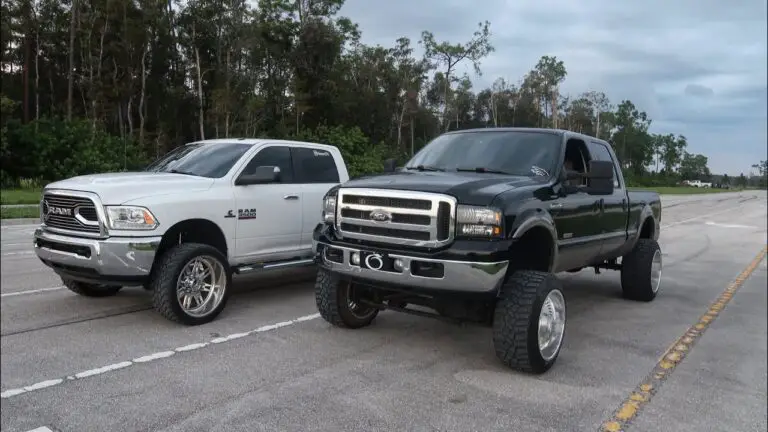
The debate centers on the 2026 Cummins Vs Powerstroke battle for your garage space. Each engine brings a different flavor of diesel strength to the road. This guide breaks down the facts so you can choose with total confidence.
[
[EZ_UI_BLOCK_0]
]
📌 AT A GLANCE
- ✓Engine Heritage: Cummins uses inline-six simplicity while Powerstroke relies on V8 complexity.
- ✓Towing Strength: Both handle heavy loads but give power in different ways.
- ✓Fuel Economy: Real-world MPG varies by load, terrain, and driving habits.
- ✓Maintenance Cost: Parts availability and service intervals shape long-term ownership.
- ✓Resale Value: Brand loyalty and proven strength affect used truck prices.
Why the 2026 Cummins vs Powerstroke Rivalry Matters
Diesel truck buyers care about more than horsepower numbers on a spec sheet. They want engines that start in freezing cold and pull trailers up mountain grades. The 2026 Cummins Vs Powerstroke showdown matters because your daily work depends on that trust.
[
[EZ_UI_BLOCK_1]
]
Cummins has built its name on straight-six engines that run for hundreds of thousands of miles. Powerstroke answers with V8 designs that offer smooth power delivery and modern tech. Understanding these core differences helps you match the engine to your job. For our complete category overview. Core buyer criteria, explore our cornerstone guide to Upgrading 6.0 Powerstroke Engine Components for Performance: Boost Power and Efficiency.
- Engine Architecture: Cummins uses an inline-six layout while Powerstroke uses a V8 setup.
- Torque Delivery: Cummins offers low-end grunt while Powerstroke provides broad power bands.
- Cooling Systems: Each brand manages heat differently under heavy towing loads.
- Electronics: Modern engine control units tune fuel and emissions in real time.
- Service Network: Dealership reach and independent shop support vary by region.
Knowing these fundamentals sets the stage for a deeper look at each brand.
2026 Cummins Engine Specs and Real World Performance
The 2026 Cummins continues the tradition of tough inline-six diesel power. It produces strong torque figures that make hauling feel easy. Many fleet owners trust this engine for its long service intervals and simple design.
Check your baseline settings before making changes so you can track progress and spot issues right away.
[
[EZ_UI_BLOCK_2]
]
Fuel injection systems have evolved to meet stricter emissions rules without losing power. The engine block uses cast iron for strength under high cylinder pressure. These traits make Cummins a favorite for commercial work and long-haul duties.
- Displacement Size: The inline-six offers balanced combustion and smooth use.
- Turbocharger Setup: Variable geometry turbines boost response across the RPM range.
- Fuel System: High-pressure common rail injectors give precise fuel amounts.
- Cooling Capacity: Large radiators and oil coolers handle sustained towing heat.
- Oil Capacity: Generous sump size extends oil change intervals for hard work.
These specs translate into real-world confidence when you hook up a heavy trailer.
Think of a farmer pulling a grain cart at dawn. The Cummins inline-six gives steady torque from idle. You do not need to rev high to get moving. This low-end pull saves fuel and reduces wear.
Consider a long-haul driver crossing Texas in July. The cast iron block holds heat well. The large cooling system keeps temps steady under a 20,000-pound load. That means fewer stops and less stress on the engine.
Real owners report 400,000 miles on stock internals. Some reach 600,000 with basic care. The inline-six has fewer parts than a V8. Fewer parts mean fewer things to break.
Emissions systems add complexity. The 2026 model uses selective catalytic reduction. It injects diesel exhaust fluid to cut nitrogen oxides. This keeps the engine clean but adds a tank to refill.
Turbo lag is low thanks to variable geometry. The vanes adjust to exhaust flow. You get boost early and strong pull through the range. This helps when merging onto a busy highway.
Oil size is generous. A larger sump holds more oil and cools slower. This extends the life of the oil under heavy loads. Fleet managers love the long intervals.
2026 Powerstroke Engine Specs and Real World Performance
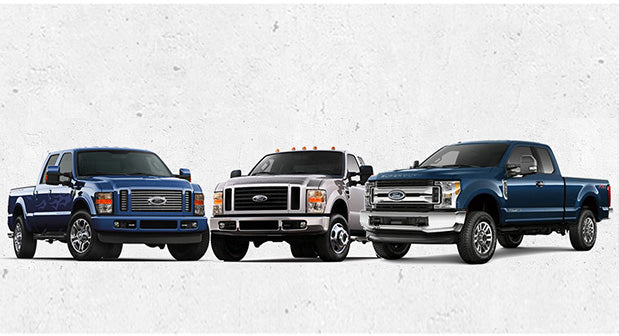
Ford’s 2026 Powerstroke brings V8 refinement to the diesel truck segment. It pairs strong horsepower with advanced emissions tech for cleaner running. Drivers often praise its quiet cabin and responsive throttle feel.
The V8 layout allows for compact packaging in modern engine bays. Powerstroke engines use sophisticated turbocharging to reduce lag and improve speed. These features appeal to buyers who want daily comfort plus weekend towing skill.
- Cylinder Configuration: V8 design balances power density with smooth use.
- Turbo Technology: Twin-scroll or variable vane turbos improve low-end response.
- Injection Pressure: Modern common rail systems optimize fuel atomization.
- Emissions Controls: Diesel particulate fluid and catalysts meet strict regulations.
- Transmission Pairing: Heavy-duty automatics handle high torque loads smoothly.
Powerstroke owners enjoy a blend of modern comfort and proven diesel strength.
Picture a contractor hauling a bobcat to a job site. The Powerstroke V8 revs freely and builds speed fast. The compact block fits under a low hood. That leaves room for other gear in the engine bay.
Think of a family towing a fifth-wheel camper through the Rockies. The twin-scroll turbo spools up quickly on grades. The transmission holds gears well. The cabin stays quiet at 70 miles per hour.
High injection pressure creates a fine fuel mist. This burns cleaner and makes more power per drop. The result is strong acceleration even with a heavy load behind you.
Emissions gear includes a diesel particulate filter. It traps soot and burns it off during highway drives. City drivers may see more regen cycles. This is a normal part of modern diesel life.
The six-speed or ten-speed auto matches the torque curve. Shifts are smooth and firm. You feel confident when pulling out from a stop with a loaded trailer.
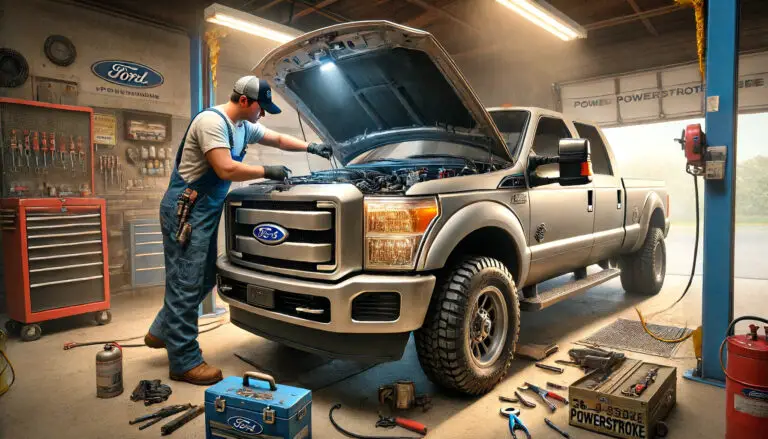
Service access is tighter than on a Cummins. The V8 packs parts close together. Labor hours can be higher for some repairs. Ford dealers have the tools and training for the work.
Towing Capacity and Payload Showdown
Towing is the main reason most buyers choose a heavy-duty diesel truck. The 2026 Cummins Vs Powerstroke comparison shines here. This happens because both brands rate their trucks for serious weight. Real-world power often differs from paper ratings.
Cummins trucks usually excel at sustained towing in hot climates thanks to robust cooling. Powerstroke trucks often lead in maximum tow ratings on paper. Your specific trailer weight and terrain should guide your final choice.
- Maximum Tow Rating: Check GCWR numbers for your exact truck setup.
- Payload Capacity: Account for passengers, cargo, and trailer tongue weight.
- Trailer Brake Control: Integrated controllers help manage heavy loads safely.
- Hitch Options: Fifth-wheel and gooseneck setups increase towing limits.
- Cooling Under Load: Transmission and engine coolers prevent overheating on grades.
Match your truck’s ratings to your heaviest expected load for safe use.
Step one: weigh your loaded trailer. Use a scale at a truck stop or gravel pit. Write down the gross weight and tongue weight.
Step two: check your truck’s GCWR. This number is on the door sticker or in the manual. It covers truck, trailer, people, and gear combined.
Step three: subtract your truck’s curb weight. The result is your available payload. Do not exceed it.
Step four: pick the right hitch. A fifth-wheel hitch sits over the rear axle. It spreads weight better than a bumper pull. Use it for heavy campers or horse trailers.
Step five: test the brake controller. Set it for your trailer weight. Test stops in a safe lot before hitting the road.
Real-world example: a 35,000-pound fifth-wheel needs a one-ton dually. A Cummins 3500 handles it with steady cooling. A Powerstroke F-350 also handles it with high tow ratings. Both work, but check your exact build.
Hot weather matters. Long grades in Arizona heat up the transmission. Auxiliary coolers help both brands. Cummins often runs cooler under sustained loads. Powerstroke cools well too with proper options.
Payload includes people and gear. Four adults and a toolbox add 1,000 pounds. Subtract that from your payload before you hook up. Overloading breaks springs and wears tires fast.
Fuel Economy and Operating Costs
Diesel fuel costs add up quickly for high-mileage drivers. The 2026 Cummins Vs Powerstroke debate includes real-world MPG figures that vary by load and driving style. Empty highway driving returns better numbers than city stop-and-go work.
Upkeep costs also factor into total ownership expense. Oil changes, filters, and diesel exhaust fluid represent ongoing costs. Some owners perform their own service to save money over the years.
- Highway MPG: Expect better economy on long, flat interstate trips.
- City MPG: Stop-and-go traffic lowers fuel speed greatly.
- Diesel Exhaust Fluid: Regular refills are required for emissions compliance.
- Oil Change Intervals: Synthetic oils can extend service periods safely.
- Parts Pricing: Common wear items vary in cost between brands.
Track your fuel receipts to understand your true cost per mile.
Keep a logbook in the glove box. Write down gallons, miles, and load each fill-up. Divide miles by gallons for your MPG. Do this for 90 days to see real trends.
Empty highway driving can return 20 to 25 MPG. Heavy towing drops that to 10 to 14 MPG. City work with stops may fall to 8 to 12 MPG. Know your typical route.
Diesel exhaust fluid costs about $2 to $3 per gallon. A tank lasts 5,000 to 10,000 miles. Add this to your fuel budget. Running out can limit engine power. For complementary picks and expert testing advice, see our guide on 6.7 Powerstroke Vs 6.7 Cummins Specs: Ultimate Comparison Guide.
Oil changes cost $150 to $250 at a shop. Doing it yourself cuts that in half. Use the right diesel oil spec. Wrong oil can harm emissions parts.
Fuel filters cost $40 to $80. Change them every 15,000 to 30,000 miles. Dirty fuel kills injectors fast. This is cheap insurance for a $10,000 part.
Parts pricing varies. Cummins parts are common at independent shops. Powerstroke parts flow through Ford dealers. Both have online sources. Shop around for big jobs.
Tires cost more on heavy trucks. A set of ten-ply tires runs $1,200 to $2,000. Rotate them every 6,000 miles. Alignment keeps wear even.
Maintenance Requirements and Longevity
Regular upkeep determines how long your diesel engine will serve you. Both Cummins and Powerstroke engines can last 300,000 miles or more with proper care. Skipping service intervals leads to expensive repairs down the road.
Cummins engines often feature simpler access for routine checks and repairs. Powerstroke engines pack more parts into tighter spaces, which can raise labor costs. Knowing your engine’s service needs helps you budget for ownership.
- Oil and Filter: Change at maker intervals using approved diesel oil.
- Fuel Filters: Replace regularly to protect injectors from contamination.
- Coolant System: Flush and refill to prevent corrosion and overheating.
- Turbo Inspection: Check for shaft play and oil leaks periodically.
- Battery Health: Diesel engines need strong batteries for cold starts.
A steady upkeep schedule protects your investment for years.
Step one: check oil every fill-up. Pull the dipstick when the engine is warm. Add oil if it is low. Never overfill.
Step two: drain oil at the set interval. Use a drain pan and new filter. Torque the plug to spec. Fill with approved diesel oil.
Step three: swap fuel filters. Prime the system after the change. Bleed air if the manual says to.
Step four: test coolant with a strip. Check freeze point and pH. Flush if the buffer is low.
Step five: inspect the turbo. Listen for whine or shaft play. Check oil lines for leaks.
Step six: test batteries before winter. Clean terminals and check voltage. Replace weak cells early.
Cummins inline-six layout makes access easy. You can reach filters from the side. This cuts labor time for DIY owners.
Powerstroke V8 layout is tight. Some parts sit under the intake manifold. A shop lift helps. Expect higher labor bills for deep work.
Coolant lasts 100,000 miles on many models. Check it at every oil change anyway. Corrosion eats radiators from the inside out.
Turbochargers spin at 100,000 RPM. Let the engine idle for 30 seconds before shutdown. This cools the bearings and extends turbo life.
Batteries need high cold cranking amps. Diesel engines need more amps to turn over. Buy a quality battery with a good warranty.
Resale Value and Market Demand
Truck resale values depend on brand reputation, condition, and mileage. The 2026 Cummins Vs Powerstroke rivalry influences what buyers will pay for used models. Well-maintained examples command premium prices in both camps.
[
[EZ_UI_BLOCK_3]
]
Cummins trucks often hold value due to their reputation for endless strength. Powerstroke models benefit from Ford’s large dealer network and parts availability. Regional preferences can also sway local market prices greatly.
- Brand Loyalty: Dedicated buyer bases support strong used prices.
- Mileage Impact: Lower mileage trucks retain more original value.
- Service Records: Documented upkeep history increases buyer confidence.
- Modifications: Aftermarket parts can help or hurt resale depending on quality.
- Regional Demand: Farm and build areas favor certain brands more.
Research local listings before you list your truck for sale.
Step one: pull your service records. Gather every receipt and invoice. Buyers pay more for proof of care.
Step two: wash and detail the truck. Clean engine bays sell faster. Fix small dents and scratches first.
Step three: check local listings. Search for your exact year, make, and model. Note the asking prices and days on lot.
Step four: price slightly below market. A fair price brings quick offers. Overpriced trucks sit and stale.
Step five: meet buyers in safe public spots. Bring a friend. Accept cash or certified funds only.
Cummins trucks sell well in farm country. Buyers want simple, tough engines. They pay extra for low-mileage examples. For complementary picks and expert testing advice, see our guide on 7.3 Powerstroke Vs 6.7 Cummins: Ultimate Diesel Showdown.
Powerstroke trucks sell well near cities. Ford dealers offer financing and warranty options. This draws first-time diesel buyers.
Changes can cut value. A lifted truck with big tires scares some buyers. Keep it stock or save your parts.
Mileage matters most. A truck with 80,000 miles brings more than one with 180,000. Highway miles are easier on the engine than city miles.
| Stage / Task | Key Action to Take | Recommended Frequency | Priority |
|---|---|---|---|
| Initial Setup & Prep | Clear workspace, inspect parts, and check baseline settings | Before Each Session | Easy |
| Surface & Filter Care | Wipe exterior surfaces and rinse or tap out dust traps | Weekly | Easy |
| Deep Part Inspection | Check seals, moving joints, and air paths for wear | Monthly | Moderate |
| Full Consumable Check | Replace worn belts, filters, or seals to keep peak power | Every 6 Months | High |
Cold Weather Starting and Winter Prep
Winter puts diesel engines to the test. Cold oil is thick and hard to pump. Fuel can gel in the tank. Both Cummins and Powerstroke need proper cold weather care to start on freezing mornings.
Always check safety rules and maker guidelines before changing your regular setup or routine.
- Block Heaters: Block heaters are your best friend.
- Plug the Truck: Plug the truck in overnight when temps drop below 20 degrees.
- This Keeps: This keeps the coolant and oil warm.
- Engine Cranks Faster: The engine cranks faster and starts easier.
Use winter-blend diesel fuel. It has additives that stop gelling. Add an anti-gel treatment if you drive in extreme cold. Keep the tank full to reduce condensation.
Check your batteries before the first frost. Cold cranking amps drop as temps fall. Weak batteries fail on the coldest morning of the year.
Let the engine idle for two to three minutes after a cold start. This warms the oil and turbo. Do not rev the engine until the temp gauge moves.
Cummins inline-six blocks hold heat well. They start reliably in cold climates. Powerstroke V8 engines also start strong with good batteries and a block heater.
Store the truck in a garage if you can. Even an unheated garage blocks wind and holds some heat. This makes a big difference on zero-degree mornings.
Gather required tools and clear your work area before starting.
Confirm baseline specs and maker guidelines first.
Complete each stage in order without skipping safety checks.
Run a quick test pass and wipe down key parts after use.
Final Thoughts and Next Steps
The 2026 Cummins Vs Powerstroke choice comes down to your specific needs and preferences. Both engines offer proven strength and serious towing skill for hard work. Take time to test drive both options before signing any paperwork.
Consider your typical loads, daily driving distance, and local service options. Calculate your expected fuel and upkeep costs over five years of ownership. This math will reveal which engine fits your budget best.
Visit local dealerships, talk to current owners, and review independent trust data. Your perfect diesel truck waits for an informed decision. Make the choice that serves your work and your wallet.
Frequently Asked Questions
Which Engine Offers Better Fuel Economy in the 2026 Cummins vs Powerstroke Matchup?
Real-world fuel economy depends heavily on your load and driving conditions. Empty highway driving favors both engines similarly, while heavy towing reduces MPG for both. Track your own fuel use to find your true numbers.
How Long Do These Diesel Engines Typically Last?
Both Cummins and Powerstroke engines regularly exceed 300,000 miles with proper upkeep. Regular oil changes and filter spares play the biggest role in lifespan. Neglecting service shortens engine life dramatically.
Are Parts Easy to Find for Both Brands?
Cummins parts are widely available through independent shops and dealers nationwide. Powerstroke benefits from Ford’s extensive dealer network and common parts sharing. Rural areas may have better access to one brand depending on local dealers.
Which Truck Holds Its Value Better After Five Years?
Resale value varies by region, condition, and documented service history. Cummins trucks often benefit from strong diesel strength reputations. Powerstroke models leverage Ford’s broad buyer base and dealer support network.
Can I Tow a Fifth-Wheel Trailer with Either Engine?
Yes, both platforms offer heavy-duty trucks rated for fifth-wheel and gooseneck towing. Check your specific truck’s GCWR and payload ratings before coupling a heavy trailer. Proper hitch installation is key for safety.
What Is the Biggest Difference Between Cummins and Powerstroke?
The main difference lies in engine architecture with Cummins using inline-six and Powerstroke using V8 designs. This affects packaging, service access, and power delivery characteristics. Your driving preferences should guide the final selection.