
Top Tools for Replacing 7.3 Powerstroke Injectors: Quick and Easy Installations
Few things frustrate a diesel owner more than a truck that refuses to start on a cold morning. Faulty injectors on a 7.3 Powerstroke can leave you stranded. Cost a fortune at the shop. Learning the right way to handle this repair puts you back in control of your vehicle. Always follow official safety and maintenance guidelines for best results.
The right Tools for Replacing 7 injector jobs make the difference between a weekend project and a month of downtime. This guide walks you through the key gear, safety steps. Installation tricks you need for a fast, steady fix.
📌 AT A GLANCE
- ✓Core Concept: Quality injectors and proper seals prevent fuel leaks and engine damage.
- ✓Essential Step: Always disconnect batteries before working on high-pressure fuel systems.
- ✓Safety Rule: Wear eye protection and gloves to guard against diesel spray and debris.
- ✓Efficiency Tip: Label every fuel line and electrical connector before removal to speed up reassembly.
Why the Right Tools for Replacing 7 Injectors Matter
Replacing injectors on a 7.3 Powerstroke is not a job for guesswork. These engines run high oil pressure and precise fuel delivery. So using improper tools can crack housings or strip threads. A well-prepared workspace saves hours of frustration.
Gather required tools and clear your work area before starting. For our complete category overview. Core buyer criteria, explore our cornerstone guide to Upgrading 6.0 Powerstroke Engine Components for Performance: Boost Power and Efficiency.
Confirm baseline specs and maker guidelines first.
Complete each stage in order without skipping safety checks.
Run a quick test pass and wipe down key parts after use.
When you gather the correct equipment before you start, you avoid mid-job trips to the auto parts store. This preparation also protects your investment in new injectors. Keeps the engine running smooth for years.
- Socket Set: A complete metric. SAE socket set removes intake bolts and fuel rail hardware quickly.
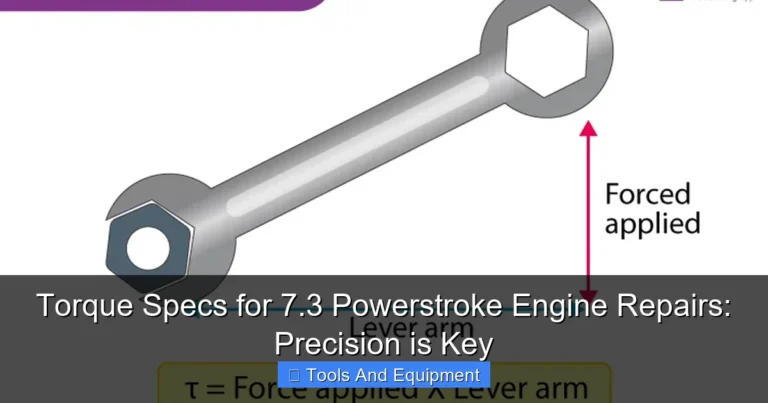
- Torque Wrench: A calibrated torque wrench ensures every bolt meets factory specs without over-tightening.
- Fuel Line Disconnect Tool: This specialty tool releases stubborn fuel fittings without damaging the lines.
- Injector Puller: A dedicated puller extracts stuck injectors safely without harming the cylinder head.
- Shop Light: Bright LED lighting illuminates deep engine valleys so you can see every connection clearly.
Starting with the right gear builds confidence. Prevents costly mistakes before the first bolt turns.
Essential Hand Tools for Replacing 7 Injector Sets
Your hand tool collection forms the backbone of any injector spare job. Wrenches, ratchets, and extensions let you reach deep into the engine bay where space is tight. Choosing durable, chrome-vanadium steel tools prevents rounding off bolts under pressure.
Soak stubborn injector hold-down bolts with penetrating oil the night before you start. This extra step often prevents broken bolts and saves hours of drilling.
Keep your tools organized on a rolling cart so nothing gets lost during the repair. A clean workspace also reduces the chance of dirt falling into open fuel lines or injector bores.
- Combination Wrenches: Open and box-end wrenches handle stubborn fuel line nuts in confined spaces.
- Ratcheting Extensions: Long extensions reach injector hold-down bolts buried under the intake manifold.
- Pliers Set: Needle-nose and slip-joint pliers grip small clips and electrical connectors securely.
- Screwdrivers: Flat-head and Phillips drivers remove sensor brackets and wiring loom fasteners.
- Magnetic Pickup Tool: This tool retrieves dropped bolts or washers from deep inside the engine valley.
Investing in quality hand tools pays off every time you work on your Powerstroke.
Specialty Diesel Tools for Replacing 7 Injector Jobs
Some tasks require tools made mainly for diesel fuel systems. Injector pullers, compression testers, and fuel pressure gauges help you diagnose and remove parts safely. Without these, you risk damaging the cylinder head or leaving a leak behind.
Many of these specialty items can be rented from local auto parts stores if you do not want to buy them outright. Renting is a smart choice for one-time repairs, while buying makes sense for regular upkeep.
- Injector Puller Kit: This kit threads into the injector. Pulls it straight out without tilting or binding.
- Fuel Pressure Tester: A gauge verifies low-side pressure before and after the injector swap.
- Compression Tester: Checking compression confirms the cylinder head and rings are in good shape.
- Borescope Camera: A small camera inspects injector bores for carbon buildup or damage.
- Diesel Fuel Additive: Adding lubricity to the new fuel protects fresh injectors during startup.
Specialty gear turns a difficult job into a manageable weekend task.
Step-By-Step Guide to Replacing 7 Injectors
Follow a clear sequence to avoid mixing up parts or losing small hardware. First, disconnect both batteries and relieve fuel pressure before touching any lines. Then remove the valve covers and intake manifold to access the injector hold-down bolts.
Next, disconnect electrical connectors and fuel lines, then use the injector puller to remove each unit. Clean the bores thoroughly, install new copper seals, and torque everything to spec before reassembly.
- Disconnect Power: Remove battery terminals to prevent accidental engine cranking during work.
- Relieve Fuel Pressure: Loosen the fuel filter cap and wait for pressure to drop safely.
- Remove Intake: Take off the valve covers and intake manifold to expose the injectors.
- Pull Injectors: Use the injector puller to extract each injector straight from its bore.
- Install New Seals: Fit fresh copper washers and O-rings on every spare injector.
- Torque and Reassemble: Tighten hold-down bolts to spec, then reinstall all lines and covers.
Taking your time through each step ensures a leak-free installation and steady cold starts.
Safety Gear for Replacing 7 Injector Repairs
Diesel fuel and engine debris can cause serious injuries if you are not protected. Eye protection shields you from spray when fuel lines disconnect unexpectedly. Gloves keep your hands clean and protect against cuts from sharp metal edges.
Good ventilation is also critical because diesel fumes can build up in a closed garage. A fire extinguisher nearby adds another layer of safety when working with flammable fluids.
- Safety Glasses: Impact-rated glasses protect eyes from fuel spray and metal shavings.
- Nitrile Gloves: Chemical-resistant gloves keep diesel and solvents off your skin.
- Shop Towels: Absorbent rags catch drips and wipe down surfaces before reassembly.
- Fire Extinguisher: A Class B extinguisher handles fuel fires quickly in the workshop.
- Knee Pads: Padded kneelers protect your joints while working on the fender or engine bay.
Safety gear is cheap insurance against a trip to the emergency room. For complementary picks and expert testing advice, see our guide on Engine Lift Tools for 7.3 Powerstroke Engine Swaps: Easy Engine Removal.
Diagnostic Tools for Replacing 7 Injector Issues
Before you replace parts, confirm which injectors are actually failing. A scan tool reads trouble codes and monitors injector contribution to identify weak cylinders. This prevents you from replacing good injectors and wasting money.
A multimeter also checks injector solenoid resistance and wiring continuity. Electrical faults often mimic mechanical failure, so testing circuits first is a smart diagnostic step.
- OBDII Scanner: A diesel-capable scanner reads injector codes and live data from the PCM.
- Multimeter: This tool tests injector coil resistance and checks for open or shorted wires.
- Noid Light: A noid light verifies that the PCM is sending pulse signals to each injector.
- Circuit Tester: A simple test light checks for power and ground at injector connectors.
- Service Manual: A factory manual provides torque specs, wiring diagrams, and test procedures.
Good diagnostics save you from replacing parts that do not need spare.
Maintenance Tips After Replacing 7 Injectors
New injectors need clean fuel and regular care to reach their full lifespan. Change your fuel filters on schedule and use quality diesel to prevent contamination. Letting the engine warm up before hard driving also protects fresh parts.
Monitor for rough idle, white smoke, or hard starts after the install. These symptoms can signal a bad seal or an injector that is not seated correctly.
- Fuel Filter Changes: Replace filters every 15,000 miles to keep debris away from new injectors.
- Quality Diesel: Buy fuel from busy stations with high turnover to avoid water and sediment.
- Warm-Up Time: Let the engine idle for a few minutes before driving in cold weather.
- Leak Checks: Inspect fuel lines and injector seals for drips after the first few drives.
- Oil Changes: Fresh oil keeps the high-pressure oil system that drives injectors working well.
Steady upkeep extends the life of your new injectors and your engine.
Comparison Table: Top Tools for Replacing 7 Injector Jobs
| Tool Category | Example Item | Estimated Cost | Why You Need It |
|---|---|---|---|
| Hand Tools | Socket and wrench set | $50 – $150 | Removes bolts and fasteners |
| Specialty Tools | Injector puller kit | $40 – $100 | Extracts stuck injectors safely |
| Diagnostic Tools | OBDII diesel scanner | $80 – $300 | Identifies failing injectors |
| Safety Gear | Glasses and gloves | $20 – $40 | Protects you from fuel and debris |
| Maintenance | Fuel filters and additive | $30 – $60 | Protects new injectors after install |
Use this table to budget your repair and focus on the most key purchases first.
Best Practices for Replacing 7 Injector Installations
Following proven best practices helps you finish the job faster and with fewer problems. Always label wires and hoses before you disconnect them so reassembly goes smoothly. Torque every bolt to factory specs rather than guessing by feel.
Never reuse old copper injector seals. Always install new seals to prevent fuel leaks and compression loss.
Keep your workspace clean and cover open injector bores with clean rags to keep dirt out. These small habits prevent comebacks and expensive do-overs.
- Label Everything: Use tape and marker to tag fuel lines and electrical connectors.
- Use New Seals: Never reuse old copper washers or O-rings on injectors.
- Torque to Spec: Follow factory torque values for hold-down and fuel line nuts.
- Cover Open Holes: Stuff clean rags into injector bores when parts are removed.
- Double Check Connections: Check every plug and line is seated before cranking the engine.
Discipline during installation leads to a truck that starts right and runs strong. For complementary picks and expert testing advice, see our guide on Best Tools for Diagnosing 6.0 Powerstroke ICP Sensor Issues: Accurate Diagnostics.
Frequently Asked Questions
What Are the Best Tools for Replacing 7 Injectors on a 7.3 Powerstroke?
The best tools include a quality socket set, torque wrench, injector puller, fuel line disconnect tool. A diesel-capable scan tool. These cover removal, installation, and diagnosis for most injector jobs.
Can I Replace Injectors Without Removing the Intake Manifold?
On most 7.3 Powerstroke trucks, you must remove the valve covers. Intake manifold to reach the injector hold-down bolts. Trying to work around them usually leads to broken parts.
How Do I Know Which Injector Is Bad?
Use a scan tool to check injector contribution and cylinder balance rates. A multimeter can also test injector solenoid resistance to find electrical faults.
Should I Replace All Eight Injectors at Once?
If one injector has failed. The others have high mileage, replacing the whole set is often wise. This prevents another failure soon and keeps engine power balanced.
How Long Does It Take to Replace Injectors?
A experienced mechanic can finish the job in four to eight hours. A first-time DIYer should plan for a full weekend to work carefully and avoid rushing.
What Happens If I Reuse Old Copper Injector Seals?
Old seals can leak fuel or compression, causing hard starts, rough idle, and possible engine damage. Always install new seals with every injector.
Final Thoughts and Next Steps
Replacing injectors on a 7.3 Powerstroke is a big job. But the right tools make it manageable. Gather your hand tools, specialty pullers. Safety gear before you begin so you do not get stuck halfway through.
Follow each step carefully, use new seals, and torque everything to factory specs. Your truck will reward you with strong starts, smooth idle. Steady power for many miles to come.
Order your parts, clear your weekend, and get started on the repair. You will save money and gain the satisfaction of fixing your own diesel.