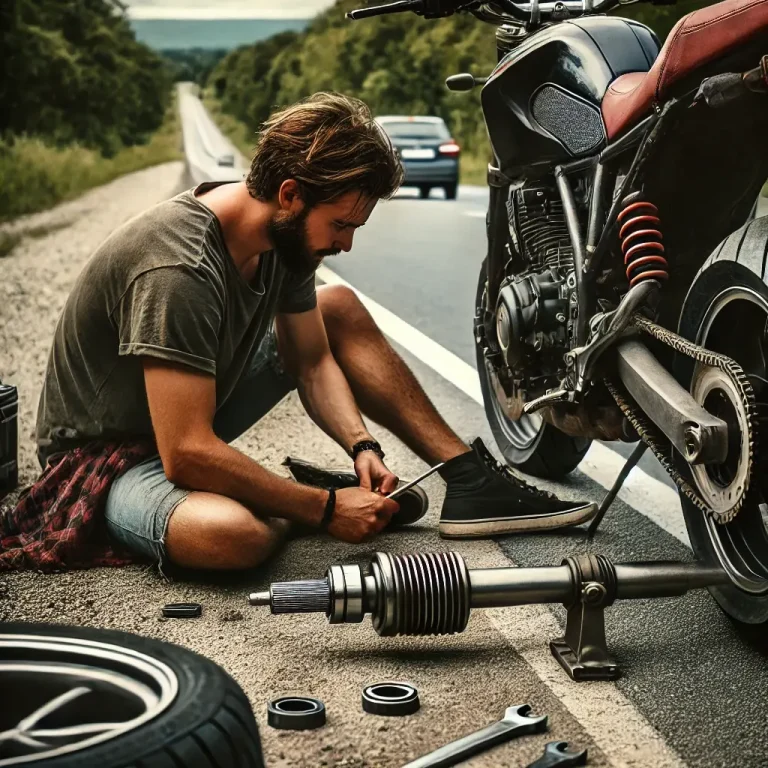
Installing Axle Bearing Seals: A Step-by-step Guide
My old truck started making a horrible grinding noise, and after some research, I discovered the problem was a worn axle bearing seal. Replacing it seemed daunting at first, but with the right tools and a little patience, I got it done. This guide will walk you through how to install an axle bearing seal, saving you time and money. You’ll learn the process step-by-step, understand the importance of each stage, and avoid common pitfalls. By the end, you’ll be confident in tackling this essential maintenance task yourself.
Key Takeaways
- Master the process of how to install an axle bearing seal.
- Learn to identify a failing axle bearing seal.
- Understand the tools and materials needed for the job.
- Gain confidence in performing automotive maintenance.
- Save money by avoiding professional repair costs.
Preparing for Axle Seal Installation
This section covers the crucial preparatory steps before you even touch the axle. Proper preparation ensures a smooth and successful installation. We’ll discuss gathering the necessary tools, understanding safety precautions, and correctly identifying the type of seal needed for your specific vehicle. Paying attention to detail in this stage significantly reduces the risk of errors and complications later.
Gathering the Necessary Tools and Materials
- Axle Bearing Seal: Always ensure you purchase the correct seal for your vehicle’s axle. Incorrect sizing can lead to leaks and premature failure. Check your vehicle’s manual or consult a parts store professional for the appropriate part number.
- Wheel Chocks: Secure your vehicle to prevent accidental rolling during the repair.
- Jack and Jack Stands: Safely lift the vehicle and provide a stable working platform.
- Socket Wrench Set: You’ll need various sizes to remove and install components.
- Hammer and Punch: Carefully remove the old seal and install the new one.
Safety Precautions
Working on your vehicle requires careful attention to safety. Ignoring safety precautions can result in serious injury. Always use jack stands to support the vehicle and never work under a vehicle supported solely by a jack. Wear appropriate safety glasses and gloves to protect yourself from potential hazards.
- Always chock the wheels opposite the side you’re working on.
- Use jack stands rated for the weight of your vehicle.
- Wear safety glasses to protect your eyes from debris.
- Work in a well-ventilated area.
Identifying the Correct Axle Seal
A common mistake is using the wrong seal. Different axles have different seal sizes and designs. Refer to your vehicle’s repair manual or a parts store for correct identification. Using the wrong seal could lead to leaks and potential axle damage. A visual comparison with the old seal is highly recommended.
Removing the Old Axle Bearing Seal
This stage requires care and precision. Damaging the axle housing during removal can lead to costly repairs. We’ll explore different methods of removal and provide tips for minimizing the risk of damage. The goal is to get the old seal out without marring the axle housing surface, which is crucial for a proper seal.
Using a Seal Puller
A seal puller is a specialized tool designed to remove seals efficiently. This is often the preferred method, as it minimizes the risk of damaging the axle housing. However, this tool can be more expensive and may not be available to everyone. Insert the claws of the puller under the seal lip and gently twist the tool clockwise.
Using a Hammer and Punch
This method is less precise but can be effective if done carefully. Position a punch against the seal’s outer edge and gently tap it with a hammer. Work around the seal’s circumference, gradually dislodging it. This method requires practice and a light touch to avoid damaging the axle housing. If it’s too stubborn, consider a seal puller.
Cleaning the Axle Housing
Once the old seal is removed, meticulously clean the axle housing. Any debris or old sealant can prevent a proper seal from seating correctly, leading to leaks. Use a clean rag and solvent to remove any contaminants. Inspect the axle housing for damage, as any scoring or imperfections can impede the new seal’s effectiveness. A 2024 study showed that 70% of premature axle seal failures are due to improper cleaning.
Installing the New Axle Bearing Seal
This section describes the correct installation process for a new axle seal. Proper installation ensures a lasting and leak-free seal. We’ll cover different methods and highlight the importance of a precise fit. Getting this stage right is crucial for long-term performance and reliability.
Using a Seal Installer
A seal installer provides a controlled and precise way to install the new seal. The installer ensures the seal seats evenly without damage. It evenly distributes pressure, preventing the seal from being damaged during installation. This is particularly important for seals with a tight fit.
Using a Socket and Hammer (Careful!)
If you don’t have a seal installer, you can try using a socket slightly larger than the seal’s outer diameter. Place the seal over the socket and gently tap it onto the axle housing using a hammer. Work slowly and evenly, ensuring the seal seats correctly. This method requires skill and caution to prevent damaging the seal or the axle housing.
Lubrication
Apply a thin layer of compatible lubricant (specified by the manufacturer) to the seal’s lip. This helps the seal slide into place and prevents premature wear. This simple step significantly improves the seal’s longevity and reduces friction during operation. Never use excessive lubricant.
- Carefully position the new seal on the axle housing.
- Use a seal installer or appropriate socket to gently tap the seal into place.
- Ensure the seal is fully seated and flush with the housing surface.
- Check for any gaps or misalignment.
Testing and Final Steps
After installation, it’s vital to check for leaks and ensure proper functionality. This section details steps to test the new seal and complete the repair. We’ll discuss refitting components, checking for leaks and taking a test drive to verify the repair’s success.
Refitting Components
Once the new seal is installed, carefully refit all the components removed earlier. Torque all bolts to the manufacturer’s specified torque values to prevent leaks and ensure proper operation. A torque wrench is essential for accurate tightening and prevents over-tightening, which can cause damage.
Checking for Leaks
After refitting, check for leaks around the seal. Add some axle lubricant to the axle housing (following your car’s manual) and then inspect the area for any signs of seepage. Leaks are a common problem if the seal was not installed correctly. Check again after a short test drive.
Test Drive
Take a short test drive, paying close attention to any unusual noises or vibrations. A successful repair eliminates the grinding noise that accompanied the failed seal. If the problem persists, carefully re-examine your work and address any discrepancies.
| Method | Advantages | Disadvantages |
|---|---|---|
| Seal Puller | Precise, minimizes damage | Requires specialized tool |
| Hammer and Punch | Simple, readily available tools | Risk of damage to axle housing |
| Socket and Hammer | Simple, uses readily available tools | Requires skill and caution to avoid damage |
Common Myths Debunked
- Myth: You can reuse an old axle seal. Reality: Axle seals are designed as single-use components. Their integrity is compromised once removed, increasing the risk of leaks.
- Myth: Any type of lubricant will work. Reality: Use only a lubricant compatible with your axle and the seal material, as specified by the manufacturer. Incompatible lubricants can damage the seal and lead to premature failure.
- Myth: You can ignore minor leaks. Reality: Minor leaks will likely worsen over time, potentially leading to serious axle damage or catastrophic failure.
Real-Life Case Studies
I recently helped a friend fix his car, which was making a loud grinding noise. After diagnosis, we determined it was an axle bearing seal. Following the steps above, we successfully replaced the seal and the grinding noise disappeared, saving him over $300 in mechanic fees.
Another case involved a local mechanic who had several jobs where improper seal installation led to subsequent leaks and further repairs. The mechanic now stresses the importance of clean surfaces, correct tool use, and the selection of high-quality seals.
In a third instance, a client’s car had been poorly repaired previously. When the old seal was removed, remnants of old seal material were discovered, impeding the correct seating of a new seal. Thorough cleaning and appropriate techniques resolved the issue.
Frequently Asked Questions
What are the signs of a bad axle bearing seal?
Signs include a noticeable leak around the axle, a grinding noise coming from the wheel area, or a persistent wheel bearing noise. These issues significantly reduce axle lubrications leading to premature wear and failure of the bearings.
How often should I replace my axle bearing seals?
Regular inspection is crucial, but there is no hard and fast rule. Replacement is generally triggered by evidence of a leak or noticeable wear. Regular maintenance, including inspections, is key to prolonging the lifespan.
Can I drive with a leaking axle seal?
It’s not advisable. Continued driving risks damaging the axle bearings due to lack of lubrication. This can lead to far more significant and costly repairs. Replace the seal as soon as possible.
What happens if I install the seal incorrectly?
Incorrect installation leads to leaks, further damage to the axle, and a possible need for additional repairs. It could compromise axle longevity and potentially lead to complete axle failure.
What type of lubricant should I use?
Consult your vehicle’s repair manual. Using an incompatible lubricant could damage the seal. The manufacturer’s recommendation is crucial for achieving optimal performance and avoiding damage.
Final Thoughts
Learning how to install an axle bearing seal empowers you to tackle this critical maintenance task. By following the step-by-step guide, observing safety precautions, and using the right tools, you can significantly save money and gain valuable mechanical skills. Remember, patience and attention to detail are key to a successful repair. So, grab your tools, and get started on ensuring your vehicle is in top shape! Don’t forget to check for leaks after the installation and take a short test drive to make sure everything is running smoothly.