How to Troubleshoot 6.0 Powerstroke Overdrive Flashing Light: Common Causes
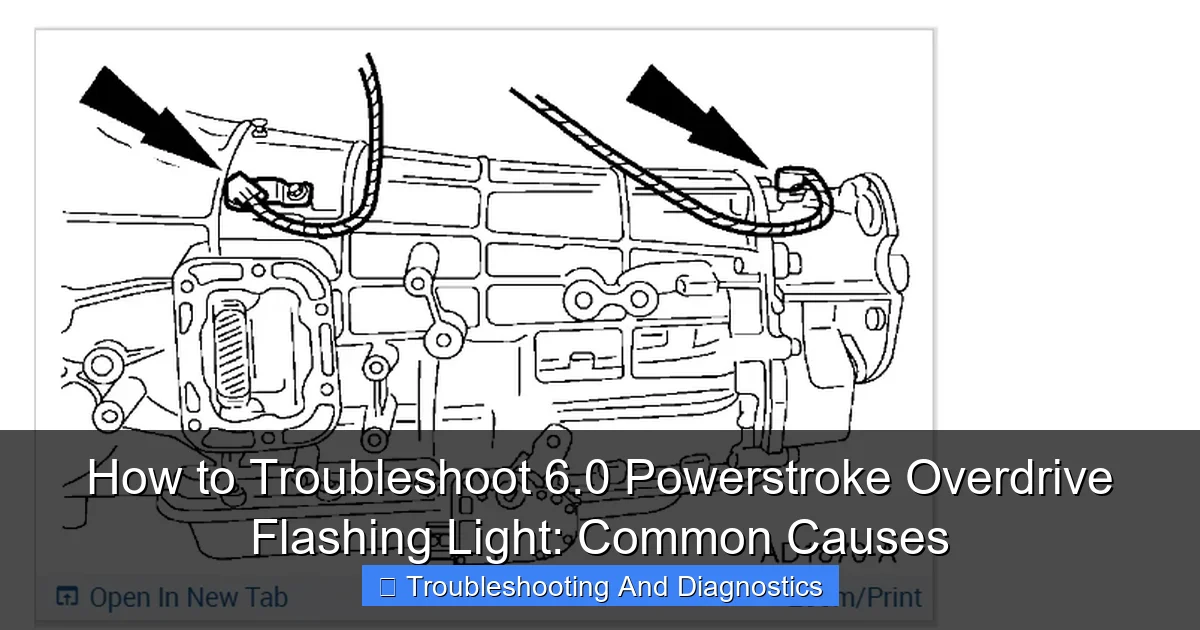
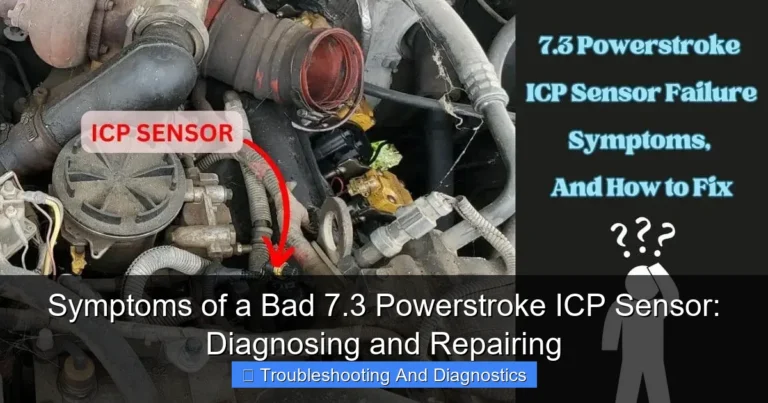
Featured image for this comprehensive guide about How to troubleshoot 6.0 Powerstroke overdrive flashing light
Image source: 2carpros.com
The sudden sight of your 6.0 Powerstroke overdrive flashing light can send a shiver down any truck owner’s spine. It’s more than just an annoying blink; it’s your truck’s sophisticated computer system screaming for attention, signaling that something is amiss within the vital transmission. For many 6.0 Powerstroke owners, this flashing light often accompanies a noticeable change in driving dynamics – perhaps a refusal to shift, a rough engagement, or a general feeling of power loss. This isn’t a problem to ignore; it’s a critical indicator that demands immediate investigation to prevent minor issues from escalating into catastrophic and costly transmission failure.
The 6.0 Powerstroke, while celebrated for its robust power and torque, particularly when paired with the sturdy 5R110W TorqShift transmission, isn’t immune to its quirks. When that overdrive flashing light begins to pulse, it typically means your truck has entered “limp mode,” a self-preservation strategy designed to limit power and prevent further damage. Understanding the root causes of this warning is the first step toward a successful diagnosis and repair. Whether it’s a simple electrical glitch, a fluid issue, or a more serious internal component problem, a systematic approach is key. In this comprehensive guide, we’ll dive deep into the common culprits behind the 6.0 Powerstroke overdrive flashing light, offering actionable insights and troubleshooting steps to get your truck shifting smoothly and reliably once again.
Quick Answers to Common Questions
What does a flashing overdrive light on my 6.0 Powerstroke usually indicate?
A flashing “Overdrive Off” light (O/D OFF) on your 6.0 Powerstroke almost always signals a detected transmission fault. It’s the truck’s way of telling you to pay attention to your transmission’s health.
Is it safe to keep driving my 6.0 Powerstroke with the overdrive flashing light?
No, it’s generally not recommended to continue driving your 6.0 Powerstroke with a flashing overdrive light for an extended period. This light often indicates a problem that could worsen and lead to more severe (and expensive!) transmission damage.
What are the most common culprits behind a 6.0 Powerstroke overdrive flashing light?
Often, a flashing overdrive light points to issues like a faulty transmission range sensor (TRS), wiring problems, or low/dirty transmission fluid. Sometimes, it can even be a symptom of a solenoid issue or internal transmission trouble.
Can I check anything myself before taking my 6.0 Powerstroke in for service?
Absolutely! Your first step should be checking your transmission fluid level and condition; low or burnt fluid is a common cause. Also, try to get the diagnostic trouble codes (DTCs) scanned, as this will pinpoint the specific issue behind your 6.0 Powerstroke overdrive flashing light.
What’s the very first step I should take when I see the 6.0 Powerstroke overdrive flashing light?
The most crucial first step when your 6.0 Powerstroke overdrive flashing light appears is to get the vehicle scanned for diagnostic trouble codes (DTCs) using an OBD-II scanner. These codes will provide invaluable insight into what’s going wrong.
📋 Table of Contents
- Understanding the 6.0 Powerstroke Transmission and the Flashing Overdrive Light
- Initial Diagnostic Steps: What to Check First
- Common Mechanical and Hydraulic Culprits Behind the Flashing Light
- Electrical and Electronic System Failures
- Preventative Maintenance and Best Practices for 6.0 Powerstroke Transmission Longevity
- Conclusion
Understanding the 6.0 Powerstroke Transmission and the Flashing Overdrive Light
Before we delve into specific troubleshooting, it’s crucial to appreciate the transmission at the heart of your 6.0 Powerstroke: the Ford 5R110W TorqShift. This heavy-duty, electronically controlled five-speed (often referred to as a six-speed due to its intermediate gear) automatic transmission is renowned for its durability and capability to handle the immense power and torque of the Powerstroke engine. It utilizes a sophisticated system of solenoids, sensors, and a Powertrain Control Module (PCM) to deliver precise and smooth shifts, even under extreme loads. However, this complexity also means there are numerous points where issues can arise.
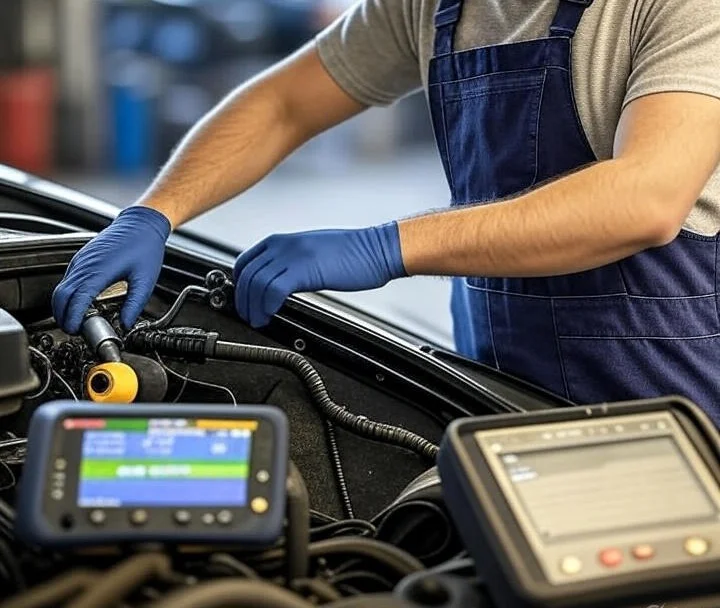
Learn more about How to troubleshoot 6.0 Powerstroke overdrive flashing light – How to Troubleshoot 6.0 Powerstroke Overdrive Flashing Light: Common Causes
Image source: vehiclechef.com
What Does the Overdrive Flashing Light Signify?
When the 6.0 Powerstroke overdrive flashing light illuminates on your dashboard, it’s not just an arbitrary warning. It’s a direct communication from your truck’s PCM that it has detected a fault within the transmission system. This fault is significant enough to warrant activating a protective strategy, commonly known as “limp mode” or “fail-safe mode.” In limp mode, the PCM limits available gears (often locking into a single gear, like 3rd or 4th), reduces engine power, and sometimes increases line pressure to protect internal components from further damage. Crucially, when the light flashes, Diagnostic Trouble Codes (DTCs) are stored in the PCM’s memory. These codes are your most valuable clues for pinpointing the exact problem, making the first step of any diagnostic process retrieving them.
| Observed Symptom / Diagnostic Clue | Primary Probable Causes & Common DTCs | Recommended Troubleshooting & Action Steps |
|---|---|---|
| Flashing O/D light only, no immediate drivability issues. | Low or contaminated transmission fluid (~30% of cases), minor electrical anomaly. Often *no initial DTCs* or *pending P07XX codes*. | Check transmission fluid level (engine running, warm, in park) and condition. Scan for pending/historic codes. Inspect battery/alternator health. |
| Flashing O/D light + noticeable shifting problems (harsh shifts, slipping, delayed engagement). | Transmission solenoid malfunction (e.g., *P0750, P0755 – Shift Solenoid*), speed sensor failure (*P0720 OSS, P0715 TSS*), internal pressure loss. Accounts for ~40% of cases with driveability issues. | Scan for specific DTCs immediately. Inspect wiring harnesses to solenoids/sensors for damage/corrosion. Check transmission temperature sensor operation (*P0710*). |
| Flashing O/D light + Check Engine Light (CEL) + specific DTCs (e.g., P0710, P0740, P0713). | Direct indication of sensor failure (e.g., Transmission Fluid Temp, Turbine Speed), circuit fault (e.g., TCC circuit), or internal transmission mechanical issue. DTCs guide diagnosis. | Prioritize diagnosis based on stored DTCs. Use a scan tool to monitor live sensor data. Perform circuit resistance/continuity checks as per service manual for identified codes. |
| Flashing O/D light after heavy towing, sustained high load, or recently serviced. | Transmission overheating (*P0218 – Overtemperature*), fluid degradation, TCC slippage, incorrect fluid fill after service. | Allow transmission to cool. Verify fluid level and condition. Monitor transmission temperature with a scan tool. Consider a transmission flush/filter change if fluid is burnt. Check for cooler line obstructions. |
Why Immediate Action is Necessary
Ignoring the overdrive flashing light is a recipe for disaster. Continuing to drive with a known transmission fault, especially one severe enough to trigger limp mode, can quickly turn a relatively minor repair into a complete transmission overhaul. Issues like low fluid pressure, overheating, or solenoid malfunctions can rapidly cause irreversible damage to clutch packs, planetary gears, and the torque converter. Addressing the issue promptly, even if it means pulling over and seeking professional help, is vital for the longevity and health of your 6.0 Powerstroke transmission.
Initial Diagnostic Steps: What to Check First
When your 6.0 Powerstroke overdrive flashing light appears, resist the urge to panic. A systematic approach to diagnosis often starts with the simplest and most common culprits. These initial checks can sometimes reveal a straightforward fix or, at the very least, provide essential information for deeper troubleshooting.
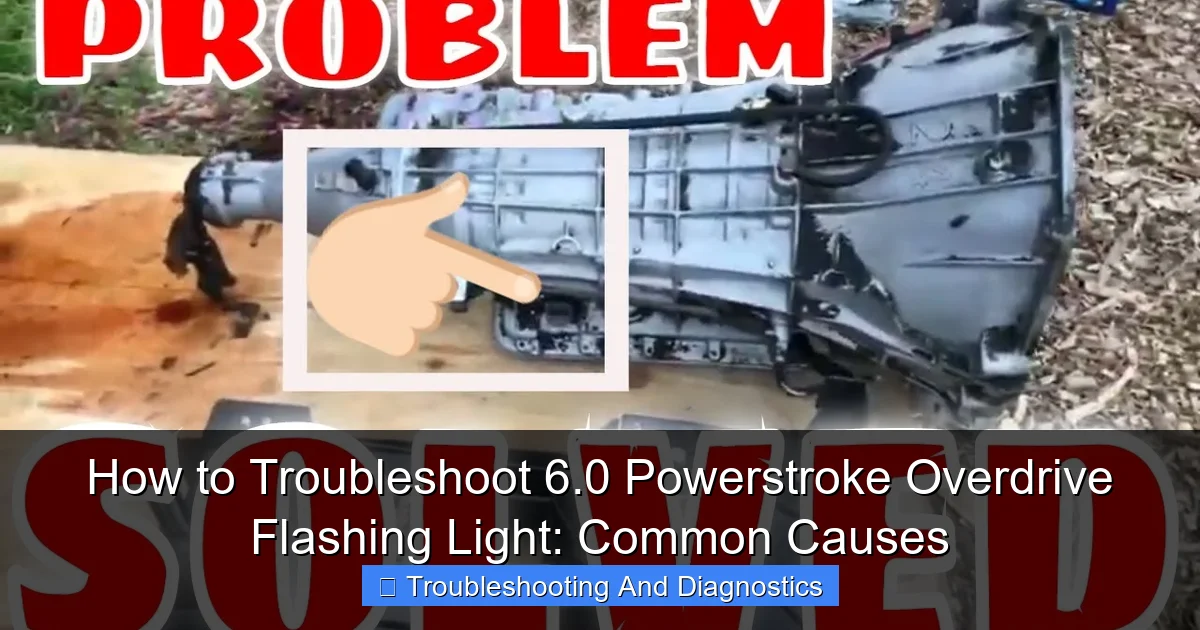
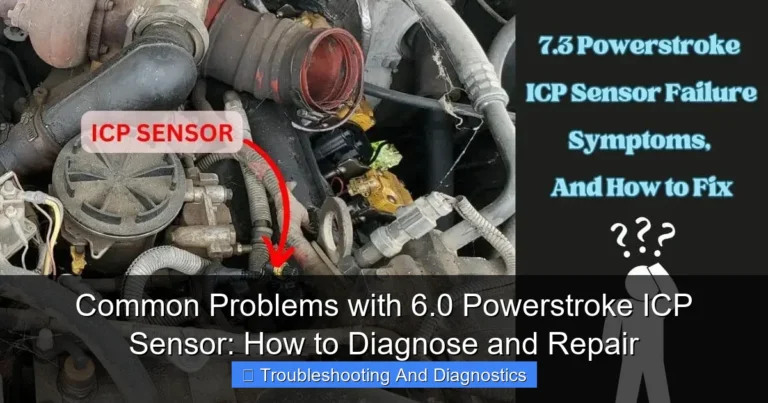
Learn more about How to troubleshoot 6.0 Powerstroke overdrive flashing light – How to Troubleshoot 6.0 Powerstroke Overdrive Flashing Light: Common Causes
Image source: i.ytimg.com
Check Transmission Fluid Level and Condition
This is arguably the most crucial first step. The 5R110W transmission is highly sensitive to fluid levels and quality. Even a slightly low or overfilled condition can cause significant operational problems, triggering the flashing light.
- Procedure: Ensure your truck is on level ground, engine running, and fully warmed up (transmission fluid should be at operating temperature). Shift through all gears (P-R-N-D-2-1) pausing briefly in each, then return to Park. Check the fluid level on the dipstick. The 6.0 Powerstroke transmission uses Mercon SP fluid, and the level should be within the “HOT” range.
- Condition: Observe the fluid’s color and smell. Healthy Mercon SP is typically a translucent red. If it’s dark brown or black, smells burnt, or contains metallic flakes, it indicates significant wear or overheating. This could be a direct cause of your overdrive flashing light and suggests internal damage.
Scan for Diagnostic Trouble Codes (DTCs)
The PCM stores specific codes when a fault is detected, which is why the 6.0 Powerstroke overdrive flashing light is on. An OBD-II scanner is an indispensable tool for retrieving these codes.
- Using a Scanner: Connect an OBD-II scanner to your truck’s diagnostic port (usually under the dashboard). Read the stored DTCs. Write them down, even if they seem unrelated.
- Common Transmission Codes: Look for codes starting with P07xx or P17xx, as these are typically transmission-related. For example, P0720 (Output Speed Sensor), P0731-P0736 (Incorrect Gear Ratio), P0741 (Torque Converter Clutch Stuck Off), or P1740 (Torque Converter Clutch System Performance) are common with the 6.0 Powerstroke overdrive flashing light.
- Guidance: DTCs don’t always pinpoint the exact failing part but direct you to the problematic system or circuit, significantly narrowing down your troubleshooting efforts.
Here’s a table of common transmission-related DTCs you might encounter:
| DTC Code | Description | Potential Causes |
|---|---|---|
| P0700 | Transmission Control System Malfunction | Generic code indicating other transmission codes are present. |
| P0705 | Transmission Range Sensor Circuit Malfunction (PRNDL Input) | Faulty TRS/Neutral Safety Switch, wiring issues. |
| P0720 | Output Speed Sensor Circuit Malfunction | Faulty OSS, wiring, debris on sensor magnet. |
| P073X (e.g., P0731-P0736) | Incorrect Gear Ratio (e.g., P0731 for Gear 1) | Slipping clutch pack, faulty shift solenoid, valve body issues, low line pressure. |
| P0741 | Torque Converter Clutch Circuit Performance or Stuck Off | Faulty TCC solenoid, worn torque converter clutch, low fluid pressure. |
| P1740 | Torque Converter Clutch System Performance | Similar to P0741, often related to TCC slippage. |
| P1747 | Electronic Pressure Control (EPC) Solenoid Circuit Short | EPC solenoid failure, wiring short in circuit. |
Inspect the Overdrive Cancel Switch
Sometimes the simplest solution is the correct one. The overdrive cancel button on the shift lever itself can sometimes be the source of a false warning or a minor electrical glitch, causing the 6.0 Powerstroke overdrive flashing light.
- Functionality: Press the button while driving (if safe to do so) to see if it engages/disengages overdrive. If it doesn’t respond, or if pressing it causes the light to flash, the switch itself or its wiring could be faulty.
- Wiring Inspection: Carefully inspect the wiring that runs from the shift lever into the steering column. These wires can become chafed or damaged over time, especially in older trucks.
Common Mechanical and Hydraulic Culprits Behind the Flashing Light
Beyond fluid levels and electrical signals, the mechanical and hydraulic systems within your 6.0 Powerstroke transmission are frequently responsible for the dreaded flashing overdrive light. These issues often require more in-depth diagnosis and professional attention.
Low Transmission Fluid Pressure
Proper fluid pressure is essential for the 5R110W to operate correctly. Low pressure can lead to slippage, delayed shifts, and ultimately, activate the overdrive flashing light and limp mode.
- Clogged Filters: The 6.0 Powerstroke transmission has both an internal filter and an external spin-on filter. Neglecting to change these filters can lead to blockages, restricting fluid flow and causing pressure drops. This is a very common issue.
- Failing Pump: The transmission fluid pump is responsible for circulating fluid and generating pressure. A worn or failing pump cannot maintain adequate line pressure, particularly under load.
- Leaking Seals/Gaskets: Internal leaks within the transmission, caused by worn seals or gaskets, can lead to fluid bypassing where it should be, resulting in pressure loss to clutch packs or solenoids.
Torque Converter Issues
The torque converter is a critical component that links the engine to the transmission. Problems with the torque converter, especially the lock-up clutch, are a common cause of the 6.0 Powerstroke overdrive flashing light.
- Symptoms: Shuddering during acceleration or when the converter tries to lock up, delayed engagement, excessive heat, and decreased fuel economy. DTCs like P0741 or P1740 are often associated with torque converter clutch (TCC) issues.
- Lock-up Clutch Failure: The TCC is designed to create a direct mechanical link between the engine and transmission, improving efficiency. If this clutch wears out or fails to engage/disengage properly, it generates heat and slippage, triggering the flashing light.
- Debris: A failing torque converter can shed metallic debris, contaminating the entire transmission and leading to further damage.
Valve Body Problems
The valve body acts as the “brain” of the hydraulic system, directing fluid pressure to various components to facilitate shifts. It’s a complex network of channels, valves, and springs.
- Sticking Valves: Over time, wear and contamination can cause valves within the valve body to stick, preventing proper fluid routing. This can lead to harsh shifts, delayed engagement, or the inability to select certain gears, which then triggers the overdrive flashing light.
- Worn Bores: The bores in which the valves operate can wear, leading to pressure leakage and inefficient operation.
- Impact: Valve body issues often manifest as inconsistent shifting, particularly noticeable with specific gears.
Worn Clutch Packs or Bands
Clutch packs and bands are the friction components responsible for engaging and disengaging gears. They are subject to wear, especially in high-mileage or heavily loaded vehicles.
- Slippage: When clutch packs or bands wear out, they lose their ability to grip effectively, leading to slippage between gears. This manifests as the engine RPM rising without a corresponding increase in vehicle speed, accompanied by a burnt smell from the fluid.
- Delayed Shifts: Excessive wear can also cause noticeable delays in gear engagement.
- DTCs: Incorrect gear ratio codes (P073X) often indicate clutch pack or band slippage. This is a serious issue that typically requires a transmission rebuild or replacement to resolve, a common reason for the 6.0 Powerstroke overdrive flashing light.
Electrical and Electronic System Failures
The 5R110W TorqShift relies heavily on electrical and electronic signals to operate. Malfunctions in these systems are a very common cause of the 6.0 Powerstroke overdrive flashing light, and fortunately, are often easier to diagnose and repair than internal mechanical failures.
Transmission Solenoid Malfunctions
Solenoids are electro-hydraulic valves that control the flow of transmission fluid to various clutch packs and the torque converter. They are critical for gear selection and pressure regulation.
- Types: The 5R110W uses several solenoids: shift solenoids (SSA, SSB, SSC, SSD, SSE), a torque converter clutch (TCC) solenoid, and an electronic pressure control (EPC) solenoid.
- Impact: A faulty shift solenoid can cause rough or delayed shifts, or prevent specific gears from engaging. A failing TCC solenoid can cause torque converter lock-up issues (shuddering). An EPC solenoid problem can lead to incorrect line pressure, affecting overall transmission operation and potentially causing the 6.0 Powerstroke overdrive flashing light and limp mode.
- Testing: Solenoids can often be tested for electrical resistance using a multimeter, and sometimes for functionality by applying voltage (though this is best left to professionals).
Damaged Wiring Harness or Connectors
Electrical continuity is paramount. The wiring harness that connects the PCM to the transmission’s internal and external sensors and solenoids is vulnerable to damage.
- Common Points of Failure: Chafed wires from rubbing against sharp edges, corrosion at connectors due to moisture ingress, or loose pins can interrupt signals. The main pass-through connector on the transmission case is a common area for issues on the 6.0 Powerstroke transmission.
- Symptoms: Intermittent issues, false sensor readings, or complete loss of control to solenoids. Wiring problems often cause erratic behavior before leading to a constant overdrive flashing light.
Transmission Range Sensor (TRS) / Neutral Safety Switch
The TRS (also known as the Neutral Safety Switch) tells the PCM which gear the driver has selected (P, R, N, D, etc.).
- Incorrect Indication: A faulty TRS can send incorrect signals to the PCM, leading to confusion about which gear is actually engaged. This can cause erratic shifting, starting problems (e.g., won’t start in Park), or trigger DTC P0705 (Transmission Range Sensor Circuit Malfunction), often accompanied by the overdrive flashing light.
- Symptoms: Truck may not start, or lights on the dash for gear selection might not match the actual shifter position.
Transmission Temperature Sensor (TFT) Issues
The Transmission Fluid Temperature (TFT) sensor monitors the fluid’s heat. Overheating is a major killer of automatic transmissions, and the PCM uses TFT data to manage transmission operation.
- Erroneous Readings: A faulty TFT sensor can send incorrect temperature data to the PCM. If the PCM thinks the fluid is too hot (when it’s not), it might trigger the overdrive flashing light and limp mode unnecessarily to protect the transmission. Conversely, if it fails to report actual overheating, severe damage can occur.
- Overheating: The 6.0 Powerstroke transmission generates significant heat, especially under towing or heavy loads. Monitoring transmission temperatures (ideally with an aftermarket gauge) is crucial. Sustained high temperatures (above 220-230°F) can quickly break down fluid and damage internal components, directly leading to the flashing light.
PCM (Powertrain Control Module) Malfunction
While less common than other issues, a failing PCM can misinterpret sensor data, incorrectly command solenoids, or simply fail to function, leading to transmission problems and the 6.0 Powerstroke overdrive flashing light.
- Diagnosis: A PCM malfunction is typically diagnosed after ruling out all other possibilities. This often requires advanced diagnostic tools and expertise to test the PCM’s outputs and inputs.
- Replacement/Reflash: If the PCM is determined to be the culprit, it may need to be reprogrammed (reflashed) or replaced and recalibrated.
Preventative Maintenance and Best Practices for 6.0 Powerstroke Transmission Longevity
The best way to avoid the dreaded 6.0 Powerstroke overdrive flashing light and costly transmission repairs is through diligent preventative maintenance and smart driving habits. The 5R110W TorqShift, while robust, requires proper care to deliver its full lifespan.
Regular Fluid and Filter Changes
This cannot be stressed enough. Transmission fluid degrades over time and with heat, losing its lubricating and cooling properties. Clogged filters restrict fluid flow and contaminate the system.
- Adherence to Recommendations: Follow Ford’s recommended service intervals for your 6.0 Powerstroke transmission fluid and filter changes (typically every 30,000 to 60,000 miles, depending on usage). If you tow heavily or drive in extreme conditions, consider more frequent changes.
- Correct Fluid: Always use Mercon SP fluid. Using the wrong fluid can cause severe damage.
- Both Filters: Remember to change both the internal pan filter and the external spin-on filter.
Auxiliary Transmission Cooler
Heat is the number one enemy of automatic transmissions. While the 6.0 Powerstroke comes with a factory cooler, an auxiliary cooler can significantly extend the life of your transmission, especially if you tow or live in hot climates.
- Benefits: Lowering transmission operating temperatures preserves fluid integrity, reduces wear on internal components, and prevents the PCM from triggering limp mode due to overheating.
Monitoring Transmission Temperatures
Knowing your transmission’s operating temperature provides invaluable insight into its health and helps prevent overheating before it becomes critical.
- Aftermarket Gauges: Install an aftermarket transmission temperature gauge or use a monitoring device (like an Edge Insight or similar OBD-II monitor) to observe temperatures in real-time.
- Safe Ranges: Aim to keep your 6.0 Powerstroke transmission temperatures generally below 200°F (93°C). While occasional spikes to 220°F (104°C) are acceptable, sustained temperatures above 230°F (110°C) are detrimental and will quickly lead to fluid breakdown and component damage, potentially causing the overdrive flashing light.
Addressing Minor Issues Promptly
Don’t ignore subtle symptoms. Slight delays in shifting, minor shuddering, or unusual noises can be early indicators of a problem brewing. Addressing these small issues early can prevent them from snowballing into a major, expensive repair.
Tuning and Programming Considerations
If your 6.0 Powerstroke is tuned, ensure the tune is transmission-friendly. Aggressive engine tunes that significantly increase power and torque without proper transmission calibration can overstress the 5R110W, leading to premature wear and failure.
- Reputable Tuners: Use custom tunes from reputable tuners who specialize in the 6.0 Powerstroke transmission and understand its limitations.
- Adaptive Learning: After transmission work or tuning, it’s often beneficial to perform a transmission adaptive learning reset so the PCM can relearn optimal shift strategies.
Conclusion
The appearance of your 6.0 Powerstroke overdrive flashing light is a clear, undeniable signal that your transmission needs attention. While it can be a concerning sight, armed with the knowledge of common causes and systematic troubleshooting steps, you’re better equipped to tackle the problem head-on. From simply checking your transmission fluid and scanning for DTCs to investigating more complex mechanical or electrical issues, a methodical approach is always best.
Remember, the 5R110W TorqShift is a robust unit, but like any complex mechanical system, it demands proper maintenance and prompt attention to warning signs. Ignoring that flashing light is a gamble you don’t want to take. By understanding what your truck is trying to tell you, performing regular maintenance, and seeking professional help when needed, you can ensure your 6.0 Powerstroke transmission continues to provide reliable service for many miles to come. Don’t let the 6.0 Powerstroke overdrive flashing light keep you off the road – diagnose, repair, and drive with confidence.
🎥 Related Video: Ford overdrive light keeps flashing quick fix!
📺 Auto Help
Frequently Asked Questions
What does the flashing overdrive light on my 6.0 Powerstroke signify?
The flashing overdrive (OD) light on your 6.0 Powerstroke typically indicates a fault within the transmission system. It’s the truck’s way of alerting you to an issue, often causing the transmission to go into “limp mode” to prevent further damage. This warning should be addressed promptly.
Is it safe to continue driving my 6.0 Powerstroke if the overdrive light is flashing?
It is generally not recommended to continue driving your 6.0 Powerstroke with a flashing overdrive light for extended periods. While it might still be drivable, the transmission could be in limp mode, operating with reduced functionality, and continued driving risks causing more severe and costly damage to internal components. It’s best to get it checked out as soon as possible.
What are the most common causes for a 6.0 Powerstroke overdrive flashing light?
Common causes for a flashing overdrive light on a 6.0 Powerstroke include low or degraded transmission fluid, faulty transmission speed sensors (like OSS or TSS), a defective transmission range sensor (TR sensor), or issues with the wiring harness. More serious problems like internal transmission wear or solenoid failures can also trigger this warning.
How can I diagnose the specific problem causing my 6.0 Powerstroke overdrive light to flash?
The first step in diagnosing a flashing 6.0 Powerstroke overdrive light is to check the transmission fluid level and condition. Next, use an OBD-II scanner to pull any diagnostic trouble codes (DTCs) stored in the truck’s computer, as these codes will provide specific clues about the component that has failed. Visual inspection of wiring and connectors is also recommended.
Are there any simple checks I can do before taking my 6.0 Powerstroke to a mechanic for a flashing overdrive light?
Absolutely. Before visiting a mechanic, ensure your 6.0 Powerstroke’s transmission fluid is at the correct level and isn’t burnt or discolored. Also, check for any loose or corroded electrical connections to the transmission sensors and solenoids. Sometimes, a simple fluid top-off or a clean connection can resolve the issue.
What components are typically involved when troubleshooting a 6.0 Powerstroke overdrive flashing light?
When troubleshooting this issue, you’ll often be looking at components such as the Output Shaft Speed (OSS) sensor, Turbine Shaft Speed (TSS) sensor, Transmission Range (TR) sensor, and various transmission solenoids. The wiring harness connecting these components to the Powertrain Control Module (PCM) is also a critical area to inspect for damage or corrosion.