7.3 Powerstroke Low Pressure Fuel System Troubleshooting: Common Problems
Featured image for this comprehensive guide about 7.3 Powerstroke low pressure fuel system troubleshooting
Image source: static8.depositphotos.com
Ah, the legendary 7.3 Powerstroke. For many truck enthusiasts, it’s more than just an engine; it’s a reliable workhorse, a symbol of American diesel engineering that just keeps going. Known for its incredible longevity and ability to handle tough jobs, it’s no wonder so many drivers swear by their 7.3L. However, even the most robust engines can develop issues, and when your beloved Powerstroke starts acting up, it can be a source of real frustration. One of the most common culprits behind poor performance, hard starting, or even a complete no-start condition is a problem within the low pressure fuel system.
The low pressure fuel system is the unsung hero that ensures your injectors get a consistent, clean supply of fuel. If this system falters, it can starve the high-pressure oil pump (HPOP) and ultimately the injectors, leading to a cascade of problems that mimic everything from sensor failures to injector issues. But don’t despair! With a little knowledge and some methodical troubleshooting, you can often diagnose and fix these problems yourself, saving you significant time and money. This comprehensive guide will walk you through everything you need to know about 7.3 Powerstroke low pressure fuel system troubleshooting.
Whether you’re experiencing a nagging loss of power, a prolonged crank before ignition, or your truck won’t start at all, understanding the low pressure fuel system is your first step toward getting your 7.3 Powerstroke back to its former glory. We’ll dive deep into the common symptoms, the usual suspects among components, and provide actionable, step-by-step diagnostic tips to help you pinpoint the exact problem. Let’s get your Powerstroke purring smoothly again!
Quick Answers to Common Questions
My 7.3 Powerstroke won’t start or is really hard to start. Could it be the low-pressure fuel system?
Absolutely! A common symptom when you’re doing 7.3 Powerstroke low pressure fuel system troubleshooting is hard starting or a no-start condition, often due to insufficient fuel delivery to the injectors. You should definitely check your fuel pressure first.
What’s the easiest way to check my 7.3 Powerstroke’s low-pressure fuel system pressure?
The simplest way to start your 7.3 Powerstroke low pressure fuel system troubleshooting is to use a fuel pressure gauge connected to the Schrader valve on top of your fuel filter housing. You’re looking for at least 45-50 PSI at idle for a healthy system.
My truck sputters and lacks power. What’s a common culprit in the low-pressure fuel system?
A frequently overlooked issue during 7.3 Powerstroke low pressure fuel system troubleshooting is a clogged fuel filter or a weak/failing fuel pump. These can starve your engine, leading to noticeable sputtering and a significant loss of power.
I hear air bubbles in my fuel lines. Is that a problem for the 7.3 Powerstroke low-pressure fuel system?
Yes, definitely! Air in the fuel is a big issue for 7.3 Powerstroke low pressure fuel system troubleshooting, causing rough running, hard starts, and even stalling. It often points to a leak or a failing O-ring somewhere in the system.
Where should I look for a fuel leak if I suspect a problem with my 7.3 Powerstroke’s low-pressure fuel system?
For 7.3 Powerstroke low pressure fuel system troubleshooting, common leak points include the fuel bowl drain valve, the fuel lines themselves, and the O-rings on the fuel filter housing or fuel heater. Give these areas a thorough visual inspection.
📋 Table of Contents
- Understanding the 7.3 Powerstroke’s Low Pressure Fuel System
- Common Symptoms of Low Pressure Fuel System Problems
- Key Components to Inspect: The Usual Suspects
- Step-by-Step 7.3 Powerstroke Low Pressure Fuel System Troubleshooting Guide
- Advanced Diagnostics and Professional Tips
- Preventative Maintenance for Your 7.3 Powerstroke Fuel System
- Conclusion
Understanding the 7.3 Powerstroke’s Low Pressure Fuel System
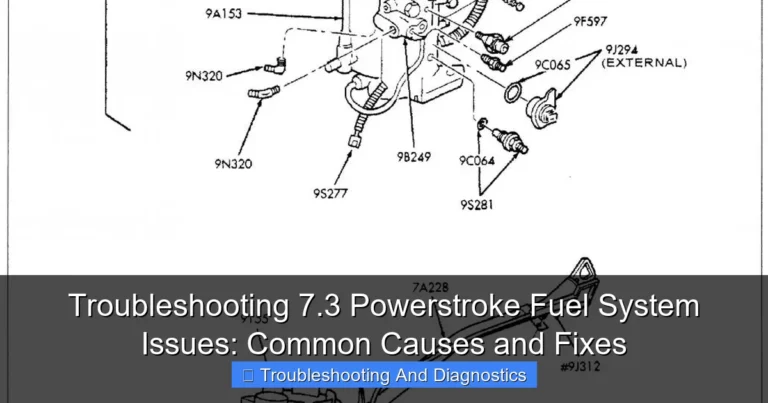
Before we dive into troubleshooting, it’s crucial to understand what the low pressure fuel system entails and how it functions in your 7.3 Powerstroke. Unlike some older diesels, the 7.3L utilizes an electric fuel pump to deliver fuel to the engine. This system is responsible for getting fuel from the tank, filtering it, and delivering it to the fuel bowl on top of the engine, where the Fuel Pressure Regulating Valve maintains a constant pressure for the injectors.
Learn more about 7.3 Powerstroke low pressure fuel system troubleshooting – 7.3 Powerstroke Low Pressure Fuel System Troubleshooting: Common Problems
Image source: drodd.com
Key components of your 7.3 Powerstroke low pressure fuel system include:
| Observed Symptom | Primary LPFS Suspect | Diagnostic Check & Expected Value | Troubleshooting Action |
|---|---|---|---|
| Crank, No Start (Engine turns over) | Fuel Pump Failure, Clogged Fuel Filter, Air Intrusion | Fuel Pressure Test at Fuel Bowl: 40-70 PSI during crank. Listen for Fuel Pump Hum (key on). |
Replace fuel filter. Check fuel pump relay/fuse. Replace fuel pump if <30 PSI. |
| Lack of Power, Poor Acceleration, Hesitation | Weak Fuel Pump, Partially Clogged Fuel Filter | Fuel Pressure Test at Fuel Bowl (WOT): Should maintain 40-60 PSI (not drop significantly). | Replace fuel filter. Inspect fuel tank pickup/screen. Replace fuel pump if pressure drops under load. |
| Rough Idle, Stalling, Hard Start (especially hot) | Air in Fuel System, Weak Fuel Pump, Leaking Fuel Bowl Components | Visual Inspection of Fuel Lines/Filter Housing for leaks/air bubbles. Fuel Pressure Stability. | Bleed air (cycle key). Check for loose connections/cracked lines. Inspect fuel bowl drain/heater O-rings. |
| Excessive White/Grey Smoke (cold or under load) | Air in Fuel System, Insufficient Fuel Pressure | Fuel Pressure Test: Verify consistent 50-70 PSI. Visual check for foamy fuel in bowl. | Address air leaks (O-rings, lines). Confirm fuel pressure meets specifications. |
| Visible Fuel Leak or Strong Fuel Smell | Fuel Line Leaks, Fuel Bowl Housing Leaks, Injector Return Line Leaks | Visual Inspection: Trace all low-pressure fuel lines, filter housing, fuel pressure regulator. | Identify and replace damaged fuel lines, O-rings, or gaskets. Common areas: fuel bowl drain, heater O-rings. |
- Fuel Tank: Stores the diesel fuel.
- Fuel Sender Unit: Located in the tank, it measures fuel level and has a pick-up tube (often with a “Hutch mod” for later years to prevent aeration).
- Fuel Lines: The plumbing that carries fuel from the tank to the engine and back via return lines.
- Electric Fuel Pump: Typically frame-mounted, this pump draws fuel from the tank and pushes it forward.
- Fuel Filter: Located in the fuel bowl on the engine, it cleans the fuel before it reaches the injectors.
- Fuel Bowl (Filter Housing): A reservoir that holds the fuel filter and houses the Fuel Pressure Regulating Valve and a heating element.
- Fuel Pressure Regulating Valve (FPRV): Often simply called the FPR, this valve on the fuel bowl maintains the correct fuel pressure (typically 45-75 PSI) for the injectors and returns excess fuel to the tank.
A healthy low-pressure system is absolutely vital. If the fuel pressure drops too low, it can lead to cavitation in the injectors, poor atomization, and ultimately, a lack of power, rough running, and even injector damage. It can also prevent the High Pressure Oil Pump (HPOP) from building enough pressure to fire the injectors, leading to a no-start condition.
Common Symptoms of Low Pressure Fuel System Problems
Identifying the symptoms is the first step in effective 7.3 Powerstroke low pressure fuel system troubleshooting. Many issues can manifest in similar ways, but certain patterns strongly point to fuel delivery problems. Pay close attention to how your truck behaves:
Learn more about 7.3 Powerstroke low pressure fuel system troubleshooting – 7.3 Powerstroke Low Pressure Fuel System Troubleshooting: Common Problems
Image source: clipart-library.com
Hard Start / No Start Conditions
This is perhaps the most alarming symptom. If your 7.3 Powerstroke cranks excessively before starting, or simply won’t start at all, especially when the engine is cold or after sitting for a while, low fuel pressure is a prime suspect. The injectors require a specific fuel pressure to atomize fuel correctly and receive proper lubrication. If the fuel pump isn’t delivering enough, or there’s air in the system, it will struggle to fire.
Loss of Power & Poor Acceleration
Does your truck feel sluggish? Does it struggle to accelerate, particularly under load or when climbing hills? A lack of adequate fuel supply can directly translate to a significant loss of power. The engine isn’t getting enough fuel to generate its full power output, leaving you with reduced towing capability and slower response times. You might notice the truck “falling on its face” when you press the accelerator hard.
Rough Idling & Stalling
If your 7.3 Powerstroke idles roughly, shakes, or even stalls unexpectedly, especially at low RPMs, it could be due to inconsistent fuel pressure. The engine’s computer (PCM) expects a steady fuel supply to maintain smooth operation. Fluctuations or drops in pressure can cause the engine to stumble, miss, and eventually die. This is particularly common if the fuel pump is weak or the filter is severely clogged.
Other Indicators:
- Excessive Smoke (White/Gray): Unburnt fuel due to poor atomization or inconsistent delivery can lead to noticeable smoke from the exhaust.
- Engine Misfires: Similar to rough idling, individual cylinders may not be getting enough fuel, leading to misfires.
- Poor Fuel Economy: While not always immediately obvious, inefficient fuel delivery can lead to your truck burning more fuel than it should.
- Fuel Leaks: Any visible fuel leak under the truck or around the engine bay is an immediate red flag and requires prompt attention.
Key Components to Inspect: The Usual Suspects
When you’re engaged in 7.3 Powerstroke low pressure fuel system troubleshooting, certain components are more prone to failure than others. Knowing where to look first can significantly speed up your diagnostic process.
Fuel Tank & Sender Unit (The “Hutch Mod” Connection)
The fuel tank itself rarely fails, but issues with the in-tank pick-up or sender unit are common. Ford’s original design for the fuel pick-up tube in the tank, particularly in 1999-2003 models, can lead to fuel aeration when the tank is below 1/4 full. This is often addressed by the “Hutch Mod” (or “Harpoon Mod” for eliminating the standpipe extension), which involves replacing the factory pick-up screen and modifying the in-tank lines to prevent air ingestion. If you haven’t done this, especially with fuel issues, it’s worth considering.
- Check for: Clogged pick-up screen, damaged or corroded sender unit, loose fuel lines at the tank.
Electric Fuel Pump
The frame-mounted electric fuel pump is a critical component and a frequent failure point. Over time, the pump can weaken, becoming unable to deliver the required pressure and volume. This is often exacerbated by running the tank consistently low, as the fuel helps cool the pump.
- Check for: Audible pump noise (should be a consistent hum when key is on, engine off), fuel pressure at the test port, presence of power at the pump connector.
- Diagnostic Tip: If you don’t hear the pump, check the fuel pump relay in the fuse box and the associated fuse.
Fuel Lines & Connections
From the tank to the engine, your 7.3 Powerstroke relies on a network of fuel lines. These lines can become cracked, chafed, or develop leaks over time, particularly where they connect to other components. Air entering the system through a loose connection or a pinhole leak can cause significant fuel delivery problems.
- Check for: Visible leaks (even small drips), damp spots on lines, corroded connections, loose clamps or fittings.
Fuel Filter & Fuel Bowl
The fuel filter, located in the fuel bowl on top of the engine, is your primary defense against contaminants. A clogged fuel filter is one of the most common causes of low fuel pressure. The fuel bowl itself can also develop issues, such as a leaking drain valve or a malfunctioning fuel heater element (which can sometimes cause fuel pressure issues if it’s drawing air).
- Check for: Clogged filter (visual inspection, replacement interval), fuel bowl drain valve leaks, presence of contaminants (water, debris) in drained fuel.
Fuel Pressure Regulating Valve (FPRV)
Located on the fuel bowl, the FPRV is responsible for maintaining consistent fuel pressure within the system (typically 45-75 PSI at idle). If this valve sticks open, it can bleed off too much pressure, leading to low fuel pressure at the injectors. If it sticks closed, it can cause excessively high pressure, though this is less common and less damaging to the low-pressure system.
- Check for: Fuel pressure at the test port (a faulty FPRV will show low pressure even with a good pump and filter). Sometimes, removing and cleaning the FPRV can help, but often replacement is needed.
Step-by-Step 7.3 Powerstroke Low Pressure Fuel System Troubleshooting Guide
Now that we’ve covered the symptoms and potential culprits, let’s get into the practical steps for 7.3 Powerstroke low pressure fuel system troubleshooting. Always prioritize safety: wear eye protection and work in a well-ventilated area.
1. Visual Inspection First
Begin with a thorough visual inspection. This simple step can often save you a lot of time and effort.
- Check for Leaks: Look for any signs of diesel fuel leaks under the truck, around the fuel tank, along the frame rails, and especially around the engine bay (fuel bowl, fuel lines, injector return lines). Even small damp spots can indicate a leak where air might be entering the system.
- Inspect Fuel Lines: Look for cracked, chafed, or kinked fuel lines. Ensure all connections are tight and secure.
- Examine Fuel Filter Housing (Fuel Bowl): Check the drain valve for leaks. Look for any damage to the fuel bowl itself.
- Listen for the Fuel Pump: Turn the ignition key to the “on” position (without starting the engine). You should hear a distinct hum from the frame-mounted electric fuel pump for a few seconds. If you hear nothing, or if the sound is weak/intermittent, suspect the pump, relay, or fuse.
2. Perform a Fuel Pressure Test (Crucial!)
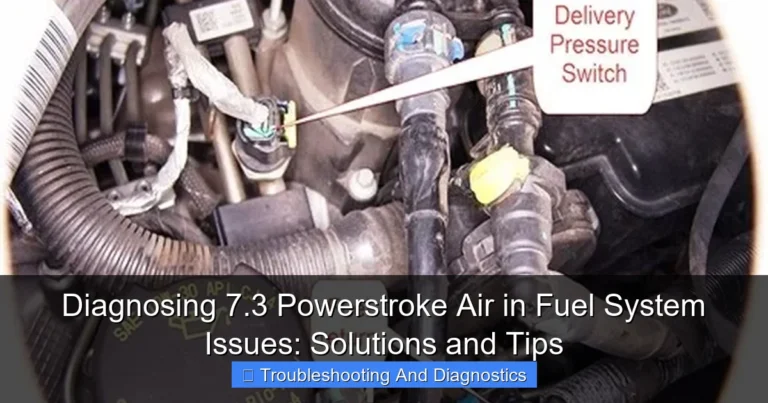
This is the single most important diagnostic step for 7.3 Powerstroke low pressure fuel system troubleshooting. You will need a fuel pressure gauge that can read up to 100-150 PSI. The 7.3L has a Schrader valve test port on the fuel bowl (looks like a tire valve stem).
- Connect Gauge: Thread the fuel pressure gauge onto the Schrader valve on the fuel bowl.
- Key On, Engine Off (KOEO): Turn the key to the “on” position. The fuel pump should prime for a few seconds. Note the pressure reading. It should typically be 45-75 PSI. If it’s significantly lower, you have a problem.
- Engine Idling: Start the engine and let it idle. Observe the fuel pressure. It should remain relatively stable, ideally between 45-75 PSI. Some sources even recommend 60-70 PSI as ideal.
- Under Load (Optional, but Recommended): If possible and safe, take the truck for a drive while monitoring the gauge (you might need an assistant or a long hose). Accelerate hard or drive up a hill. Watch for any significant drops in pressure, which would indicate a volume problem (weak pump or clogged filter).
Low Pressure Readings Indicate: Weak fuel pump, clogged fuel filter, faulty Fuel Pressure Regulating Valve, air intrusion, or a leak in the low-pressure system.
3. Checking the Fuel Pump
If your fuel pressure test reveals low readings, or you don’t hear the pump prime, you need to investigate the pump.
- Check Relay & Fuse: Locate the fuel pump relay and fuse in your fuse box (consult your owner’s manual). Test them for continuity or swap with a known good relay.
- Power at Pump: Disconnect the electrical connector at the fuel pump. With a multimeter, check for 12V power when the key is turned to the “on” position for those few seconds of priming. If there’s no power, the issue is electrical (wiring, relay, PCM). If there is power, but the pump isn’t running or delivering pressure, the pump itself is likely faulty.
4. Inspecting Fuel Filters & Bowl
A simple, often overlooked step that can solve many problems.
- Replace Fuel Filter: If you’re unsure of its age or have low fuel pressure, replace the fuel filter. This is a standard maintenance item that should be done every 10,000-15,000 miles. A clogged filter is a very common cause of low pressure and reduced flow.
- Drain Fuel Bowl: With the filter removed, drain the fuel bowl into a clear container. Look for water, rust, or debris. Excessive contaminants indicate a problem with your fuel source or tank.
- Check Fuel Heater: While less common for low pressure, a shorted fuel heater element can blow fuses, affecting other electrical components, potentially including the fuel pump relay circuit.
5. Testing for Air in the Fuel System (“Bubble Test”)
Air in the fuel lines can cause symptoms similar to low fuel pressure. The “bubble test” can help identify air intrusion.
- Locate Return Line: Find the fuel return line that goes back to the tank (usually a smaller line coming off the fuel bowl).
- Divert to Clear Container: Disconnect this line and route it into a clear plastic bottle or jar.
- Run Engine: Start the engine and let it idle. Observe the fuel returning to the container. If you see a consistent stream of bubbles, it indicates air is entering the system somewhere.
- Troubleshoot Air Source: Common sources of air intrusion include loose fuel line connections, the fuel tank pickup (especially without the Hutch Mod), or a faulty O-ring on the fuel filter housing.
6. Checking the Fuel Pressure Regulating Valve (FPRV)
If your fuel pump is strong and filter is new, but pressure is still low, the FPRV might be the culprit.
- Visual Inspection: Remove the FPRV from the fuel bowl. Check for any obvious signs of damage or debris.
- Clean: Sometimes, cleaning the valve (carefully, with brake cleaner or diesel) can resolve issues if it’s just sticking.
- Replace: If cleaning doesn’t help and pressure remains low, consider replacing the FPRV. It’s a relatively inexpensive part that can have a significant impact on fuel pressure.
Advanced Diagnostics and Professional Tips
While the steps above cover most common issues, some situations might require a deeper dive or specialized tools.
Scanner Tools & Live Data
While the 7.3 Powerstroke doesn’t have direct fuel pressure sensors on the low-pressure side that the PCM monitors, a scanner tool (like Forscan, AE, or comparable professional tools) can be invaluable for monitoring other parameters. For example, if you’re experiencing a hard start, monitoring Injection Control Pressure (ICP) and Injection Pressure Regulator (IPR) duty cycle can tell you if the high-pressure oil system is struggling, which can be exacerbated by a starving low-pressure fuel system.
Considering the IPR/ICP (Indirect Link)
It’s important to remember the connection between the low-pressure fuel system and the high-pressure oil system. If the low-pressure system isn’t delivering enough fuel, the injectors don’t have proper lubrication or sufficient fuel to spray, making it harder for the HPOP to build and maintain the necessary pressure to fire them. So, while IPR/ICP issues are high-pressure related, always ensure your low-pressure system is solid before chasing high-pressure problems.
When to Call a Professional
If you’ve meticulously followed these 7.3 Powerstroke low pressure fuel system troubleshooting steps and are still experiencing problems, or if you’re uncomfortable with any of the procedures, it’s time to seek professional help. A qualified diesel mechanic with experience in 7.3 Powerstroke engines will have the specialized tools and expertise to diagnose complex issues efficiently.
Preventative Maintenance for Your 7.3 Powerstroke Fuel System
The best troubleshooting is preventative maintenance. Keeping your 7.3 Powerstroke low pressure fuel system healthy will save you headaches down the road.
- Regular Fuel Filter Replacement: This is paramount. Replace your fuel filter every 10,000-15,000 miles, or more frequently if you use questionable fuel sources. A clean filter is the foundation of a healthy fuel system.
- Use Quality Fuel & Additives: Always use high-quality diesel fuel from reputable stations. Consider using a quality diesel fuel additive, especially one with lubricity enhancers and cetane boosters, to protect your injectors and fuel pump, particularly with modern ultra-low sulfur diesel (ULSD).
- Keep the Fuel Tank Full: Avoid consistently running your fuel tank below a quarter full. Keeping the tank fuller helps cool the electric fuel pump and prevents the pick-up from sucking air during sloshing, especially on non-Hutch Modded trucks.
- Routine Inspections: Periodically inspect your fuel lines for cracks or leaks. Listen for the fuel pump when you turn the key on. Early detection of minor issues can prevent major problems.
- Consider the “Hutch Mod”: If your 1999-2003 7.3L hasn’t had it, consider performing the Hutch Mod to address potential in-tank aeration issues and improve fuel flow.
Here’s a quick reference table for common low-pressure fuel system symptoms and their likely causes:
| Symptom | Likely Low-Pressure Cause | Diagnostic Action |
|---|---|---|
| Hard Start / No Start | Weak fuel pump, clogged filter, air in system, faulty FPRV | Fuel pressure test (KOEO & Cranking), Listen for pump, Bubble test |
| Loss of Power/Acceleration | Clogged filter, weak fuel pump, restricted fuel lines | Fuel pressure test (under load), Replace filter, Inspect lines |
| Rough Idling / Stalling | Inconsistent fuel pressure, air in system, clogged filter | Fuel pressure test (at idle), Bubble test, Replace filter |
| Visible Fuel Leaks | Cracked lines, loose fittings, leaking fuel bowl drain | Thorough visual inspection, Tighten connections, Replace damaged parts |
| Excessive Smoke (White/Gray) | Poor fuel atomization from low pressure, air in system | Fuel pressure test, Bubble test, Ensure clean fuel |
Conclusion
The 7.3 Powerstroke is an engine built to last, but like any mechanical system, its fuel delivery needs attention. Understanding and properly maintaining your low pressure fuel system is key to its continued reliable operation. From hard starts to a noticeable loss of power, many common issues can be traced back to this often-overlooked system. By methodically following our 7.3 Powerstroke low pressure fuel system troubleshooting guide, you’re empowered to diagnose and resolve many of these problems yourself.
Remember, consistent fuel pressure and a clean fuel supply are the lifeblood of your 7.3 Powerstroke. Regular maintenance, especially fuel filter changes and attentive visual inspections, can prevent most issues before they even start. So, arm yourself with a fuel pressure gauge, get familiar with your truck’s anatomy, and keep that legendary Powerstroke running strong for years to come!
🎥 Related Video: 7.3 Fuel Pressure Check
📺 Bayou Diesel
Checking fuel pressure on a 7.3 Power stroke.
Frequently Asked Questions
What are the common symptoms of a failing 7.3 Powerstroke low pressure fuel system?
Hard starting (especially when warm), loss of power under load, prolonged cranking, or even stalling are classic signs. You might also notice a drop in fuel efficiency or rough idle.
How do I test the fuel pressure on my 7.3 Powerstroke to diagnose low pressure?
The most accurate way is to connect a fuel pressure gauge to the Schrader valve on top of the fuel filter housing. A healthy 7.3 Powerstroke low pressure fuel system should typically show 45-70 PSI at idle.
What are the most common causes of low fuel pressure in a 7.3 Powerstroke?
The primary culprits include a weak or failing electric fuel pump, clogged fuel filters, a faulty fuel pressure regulator (FPR) or pressure relief valve (PRV), or leaks in the fuel lines. Air intrusion can also lead to similar symptoms.
Where is the fuel pressure regulator located on a 7.3 Powerstroke, and what does it do?
The fuel pressure regulator (FPR), also sometimes called a pressure relief valve (PRV), is located on the fuel filter housing. Its function is to maintain consistent fuel pressure in the system by bypassing excess fuel back to the tank.
Can I troubleshoot and fix 7.3 Powerstroke low pressure fuel system issues myself?
Many common problems, like replacing fuel filters or the electric fuel pump, are manageable for a DIY mechanic with basic tools. However, diagnosing more complex issues or fuel line leaks might require specialized tools or professional assistance.
What preventative maintenance can I do to avoid 7.3 Powerstroke low pressure fuel system problems?
Regularly changing your fuel filters (every 10,000-15,000 miles or according to your owner’s manual) is crucial. Using quality fuel and inspecting fuel lines for leaks or damage periodically can also help prevent future issues.