7.3 Powerstroke Compression Testing Equipment: Key Tools for Engine Diagnostics
Featured image for this comprehensive guide about 7.3 Powerstroke compression testing equipment
Image source: images.pexels.com
The roar of a 7.3 Powerstroke engine is music to many truck enthusiasts’ ears. Renowned for its legendary durability and workhorse capabilities, this diesel powerhouse has earned its place in automotive history. However, even the most robust engines require diligent care and accurate diagnostics to maintain peak performance. One of the most critical diagnostic procedures for assessing the health of your 7.3 Powerstroke is a compression test. It’s like a medical check-up for your engine’s internal organs – telling you exactly how well it’s breathing and holding pressure.
If you’re noticing a drop in power, excessive smoke, hard starting, or simply want to proactively monitor your engine’s condition, understanding and performing a compression test is indispensable. But you can’t just wish for answers; you need the right tools for the job. This comprehensive guide will walk you through everything you need to know about 7.3 Powerstroke compression testing equipment, from the essential tools themselves to how to use them effectively and interpret the results. Get ready to equip yourself with the knowledge to keep your beloved 7.3 running strong for years to come.
Mastering engine diagnostics empowers you to identify potential problems before they escalate into costly repairs. A proper compression test can pinpoint issues ranging from worn piston rings and valve problems to head gasket failures, allowing for targeted repairs rather than guesswork. Investing in quality 7.3 Powerstroke compression testing equipment is not just buying tools; it’s investing in the longevity and reliability of your truck. Let’s dive deep into the world of cylinder pressure and equip you with the expertise to confidently assess your 7.3 Powerstroke’s engine health.
Quick Answers to Common Questions
Why do I even need 7.3 Powerstroke compression testing equipment?
You need it to diagnose internal engine issues like a rough idle, misfires, or low power in your 7.3 Powerstroke. This specialized equipment helps pinpoint problems by measuring the compression pressure within each cylinder.
What kind of 7.3 Powerstroke compression testing equipment do I actually need?
Typically, you’ll need a compression gauge kit that includes a long hose and a specific adapter designed to fit the glow plug or injector port of your 7.3 Powerstroke. Look for a kit that’s clearly labeled for diesel engines and ideally, for the 7.3L specifically.
Is there anything special about the adapters for 7.3 Powerstroke compression testing equipment?
Yes, absolutely! The 7.3 Powerstroke requires a specific adapter that properly threads into the glow plug bore or injector cup, as standard gasoline engine testers won’t fit. Using the correct adapter is crucial for accurate readings and to prevent damage.
Can I rent 7.3 Powerstroke compression testing equipment, or should I buy it?
While you might find some generic diesel compression testers for rent at auto parts stores, they may not always have the exact 7.3 Powerstroke compression testing equipment adapters. If you plan on frequent diagnostics or want a precise fit, purchasing a dedicated kit is often a better long-term investment.
What should I look for to ensure my 7.3 Powerstroke compression testing equipment is accurate?
Look for a compression gauge with a clear, easy-to-read dial and a pressure relief valve for quick retesting without unthreading. Ensure the kit’s adapters create a tight seal, and choose a brand known for reliable tools to get accurate readings for your 7.3 Powerstroke.
📋 Table of Contents
- Why Compression Testing is Crucial for Your 7.3 Powerstroke
- Essential 7.3 Powerstroke Compression Testing Equipment
- Choosing the Right Diesel Compression Tester Kit
- Step-by-Step Guide to Performing a 7.3 Powerstroke Compression Test
- Interpreting 7.3 Powerstroke Compression Test Results: What the Numbers Mean
- Maintaining Your 7.3 Powerstroke: Beyond Compression Testing
- Conclusion: Empowering Your 7.3 Powerstroke Diagnostics
Why Compression Testing is Crucial for Your 7.3 Powerstroke
At its core, a diesel engine like the 7.3 Powerstroke relies on compression to ignite fuel. Unlike gasoline engines that use spark plugs, diesels compress air to such an extreme degree that the temperature rises enough to spontaneously ignite the injected fuel. This fundamental principle means that strong, consistent compression across all cylinders is non-negotiable for efficient operation, optimal power output, and reliable starting. Any deviation from ideal compression can signal significant underlying engine issues.
Learn more about 7.3 Powerstroke compression testing equipment – 7.3 Powerstroke Compression Testing Equipment: Key Tools for Engine Diagnostics
Image source: farm3.staticflickr.com
Understanding Engine Compression
Engine compression refers to the maximum pressure achieved in a cylinder when the piston reaches the top of its compression stroke. In a healthy engine, each cylinder should be able to hold a specific amount of pressure, ensuring that the air-fuel mixture ignites efficiently. Low compression means less heat, leading to incomplete combustion, misfires, reduced power, and excessive emissions. Uneven compression between cylinders can cause rough idling and vibration, as the engine struggles to maintain balance.
| Equipment Type | Key Specifications / Compatibility | Estimated Price Range | Primary Use / Notes |
|---|---|---|---|
| Standard Diesel Compression Tester Kit | 0-1000 PSI (0-70 Bar) gauge, multiple glow plug adapters. May require separate 7.3L specific adapter. | $80 – $250 | Basic diagnostic for general diesel engines. Check for 7.3L Powerstroke (via glow plug port) adapter inclusion. |
| 7.3L Powerstroke Specific Adapter | Designed to fit 7.3L Powerstroke glow plug port. Connects generic tester hose to cylinder. | $25 – $70 | Crucial component for accurate 7.3L testing, especially if using a universal kit without the specific adapter. |
| Professional Diesel Compression Tester Kit | High-accuracy gauge, robust hose, comprehensive adapter set (typically includes 7.3L Powerstroke). | $300 – $800+ | Ideal for workshops and frequent use. Ensures compatibility and precision for a wide range of diesel engines. |
| Digital Diesel Compression Tester | Digital readout (0-1000 PSI), peak hold function, memory storage. Often includes 7.3L adapter. | $500 – $1500+ | Offers precise readings and easier data logging. Useful for advanced diagnostics and consistency tracking. |
Common 7.3 Powerstroke Issues Diagnosed by Compression Tests
The 7.3 Powerstroke compression test is a powerful diagnostic tool that can reveal a multitude of problems. Here are some common issues it helps identify:
- Worn Piston Rings: These rings seal the combustion chamber. If they’re worn, compression will leak past them into the crankcase.
- Damaged Valves or Valve Seats: Valves must seal perfectly when closed. Any pitting, warping, or improper seating will allow compression to escape through the intake or exhaust ports.
- Blown Head Gasket: A head gasket failure can cause compression to leak into an adjacent cylinder, into the cooling system, or externally. This is a common and often costly repair.
- Cracked Cylinder Head or Block: Less common, but a crack can also lead to compression loss.
- Incorrect Valve Timing: While not a direct cause of “leaking” compression, incorrect timing can affect when valves open and close, thereby impacting the effective compression ratio.
When to Perform a Compression Test
It’s not just for when things go wrong. A compression test can be a valuable part of routine maintenance and pre-purchase inspections. Consider performing one if you observe any of the following:
- Difficulty starting, especially when cold.
- A noticeable decrease in power or acceleration.
- Excessive smoke from the exhaust (blue, white, or black).
- Rough idling or engine vibration.
- Poor fuel economy.
- Before purchasing a used 7.3 Powerstroke, as it provides an objective assessment of engine health.
- As part of a comprehensive tune-up or routine diagnostic check, every 100,000 miles or so, to establish a baseline.
Proactive testing with the right 7.3 Powerstroke compression testing equipment can save you headaches and money down the line by catching minor issues before they become major failures.
Essential 7.3 Powerstroke Compression Testing Equipment
Performing a reliable 7.3 Powerstroke compression test requires more than just a pressure gauge. You need a specialized set of tools designed for diesel engines, specifically adapted for the 7.3’s unique characteristics. Having the right 7.3 Powerstroke compression testing equipment ensures accuracy, safety, and efficiency during the diagnostic process.

Learn more about 7.3 Powerstroke compression testing equipment – 7.3 Powerstroke Compression Testing Equipment: Key Tools for Engine Diagnostics
Image source: openclipart.org
Diesel Compression Tester Kit
This is the heart of your diagnostic arsenal. A diesel compression tester kit typically includes:
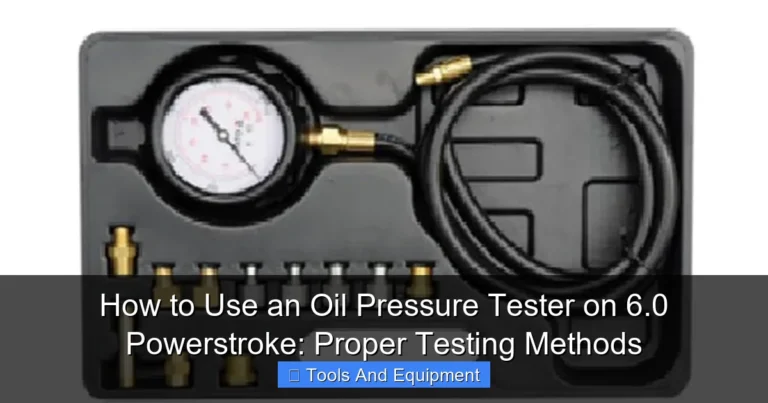
- Pressure Gauge: A robust gauge, often with a large, easy-to-read dial, capable of measuring high pressures typical of diesel engines (up to 1000 PSI or 70 bar). Digital versions offer precise readings and sometimes data logging.
- Hose Assembly: A flexible high-pressure hose that connects the gauge to the adapter. Look for durable, reinforced hoses.
- Quick-Connect Fittings: For easy attachment and detachment of adapters.
- Pressure Release Valve: Allows you to reset the gauge between cylinder tests without disconnecting the entire unit.
For the 7.3 Powerstroke, it’s crucial that the kit includes the correct adapters. More on that next.
Glow Plug Adapter vs. Injector Port Adapter
This is where specialized 7.3 Powerstroke compression testing equipment becomes critical. The 7.3 Powerstroke can be tested via two primary methods:
- Glow Plug Port Adapter: This is generally the easier and more common method for DIYers. You remove the glow plug from each cylinder and thread a specific adapter in its place. The 7.3 Powerstroke glow plug adapter is readily available and simplifies the process as it avoids interfering with the fuel system.
- Injector Port Adapter: This method requires removing the fuel injector, which is a more involved process. While it might offer a slightly more direct reading of the combustion chamber, it also introduces the complexity of removing and reinstalling injectors, potentially disturbing the fuel system and requiring new injector O-rings or seals. For most applications, the glow plug adapter is sufficient and preferred for its simplicity.
Ensure your chosen kit includes a specific 7.3 Powerstroke glow plug adapter or, if you opt for the injector method, the correct 7.3 Powerstroke injector port adapter.
Battery Charger/Maintainer
A compression test involves cranking the engine multiple times without allowing it to start. This draws a significant amount of power from your truck’s batteries. To ensure consistent cranking speed (which is vital for accurate readings) and to avoid draining your batteries completely, a heavy-duty battery charger or maintainer is indispensable. Connect it before you begin testing to keep your batteries topped up and provide a stable power source throughout the procedure.
Basic Hand Tools and Safety Gear
Beyond the specialized compression tester, you’ll need some standard workshop tools:
- Socket Set and Ratchet: For removing glow plugs (typically a 10mm deep well socket for 7.3L glow plugs) or fuel injectors.
- Torque Wrench: Essential for correctly reinstalling glow plugs or injectors to prevent damage.
- Wrench Set: For disconnecting fuel lines (if using injector port method) or other components.
- Clean Rags: For wiping up any spills.
- Dielectric Grease: To protect electrical connections upon reassembly.
- Safety Glasses and Gloves: Always prioritize personal safety when working on an engine.
- Shop Manual: A detailed service manual for your specific 7.3 Powerstroke year will provide crucial torque specifications and procedural details.
Gathering all this 7.3 Powerstroke compression testing equipment before you start will save you time and frustration during the diagnostic process.
Choosing the Right Diesel Compression Tester Kit
With various options available, selecting the ideal diesel compression tester kit for your 7.3 Powerstroke can seem daunting. However, focusing on specific features and compatibility will help you make an informed decision that ensures accuracy and durability.
Analog vs. Digital Gauges
Both analog and digital gauges have their merits:
- Analog Gauges: These are traditional mechanical gauges with a needle pointing to the pressure reading. They are generally more affordable, don’t require batteries, and are less susceptible to extreme temperatures or electromagnetic interference. For most DIYers, a quality analog gauge is perfectly sufficient.
- Digital Gauges: Offer precise numerical readings, often down to a single PSI. Some advanced models can store readings, display average pressures, and even connect to apps for data analysis. They are typically more expensive and require batteries. While excellent for professional shops, an analog gauge provides adequate accuracy for diagnosing a 7.3 Powerstroke’s engine health.
The key is to ensure the gauge is rated for diesel engine pressures, typically up to 1000 PSI or 70 bar.
Adapter Compatibility (Ford 7.3 Specific)
This is arguably the most critical aspect for 7.3 Powerstroke compression testing equipment. A universal diesel compression kit might have many adapters, but you need to confirm it specifically includes the correct one for the 7.3 Powerstroke’s glow plug or injector ports. The glow plug port adapter is the most common and easiest to use. Look for kits explicitly stating compatibility with “Ford 7.3L Powerstroke” or providing the correct thread size and design (e.g., specific glow plug thread pitch). Some reputable brands like OTC, Lisle, and Matco offer specialized kits or individual adapters for the 7.3L.
Hose Length and Durability
A good compression tester hose should be:
- Flexible but Robust: Capable of withstanding high pressures without kinking or leaking. Braided steel or high-quality rubber hoses are ideal.
- Adequate Length: Long enough to reach all cylinders comfortably, allowing you to position the gauge where you can easily read it while cranking the engine from the cab or with assistance. Too short, and you’ll struggle to see the readings; too long, and it can introduce a slight delay or pressure drop (though usually negligible for diagnostic purposes).
Pressure Range
Diesel engines operate at much higher compression ratios than gasoline engines. Therefore, your 7.3 Powerstroke compression tester must have a gauge capable of accurately reading up to at least 700-800 PSI. Many quality diesel gauges go up to 1000 PSI (approximately 70 bar), providing ample headroom for accurate diagnosis of a healthy 7.3 Powerstroke.
Brand Reputation and Reviews
When investing in diagnostic tools, brand reputation matters. Research brands known for quality automotive tools. Read reviews from other 7.3 Powerstroke owners or diesel mechanics. A well-made kit will last for years, providing reliable diagnostics. Don’t always opt for the cheapest option; reliability and accuracy are paramount when assessing your engine’s health.
Step-by-Step Guide to Performing a 7.3 Powerstroke Compression Test
Performing a 7.3 Powerstroke compression test is a methodical process that requires careful attention to detail. Follow these steps to ensure accurate readings and avoid potential damage to your engine or diagnostic equipment.
Preparation is Key
- Warm Up the Engine: For the most accurate results, the engine should be at operating temperature. This ensures proper piston ring expansion and oil viscosity. Run the engine for 15-20 minutes, then shut it off.
- Gather Your Tools: Have all your 7.3 Powerstroke compression testing equipment (tester kit, adapters, sockets, torque wrench, battery charger, etc.) ready and organized.
- Disconnect Batteries: For safety, disconnect both negative battery cables. This prevents accidental starting while you’re working on the engine.
- Remove Intake Tube & Boost Tube: If they obstruct access to the glow plugs or injectors.
Disabling Fuel and Ignition Systems
This is critical. You want to crank the engine without it starting. For the 7.3 Powerstroke:
- Disconnect the Injector Control Pressure (ICP) Sensor: This is typically located on the passenger side cylinder head at the front. Disconnecting it prevents the PCM from building high-pressure oil for the injectors, effectively disabling the fuel injection.
- Disconnect the Glow Plug Relay/Module: While you’ll be removing glow plugs anyway, ensuring the glow plug system is fully inactive prevents any unintended firing.
- Remove All Glow Plugs: Using your 10mm deep well socket, carefully remove all eight glow plugs. Inspect them for any signs of damage or unusual wear, which can provide additional diagnostic clues. Keep track of which glow plug came from which cylinder.
Connecting the Tester
- Connect Battery Charger: Reconnect your battery charger/maintainer to maintain a consistent battery voltage throughout the test.
- Install Adapter: Take your 7.3 Powerstroke glow plug adapter and thread it into the glow plug port of the cylinder you wish to test first. Hand-tighten it, then use a wrench to snug it down gently. Do not overtighten.
- Connect Gauge: Attach the compression tester gauge and hose assembly to the adapter using the quick-connect fitting. Ensure a secure, leak-free connection.
Cranking the Engine and Taking Readings
This step often requires an assistant, or you can use a remote starter switch if working alone.
- Prepare for Cranking: Ensure the transmission is in neutral (manual) or park (automatic) and the parking brake is engaged.
- Crank the Engine: Have your assistant crank the engine for 5-7 revolutions, or until the compression gauge needle stops climbing. Note the highest reading achieved.
- Record Reading: Immediately record the pressure reading for that cylinder.
- Release Pressure: Use the pressure release button on the gauge to vent the pressure.
- Repeat for All Cylinders: Disconnect the gauge from the adapter, move the adapter to the next cylinder’s glow plug port, reconnect, and repeat the cranking process. Continue this for all eight cylinders, recording each reading. It’s crucial to perform each test consistently (same number of cranks, consistent cranking speed).
Interpreting the Results
Once you have all eight readings, you can begin to interpret them. We’ll delve deeper into what these numbers mean in the next section, but generally, you’re looking for readings within a specific range and consistency between cylinders. After testing, reinstall all glow plugs (using a torque wrench to the manufacturer’s specification, typically around 12-14 ft-lbs), reconnect the ICP sensor, and disconnect the battery charger. Reconnect the battery cables. You’ve successfully performed a 7.3 Powerstroke compression test!
Interpreting 7.3 Powerstroke Compression Test Results: What the Numbers Mean
Once you’ve diligently performed your 7.3 Powerstroke compression test and recorded all eight cylinder readings, the real diagnostic work begins. The numbers on your gauge aren’t just figures; they tell a story about your engine’s internal health. Understanding how to interpret these results is paramount to accurately diagnosing issues with your 7.3 Powerstroke.
Ideal Compression Ranges
For a healthy 7.3 Powerstroke, ideal compression readings will fall within a specific range. Keep in mind that exact numbers can vary slightly based on elevation, engine condition, and the accuracy of your 7.3 Powerstroke compression testing equipment, but general guidelines apply.
General Guideline for 7.3 Powerstroke Compression:
- New Engine / Excellent Condition: 400-450 PSI (27.5-31 bar)
- Good, Healthy Engine: 350-400 PSI (24-27.5 bar)
- Minimum Acceptable: 300-325 PSI (20.5-22.5 bar)
Crucial Rule: Even more important than the absolute number is the consistency between cylinders. There should be no more than a 10-15% difference between the highest and lowest cylinder readings. A discrepancy greater than 15% strongly indicates a problem in the cylinder with the lower reading.
Data Table: 7.3 Powerstroke Compression Specifications
Here’s a simplified table for quick reference:
| Engine Condition | Compression Pressure (PSI) | Compression Pressure (Bar) | Cylinder Variation (Max Difference) |
|---|---|---|---|
| Excellent / New | 400-450+ | 27.5-31+ | <10% |
| Good / Healthy | 350-400 | 24-27.5 | <10% |
| Marginal / Worn | 300-350 | 20.5-24 | 10-15% |
| Problematic / Low | <300 | <20.5 | >15% |
Note: These are general guidelines. Always consult your specific 7.3 Powerstroke service manual for precise specifications.
Low Compression: Common Causes and Solutions
A single cylinder, or multiple cylinders, showing low compression indicates a leak in the combustion chamber. Here’s what it often points to:
- Worn Piston Rings: If low compression is present and significantly improves during a “wet test” (see below), worn rings are highly suspected. This can be due to high mileage, overheating, or lack of proper oil changes.
- Valve Issues: Worn or bent valves, worn valve seats, or carbon buildup preventing proper valve seating. A leak-down test (using a different tool) can further pinpoint this.
- Head Gasket Failure: If two adjacent cylinders have significantly low compression, or if a cylinder is consistently low with no improvement on a wet test, a blown head gasket is a strong possibility. Compression can also leak into the cooling system.
- Cracked Cylinder Head/Block: A more severe issue, often accompanied by other symptoms like coolant or oil leaks.
Uneven Compression Between Cylinders
Significant variations between cylinders (e.g., one cylinder at 300 PSI while others are at 400 PSI) are a major red flag. This unevenness causes:
- Rough idling and vibrations.
- Reduced power output, especially under load.
- Increased stress on other engine components as the engine tries to compensate.
- Possible misfires and increased exhaust smoke.
Wet vs. Dry Testing
If you find a cylinder with significantly low compression during your initial “dry” test, you can perform a “wet” test to help narrow down the cause:
- Dry Test: The standard procedure you’ve already performed.
- Wet Test: Add about a teaspoon of clean engine oil (or diesel-rated motor oil) into the spark plug hole of the low-compression cylinder. Crank the engine a few times to distribute the oil, then repeat the compression test for that cylinder.
- If Compression Improves Significantly (20% or more): This indicates worn or damaged piston rings. The added oil temporarily seals the rings, reducing the leak.
- If Compression Does NOT Improve: This suggests issues with valves (stuck open, bent, or worn seats) or a head gasket failure. The oil can’t seal these types of leaks.
Proper interpretation of your 7.3 Powerstroke compression test results is a powerful skill, allowing you to confidently identify and address engine health issues, ensuring your truck performs at its best.
Maintaining Your 7.3 Powerstroke: Beyond Compression Testing
While the 7.3 Powerstroke compression test is an invaluable diagnostic tool, maintaining the overall health of your engine extends far beyond just checking cylinder pressures. A comprehensive maintenance strategy, coupled with the right understanding of your engine’s needs, will ensure your 7.3 Powerstroke continues to be the reliable workhorse it was designed to be. Proactive care prevents costly breakdowns and prolongs the life of this iconic diesel engine.
Regular Oil Changes and Quality Filters
Perhaps the most fundamental aspect of diesel engine longevity is consistent, high-quality oil changes. The 7.3 Powerstroke relies heavily on its engine oil for lubrication and to actuate the Hydraulic Electronic Unit Injector (HEUI) system. Dirty or degraded oil can lead to premature wear on critical components, including piston rings, bearings, and the High-Pressure Oil Pump (HPOP). Always use recommended diesel-specific engine oil and pair it with a high-quality oil filter. Adhere to the manufacturer’s recommended service intervals, or even slightly shorten them if your truck sees heavy use, towing, or operates in dusty environments.
Fuel System Maintenance
The 7.3 Powerstroke’s fuel system is robust but susceptible to contamination. Regular replacement of your fuel filters is critical to protect your injectors and fuel pump from damaging particulates and water. Water in the fuel is particularly detrimental to diesel engines, leading to rust and injector damage. Consider using a quality diesel fuel additive, especially during colder months, to prevent gelling and provide additional lubrication to the fuel system components.
Cooling System Health
Overheating is a silent killer for any engine, and the 7.3 Powerstroke is no exception. A healthy cooling system ensures the engine operates within its optimal temperature range, preventing damage to head gaskets, cylinder heads, and other components that could lead to compression loss. This includes:
- Regularly checking coolant levels and condition.
- Flushing the cooling system and replacing coolant at recommended intervals.
- Inspecting hoses, belts, and the radiator for leaks or damage.
- Ensuring the fan clutch operates correctly.
Air Filtration and Turbocharger Care
Your 7.3 Powerstroke needs to breathe clean air. A clogged or faulty air filter restricts airflow, reducing power and fuel efficiency. More critically, a poor quality or improperly seated air filter can allow unfiltered air and debris into the turbocharger and engine, causing rapid wear to turbocharger blades and cylinder walls. Regularly inspect and replace your air filter. Pay attention to any unusual noises from your turbocharger, as issues here can affect engine performance and potentially lead to compression problems down the line.
Other Diagnostic Tools and Preventative Measures
Beyond the 7.3 Powerstroke compression testing equipment, other tools can help you maintain your engine’s health:
- OBD-II Scanner: For reading trouble codes and monitoring live data (EGTs, ICP, IPR, boost pressure).
- Fuel Pressure Gauge: To ensure proper fuel delivery to the injectors.
- Oil Pressure Gauge: To monitor engine oil pressure.
- Leak-Down Tester: A companion to the compression tester, it can precisely pinpoint where compression is being lost (e.g., intake valve, exhaust valve, piston rings).
By integrating these practices and tools into your maintenance routine, you’re not just reacting to problems but proactively safeguarding your 7.3 Powerstroke. This holistic approach ensures that when you do perform a compression test, you’re likely confirming the continued robust health of an engine that’s been properly cared for.
Conclusion: Empowering Your 7.3 Powerstroke Diagnostics
The 7.3 Powerstroke is more than just an engine; it’s a testament to engineering longevity and brute force. To keep this legend roaring strong, understanding its internal workings and being equipped to diagnose potential issues is paramount. As we’ve explored, a compression test is an indispensable diagnostic procedure, offering a direct window into the vital health of your engine’s combustion chambers.
Investing in quality 7.3 Powerstroke compression testing equipment is not merely an expense; it’s an investment in your truck’s future, saving you from costly guesswork and preventing minor issues from escalating. From selecting the right diesel compression tester kit with the correct adapters to understanding the critical steps of the testing process and accurately interpreting the results, you now possess the knowledge to confidently assess your engine’s heart. Remember, consistent readings within the specified range are key to a happy, healthy 7.3.
Beyond the compression test, embrace a holistic approach to maintenance. Regular oil changes, diligent fuel and cooling system care, and attention to air filtration all contribute to preserving the integrity of your 7.3 Powerstroke’s engine health. By combining the power of accurate diagnostics with proactive preventative maintenance, you empower yourself to keep your iconic Ford Powerstroke performing at its legendary best for many more miles and years to come. Your 7.3 deserves nothing less than the best care, and now you have the tools and knowledge to provide it.
🎥 Related Video: STOP Using the WRONG Compression Tester! ( There Are 2 Types )
📺 Steve’s Small Engine Saloon
SMALL ENGINE COMPRESSION TESTER ➜ https://amzn.to/4gQb6Cw ✓ AUTOMOTIVE COMPRESSION TESTER …
Frequently Asked Questions
What is 7.3 Powerstroke compression testing equipment?
7.3 Powerstroke compression testing equipment is a specialized set of tools designed to measure the pressure generated by each cylinder in a 7.3L Ford Powerstroke diesel engine. This test is crucial for diagnosing internal engine health, identifying worn components, or pinpointing issues like leaky valves or piston rings.
Why is compression testing important for my 7.3 Powerstroke engine?
Compression testing is vital for the 7.3 Powerstroke as it provides a direct indication of the engine’s ability to seal combustion pressures, which directly impacts power output and fuel efficiency. Low or inconsistent compression readings across cylinders can point to serious internal problems that need addressing before they lead to more significant damage.
What specific tools are typically included in a 7.3 Powerstroke compression tester kit?
A typical 7.3 Powerstroke compression testing equipment kit includes a high-pressure gauge, often rated to 1000 PSI or more, and specialized adapters designed to screw into the glow plug holes of the 7.3L engine. Some kits may also come with a long hose for remote gauge viewing and quick-connect fittings for convenience.
How do I perform a compression test using 7.3 Powerstroke compression testing equipment?
To perform a test, you’ll first need to disconnect the fuel pump and glow plug relay, then remove all glow plugs from the engine. Next, screw the correct adapter from your 7.3 Powerstroke compression testing equipment into one cylinder’s glow plug port and crank the engine over several times while observing the gauge reading. Repeat this process for each cylinder.
What are the ideal compression numbers for a 7.3 Powerstroke, and what do low readings indicate?
An ideal compression reading for a healthy 7.3 Powerstroke engine typically falls between 350-450 PSI, with no more than a 10-15% variance between cylinders. Low readings often indicate issues like worn piston rings, damaged valves, faulty cylinder heads, or a compromised head gasket, all of which can severely impact engine performance.
Are there any special considerations when using 7.3 Powerstroke compression testing equipment?
Yes, when using 7.3 Powerstroke compression testing equipment, it’s essential to ensure your battery is fully charged to provide consistent cranking speed for accurate results. Also, remember to disable the fuel system and glow plugs to prevent fuel injection and unnecessary glow plug activation during the test, ensuring safety and preventing engine start-up.