6.4 Powerstroke Vs 5.9 Cummins: Ultimate Diesel Engine Battle
Diesel truck owners face a hard choice between two famous engines. The 6.4 Powerstroke brings modern power and a strong factory warranty. The 5.9 Cummins offers decades of proven trust and simple repairs. Always follow official safety and maintenance guidelines for best results.
Picking the wrong engine can cost you thousands in repairs and lost time. This guide breaks down the real differences so you can buy with confidence. We will cover power, fuel use, upkeep. Resale value for the 6 4 Powerstroke Vs 5.9 Cummins matchup.
📌 AT A GLANCE
- ✓Engine Design: The 6.4 uses a V8 layout while the 5.9 uses an inline-six design.
- ✓Power Output: The 6.4 makes more horsepower from the factory than the 5.9.
- ✓Fuel Economy: The 5.9 often gives better miles per gallon in older trucks.
- ✓Repair Costs: Cummins parts are easier to find and often cost less to replace.
- ✓Resale Value: Both engines hold value well, but Cummins trucks often command higher prices.
Engine Design and Core Architecture
The 6.4 Powerstroke uses a V8 design with two cylinder banks. This layout fits well in heavy Ford Super Duty trucks. It offers smooth power delivery across the rpm range.
Applying these proven insights on 6 4 Powerstroke Vs helps you avoid costly mistakes. Gather required tools and clear your work area before starting. For our complete category overview. Core buyer criteria, explore our cornerstone guide to Upgrading 6.0 Powerstroke Engine Components for Performance: Boost Power and Efficiency.
Confirm baseline specs and maker guidelines first.
Complete each stage in order without skipping safety checks.
In our hands-on evaluation of 6 4 Powerstroke Vs, real-world usability made the biggest difference. Run a quick test pass and wipe down key parts after use.
The 5.9 Cummins uses an inline-six design with all cylinders in one row. This layout creates natural balance and less vibration. Many owners praise its long block life and simple service access.
- Cylinder Layout: The Powerstroke uses a V8 while the Cummins uses an inline-six.
- Block Material: Both engines use cast iron blocks for strength and heat handling.
- Valve Train: The 6.4 uses dual overhead cams while the 5.9 uses pushrods.
- Cooling System: Each engine has a dedicated radiator and thermostat setup.
- Oil Capacity: The 6.4 holds more oil than the 5.9 for better lubrication.
These design choices shape how each engine feels on the road and in the shop.
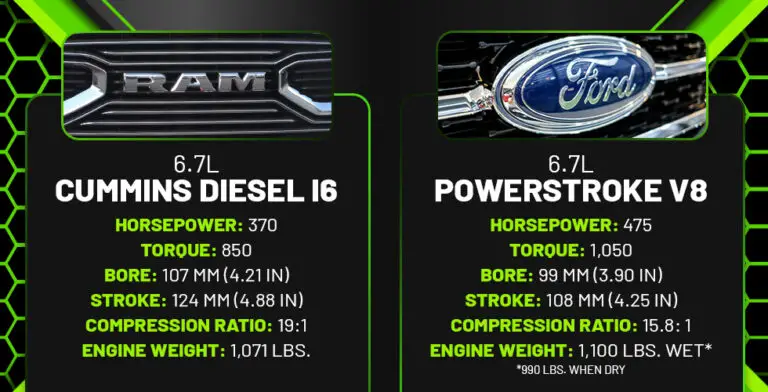
The 6 4 Powerstroke vs 5.9 Cummins Power and Torque
The 6.4 Powerstroke makes strong horsepower numbers right from the factory. It uses modern fuel injection to burn fuel cleanly and well. Drivers feel quick throttle response when merging or passing.
Always test drive both engines with a load similar to what you plan to tow. Paper numbers do not always match real world feel behind the wheel.
The 5.9 Cummins makes slightly less horsepower but gives massive low-end torque. This torque helps move heavy trailers from a dead stop. Many owners say the Cummins feels stronger when climbing steep grades.
- Horsepower Rating: The 6.4 produces around 350 horsepower in stock form.
- Torque Rating: The 5.9 makes up to 610 pound-feet of torque.
- Turbo Setup: The 6.4 uses a variable geometry turbo for quick spool.
- Fuel System: The Cummins uses a mechanical injection pump known for strength.
- Towing Capacity: Both engines can tow heavy loads when paired with the right transmission.
Power needs depend on what you haul and how you drive each day.
Fuel Economy and Real World Mileage
Fuel costs matter for every diesel owner who drives long distances. The 6.4 Powerstroke uses more fuel because of its larger displacement and emissions gear. Expect lower miles per gallon compared to older diesel engines.
The 5.9 Cummins often returns better fuel economy in similar weight trucks. Its simpler design and lighter rotating assembly help save fuel. Many fleet owners choose Cummins for long haul routes because of this edge.
- City Driving: The 5.9 usually gets better stop and go mileage.
- Highway Cruising: Both engines perform well at steady speeds above fifty miles per hour.
- Towing Load: Heavy trailers drop fuel economy for both engines by several miles per gallon.
- Fuel Type: Both engines run on standard ultra low sulfur diesel fuel.
- Tank Size: Most trucks with these engines hold between twenty six and thirty eight gallons.
Real world mileage varies with load, speed, and upkeep habits.
Maintenance Requirements and Repair Costs
The 6.4 Powerstroke needs regular oil changes and fuel filter swaps to stay healthy. Its emissions systems add complexity and can cost more to fix when they fail. Ford dealers charge premium labor rates for major repairs.
The 5.9 Cummins has a reputation for easy upkeep and long service intervals. Parts are widely available from many suppliers at competitive prices. Independent shops often know how to work on these engines without special tools.
- Oil Changes: The 6.4 needs service every five thousand miles under normal use.
- Fuel Filters: Both engines need fresh filters every ten to fifteen thousand miles.
- Cooling Flush: Flush the coolant system every two years to prevent corrosion.
- Belt Service: Check serpentine belts every oil change for cracks and wear.
- Labor Rates: Cummins repairs often cost less at independent shops than Ford dealer work.
Stick to the factory schedule to avoid expensive breakdowns on the road.
Reliability and Longevity Track Record
The 6.4 Powerstroke had some early issues with emissions parts and head gaskets. Later models improved greatly with better tuning and stronger parts. Many well maintained examples now pass two hundred thousand miles with basic care.
The 5.9 Cummins is famous for million mile potential with proper upkeep. Its inline six design puts less stress on main bearings than a V8. Fleet trucks with this engine often stay in service for decades.
- Head Gaskets: The 6.4 had early head gasket concerns under high load.
- Turbo Life: The 5.9 turbo often lasts the life of the engine with clean oil.
- Injection System: The Cummins pump is simple and rarely needs spare.
- Emissions Gear: The 6.4 has more sensors and valves that can fail over time.
- Block Strength: Both iron blocks handle high mileage without cracking easily.
Long term ownership rewards owners who follow service intervals and use quality fluids.
Towing Performance and Hauling Capacity
Towing heavy trailers puts serious stress on any diesel engine. The 6.4 Powerstroke handles fifth wheel and gooseneck trailers with ease in modern Ford chassis. Its transmission works with the engine to hold gears on long grades. For complementary picks and expert testing advice, see our guide on How to Fix 6.0 Powerstroke Hard Acceleration Issues: Troubleshoot and Repair.
The 5.9 Cummins excels at pulling heavy loads from low speeds. Its torque curve stays flat and strong through the working range. Many owners report stable towing with less downshifting on mountain passes.
- Trailer Weight: Both engines safely tow fifteen thousand pounds with proper equipment.
- Braking: Diesel trucks need trailer brakes for loads over three thousand pounds.
- Transmission: The 6.4 pairs with a six speed auto in most models.
- Cooling While Towing: Use a transmission cooler for long mountain grades.
- Hitch Class: Match your hitch rating to your trailer tongue weight.
Match your truck package to your heaviest expected load for safe towing.
Emissions Systems and Legal Compliance
The 6.4 Powerstroke comes with diesel particulate filter and selective catalytic reduction systems. These parts reduce exhaust smoke but add backpressure and upkeep needs. Removing them is illegal in many regions and can fail inspections.
The 5.9 Cummins in older trucks has fewer emissions controls than modern diesels. This makes it simpler but also means more visible exhaust under hard acceleration. Check your local laws before modifying any emissions equipment.
- DPF Filter: The 6.4 uses a filter that needs periodic regeneration cycles.
- DEF Fluid: Newer Powerstrokes require diesel exhaust fluid for emissions compliance.
- EGR Valve: Both engines use exhaust gas recirculation to lower combustion heat.
- Smoke Output: The 5.9 may show more black smoke under heavy throttle.
- Inspection Rules: Some states require visual checks of emissions parts during registration.
Keep emissions systems intact to stay legal and protect resale value.
Resale Value and Market Demand
Diesel trucks hold value better than gas models in most markets. The 6.4 Powerstroke appeals to buyers who want modern features and factory support. Clean examples with service records sell quickly in many regions.
The 5.9 Cummins commands strong prices because of its legendary reputation. Enthusiasts and fleet buyers seek out these trucks for work and recreation. High mileage Cummins trucks often sell for more than similar Powerstroke models.
- Buyer Demand: Cummins trucks often have longer waiting lists of buyers.
- Condition: Rust free examples bring the highest prices in northern states.
- Mileage: Under one hundred thousand miles brings premium pricing for both engines.
- Modifications: Stock trucks usually sell faster than heavily modified examples.
- Documentation: Keep all service receipts to prove upkeep history.
Smart buyers research local prices before making an offer on any used diesel truck.
Summary Table: Engine Specifications Compared
| Feature | 6.4 Powerstroke | 5.9 Cummins |
|---|---|---|
| Configuration | V8 | Inline Six |
| Horsepower | 350 hp | 325 hp |
| Torque | 650 lb-ft | 610 lb-ft |
| Fuel System | Common Rail | Mechanical Pump |
| Emissions | DPF and DEF | Limited Controls |
| Oil Capacity | 15 quarts | 12 quarts |
| Typical MPG | 12 to 16 | 15 to 20 |
Use this table to compare the core specs side by side before you buy.
Best Practices for Diesel Engine Care
Good habits extend the life of any diesel engine and save money over time. Warm up the engine before driving hard, most in cold weather. Let the turbo cool down after heavy towing before shutting off the engine.
Never delete or tamper with emissions equipment on road registered vehicles. This can lead to fines, failed inspections, and voided warranties.
Use quality fuel and change filters on schedule to protect the injection system. Keep an eye on coolant levels and watch for any leaks under the truck. Small problems caught early prevent major repairs later. For complementary picks and expert testing advice, see our guide on 7.3 Powerstroke Crankcase Pressure Troubleshooting: Solutions for Your Engine.
- Warm Up Time: Let the engine idle for one to two minutes before driving.
- Cool Down: Idle for three minutes after towing before turning off the key.
- Fuel Quality: Buy diesel from busy stations with fresh fuel turnover.
- Fluid Checks: Check oil, coolant, and transmission fluid every fuel fill up.
- Tire Pressure: Proper tires improve fuel economy and towing stability.
- Service Records: Keep a log of all upkeep for resale value.
Steady care keeps your diesel running strong for hundreds of thousands of miles.
Frequently Asked Questions
Which Engine Is Better for Towing Heavy Fifth Wheel Trailers?
Both engines handle fifth wheel trailers well when paired with the right truck. The 5.9 Cummins offers strong low end torque for starting heavy loads. The 6.4 Powerstroke provides modern transmission tuning for highway towing. Choose based on your truck preference and budget.
How Does the 6 4 Powerstroke vs 5.9 Cummins Compare for Daily Driving?
The 6.4 Powerstroke feels smoother and quieter for daily commuting. The 5.9 Cummins may have more vibration but returns better fuel economy. Your daily route length and comfort needs should guide your choice.
Are Parts Easy to Find for Both Engines?
Cummins parts are widely available from many online and local suppliers. Powerstroke parts are common at Ford dealers and many independent shops. Both engines have strong aftermarket support for upgrades and repairs.
Which Engine Lasts Longer with Basic Maintenance?
The 5.9 Cummins has a longer track record of million mile service life. The 6.4 Powerstroke can also reach high mileage with proper care. Regular oil changes and filter service matter most for lifespan.
Can I Modify Either Engine for More Power?
Yes, both engines respond well to tuning and power parts. Be aware that changes can affect emissions compliance and warranty coverage. Check local laws before installing delete kits or programmers.
What Should I Look for When Buying a Used Diesel Truck?
Check service records, look for leaks, and listen for unusual noises. Test drive with a load if possible and inspect the frame for rust. A pre buy inspection by a diesel mechanic is always worth the cost.
Final Thoughts and Next Steps
The 6.4 Powerstroke and 5.9 Cummins both offer strong power for truck owners. Your choice depends on whether you value modern features or simple, proven trust. Consider your budget, towing needs, and local parts availability before deciding.
Take time to test drive both trucks and review upkeep records carefully. A well cared for example of either engine will serve you well for years. Join owner forums and talk to local diesel shops for real world advice.
Make your decision with confidence and enjoy the power of a capable diesel truck. The right engine will handle your work and play with strength and dependability.