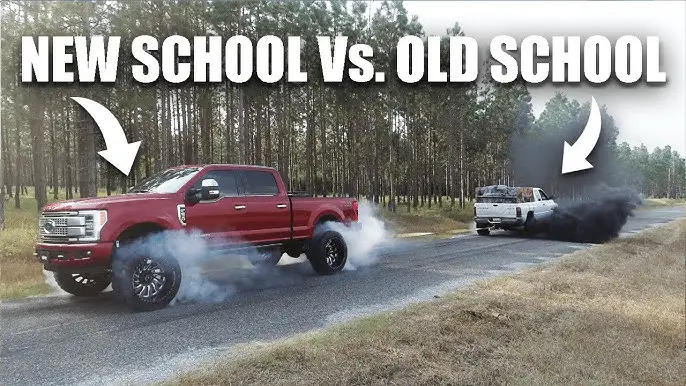
6.0 Powerstroke 4 vs 5 Inch Exhaust: Ultimate Showdown
Many truck owners feel stuck when picking the right exhaust size. A wrong choice can cost you power or waste your money on parts you do not need. The debate over a 4 inch versus 5 inch system is common among diesel fans. Always follow official safety and maintenance guidelines for best results.
Choosing the right setup for your 6 0 Powerstroke 4 truck matters a lot for daily driving and towing. This guide breaks down the real differences between 4 inch and 5 inch exhausts. You will learn how each size affects flow, sound, and overall engine health.
[
[EZ_UI_BLOCK_0]
]
📌 AT A GLANCE
- ✓Flow Difference: A 5 inch pipe moves more air than a 4 inch pipe.
- ✓Daily Driving: A 4 inch exhaust fits most stock and mild tuned trucks well.
- ✓Heavy Towing: A 5 inch system helps high horsepower builds breathe better.
- ✓Sound Level: Larger pipes often create a deeper, louder tone.
- ✓Installation: Both sizes bolt on with basic hand tools in a few hours.
Why Exhaust Size Matters for Your Diesel Truck
Exhaust size changes how fast smoke leaves your engine. A small pipe can create back pressure that robs power. A large pipe lets gases exit fast but may hurt low end torque.
Back pressure happens when exhaust gas hits a wall inside the pipe. That wall slows the flow and pushes heat back into the engine. Too much heat can damage valves and turbo parts over time. For our complete category overview. Core buyer criteria, explore our cornerstone guide to Upgrading 6.0 Powerstroke Engine Components for Performance: Boost Power and Efficiency.
Flow is the volume of air that moves through the system each second. Wide pipes allow more air to pass with less push from the piston. This helps the engine breathe easier during hard pulls.
Your driving habits should pick the pipe size for you. Think about how you use your truck every day before you buy parts.
- Back Pressure: Too much pressure slows down the engine and wastes fuel.
- Exhaust Flow: Wider pipes let hot gases escape with less resistance.
- Torque Curve: Small pipes often help low end pulling power.
- Horsepower: Large pipes support high boost and big injector setups.
- Sound Tone: Bigger pipes make a deeper rumble under acceleration.
Pick the size that matches your power goals and daily needs.
4 Inch Exhaust Breakdown for 6 0 Powerstroke 4 Trucks
The 4 inch exhaust is the most common choice for stock trucks. It fits well under the frame and works with most downpipes. Many owners like it for city driving and light towing.
If you tow heavy fifth wheel trailers, a 5 inch exhaust helps lower exhaust gas heat on long climbs.
This size keeps exhaust velocity high at low rpm. That helps the turbo spool faster and gives you better response when leaving a stoplight.
Most stock 6.0 Powerstroke engines make between 325 and 350 horsepower. A 4 inch pipe matches that output well. It does not create too much back pressure, yet it keeps gas speed high.
Real world use shows that a 4 inch system works best for daily commutes. It handles short trips to the store and light loads in the bed. The pipe size also keeps noise levels low enough for early morning starts.
- Easy Fitment: Most 4 inch kits bolt right up with no cutting.
- Low End Power: Keeps velocity high for better torque off the line.
- Fuel Economy: Works well for daily commuting and empty highway miles.
- Sound Level: Produces a mild tone that is not too loud.
- Cost: Usually cheaper than 5 inch systems and easier to find.
Use a 4 inch exhaust if you want a simple, steady upgrade.
5 Inch Exhaust Breakdown for High Horsepower Builds
A 5 inch exhaust shines on trucks with big turbos and heavy tunes. It moves a huge volume of air without choking the engine. This size is popular for competition pulling and heavy hauling.
Big turbos push more air into the cylinders. That creates more exhaust gas after the burn. A 5 inch pipe gives that gas a wide path to exit the truck.
The downside is that low end torque can drop on a stock engine. You need enough horsepower to make the extra size worth it. Without enough flow, gas slows down in the wide pipe.
Trucks pushing over 400 horsepower benefit most from this size. The extra room keeps exhaust gas heat lower during long pulls. Cooler exhaust means safer engine temps under load.
- High Flow: Handles massive exhaust volume from big turbos.
- Top End Power: Helps the engine breathe at high rpm and boost.
- Heat Management: Larger pipes lower exhaust gas heat under load.
- Aggressive Sound: Creates a loud, deep diesel roar.
- Build Support: Best for trucks pushing over 400 horsepower.
Choose 5 inch only if your truck is heavily modified or tuned hard.
Sound Comparison Between 4 Inch and 5 Inch Systems
Sound is a big part of the exhaust decision. A 4 inch system gives a clean, mild rumble that neighbors will not hate. A 5 inch system is much louder and deeper.
Inside the cab, a 5 inch drone can get old on long highway trips. A 4 inch system stays quieter at cruise speeds.
Many owners report that 5 inch systems cause cabin vibration at 70 miles per hour. That drone can lead to driver fatigue on long trips. A 4 inch pipe avoids most of that issue.
- Idle Tone: 4 inch sounds smooth, 5 inch sounds aggressive.
- Acceleration: 5 inch roars louder when you step on the throttle.
- Cruise Drone: 4 inch stays quieter at 70 miles per hour.
- Outside Noise: 5 inch draws more attention in parking lots.
- Cab Resonance: Larger pipes vibrate more inside the truck.
Think about your passengers before picking the loudest option.
Installation Tips for Your New Exhaust
Installing an exhaust is a weekend job for most home mechanics. You need basic hand tools, jack stands, and some penetrating oil. Always let the engine cool before you start work.
Start by raising the truck on flat ground. Set jack stands under the frame rails. Never work under a truck held only by a floor jack.
Spray all old bolts with penetrating oil the night before. This helps rusted nuts break free without snapping. Heat from a torch can help on very stuck bolts.
Remove the old system in sections. Start at the rear and work forward to the downpipe. Keep all old hangers and gaskets for reference. For complementary picks and expert testing advice, see our guide on How to Fix 6.0 Powerstroke Hard Acceleration Issues: Troubleshoot and Repair.
Check all hangers and gaskets before you lower the truck. A small leak can cause big noise and failed inspections.
- Safety First: Use jack stands, never trust a jack alone.
- Penetrating Oil: Spray old bolts the night before removal.
- New Gaskets: Always use fresh gaskets to stop leaks.
- Hanger Check: Replace cracked rubber hangers before install.
- Torque Specs: Tighten clamps to the maker spec.
Take your time and double check every connection.
Maintenance and Long Term Care
Diesel exhausts collect soot and moisture over time. Regular checks help your system last for many years. Look for rust spots and loose clamps every few months.
Road salt eats through mild steel fast. If you live in a snowy state, wash the undercarriage often. Stainless steel resists this damage better than aluminized parts.
Clean the tip and check for leaks after long trips. A well cared for exhaust keeps your truck running strong.
- Visual Inspection: Look for rust and holes every oil change.
- Clamp Tightness: Check all band clamps for loose fitment.
- Hanger Condition: Replace worn rubber hangers right away.
- Tip Cleaning: Wipe chrome tips to stop pitting and stains.
- Leak Check: Listen for ticking sounds at the manifold.
Simple upkeep prevents costly repairs down the road.
Best Practices and Common Mistakes
Do not buy the biggest pipe just because it looks cool. Match the exhaust to your actual horsepower and towing needs. A 5 inch pipe on a stock truck can feel sluggish off the line.
Always buy quality stainless or aluminized steel parts. Cheap metal rusts fast and will need spare sooner.
Check clearance before you tighten the last clamp. Make sure the pipe does not hit the frame, fuel tank, or spare tire. Vibration can wear a hole through the pipe over time.
- Match Power Level: Pick pipe size based on your horsepower goals.
- Buy Quality Metal: Stainless steel lasts longer than mild steel.
- Check Clearance: Make sure pipes do not hit the frame or fuel tank.
- Use New Hardware: Old bolts can snap and cause headaches.
- Test Drive: Listen for leaks after the first short drive.
Smart choices now save money and frustration later.
Summary Table: 4 Inch vs 5 Inch Exhaust
Testing 6 0 Powerstroke 4 side by side makes it much easier to choose with confidence. [
[EZ_UI_BLOCK_2]
]
Towing and Egt Considerations for Heavy Loads
Exhaust gas heat matters when you tow a heavy camper. High EGT can damage pistons and turbo wheels. A wider pipe helps lower these temps under load.
- 5 Inch Exhaust: A 5 inch exhaust moves more heat out of the engine bay.
- This Helps: This helps during long mountain grades or hot summer days.
- Your Coolant: Your coolant and oil temps may also drop slightly.
Stock trucks towing light loads do not need this extra flow. A 4 inch system keeps velocity high enough for safe temps. Match the pipe to your actual trailer weight.
Muffler and Delete Options Explained
You can choose a muffler or a straight pipe for either size. A muffler cuts noise but adds slight back pressure. Straight pipes sound louder and flow more freely.
- Some Owners: Some owners remove the catalytic converter or DPF.
- This Is Called: This is called a delete.
- It Increases Flow But: It increases flow but may fail emissions tests in your state.
Check local laws before you delete any emissions parts. Fines can cost more than the exhaust kit itself.
Cost Breakdown and Value Comparison
A 4 inch kit often costs between 300 and 600 dollars. A 5 inch kit can run from 500 to 900 dollars. Prices depend on brand and metal type.
Never drive with an exhaust leak. Carbon monoxide can enter the cab and put your family at risk.
Stainless steel costs more up front but lasts longer. Aluminized steel saves money now but may rust in five years. For complementary picks and expert testing advice, see our guide on 7.3 Powerstroke Crankcase Pressure Troubleshooting: Solutions for Your Engine.
Factor in installation labor if you hire a shop. Expect to pay 200 to 400 dollars for a full install.
[
[EZ_UI_BLOCK_4]
]
Gather required tools and clear your work area before starting.
Confirm baseline specs and maker guidelines first.
Complete each stage in order without skipping safety checks.
Run a quick test pass and wipe down key parts after use.
| Feature | 4 Inch Exhaust | 5 Inch Exhaust |
|---|---|---|
| Best Use | Stock to mild tunes | High horsepower builds |
| Low End Torque | Strong | Weaker on stock engines |
| Top End Flow | Good | Excellent |
| Sound Level | Mild to moderate | Loud and deep |
| Install Difficulty | Easy | Moderate |
| Price Range | Lower | Higher |
| Daily Driving | Excellent | Can drone on highway |
Frequently Asked Questions
Will a 5 Inch Exhaust Hurt My Stock 6 0 Powerstroke 4 Engine?
It can reduce low end torque on a completely stock engine. You may feel less power when starting from a stop. Most stock trucks do better with a 4 inch system.
Is a 4 Inch Exhaust Loud Enough for Me?
A 4 inch system gives a clear diesel rumble without being obnoxious. It is perfect for daily drivers who want some sound but not too much.
Can I Switch From 4 Inch to 5 Inch Later?
Yes, you can upgrade later if you add bigger turbos or injectors. Just make sure your downpipe and hangers match the new size.
Does Exhaust Size Affect Fuel Mileage?
It can change mileage slightly based on how you drive. A 5 inch pipe may hurt city mileage on a stock truck due to lower velocity.
Which Size Is Best for Towing a Heavy Camper?
If your truck is tuned. Makes high power, a 5 inch exhaust helps keep heat down. For stock towing, a 4 inch system works just fine.
How Often Should I Check My Exhaust for Leaks?
Check your exhaust every oil change or about every 5,000 miles. Catching a small leak early prevents loud noise and safety issues.
Final Thoughts and Next Steps
Choosing between a 4 inch and 5 inch exhaust comes down to your truck setup. A 4 inch system works best for stock and mildly tuned daily drivers. A 5 inch system suits high horsepower builds and heavy towing jobs.
Think about your sound preference, budget, and power goals before you buy. Quality parts and proper installation will keep your truck running for years.
Take the next step by measuring your current downpipe and ordering the right kit. Your 6 0 Powerstroke 4 truck will thank you with better power and a great sound.