2026 Cummins Vs 2026 Powerstroke: Ultimate Diesel Showdown
Choosing between two heavy-duty trucks feels like a high-stakes gamble for many owners. You want raw power, long life, and low repair bills every single day. The debate over 2026 Cummins Vs 2026 trucks keeps shoppers up at night.
This guide breaks down every key difference in plain English. You will learn about torque, fuel economy, towing strength, and long-term value. By the end, you can pick the engine that fits your work and budget. Always follow official safety and maintenance guidelines for best results.
[
[EZ_UI_BLOCK_0]
]
📌 AT A GLANCE
- ✓Engine Legacy: Cummins brings inline-six simplicity while Powerstroke offers V8 compact design.
- ✓Towing Strength: Both handle heavy loads, but torque curves differ by brand.
- ✓Fuel Economy: Real-world MPG depends on load, terrain, and driving habits.
- ✓Maintenance Cost: Parts availability and service intervals shape long-term bills.
- ✓Resale Value: Brand loyalty and market demand affect used truck prices.
Why the 2026 Cummins vs 2026 Powerstroke Debate Matters
Truck buyers face a real choice between two proven diesel platforms. Each brand builds engines for hard work and long miles. Knowing the core differences helps you avoid costly mistakes at the dealership.
[
[EZ_UI_BLOCK_1]
]
The Cummins engine uses an inline-six layout that many mechanics praise for simplicity. The Powerstroke uses a V8 design that fits well in Ford chassis. Both give strong torque for towing trailers and hauling gear. For our complete category overview. Core buyer criteria, explore our cornerstone guide to Upgrading 6.0 Powerstroke Engine Components for Performance: Boost Power and Efficiency.
- Engine Layout: Cummins uses a straight-six while Powerstroke uses a V8 block.
- Torque Output: Both brands publish high torque numbers for heavy-duty work.
- Fuel System: High-pressure common rail systems power both modern diesels.
- Cooling Design: Each engine uses unique radiator and intercooler setups.
- Electronics: Modern engine control modules manage fuel and emissions tightly.
These fundamentals set the stage for a deeper look at power and ownership costs.
Think about your daily route. Do you pull a horse trailer three times a week? Or do you haul gravel for a small crew? The engine you pick changes your fuel bill and your stress level. A Cummins inline-six tends to run cooler under steady loads. A Powerstroke V8 often feels livelier when passing on the interstate.
Talk to local fleet owners before you buy. Ask what breaks first on their trucks. Ask how long they wait for parts. Real owners know the truth that spec sheets hide.
2026 Cummins vs 2026 Powerstroke Engine Specifications
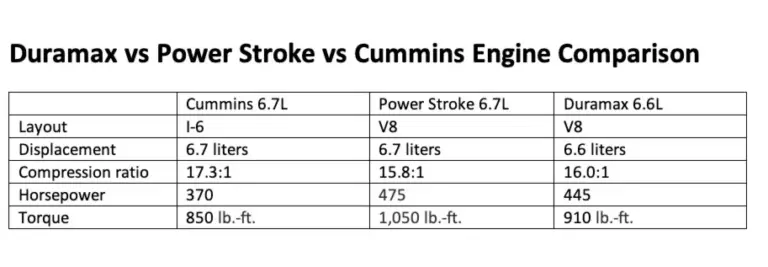
Spec sheets tell only part of the story, but they matter for daily use. Displacement, horsepower, and torque shape how each truck feels on the road.
Check your baseline settings before making changes so you can track progress and spot issues right away.
[
[EZ_UI_BLOCK_3]
]
Cummins often leads with low-end grunt that helps start heavy loads. Powerstroke counters with high horsepower that aids highway passing. Both meet strict emissions rules for 2026 models.
- Displacement Size: Cummins usually runs a 6.7-liter inline-six.
- Horsepower: Powerstroke V8 models often reach higher peak hp.
- Torque: Cummins inline-six gives strong low-rpm pulling force.
- Compression Ratio: Diesel engines use high compression for ignition.
- Weight: Engine mass affects front axle load and handling.
Specs help narrow choices, but real driving feel seals the decision.
The Cummins block uses a cast-iron design that adds weight but lasts for decades. Fewer cylinders mean fewer parts to wear out. Mechanics can reach the top of the engine without removing many parts. That saves time on valve checks and gasket swaps.
The Powerstroke V8 packs more power into a smaller footprint. Ford engineers placed the turbo in the valley between the cylinder banks. This compact layout saves space under the hood. It also means more heat in a tight area. Cooling hoses and sensors sit close together, which can raise labor costs on repairs.
Look at the bore and stroke numbers. Cummins uses a long stroke that builds torque at low rpm. Powerstroke uses a shorter stroke that revs faster and makes more peak horsepower. If you start heavy loads from a stop, the Cummins shines. If you merge onto busy highways, the Powerstroke helps.
Emissions gear matters too. Both trucks use diesel particulate filters and selective catalytic reduction. These systems add weight and cost. They also need regular DEF refills. Ignore them and the truck will derate or shut down.
Towing and Hauling Performance
Truck owners buy diesels to move heavy trailers, boats, and equipment. Towing size and trailer sway control matter more than raw horsepower alone.
Cummins trucks often shine in steady-state towing thanks to strong low-end torque. Powerstroke trucks offer integrated trailer brake controllers and smart hitch assists. Both can handle fifth-wheel and gooseneck setups with proper packages.
- Towing Capacity: Check max ratings for each cab and axle combo.
- Trailer Sway: Electronic stability systems keep trailers straight.
- Hitch Class: Heavy-duty receivers support fifth-wheel and gooseneck.
- Transmission: Torque converter lock-up improves speed under load.
- Cooling: Extra transmission coolers protect during long climbs.
Match your trailer weight to the truck’s rated limits for safe trips.
Picture a 14,000-pound fifth-wheel on a mountain grade. The Cummins pulls steady at low rpm without downshifting often. The driver feels less strain on the engine. The Powerstroke may downshift to stay in the power band. Both finish the climb, but the feel differs.
Check your trailer tongue weight. A heavy tongue lifts the front axle and hurts steering. Use a weight-distributing hitch for bumper-pull trailers. For fifth-wheels, slide the hitch to balance the load. Never exceed the gross combined weight rating.
Trailer brakes save lives. Test the controller before you leave the lot. Set the gain so the trailer brakes just before the truck brakes. Too much gain locks the trailer wheels. Too little leaves the truck doing all the work.
Transmission heat kills clutches. Towing in overdrive on long hills builds heat. Lock out overdrive on steep grades. Watch the transmission heat gauge. If it climbs, pull over and idle to cool down.
Fuel Economy and Operating Costs
Diesel fuel costs more per gallon than gasoline. But diesels often go further on a tank. Real-world MPG varies with load, speed, and terrain.
Cummins engines earn a reputation for sipping fuel on long highway runs. Powerstroke trucks compete closely, most with newer aerodynamic body designs. Idle time and short trips hurt economy for both brands.
- Highway MPG: Empty trucks often reach the high teens or low twenties.
- Towing MPG: Expect numbers to drop under heavy trailer loads.
- Diesel Price: Fuel cost per gallon affects total running budget.
- DEF Usage: Diesel exhaust fluid adds a small recurring expense.
- Oil Capacity: Larger sumps mean more oil per change interval.
Track your fuel receipts to learn your true cost per mile.
Keep a logbook in the glove box. Write down gallons, miles, and load weight each fill-up. After three months, you will see your real cost per mile. Do not trust the dash computer alone.
Speed kills diesel economy. Driving 75 mph instead of 65 mph can drop MPG by two or three. On long trips, set cruise control at 65. You will arrive a little later but spend far less on fuel.
DEF costs about two to three dollars per gallon. A truck uses roughly one gallon of DEF for every fifty gallons of diesel. Budget for it. Running out of DEF triggers limp mode and can strand you.
Oil changes on a diesel cost more than on a gas truck. The sump holds more oil, and the filter costs more. But the intervals are longer. Follow the severe-service schedule if you tow weekly.
Maintenance and Reliability
Regular service keeps diesel engines running for hundreds of thousands of miles. Skip upkeep and you risk expensive repairs down the road.
Cummins inline-six designs often allow easier access for valve adjustments and filter changes. Powerstroke V8 layouts pack more parts into tight spaces, which can raise labor time. Both brands recommend regular oil, fuel filter, and DEF service. For complementary picks and expert testing advice, see our guide on 5 Top 5.9 Cummins Camshaft Position Sensor Picks for Your Ram.
- Oil Changes: Follow severe-service intervals if you tow often.
- Fuel Filters: Change them on schedule to protect injectors.
- Coolant: Flush and replace coolant to prevent overheating.
- Turbo Inspection: Check for shaft play and oil leaks yearly.
- Battery Care: Diesel starters need strong batteries in cold weather.
A solid upkeep plan beats repair bills every time.
Change the fuel filter every 15,000 miles or once a year. Dirty fuel kills injectors fast. A new set of injectors can cost four thousand dollars or more. A filter costs fifty. The math is easy.
Drain the water separator when the light comes on. Water in the fuel rusts the pump and injectors. In cold climates, use a fuel additive to prevent gelling. Diesel turns to wax in the cold and clogs lines.
Watch the turbo for shaft play. A whining sound under boost means wear. Oil leaks at the turbo feed line are common. Fix small leaks before they become big fires.
Coolant breaks down over time. Old coolant turns acidic and eats radiator cores. Flush the system every five years or 100,000 miles. Use the right coolant mix for your climate.
Batteries matter more on diesels. The starter needs high amps to turn over a high-compression engine. Replace weak batteries before winter. Clean the terminals and check the alternator output.
Resale Value and Ownership Experience
Trucks hold value better than most vehicles, but brand loyalty shifts resale prices. Owners who plan to trade in should think about long-term demand.
Cummins-powered Rams often command strong prices in rural and farm markets. Powerstroke Fords benefit from huge fleet sales and parts availability. Condition, mileage, and service records matter more than brand alone.
- Market Demand: Farm and build buyers seek used diesels.
- Parts Supply: Both brands have wide dealer and aftermarket networks.
- Warranty: Factory coverage varies by model and buy date.
- Dealer Support: Local service access affects ownership ease.
- Modifications: Heavy mods can lower resale value for some buyers.
Buy with resale in mind if you plan to upgrade in a few years.
Keep every receipt. A binder of oil changes and filter swaps proves you cared for the truck. Buyers pay more for documented service. It also helps with warranty claims.
Avoid heavy changes if you plan to sell in three years. Chip tuners and deleted emissions gear scare off some buyers. They also void parts of the warranty. Keep the truck stock for the best resale.
Check local demand before you pick a brand. In farm country, Cummins trucks sell fast. In suburban areas, Ford Powerstroke trucks often lead. Talk to used truck dealers in your town. They know what moves.
Warranty length matters. Some powertrain plans last five years or 100,000 miles. Others go longer. Read the fine print. Know what is covered and what is not.
Summary Table: 2026 Cummins vs 2026 Powerstroke Specs
Testing 2026 Cummins Vs 2026 side by side makes it much easier to choose with confidence. [
[EZ_UI_BLOCK_2]
]
Best Practices for Diesel Truck Buyers
Smart buyers test drive both trucks with their actual trailer or load. Paper specs never replace real seat time behind the wheel.
[
[EZ_UI_BLOCK_4]
]
Ask dealers about service history, remaining warranty, and known recalls. Get a pre-buy inspection from a diesel specialist before signing any papers.
- Test Drive: Drive each truck loaded and unloaded for feel.
- Check Records: Review service history and accident reports.
- Inspect Turbo: Listen for whine and check for oil leaks.
- Compare Warranty: Compare powertrain coverage lengths carefully.
- Negotiate Price: Use competing quotes to lower the deal.
Take your time and let data, not emotion, guide your final choice.
Bring your trailer to the test drive. Hook it up and drive ten miles. Feel how the truck accelerates from a stop. Note how it handles on hills. Check the trailer brake response. A short drive around the lot is not enough.
Ask for the out-the-door price. This includes taxes, fees, and add-ons. Compare that number across dealers. Do not let a low monthly payment hide a high total cost.
Get a pre-buy inspection even on new trucks. A diesel specialist can spot factory defects and poor prep work. It costs a few hundred dollars and can save thousands. For complementary picks and expert testing advice, see our guide on Troubleshooting Your 5.9 Cummins Crank Sensor.
Real-World Owner Stories: What to Expect
Numbers on a page do not tell the full story. Real owners face breakdowns, repair bills, and long road trips. Their uses show what daily life with each truck looks like.
- Meet Mike: Meet Mike, a cattle rancher in Texas.
- He Pulls: He pulls a 24-foot gooseneck stock trailer five days a week.
- His 2026 Ram: His 2026 Ram with the Cummins engine has 80,000 miles.
- He Changes Oil: He changes oil every 7,500 miles.
- He Says: He says the engine starts cold every morning. Never overheats on long climbs.
- His Only Complaint: His only complaint is the firm ride when empty.
Meet Sarah, a build manager in Ohio. She hauls a flatbed with a skid steer and tools. Her 2026 Ford F-Series with Powerstroke has 60,000 miles. She likes the quick passing power on two-lane roads. She paid for one turbo sensor fix at 40,000 miles. The dealer fixed it under warranty in one day.
Meet Luis, a long-haul owner-operator. He runs a 2026 Ram Cummins on interstate routes. He averages 21 MPG empty and 11 MPG towing. He says the Cummins feels relaxed at 70 mph. He changes the fuel filter every 10,000 miles as cheap insurance.
Meet Diane, a horse trainer in Kentucky. She tows a three-horse trailer with living quarters. Her 2026 Ford Powerstroke handles the load with ease. She likes the trailer sway control and the integrated brake controller. She notes the fuel tank is smaller than she wants, so she stops more often.
These stories show that both trucks work hard. The right choice depends on your route, your load, and your dealer.
Cold Weather and Extreme Climate Considerations
Diesel engines behave differently in cold weather. Fuel can gel, batteries can weaken, and starts can fail. Owners in northern states need a plan for winter.
Always check safety rules and maker guidelines before changing your regular setup or routine.
- Diesel Fuel Contains: Diesel fuel contains wax.
- When Temperatures Drop: When heat drop, the wax crystallizes and blocks fuel lines.
- Use a Winter: Use a winter fuel blend or add an anti-gel additive.
- Keep the Tank: Keep the tank full to reduce condensation.
- Water in the Tank: Water in the tank can freeze and block flow.
Block heaters help a lot. Plug the truck in overnight when heat fall below zero. The heater keeps the engine block and oil warm. Cold starts cause the most wear. A warm engine starts faster and runs smoother.
Batteries lose power in the cold. A weak battery that works in summer may fail in January. Test the battery before winter. Clean the terminals and check the cables. Carry jumper cables or a jump pack just in case.
DEF can freeze in the tank. The truck has a heater for the DEF lines. But the tank itself can ice up. Park in a garage when possible. If you must park outside, use a block heater. Let the truck idle to warm the DEF system.
In hot climates, cooling matters more. Towing in desert heat stresses the radiator and transmission cooler. Flush the coolant before summer. Check the fan clutch and radiator fins for debris. Overheating can warp heads and blow gaskets.
Gather required tools and clear your work area before starting.
Confirm baseline specs and maker guidelines first.
Complete each stage in order without skipping safety checks.
Run a quick test pass and wipe down key parts after use.
| Feature | 2026 Cummins | 2026 Powerstroke |
|---|---|---|
| Engine Type | Inline-Six Diesel | V8 Diesel |
| Displacement | 6.7 Liters | 6.7 Liters |
| Horsepower | Up to 420 hp | Up to 475 hp |
| Torque | Up to 1,075 lb-ft | Up to 1,050 lb-ft |
| Towing Capacity | Up to 37,100 lbs | Up to 40,000 lbs |
| Fuel Economy | 18-22 MPG empty | 17-21 MPG empty |
| Maintenance Access | Easier inline layout | Tighter V8 packaging |
Final Thoughts and Next Steps
The 2026 Cummins and Powerstroke trucks both offer serious power for hard work. Your choice should match your trailer weight, budget, and local service options. Take notes during test drives and compare real costs before you buy.
Visit local dealers, drive both trucks, and ask for out-the-door pricing. Bring a trusted mechanic for a pre-buy inspection. Then choose the diesel that fits your life. Keep it maintained for years of steady service.